May 14, 2026
2 min read
Add topic to email alerts
Receive an email when new articles are posted on
Please provide your email address to receive an email when new articles are posted on .
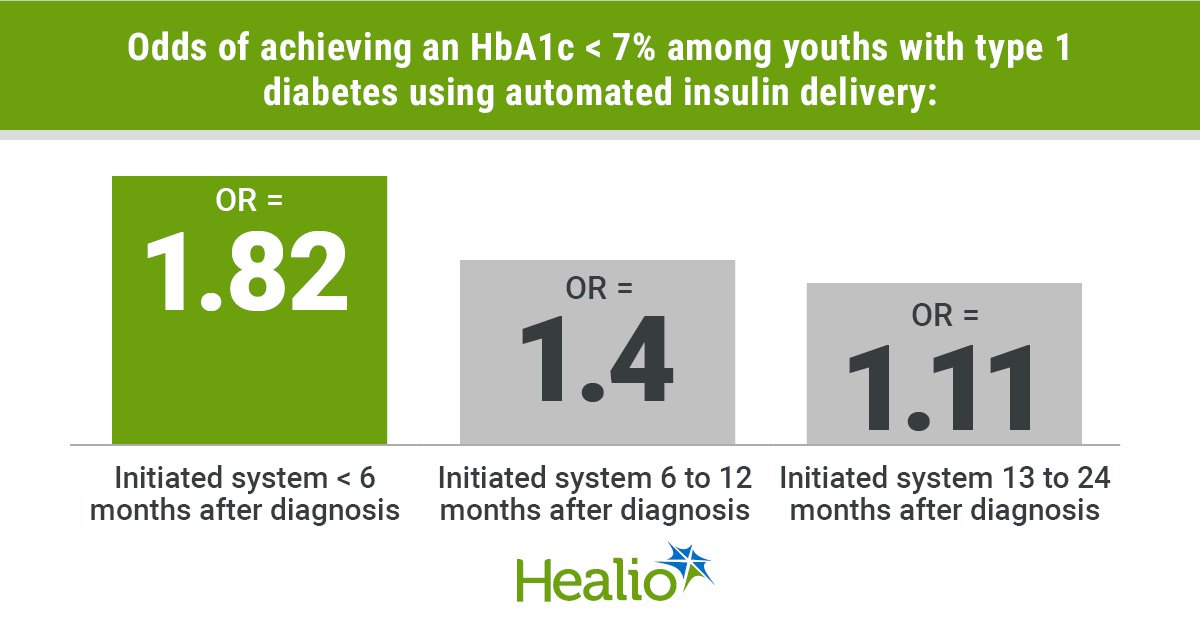
Youths who start using an automated insulin delivery system within 6 months of type 1 diabetes diagnosis are 82% more likely to have an HbA1c of less than 7% at 2 years than those who do not use a system, according to study data. In a study published in Diabetes Technology & Therapeutics, researchers obtained real-world data from 27 centers in the T1D Exchange Quality Improvement
May 14, 2026
2 min read
Add topic to email alerts
Receive an email when new articles are posted on
Please provide your email address to receive an email when new articles are posted on .
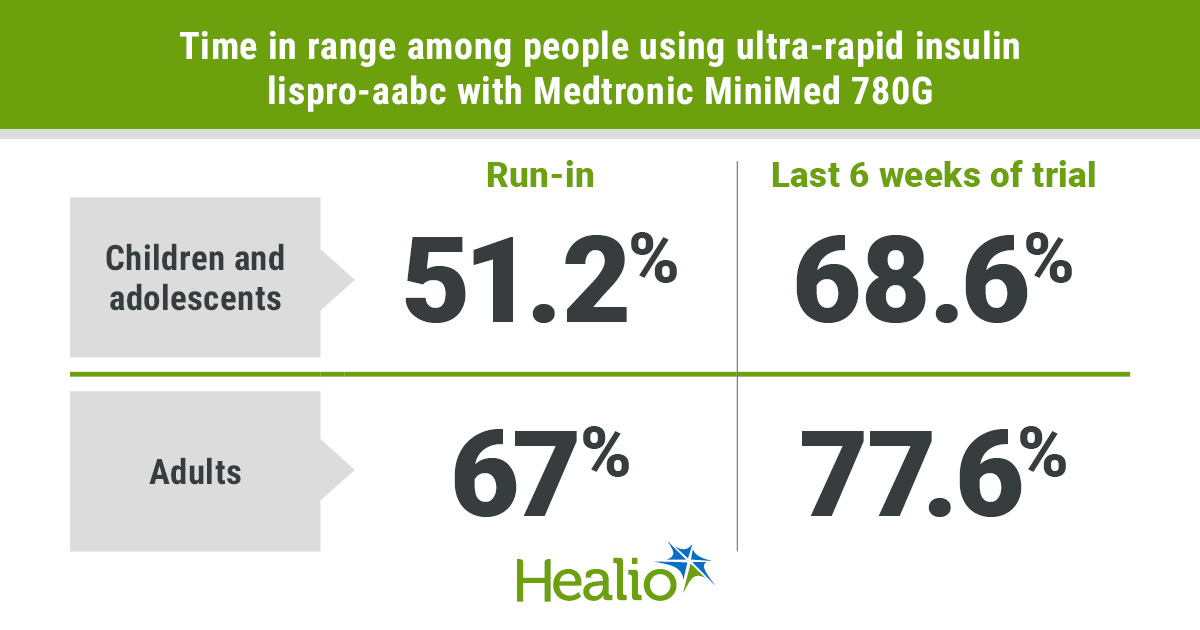
Children and adults with type 1 diabetes who used a fast-acting mealtime insulin along with automated insulin delivery had…
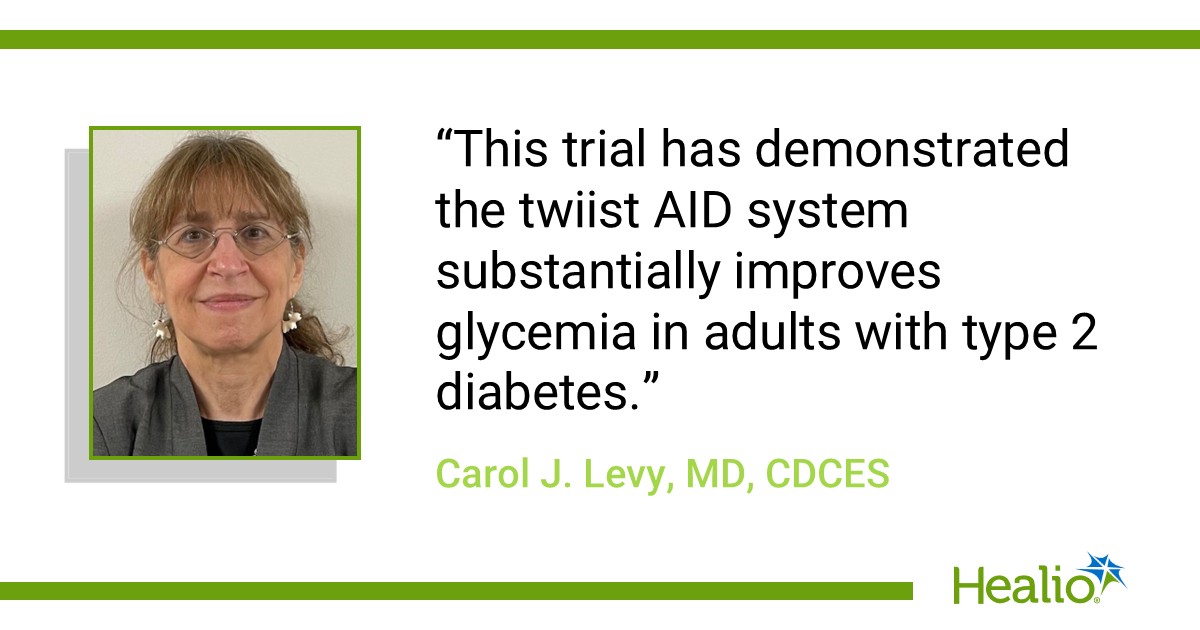
NEW ORLEANS — In adults with insulin-treated type 2 diabetes, an automated insulin delivery system conferred lower HbA1c and…

NEW ORLEANS — A next-generation automated insulin delivery algorithm was tied to improved glycemic outcomes compared with a…
NEW ORLEANS — Adults with type 1 diabetes had a similar time in range using automated insulin delivery with ultrarapid-acting…
NEW ORLEANS —Use of automated insulin delivery during hospitalization may improve glycemic outcomes for adults with…
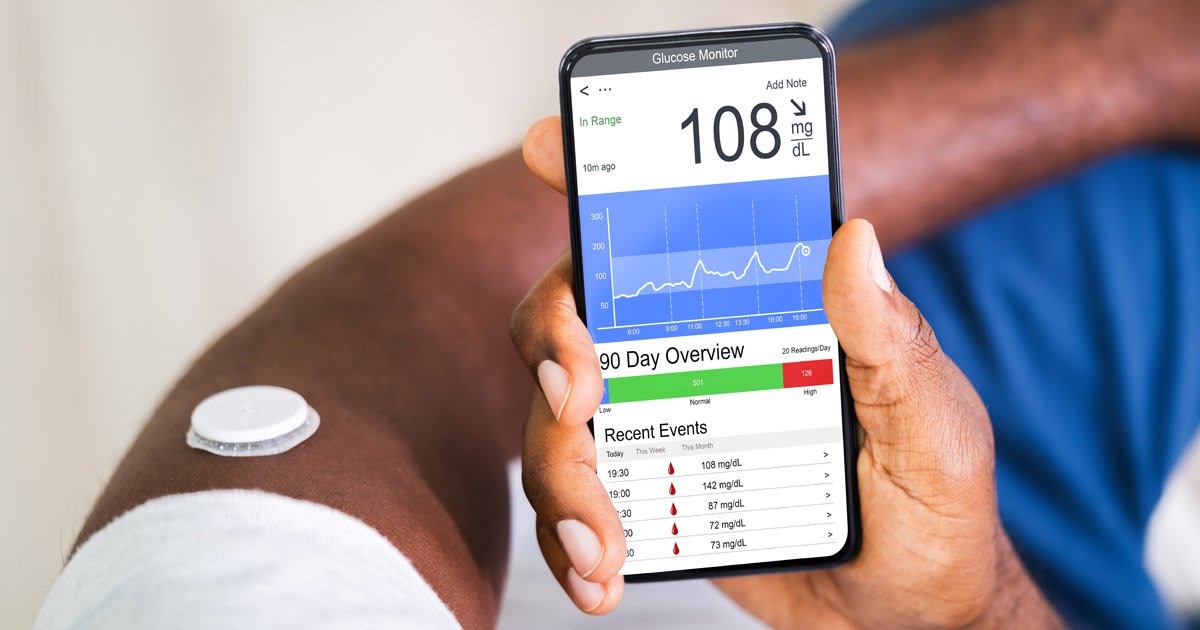
Children with type 1 diabetes had similar long-term glycemic outcomes with two different automated insulin delivery systems,…