in History | May 6th, 2026 4 Comments
More than a few medievalists object to the term “Dark Ages” as applied to the period in which they specialize. That can seem wishful in light of most comparisons between medieval times and the Renaissance that came afterward, or indeed, the era of the Roman Empire that came before. Consider the state of Europe as the fourth century began: “The great cities of antiquity were depopulated, some left in ruins,” says the narrator of the How So video above, telling the story of the continent’s political and linguistic fragmentation. “The Roman transportation system decayed, eroding communication and long-distance trade. Coins vanished, leaving no economic system to support professional armies. Literacy plummeted, crippling administrative systems. And most notably, peace and security were gone.”
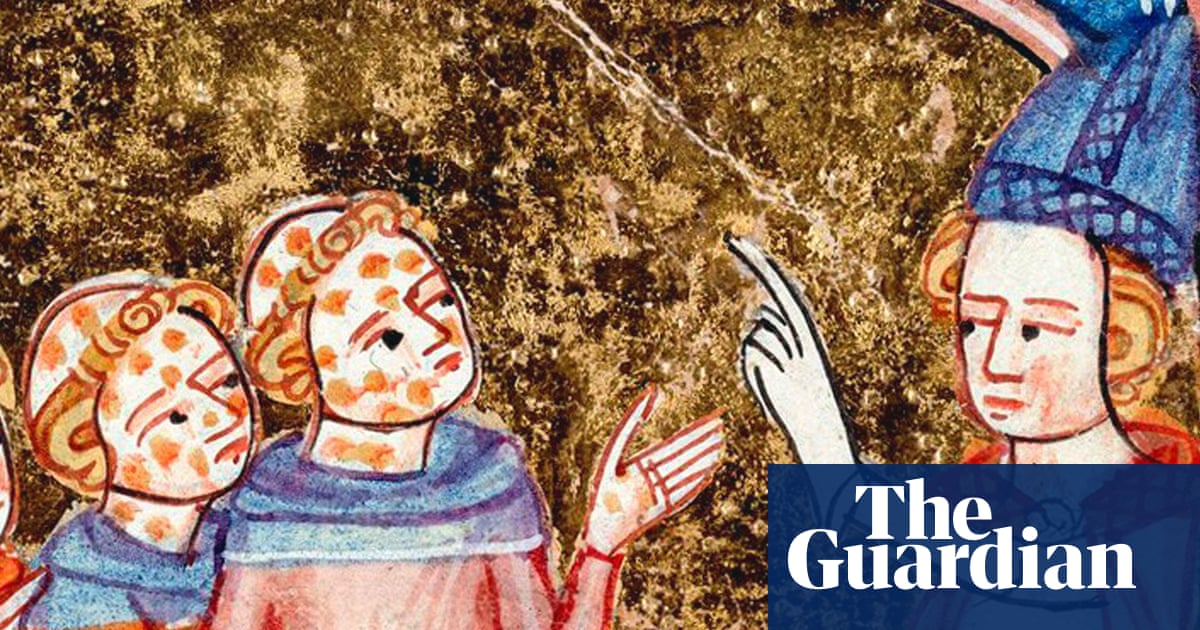
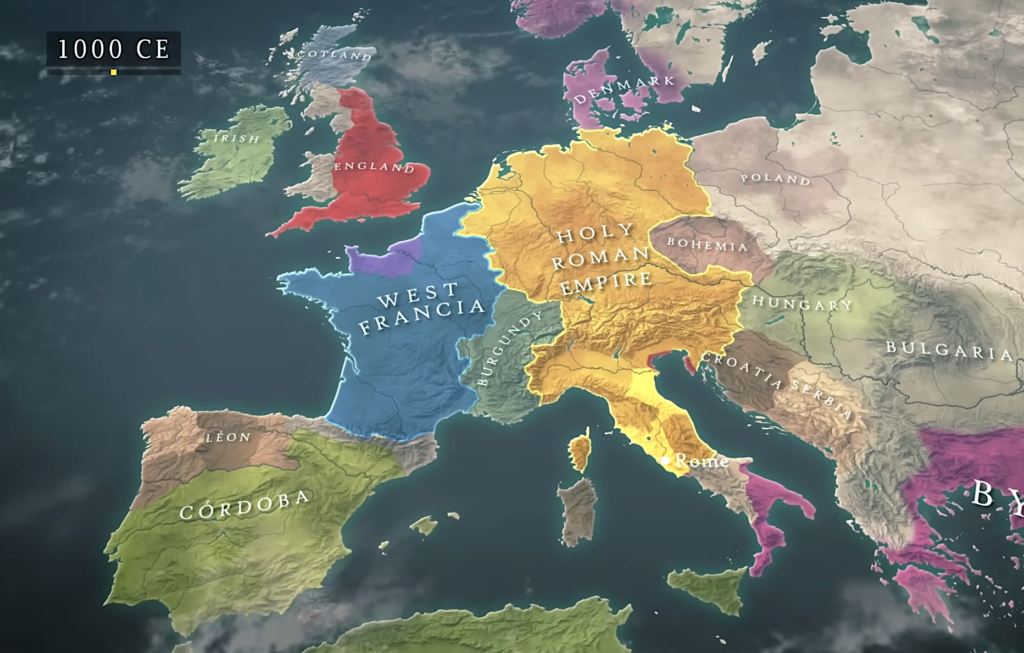
But there’s plenty more history to come thereafter: about a millennium’s worth, in fact, which the video covers in a mere twenty minutes. Events of note in that grand sweep include Justinian I’s attempt to expand the Byzantine Empire of the east; the creation and spread of the Islamic caliphate; Charlemagne’s unification of most of western Christendom; invasions by Vikings, Magyars, and Muslim raiders; the rise of castles and the feudal system that they came to symbolize; the creation of the Holy Roman Empire; the flourishing of cities and universities; and the Norman Conquest of England, as seen on the Bayeux Tapestry. There’s also the unpleasantness of the Black Death, which swept through Europe from the mid-fourteenth to the early sixteenth century — but as with other medieval disasters, the plague held the seeds of a civilizational rebirth.