in History, Technology | March 16th, 2026 Leave a Comment
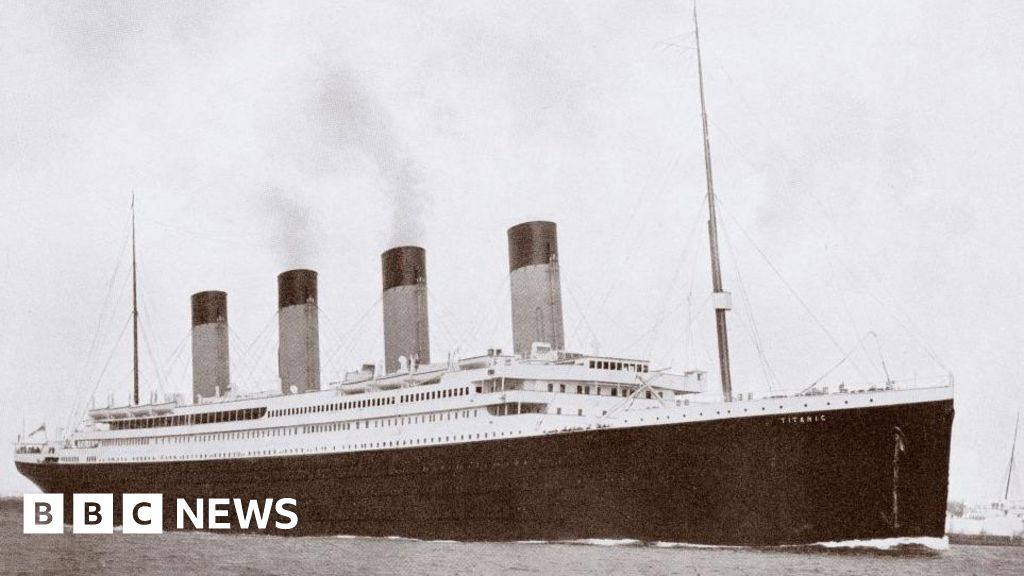
When many of us first learned of the RMS Titanic, it was presented first as one of history’s greatest ironies: the “unsinkable” ocean liner that went down on its maiden voyage. Of course, there’s a great deal more to the story, as anyone who becomes obsessed with the ill-fated ship (James Cameron being just one notable example) understands full well. Even apart from the many human experiences surrounding it, some of them told by the wreck’s survivors and preserved on film, the mechanical aspects of the Titanic hold out considerable fascination for anyone with an engineer’s cast of mind. Put aside, for the moment, the matter of the sinking, and consider just what went into making it one of the most glorious creations of man launched into the ocean to date — or rather, one of the three most glorious.
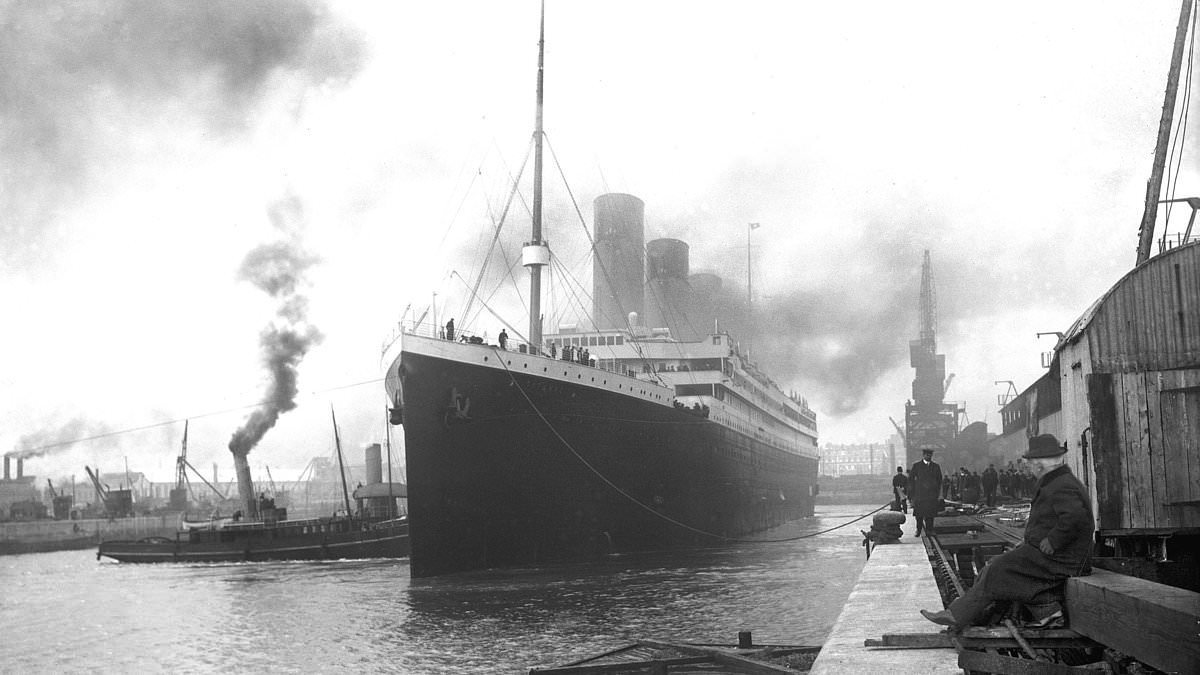
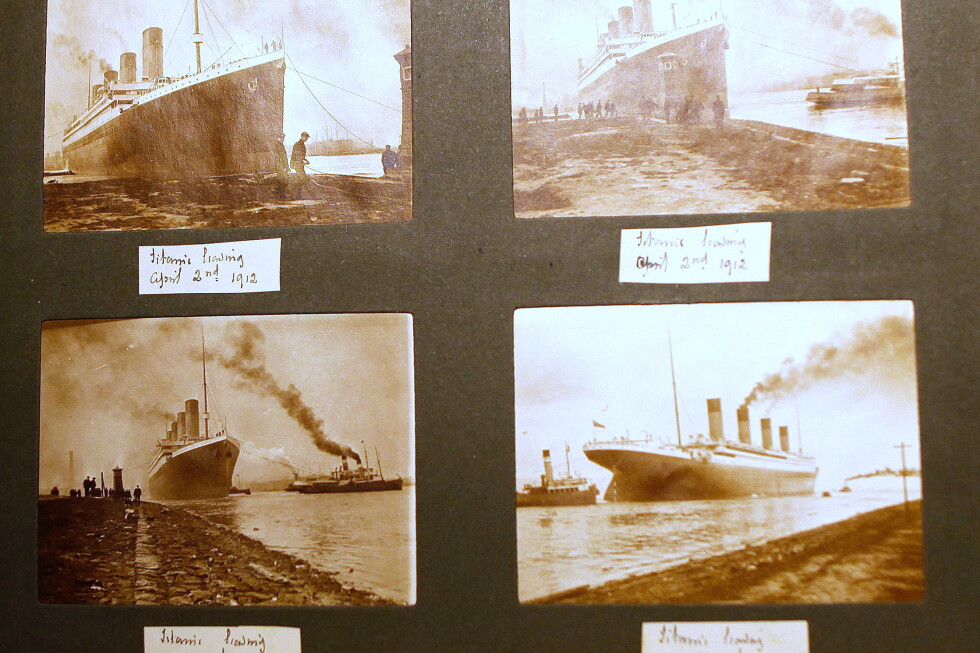
The Titanic was one of a trio of similar White Star Line ships completed in the early nineteen-tens. In the video above, Bill Hammack, known on YouTube as Engineerguy, tells the story of not just the Titanic, but also the Olympic and the HMHS Britannic. An engineering professor at the University of Illinois, he found in the campus library issues of the journal The Engineer published between 1909 and 1911 that contain detailed photographs of the construction of both the Titanic and Olympic, sister ships that were built side-by-side.