As AI‑native applications scale to more users, agents and devices, the telecommunications network is becoming the next frontier for distributing AI.
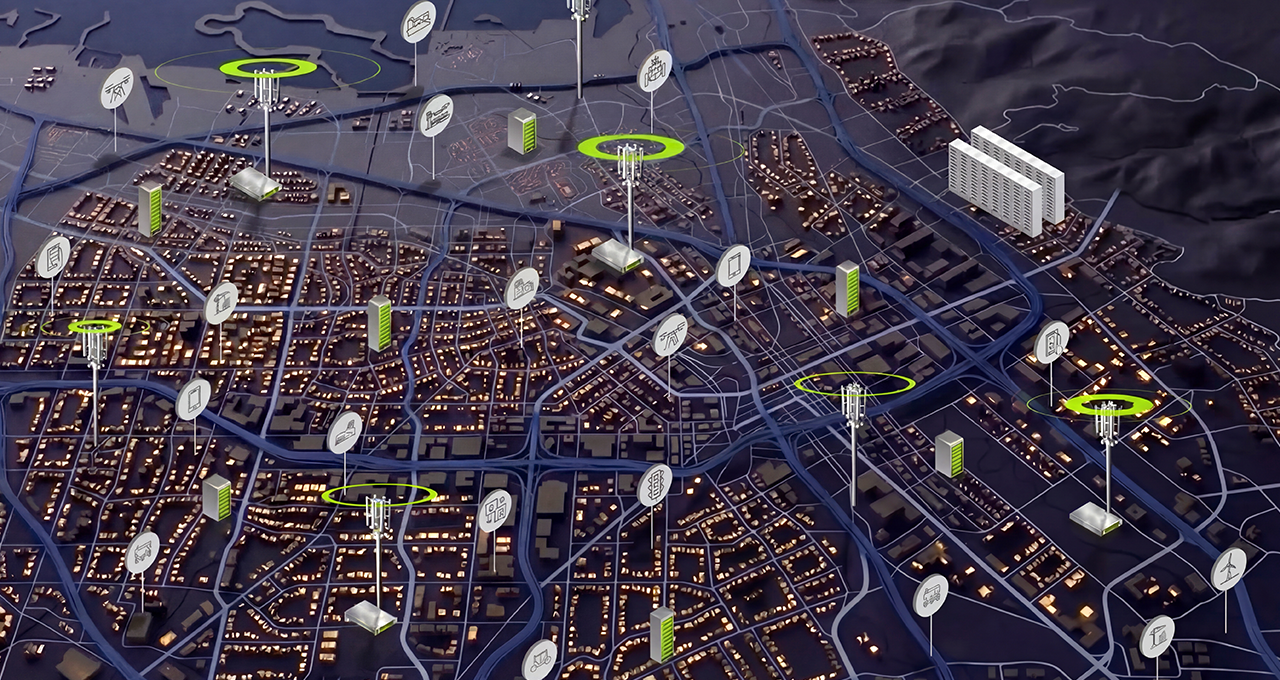
At NVIDIA GTC 2026, leading operators in the U.S. and Asia showed that this shift is underway, announcing AI grids — geographically distributed and interconnected AI infrastructure — using their network footprint to power and monetize new AI services across the distributed edge.
Different operators are taking different paths. Many are starting by lighting up existing wired edge sites as AI grids they can monetize today. Others harness AI-RAN — a technology that enables the full integration of AI into the radio access network — as a workload and edge inference platform on the same grid.
Telcos and distributed cloud providers run some of the most expansive infrastructure in the world: about 100,000 distributed network data centers worldwide, spanning regional hubs, mobile switching offices and central offices, with enough spare power to offer more than 100 gigawatts of new AI capacity over time.
AI grids turn this existing real-estate, power and connectivity into a geographically distributed computing platform that runs AI inference closer to users, devices and data, where response and cost per token align best. This is more than an infrastructure upgrade — it’s a structural change in how AI is delivered, putting telecom networks at the center of scaling AI rather than just carrying its traffic.