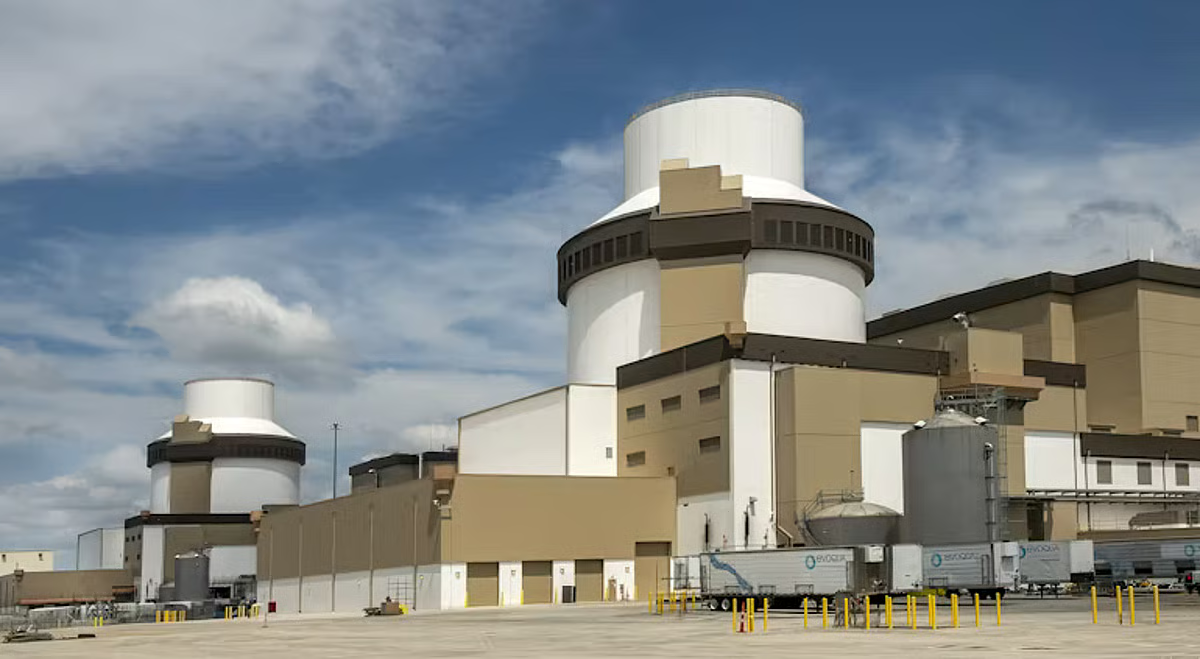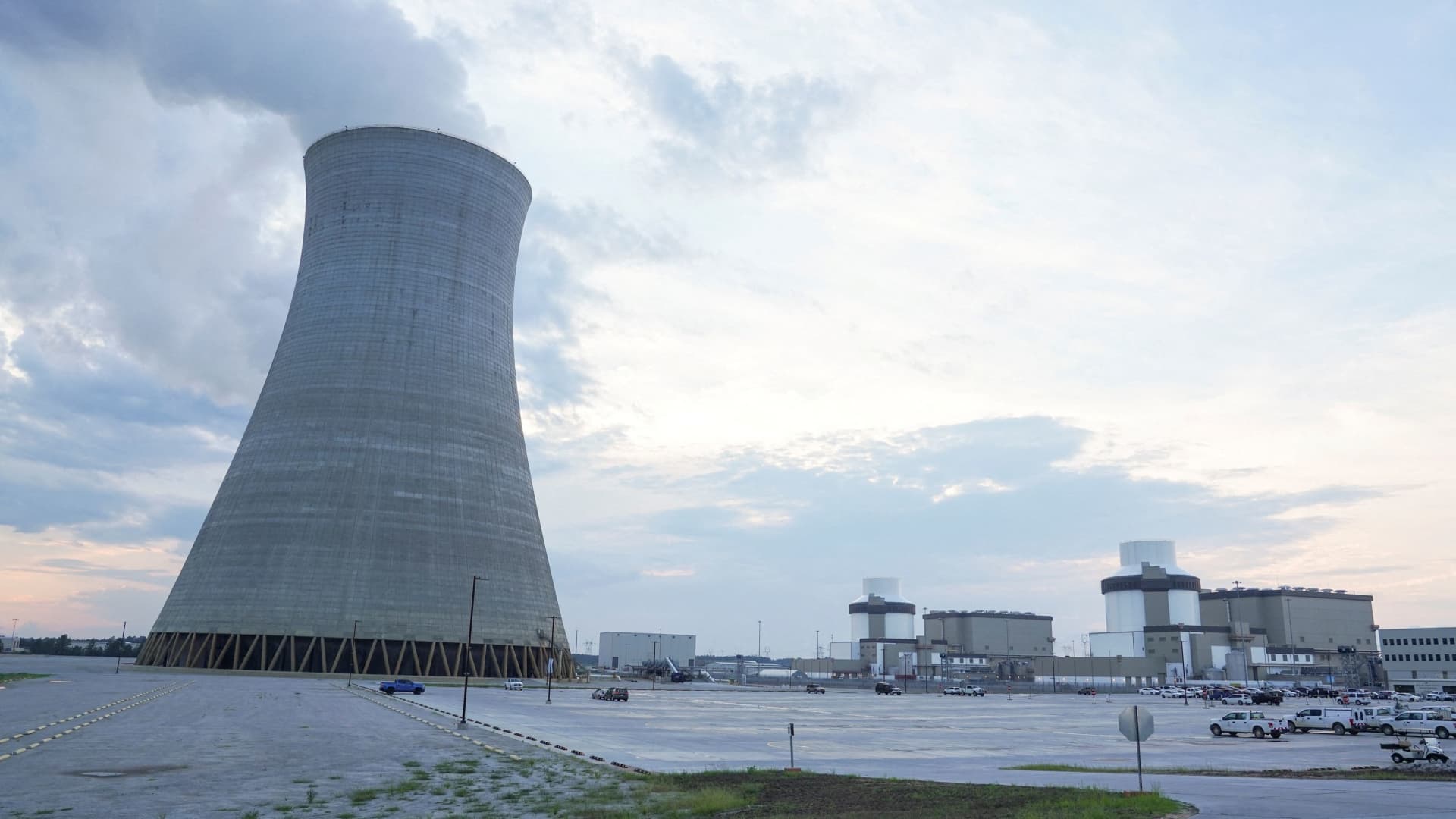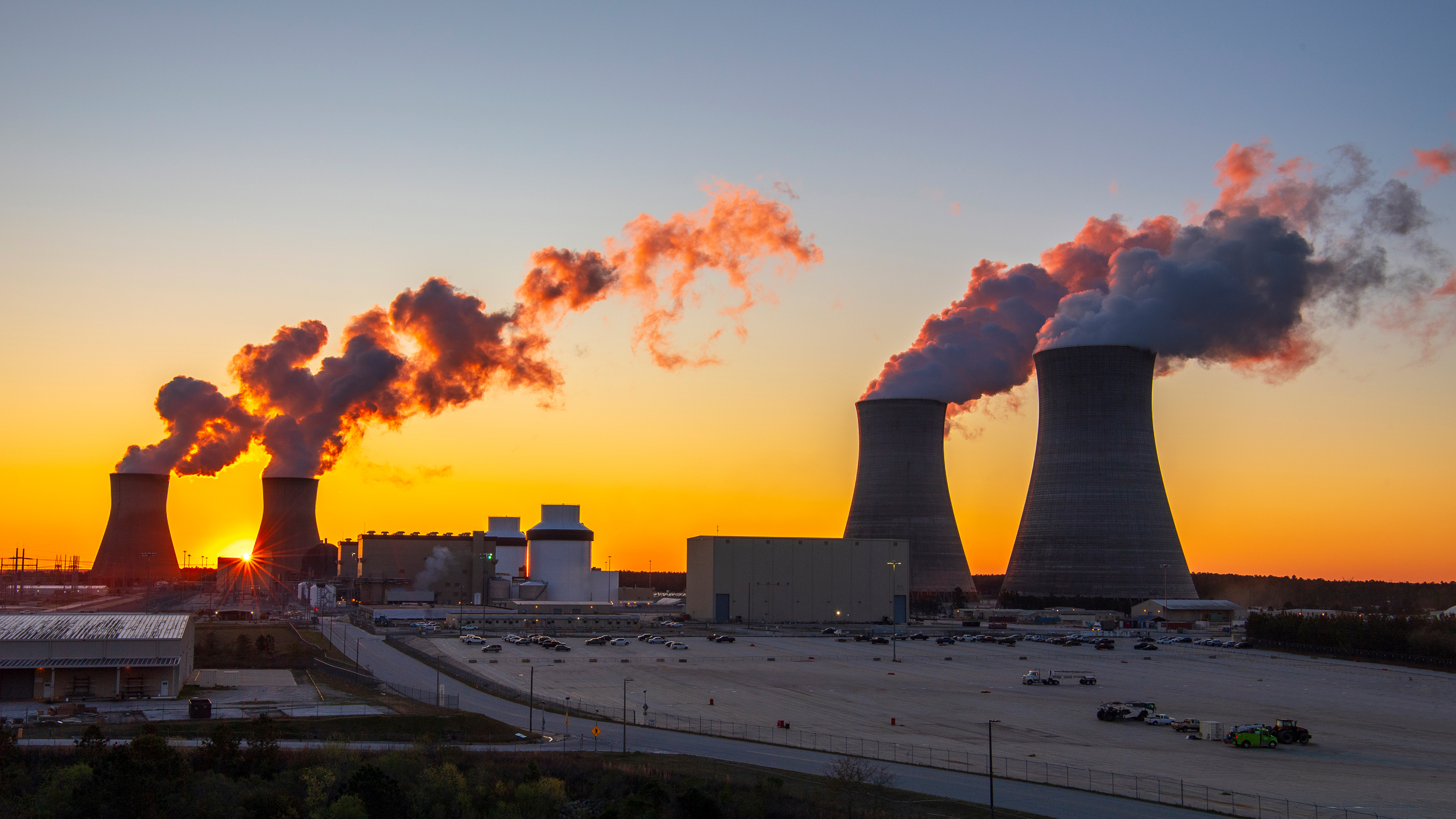
As states across the country weigh a new wave of nuclear energy, many in Georgia are urging caution. Two years after Plant Vogtle’s newest reactors came online there, customers are still paying for the project—and many say they are not getting their money’s worth.
Construction on Plant Vogtle in eastern Georgia began in 2009, marking the first new U.S. nuclear project in decades. It was expected to be completed by 2017 at a cost of about $14 billion. Instead, it became a case study in delays and cost overruns.
The expansion, led by Georgia Power and a group of smaller utilities, was meant to meet rising electricity demand while diversifying the state’s energy mix. Nuclear power, unlike fossil fuels, generates electricity without direct carbon emissions.
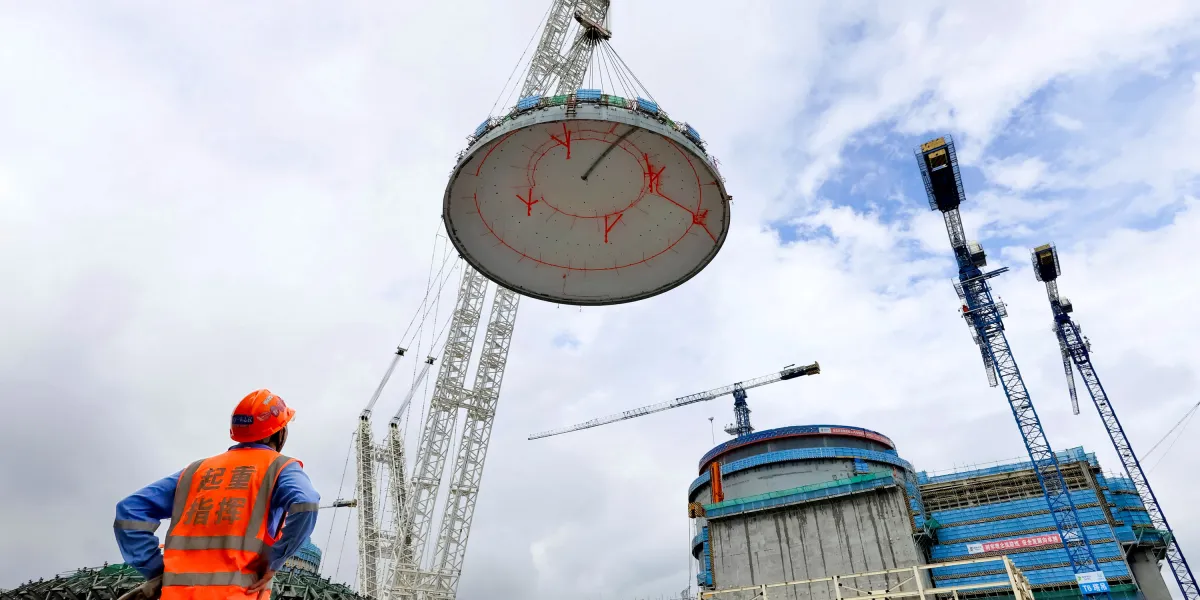
But from the start, the project faced setbacks. The utilities hired Westinghouse Electric Co. to design and build the reactors using its new AP1000 technology—an untested design at the time in the United States. Construction was plagued by wiring problems, faulty components and defects in parts built offsite, driving up costs and pushing back timelines. In 2017, with overruns mounting, Westinghouse filed for bankruptcy protection.
Afterward, Georgia Power and its partners took over construction. The project was ultimately completed in 2024—seven years behind schedule—at a final cost of $36.8 billion, making it the most expensive power project in U.S. history.