Reporting for this story was supported by the Pulitzer Center. Sarah Mattalian is a 2025 Reporting Fellow.
The heavy downpours that bring roughly 90 inches of rainfall to Las Marías, Puerto Rico, each year subside in the first few weeks of December, the start of the dry season. Even as the rainfall decreases, rain still comes on a near-daily basis, often in short bursts that cause mist to rise from the tropical mountainside forests. The rain makes it easy for rainbows to form above the hills where the municipality is nestled.
But the precipitation causes more than iridescence in the sky. The region where Las Marías is located, on the west side of the archipelago’s main island, about 90 miles from San Juan, is elevated and prone to landslides. Heavy rainfall cascades into swollen rivers, carrying nutrient-dense soil with it. Water that could be used for drinking and agriculture picks up sediment, making water filtration—already a challenge for most rural communities across Puerto Rico—even harder.
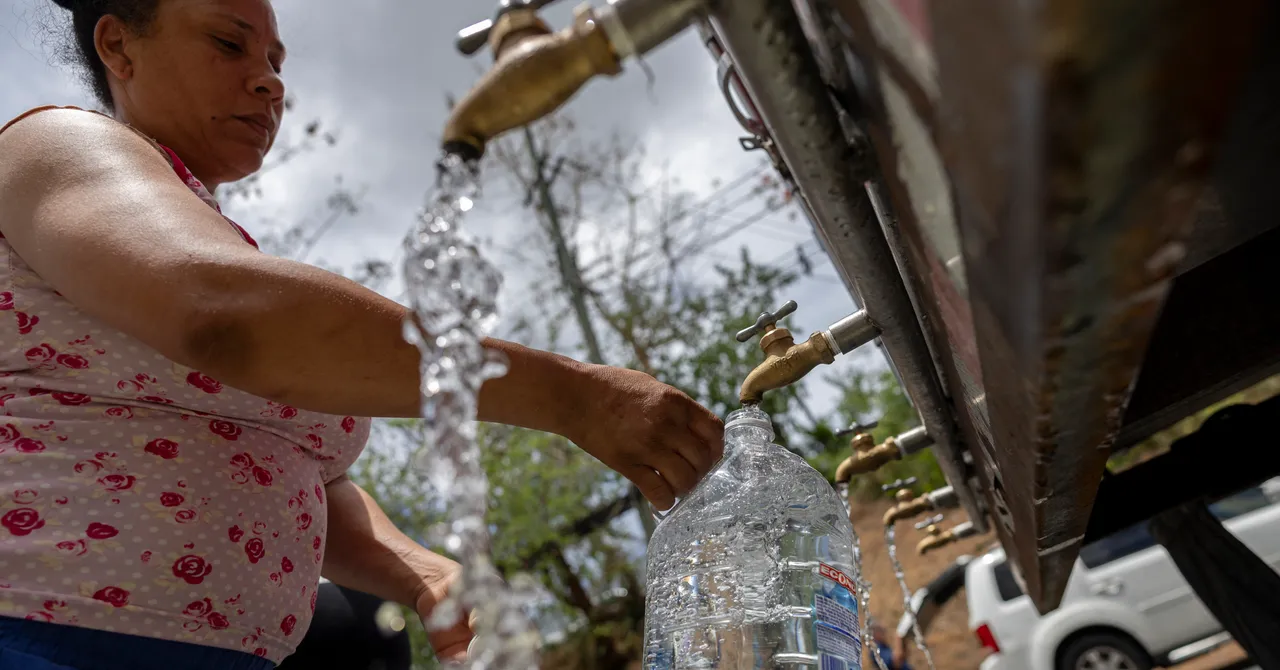
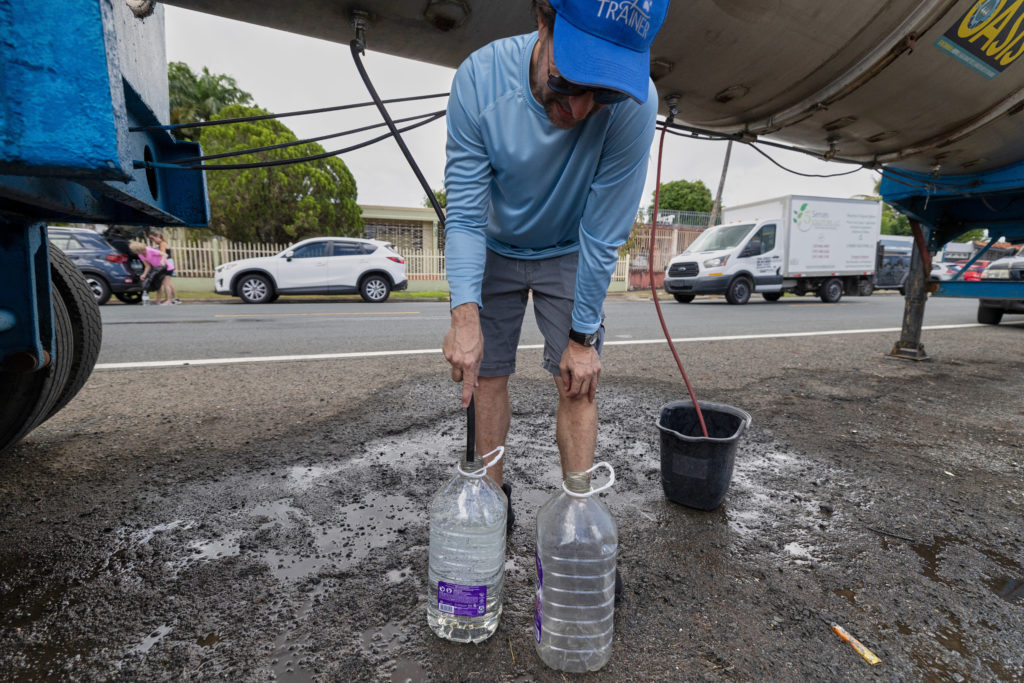
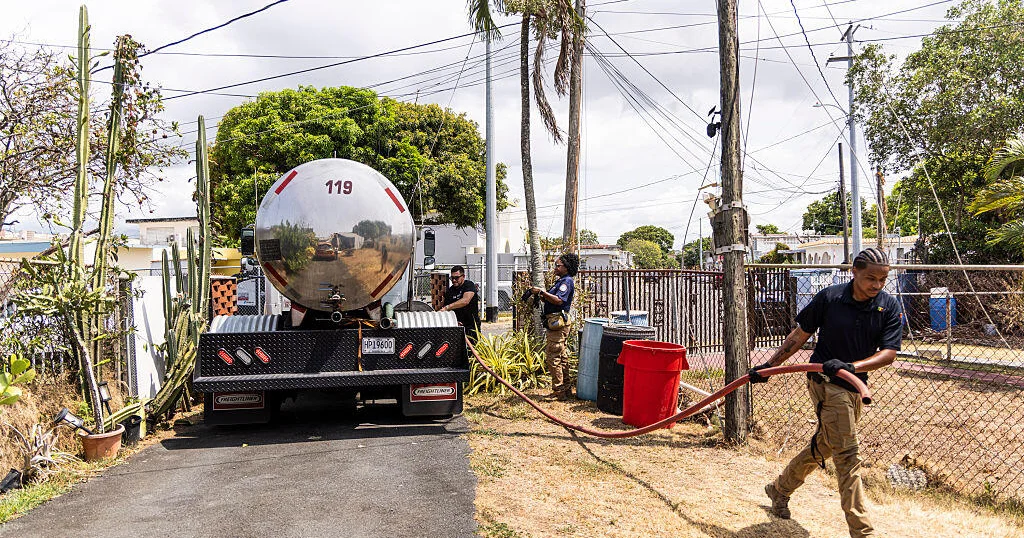
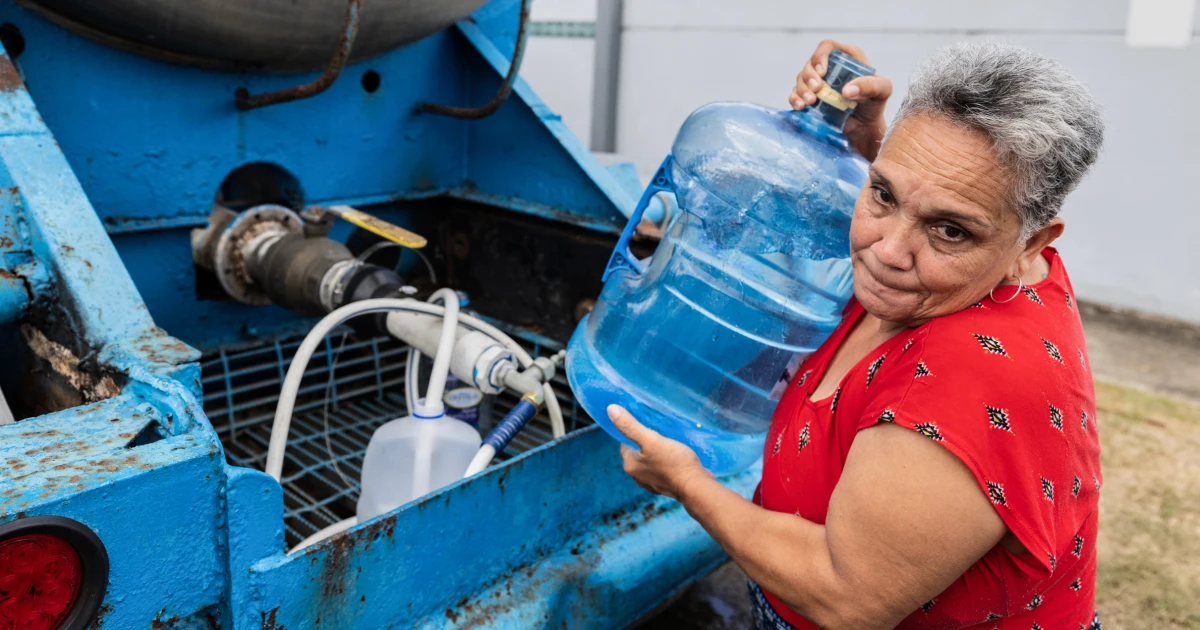
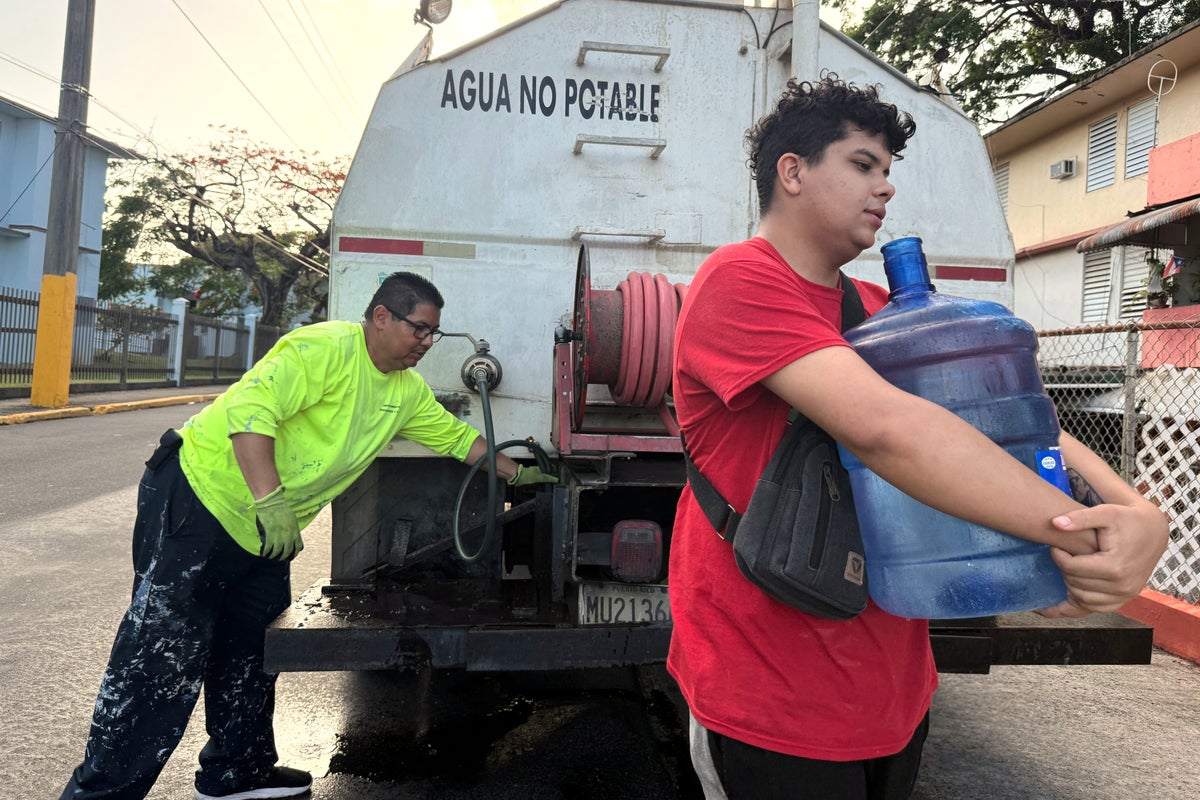
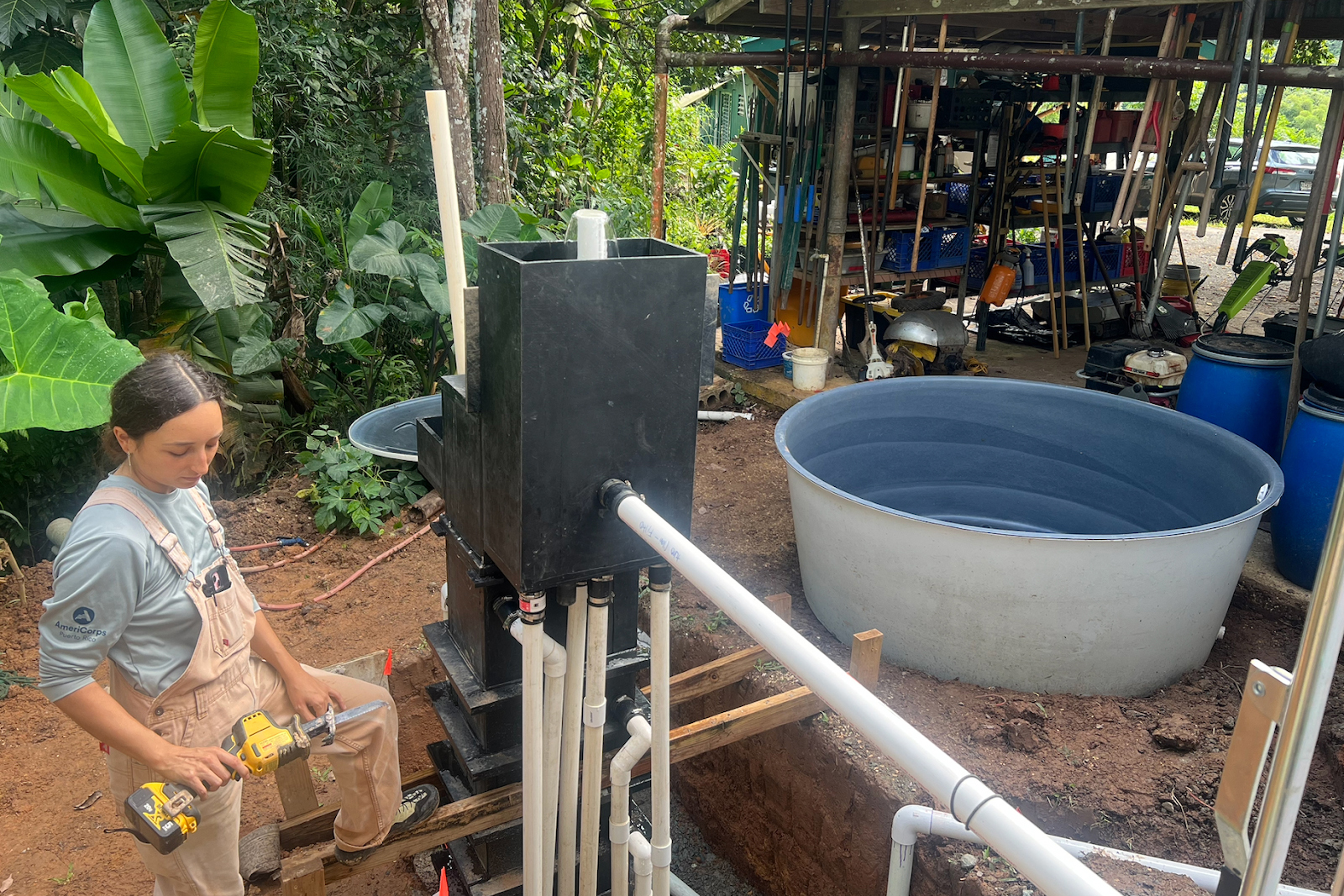
Rural communities within municipalities like Las Marías are often not connected to the Puerto Rico Aqueduct and Sewer Authority (PRASA), which owns and operates 95 percent of the public water supply and wastewater systems in the archipelago. These places, sometimes referred to as non-PRASA communities, rely on locally operated systems for potable water.