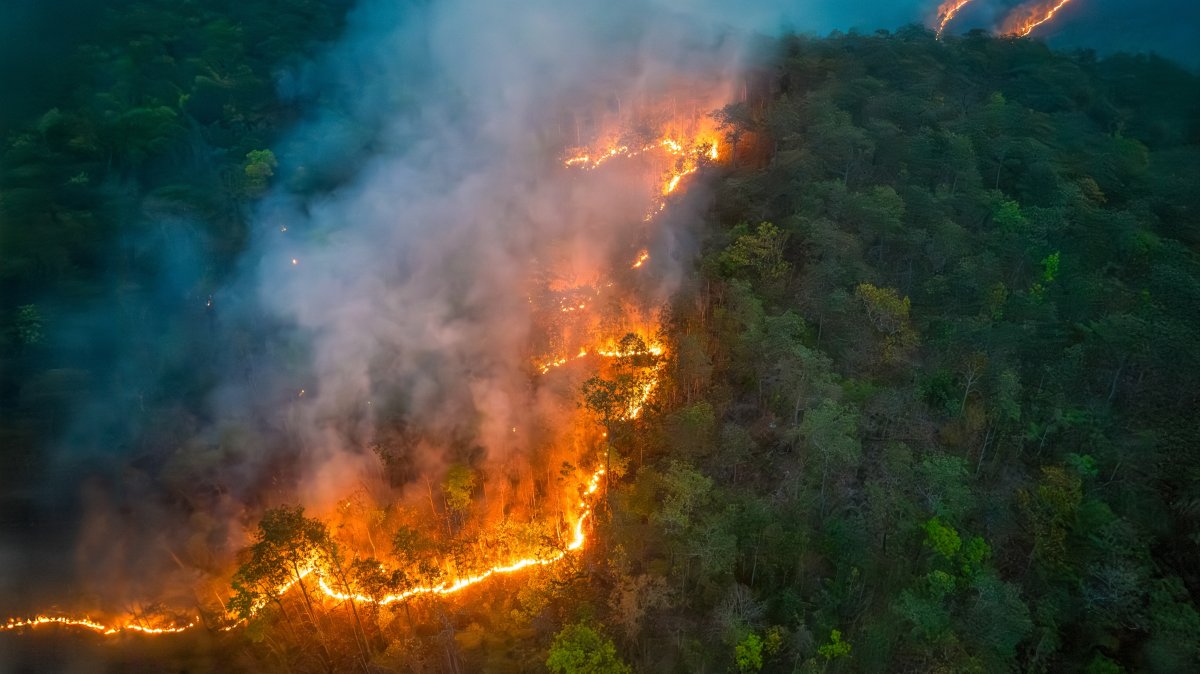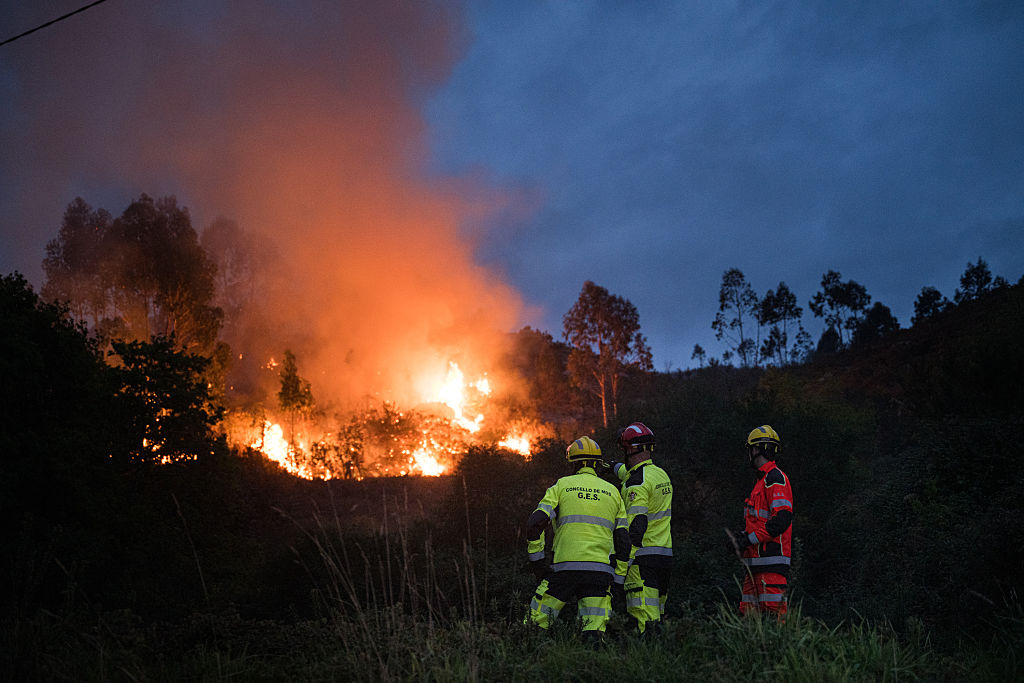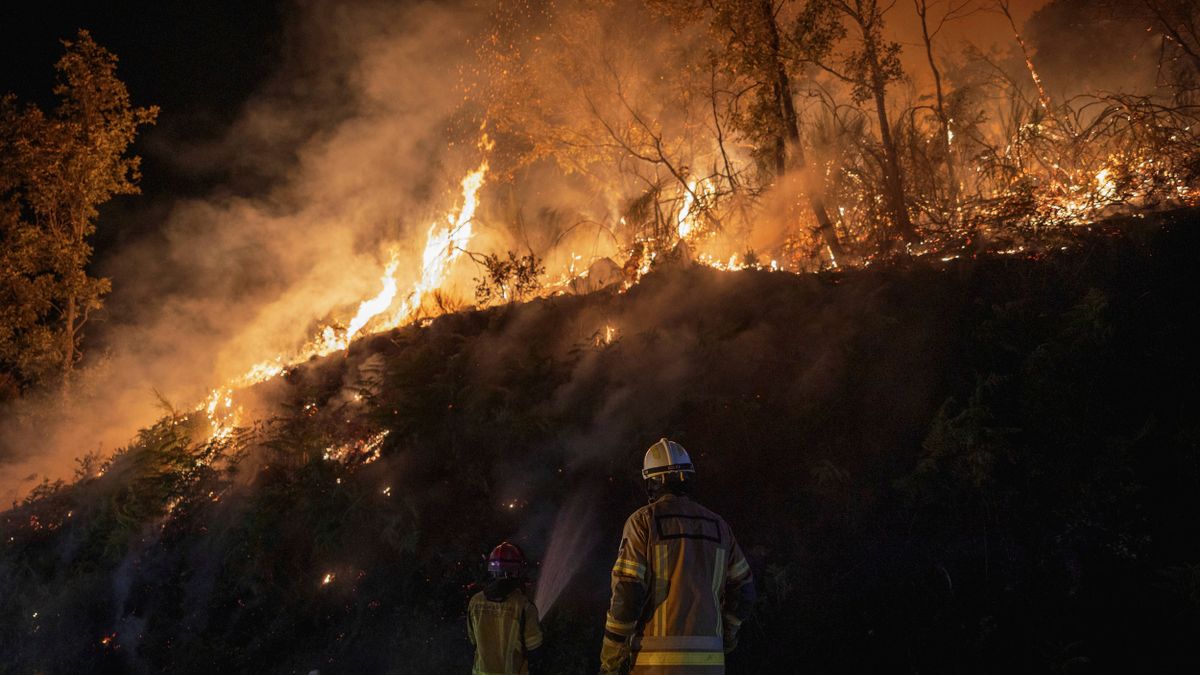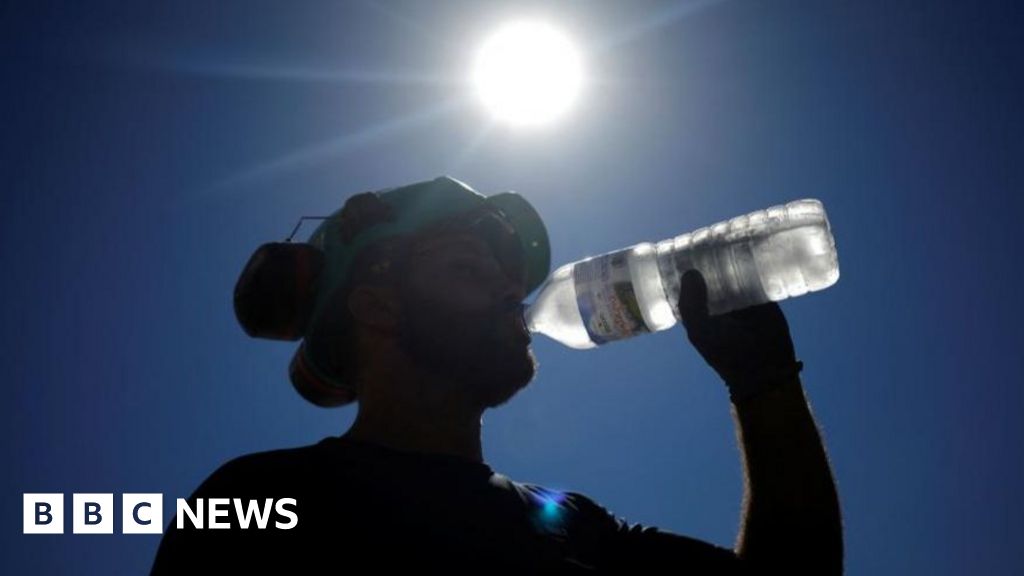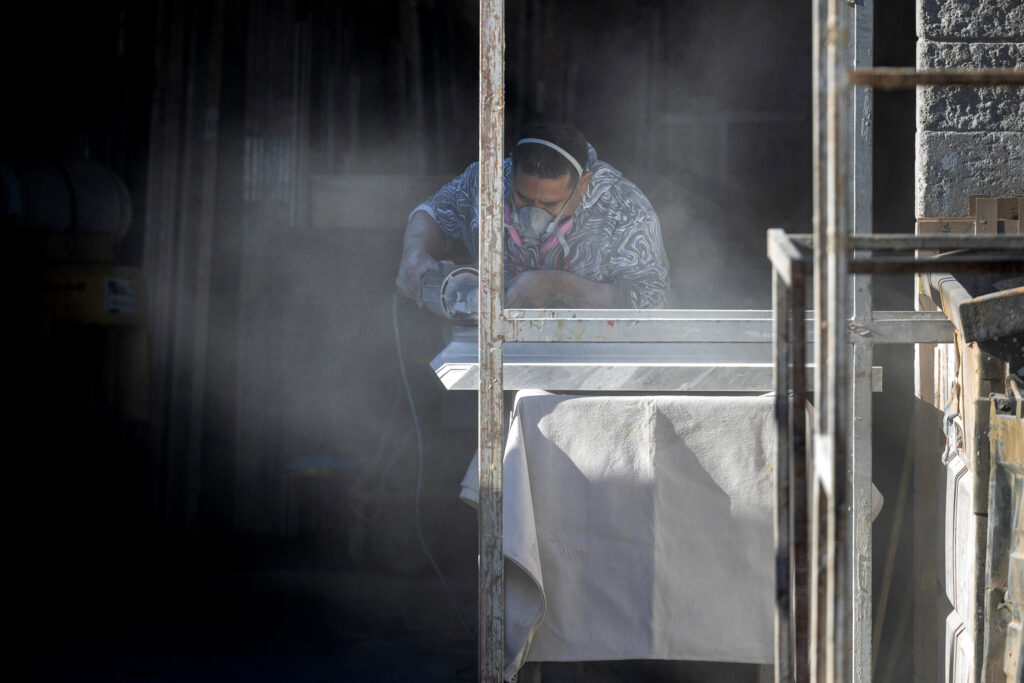
Every year, hundreds of millions of people around the world suffer from workplace injuries or illnesses, and nearly 3 million die from job-related accidents or exposures. Climate change is making many jobs even more dangerous, exposing millions of workers to excessive heat and toxic wildfire smoke each year, yet the World Health Organization has not made worker health one of its core priorities.
The well-being of the world’s nearly 4 billion workers depends on the WHO making workplace health a global priority, say senior leaders of national and global occupational health and safety organizations. They’re counting on delegates to the World Health Assembly, the WHO’s top decision-making body, to make sure the agency enshrines worker health in its strategic plans when they meet in Geneva starting May 18.
The WHO is ignoring occupational health and safety just as climate change, emerging pandemics and migration expose workers to new risks, the Global Occupational Safety and Health (GOSH) coalition said in a position paper last year.
Occupational health and safety has not gotten the attention it deserves for years, said GOSH coalition member Emanuele Cauda, a faculty member at the University of Pittsburgh focused on occupational hygiene. “We’re trying to raise awareness of the fact that leaving out occupational and safety protection for the workers is going to be a public health issue globally,” Cauda said.