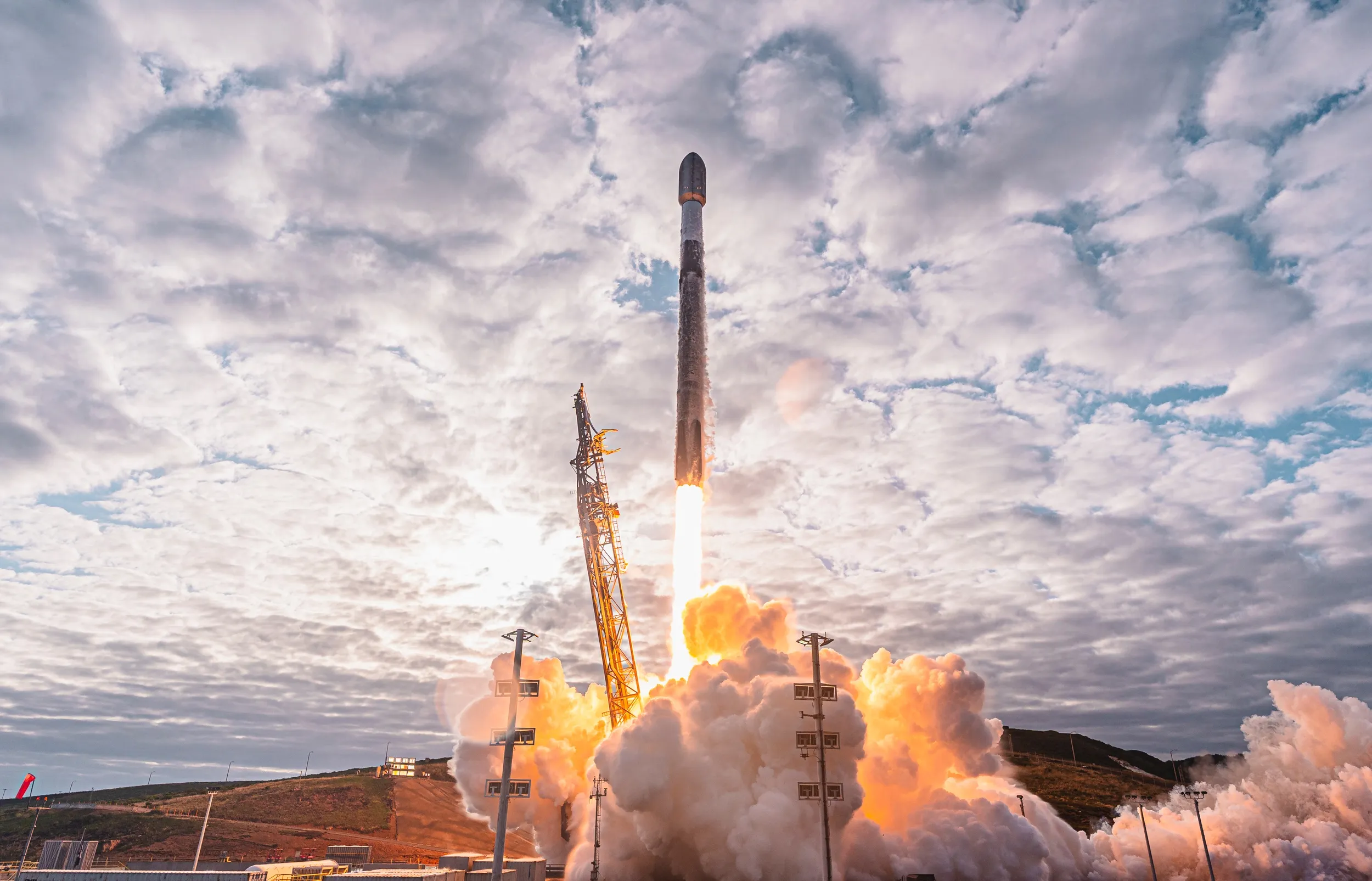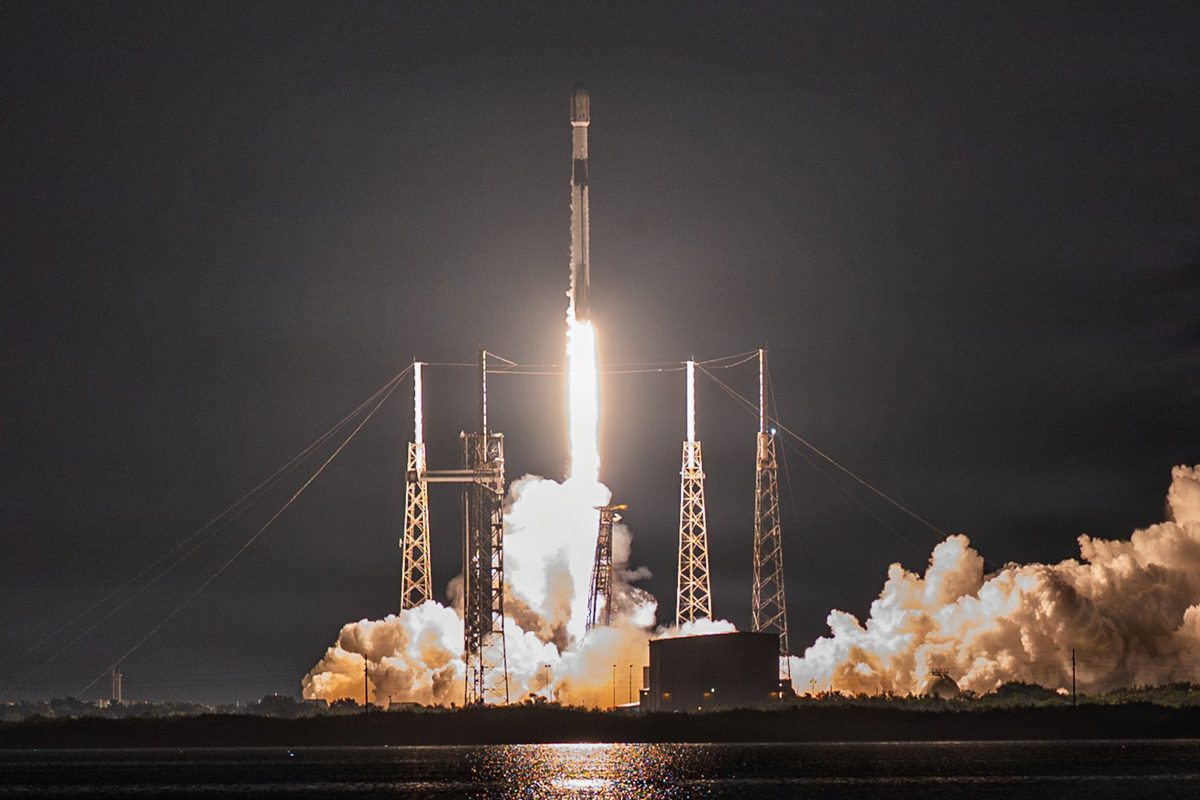
The ecological impact of rocket launches has long been a concern. Some fuel systems, such as the solid rocket boosters used by NASA's Space Launch System, release vast quantities of damaging chlorine into the atmosphere.
20 years ago, an estimated 0.6-per-cent increase in global stratospheric chlorine was directly attributed to NASA’s annual activity, leading to global ozone depletion of about 0.1 per cent per year.
The rate of ozone depletion has only increased since then, despite a decrease in the use of solid rocket fuel, and now stands at about 0.15 per cent per year.
A more recent study showed that a conservative growth in rocket launches will push this rate of deterioration to 0.17 per cent by 2030. In a worst-case scenario, an enormous increase in rocket launches would push it to 0.29 per cent.
The 1987 Montreal Protocol phased out the use of halocarbons (compounds in which carbon is bonded to halogens, such as fluorine or chlorine) in a bid to limit damage to the ozone.