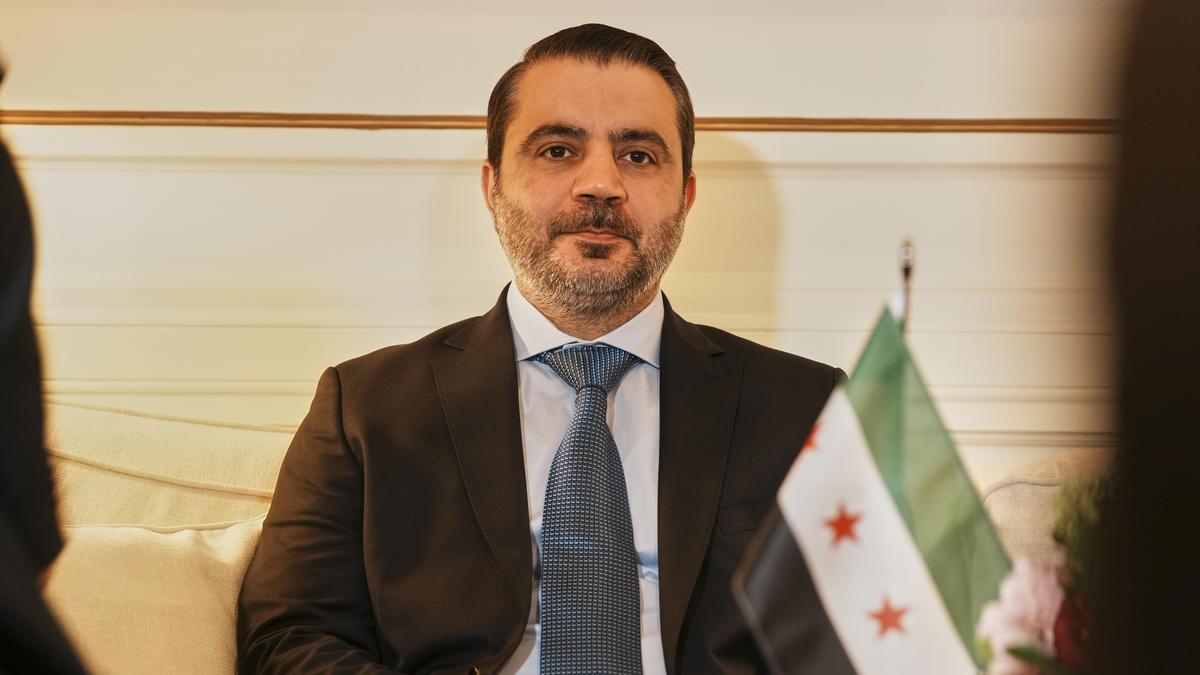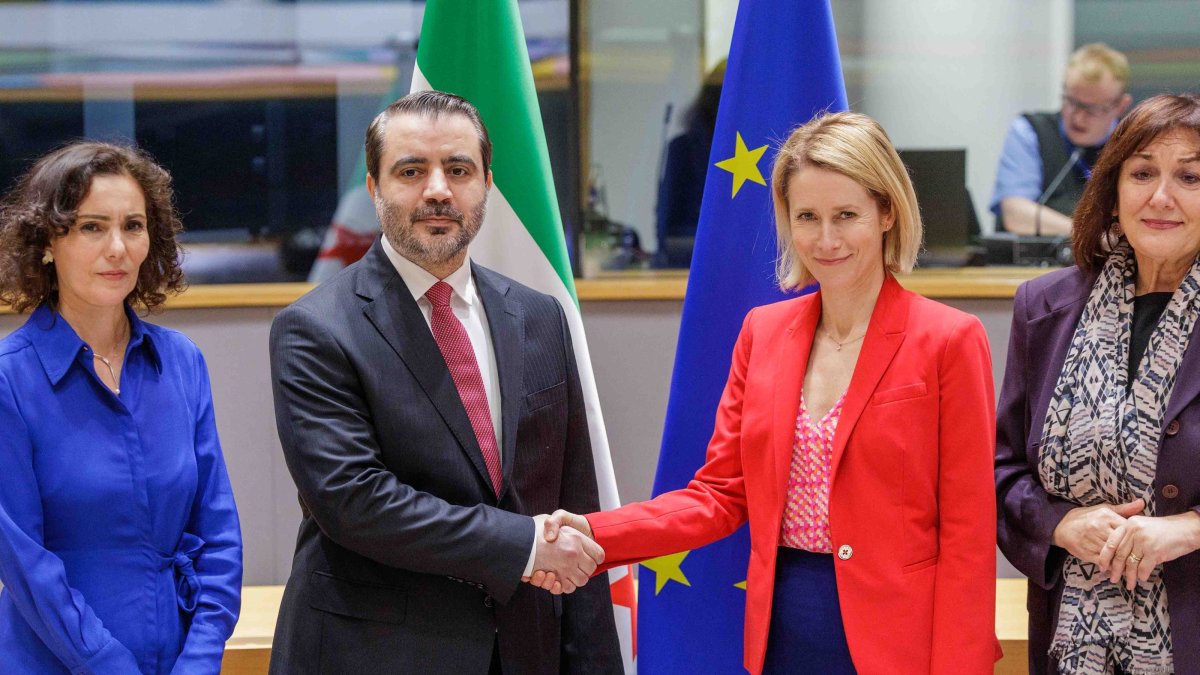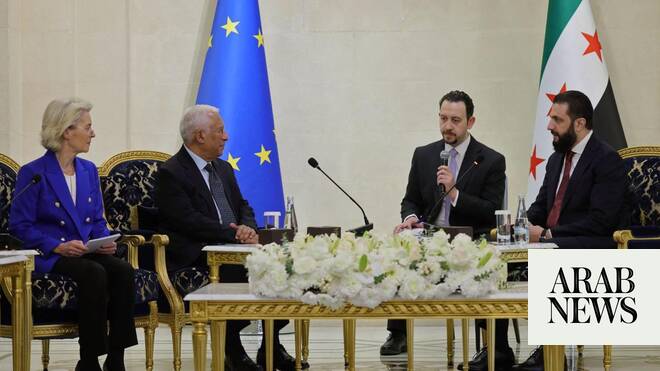
On May 11, Syrian Foreign Minister Asaad al-Shaibani, European Union High Representative for Foreign Affairs Kaja Kallas, and European Commissioner for the Mediterranean Dubravka Šuica all plan to meet in Brussels for a EU-Syria High-Level Political Dialogue. This formal and structured talk—a first since the fall of Bashar al-Assad—marks deeper bilateral engagement and a step toward a closer partnership, against the backdrop of regional reconfiguration after more than two months of war.
Over the past year, the EU has worked on reshaping its relationship with Damascus and lifting most of its sanctions. The regional restructuring presents opportunities for Syria and the EU to strengthen their partnership and cooperation, boosting Syria’s position as a strategic intersection of energy and trade routes and fostering synergies with other European partnerships in the Middle East.
Syria, which has not been involved in the recent conflict across the region, has appeared as a stable and constructive actor. But its stability is fragile and partly reliant on economic recovery. And the prospects for that recovery are tied in large part to Gulf states, which have pledged billions of dollars of investment to support the reconstruction of Syria but bore the brunt of economic disruption caused by the Iranian attacks. As the conflict subsides, they are likely to prioritize rebuilding their destroyed oil and gas infrastructure, strengthening their defense capacity, and diversifying their strategic partnerships, which may translate into less money for for Syria.