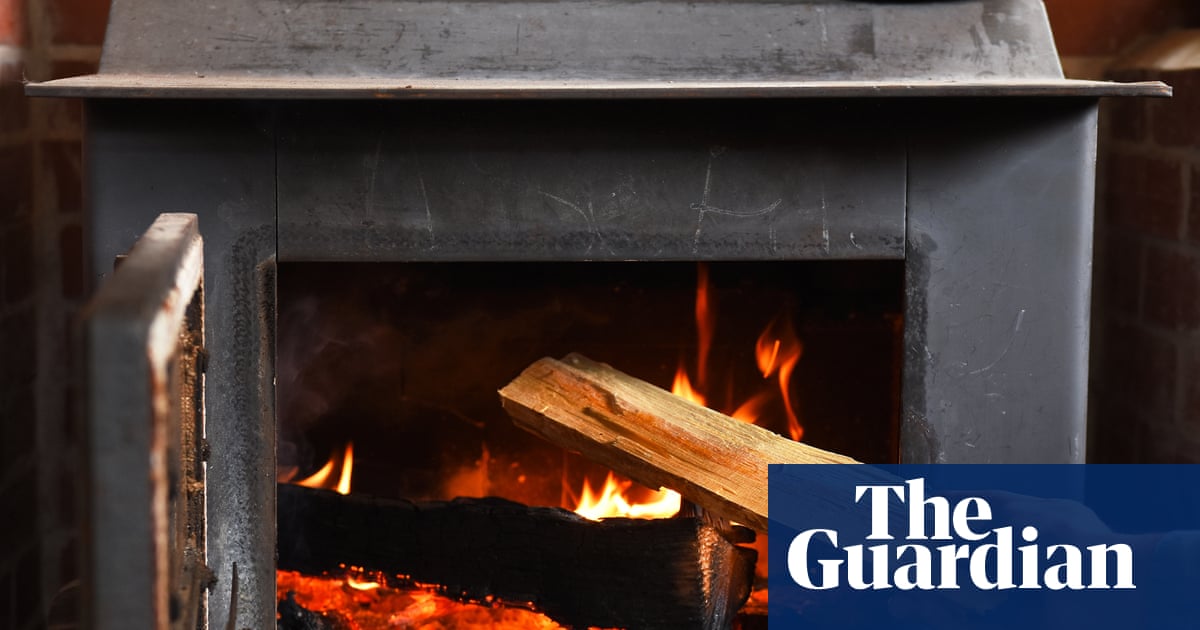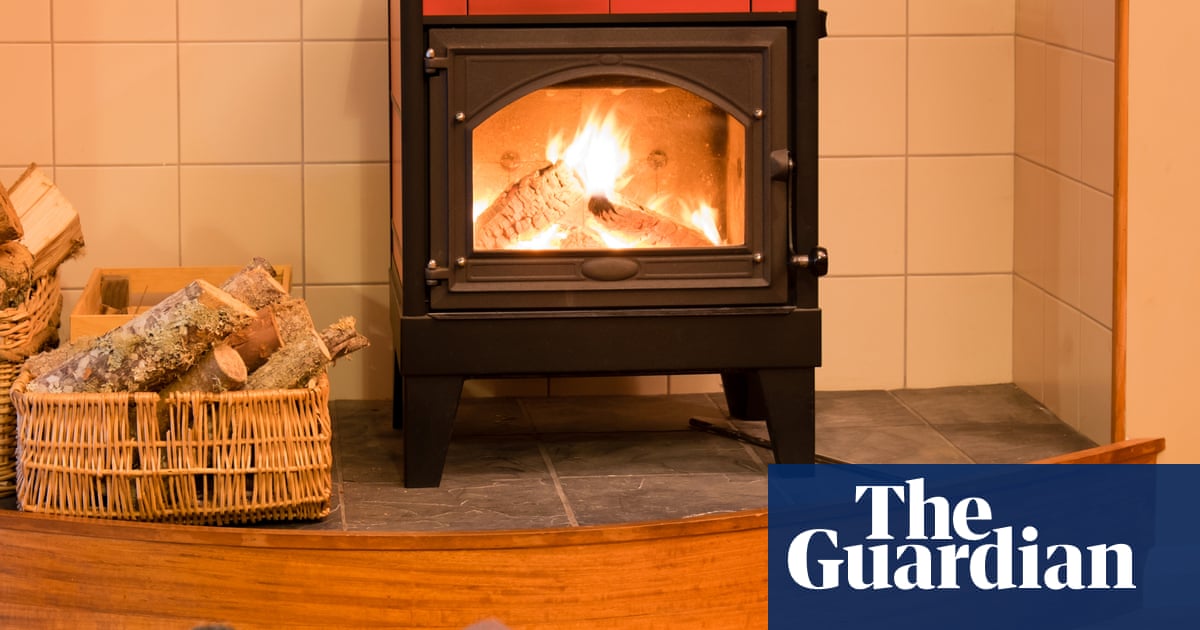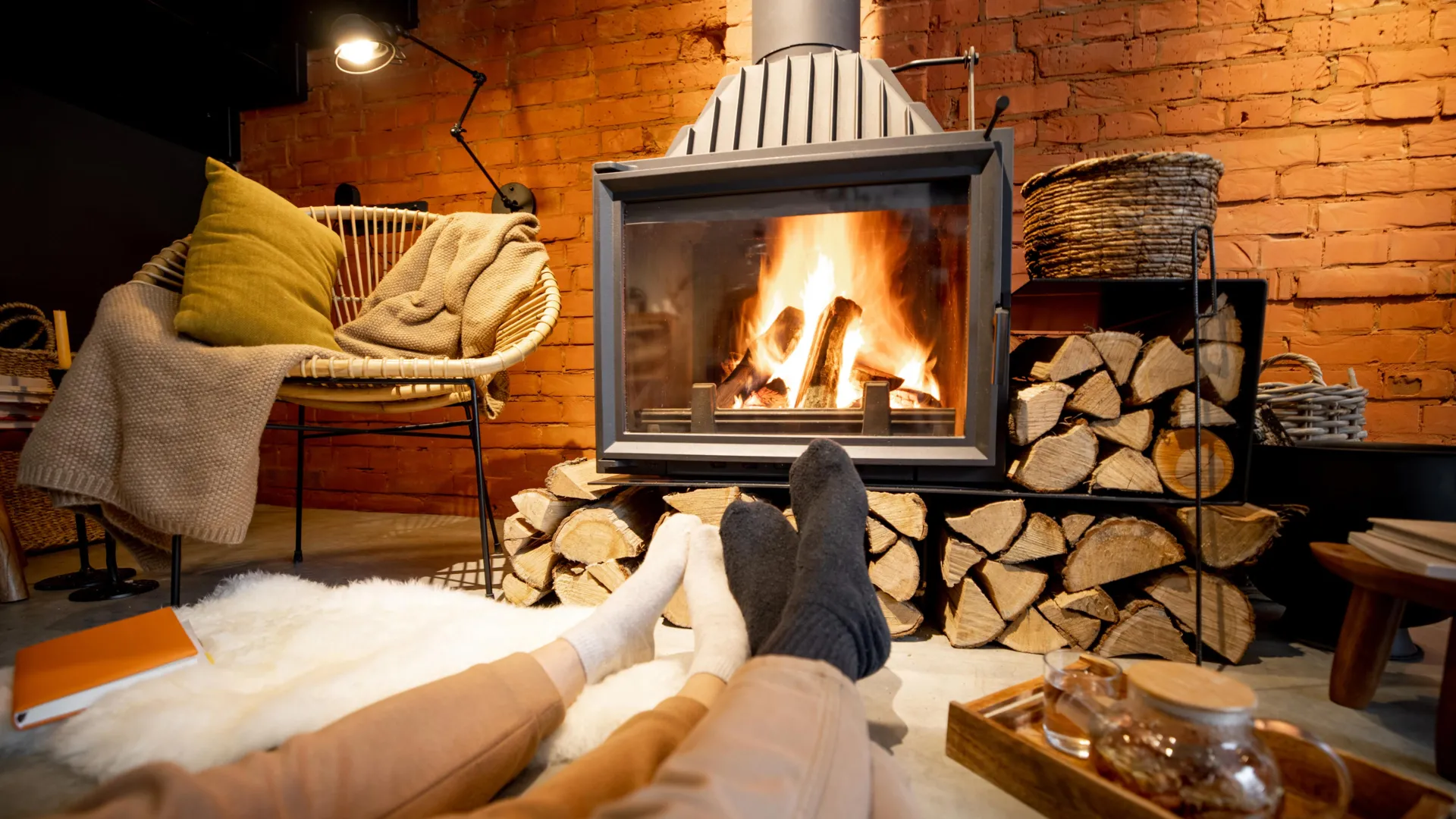
Adding a log to a glowing fireplace on a cold winter night often feels comforting and harmless. However, new research from Northwestern University shows that burning wood inside homes plays a much larger role in winter air pollution across the United States than many people realize.
The study found that even though only 2% of U.S. households use wood as their main source of heat, residential wood burning is responsible for more than one fifth of Americans' winter exposure to outdoor fine particulate matter (PM2.5).
These microscopic particles are small enough to travel deep into the lungs and enter the bloodstream. Long term exposure has been linked to serious health problems, including heart disease, lung disease, and premature death. Based on their analysis, the researchers estimate that pollution from residential wood burning is associated with about 8,600 premature deaths each year.
Urban communities face the greatest risks
One of the study's most unexpected findings is where the greatest harm occurs. People living in cities are affected more than those in rural areas. The health impacts also fall disproportionately on people of color, who tend to burn less wood but experience higher exposure levels and greater health risks from wood smoke. The researchers point to higher baseline mortality rates and the lasting effects of past discriminatory policies as key factors behind this disparity.