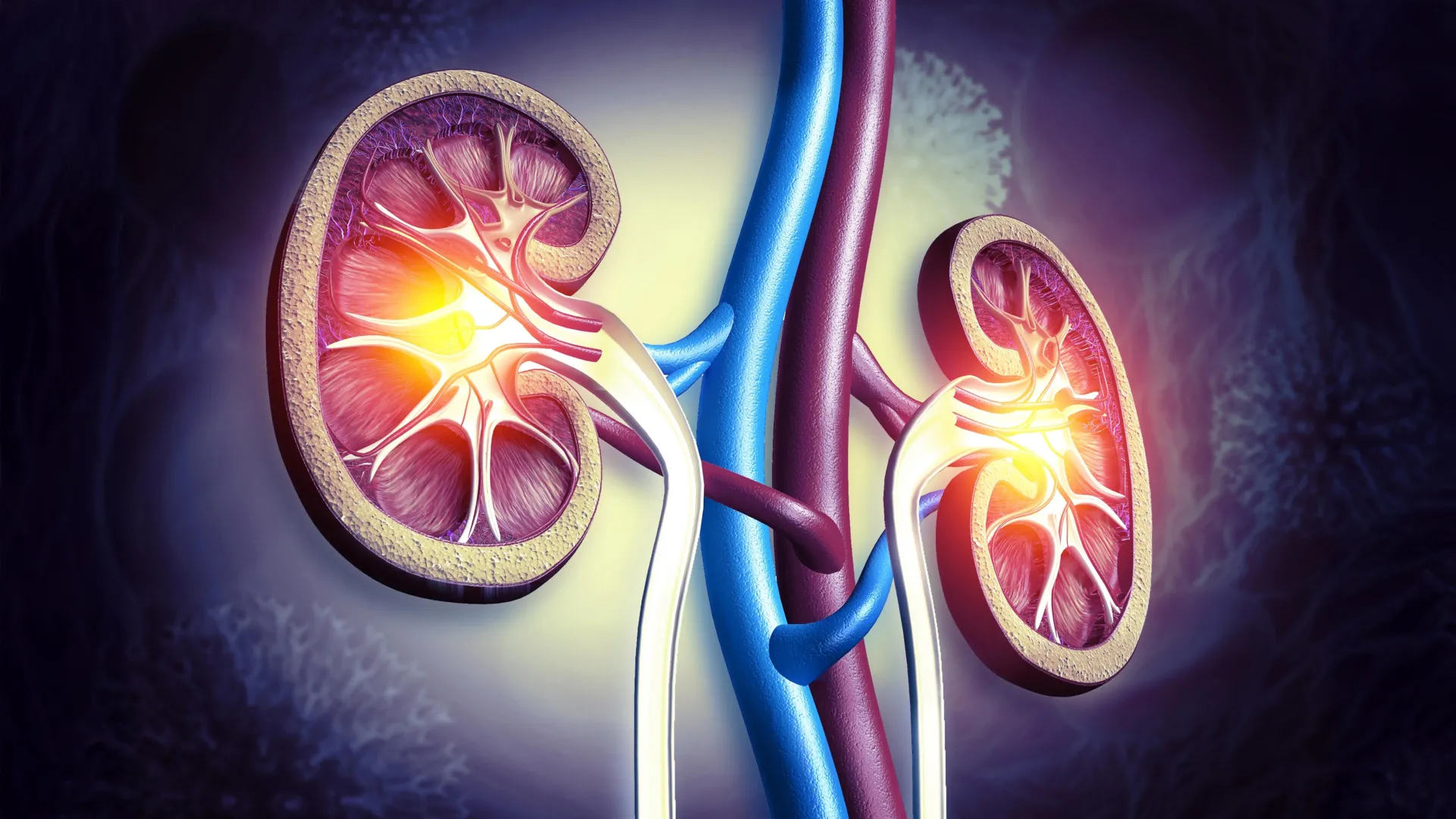
Chronic kidney disease (CKD) affects hundreds of millions of people worldwide and is one of the leading causes of kidney failure. As the disease progresses, many patients eventually need dialysis to survive. While current treatments can help slow damage, there are still no approved medications that directly restore kidney function.
Researchers at Tohoku University Graduate School of Medicine uncovered an unexpected possibility involving a drug that has long been used to treat constipation. In a clinical trial, the medication lubiprostone appeared to slow the decline of kidney function in patients with moderate CKD, raising hopes for an entirely new approach to kidney disease treatment.
"We noticed that constipation is a symptom that often accompanies CKD, and decided to investigate this link further," explains Abe. "Essentially, constipation disrupts the intestinal microbiota, which worsens kidney function. Working backwards, we hypothesized that we could improve kidney function by treating constipation."
The Surprising Gut Kidney Connection
Doctors have increasingly focused on what researchers call the "gut kidney axis," the complex relationship between intestinal bacteria and kidney health. People with CKD often experience constipation and imbalances in gut microbes, which can contribute to inflammation and the buildup of harmful compounds in the body.