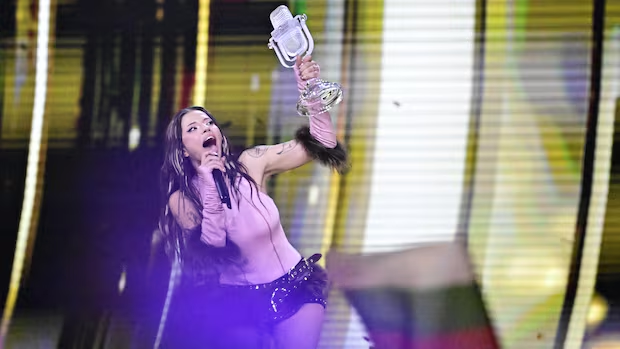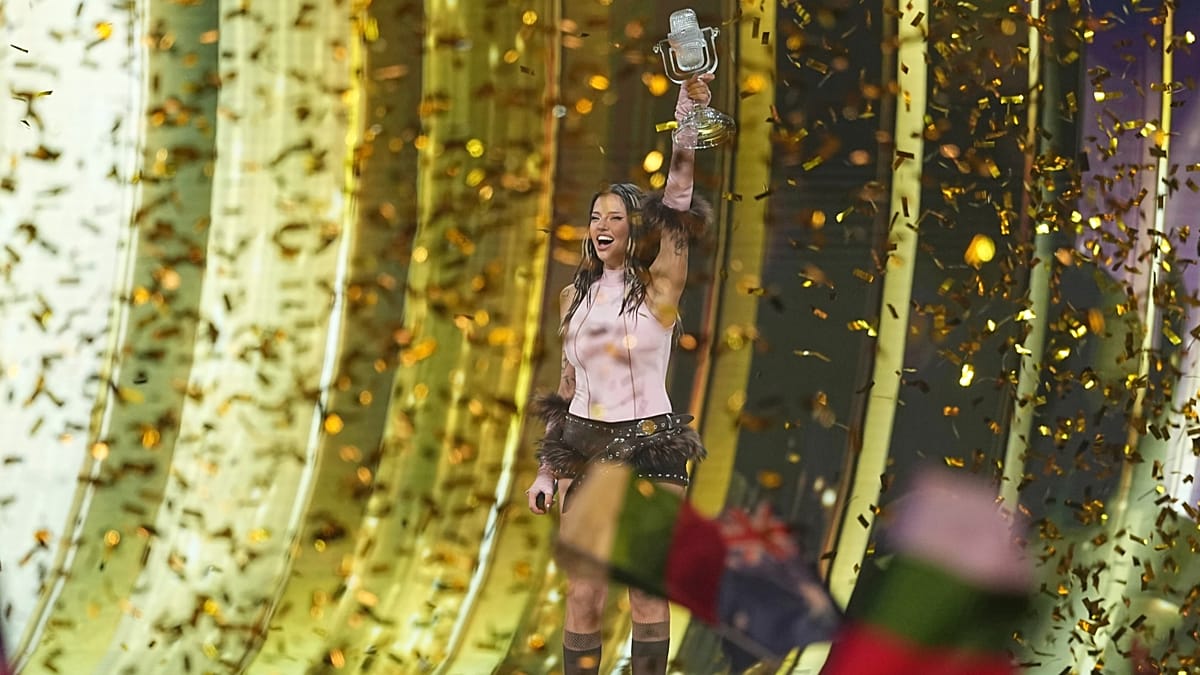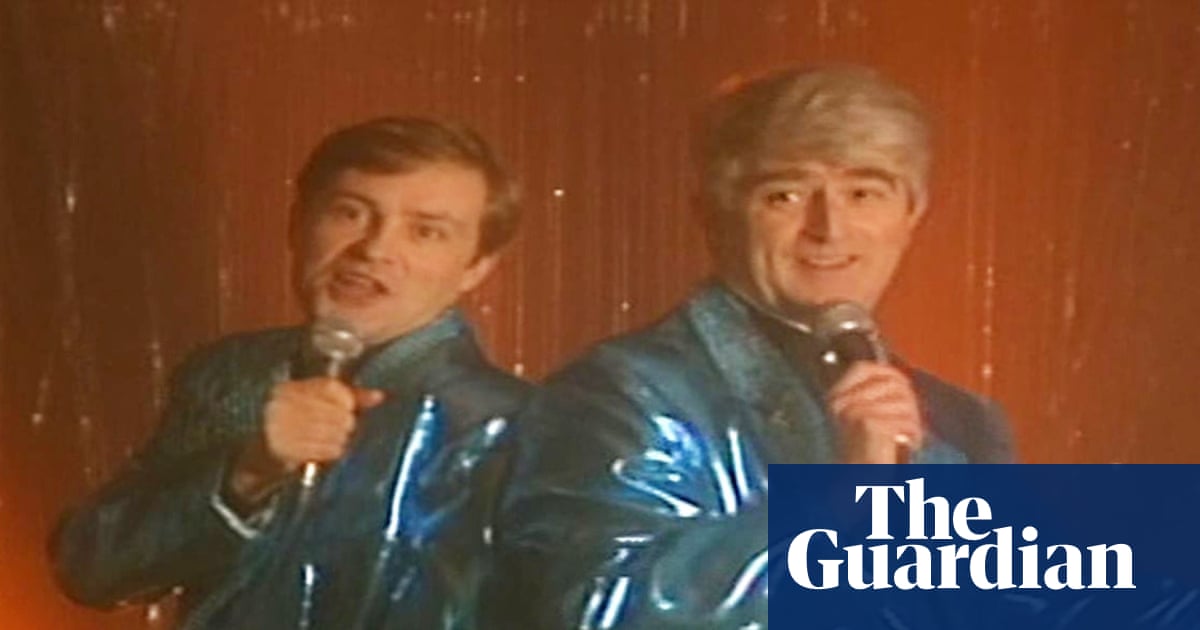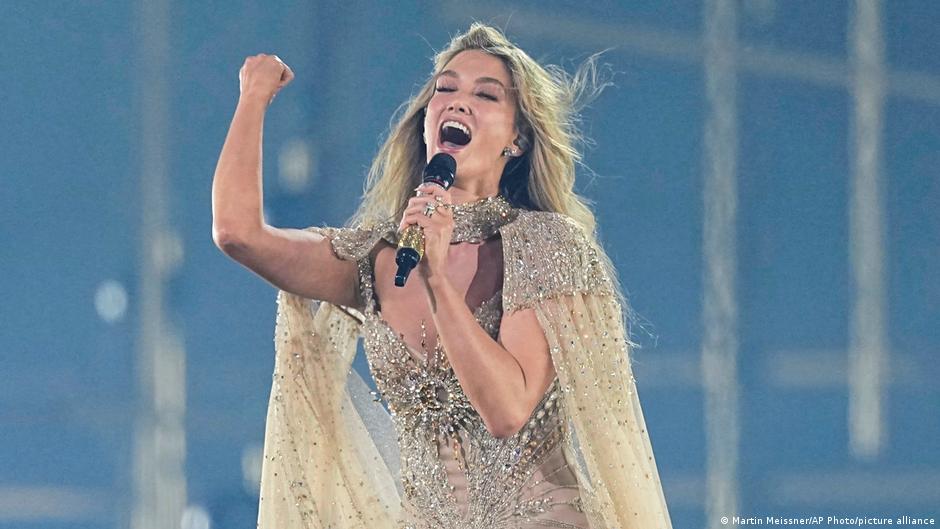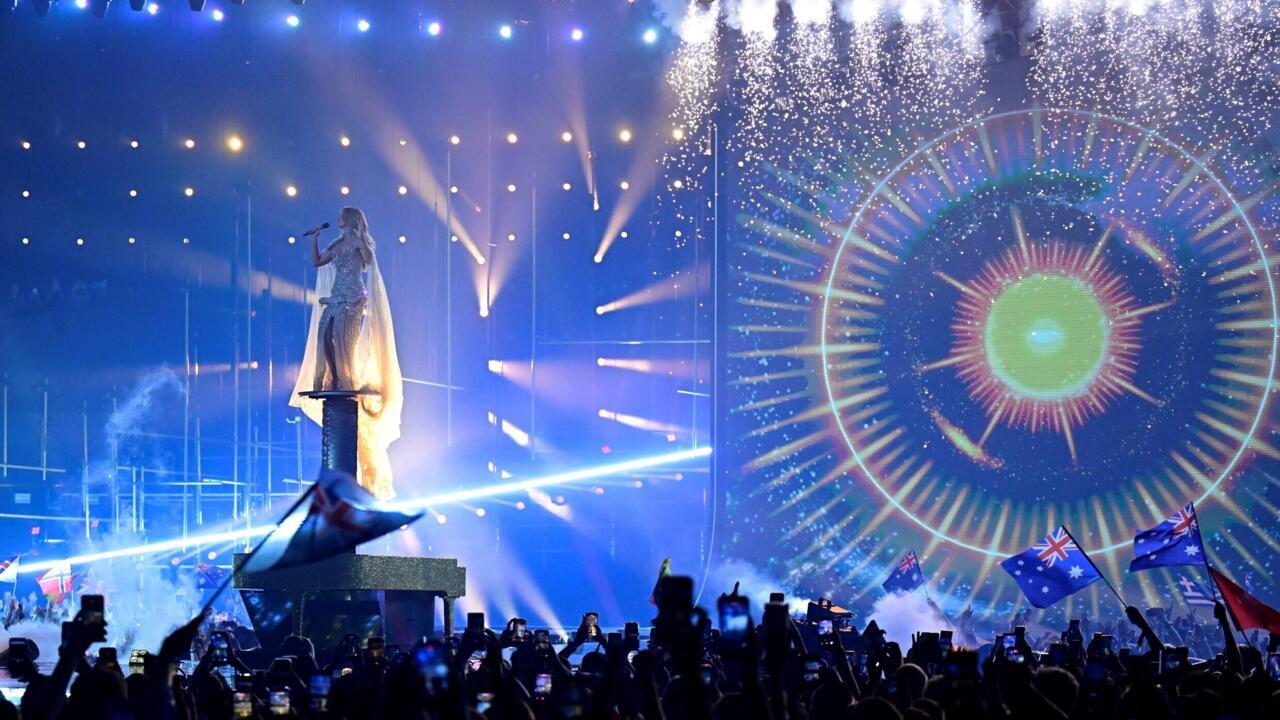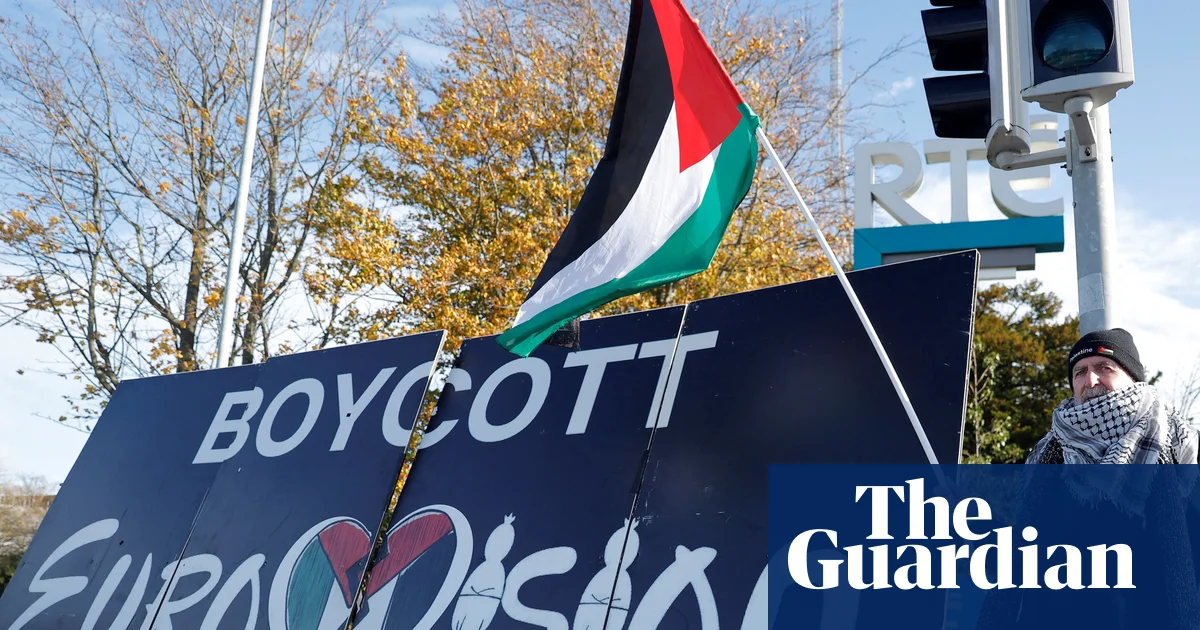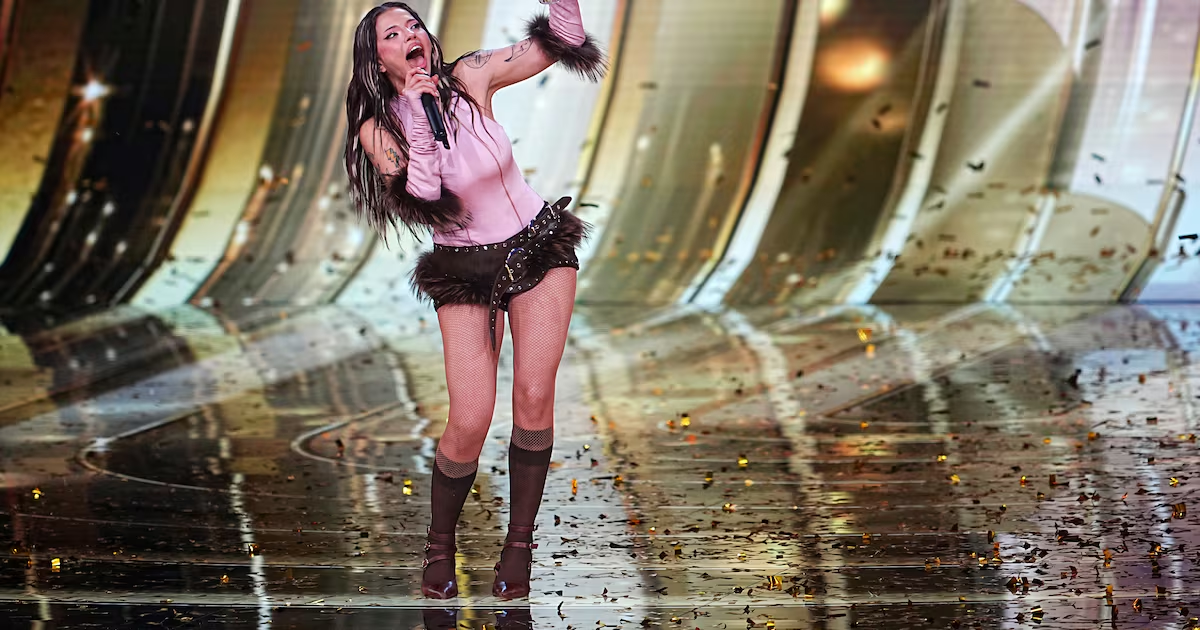
Sparkling costumes, madcap banter and music to remember – yes, the broadcast by RTÉ of the classic Father Ted episode, A Song For Europe, has gone down a storm with viewers across the country. But as audiences sing along to fake Eurovision smash My Lovely Horse, a dog-and-pony show of a different stripe is unfolding in Austria, where Bulgaria’s Dara have been crowned winner of the real-life competition with the banging party anthem, Bangaranga.Amid the tears and the twirls, does anyone at Wiener Stadthalle miss Ireland – one of five nations boycotting the contest over the inclusion of Israel? Probably not – considering the infrequency with which we reached the Eurovision final across the decade, our absence from the grand final is hardly headline news. Still, this is bigger than one country, and the withdrawal of Ireland, Spain, Iceland, Slovenia and the Netherlands has cast a shadow over a competition which, in a perfect world, would be a celebration of music at its most outrageous and carefree. As has a New York Times report, which claimed Israel has gone beyond the spirit of Eurovision by leveraging soft power to maximise its vote. Boycotts, boos – which can be clearly heard when Israel receives over 200 votes from the public and briefly looks set to win – and Father Ted reruns. Oh, Vienna, was your contest – the 70th Eurovision – doomed from the start?The other major absence for Irish viewers is pithy RTÉ commentator Marty Whelan, who always manages to be droll without openly scoffing at the contestants and is missing following RTÉ’s decision not to air Eurovision (we get Father Ted instead). That is in contrast to Irishman abroad Graham Norton, who chuckles at his own mispronunciation of Denmark’s Søren Torpegaard Lund and remains full of vinegar through the evening. Yet for all the put-downs, Norton is required to maintain a straight face during the night’s most preposterous tune – the UK’s Look Mum No Computer and their Chumbawamba-go-cyberpunk novelty track Eins, Zwei, Drei.Look Mum, still no Eurovision might have been a better name, as the UK is never in the running and limps home in last place (with zero public votes). Instead, all of the attention is on Delta Goodrem, the Australian singer once engaged to Brian McFadden of Westlife, whose power ballad, Eclipse, concludes – as all power ballads should – with the artist rising above the audience atop a golden column set in a piano (also gold). Other front runners include Finland’s Linda Lampenius and Pete Parkkonen. Their entry, Liekinheitin, carries off a Eurovision clean sweep of thumping beats, ludicrous dancing and a very serious-looking woman playing violin in the face of a hurricane.Elsewhere, there are silly songs and serious songs (the latter more ridiculous than the former) – plus a surreal cameo from Billy Joel, who explains the inspiration for his showstopper Vienna (it’s about his Austrian half-brother).Dara of Bulgaria attends a press conference after winning the 70th Eurovision Song Contest. Photograph: Hannibal Hanschke/EPA [ Eurovision 2026: Bulgaria pips Israel at the post to win in ViennaOpens in new window ]There are also moments sure to have the sensitive viewers yelling feck and arse at the TV – for instance, Serbia’s Lavina, nu-metal stompers whose performance featuring a mic-stand straight out of Le Morte d’Arthur and roaring straight out of a battle scene in Lord of the Rings. However, there is no repeat of semi-final protests – including a shout of “stop the genocide” – as Israel’s Noam Bettan negotiated the plangent power ballad, Michelle, which finishes second. At over four hours, the contest is ultimately a slog – not helped by the dazzling lack of chemistry between presenters Victoria Swarovski and Michael Ostrowski. It could do with some of Father Ted’s brevity. But now it’s over and the guessing game begins. Will Ireland grace Eurovision 2026? Will Israel? Who knows – but it would be wise of RTÉ to plan ahead and consider whether there is another sitcom re-run it might like to show next year.[ RTÉ an ‘active member’ of European broadcast group despite Eurovision boycottOpens in new window ]
Eurovision 2026 review: Father Ted, controversy and Ireland’s absence as Bulgaria wins
Boos, boycotts and tensions over Israel overshadow the 70th Eurovision Song Contest in Vienna
687 words~3 min read