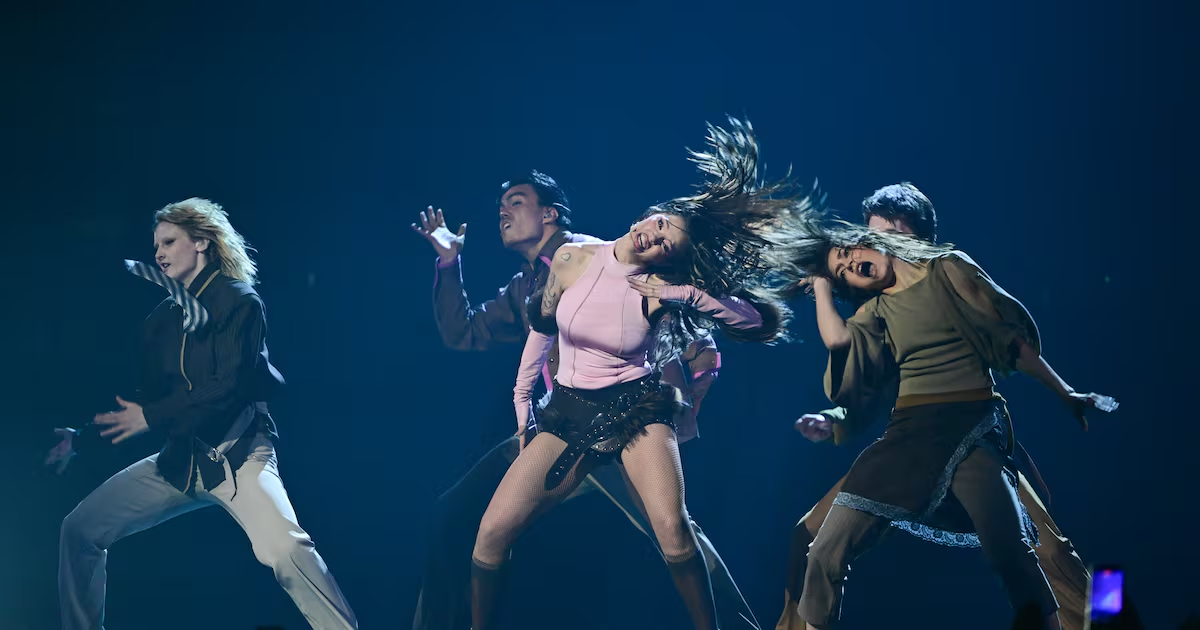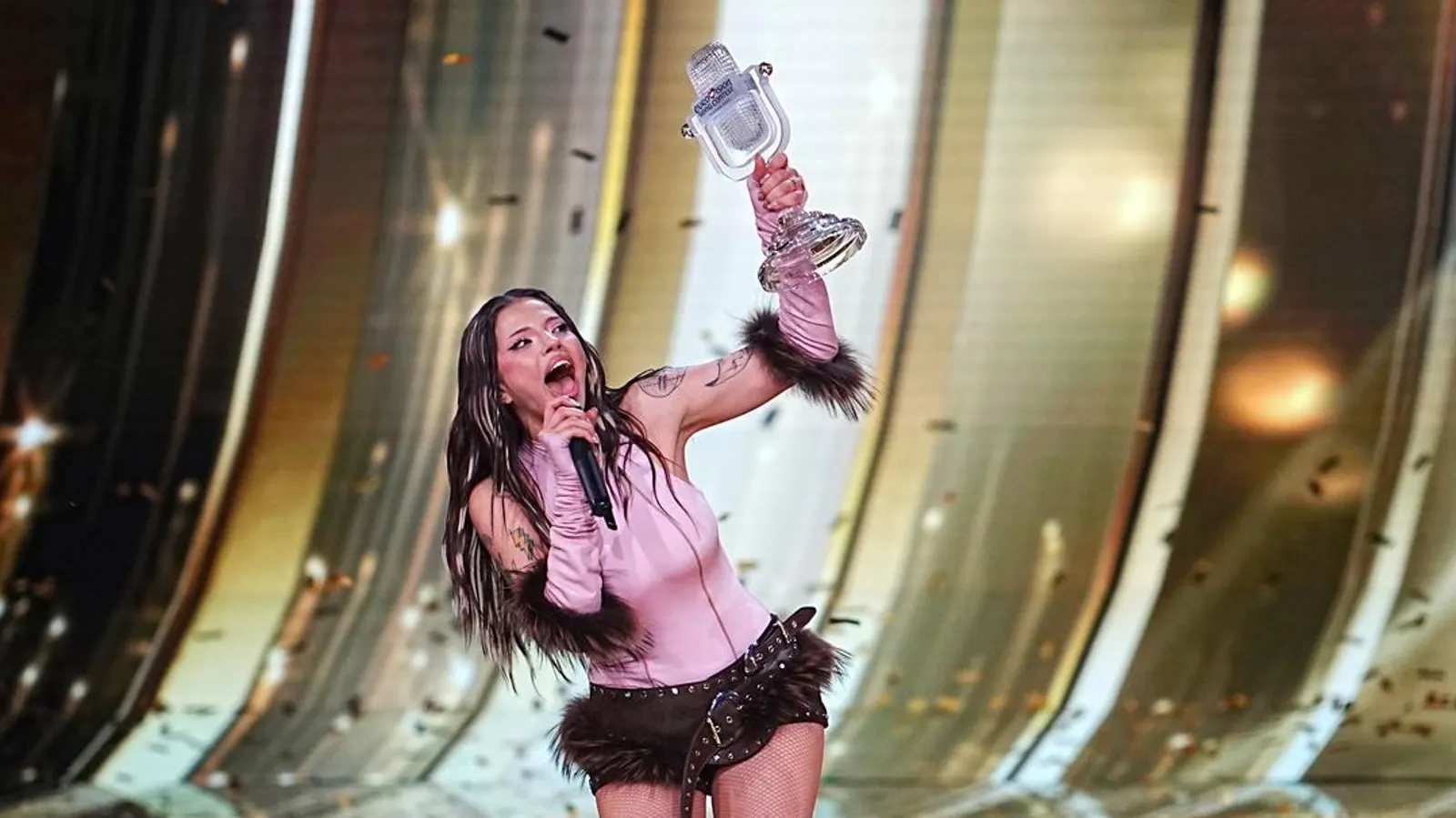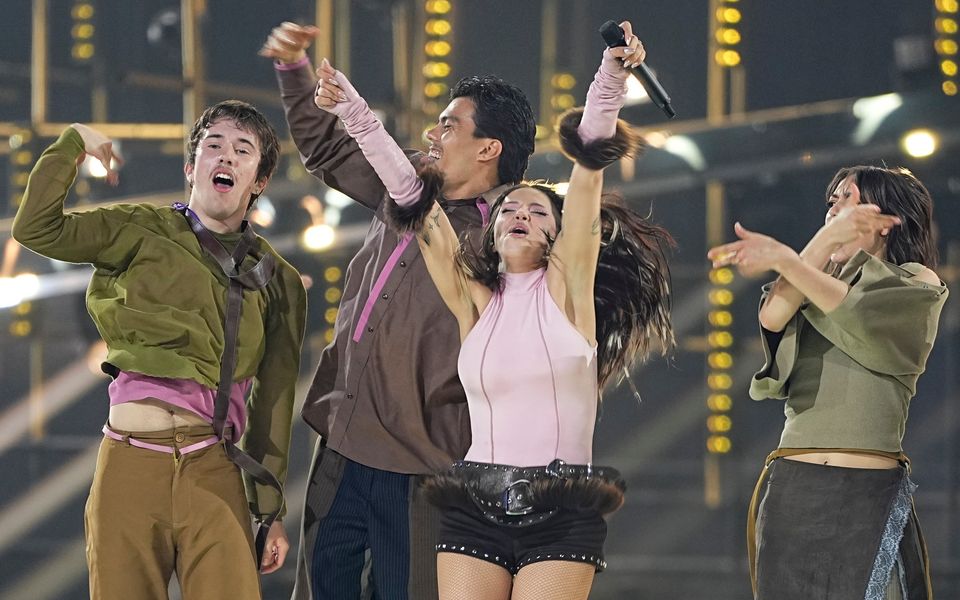
Bulgaria won the Eurovision Song Contest on Sunday with Dara's catchy floor-filler "Bangaranga" sweeping the 70th edition of the world's biggest live televised music event and pushing into second place Israel, whose participation had triggered a major boycott. Bulgaria has missed the last three editions of the glitzy extravaganza but took the crown in Vienna for the first time ever, overtaking Israel at the very end as the points came in, with Romania finishing third. Pop singer Darina Yotova, known as Dara, was not among the favourites going into Eurovision week but the 27-year-old gained traction following a strong performance in the semi-finals, with her highly-choreographed dance routines. "Everything is possible: Bulgaria just won Eurovision!" Dara told a press conference. "I really like breaking rules. I'm really good with following my rules -- not anybody else's. "We wanted to give to the audience something new and fresh, something that is not expected."
Her latest album is inspired by her 'hyperactivity'. © Tobias Schwarz, AFP
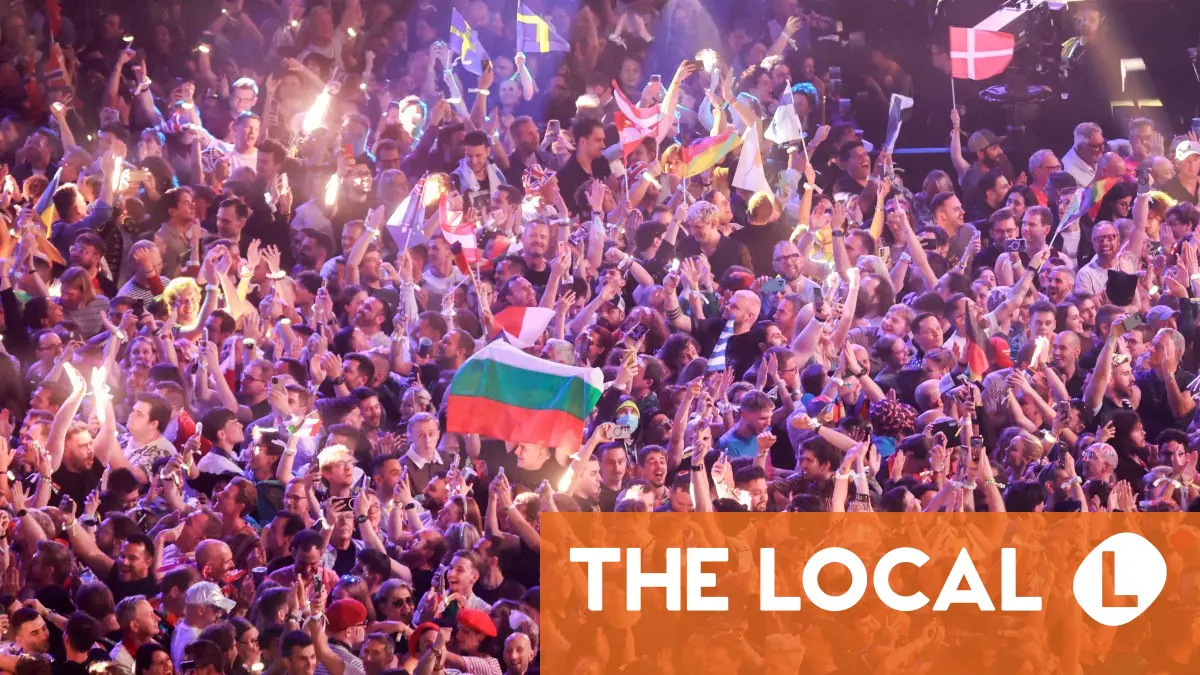
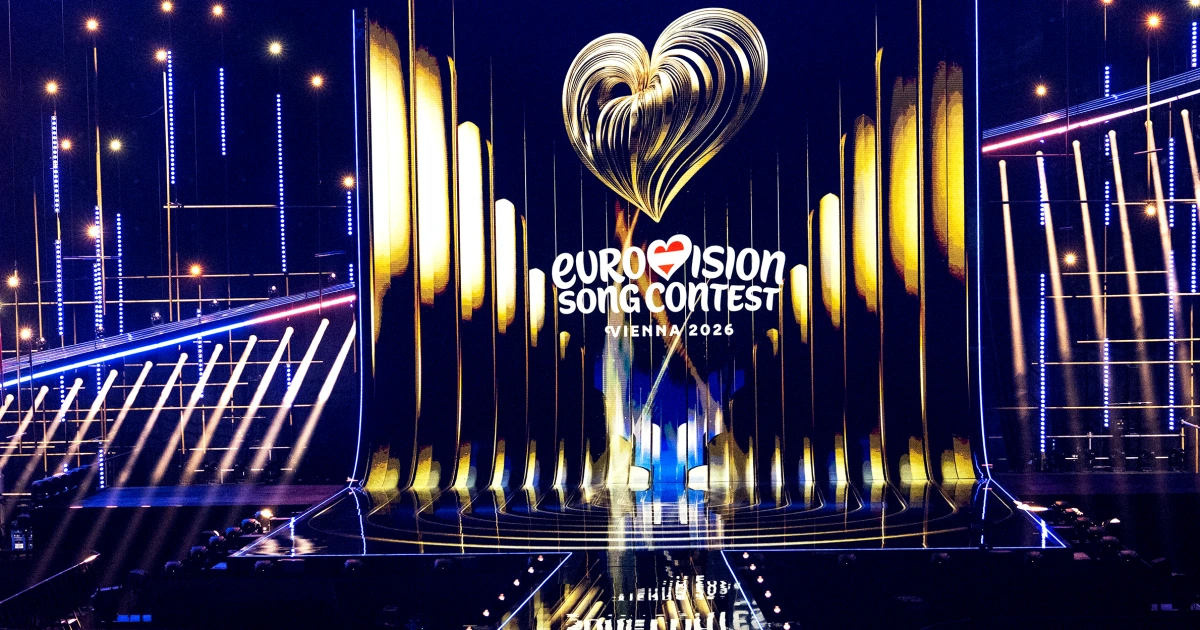
Bulgarian Deputy Prime Minister Atanas Pekanov on Facebook hailed a "magnificent story of immense talent, tireless effort, and faith in success, against all criticism." Tension over Israel's participation Around 10,000 glammed-up fans filled the Wiener Stadthalle arena in the Austrian capital to watch Saturday's showpiece final of Eurovision, where, as always, the razzmatazz didn't escape the geopolitics in the background. Spain, the Netherlands, Ireland, Iceland and Slovenia staged the biggest political boycott in Eurovision history over Israel's participation, citing the war in Gaza. Read moreEurovision hopes 70th anniversary celebration outshines Israel controversy And it looked as though Noam Bettan was going to win the contest for Israel with his song "Michelle" following a big score in the televoting from the public around Europe. But as Bulgaria's televote points were revealed, Dara ultimately won the contest. Bulgaria finished with 516 points, ahead of Israel on 343, Romania on 296, Australia on 287, Italy with 281 and Finland on 279. This is the second year in a row that Israel has come second, largely because of a huge vote from the public. Eurovision organizers tightened voting rules this year after allegations the country had mounted an intense lobbying campaign to get votes for its competitor. Bettan was loudly cheered, though there was a smattering of boos as he performed “Michelle,” a rock ballad in Hebrew, French and English. Earlier in the week, four people were ejected for trying to disrupt his semifinal performance. Hundreds of protesters against Israel's inclusion marched near the contest arena before Saturday's final, some holding placards saying “Block Eurovision.” Pro-Palestinian groups also staged an outdoor concert on Friday under the banner “No stage for genocide.” “Inviting Israel on such a beautiful stage as the Eurovision Song Contest stage is an affront to all the people who believe in humanity, who believe in love and togetherness,” said Congolese-Austrian artist Patrick Bongola, one of the organizers.