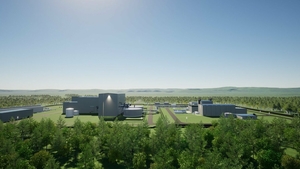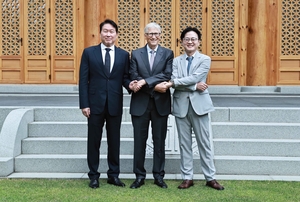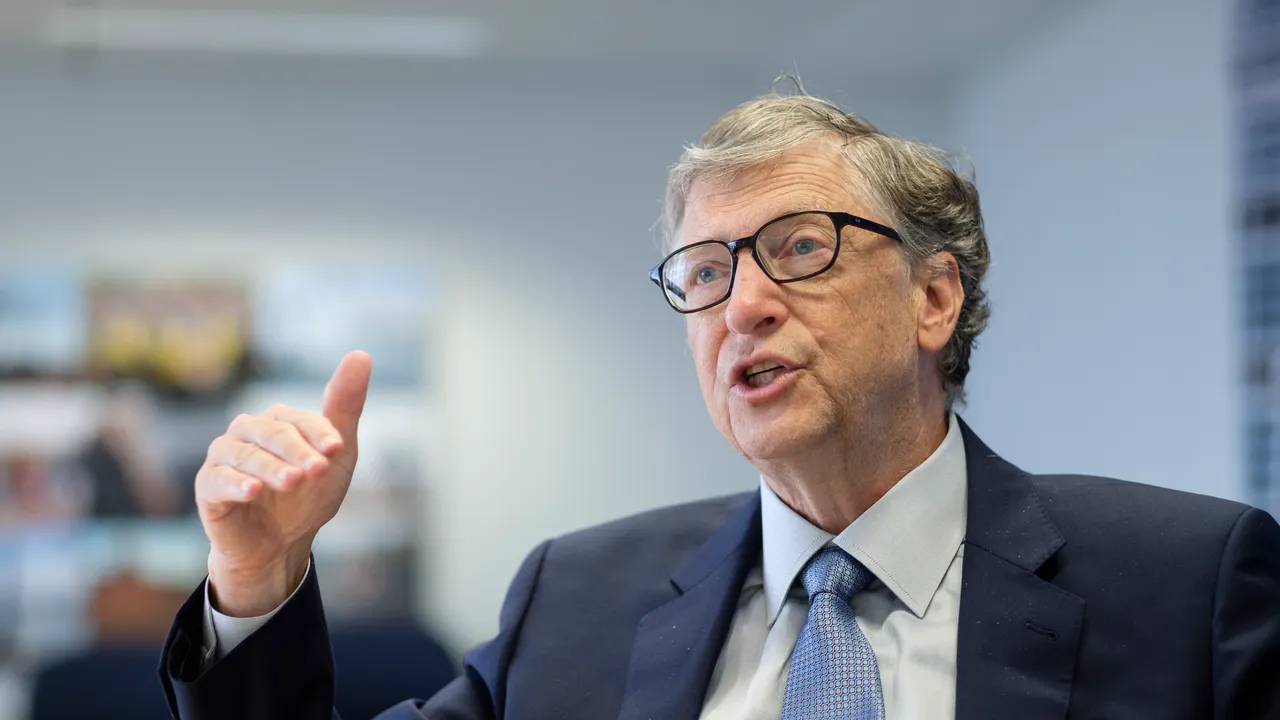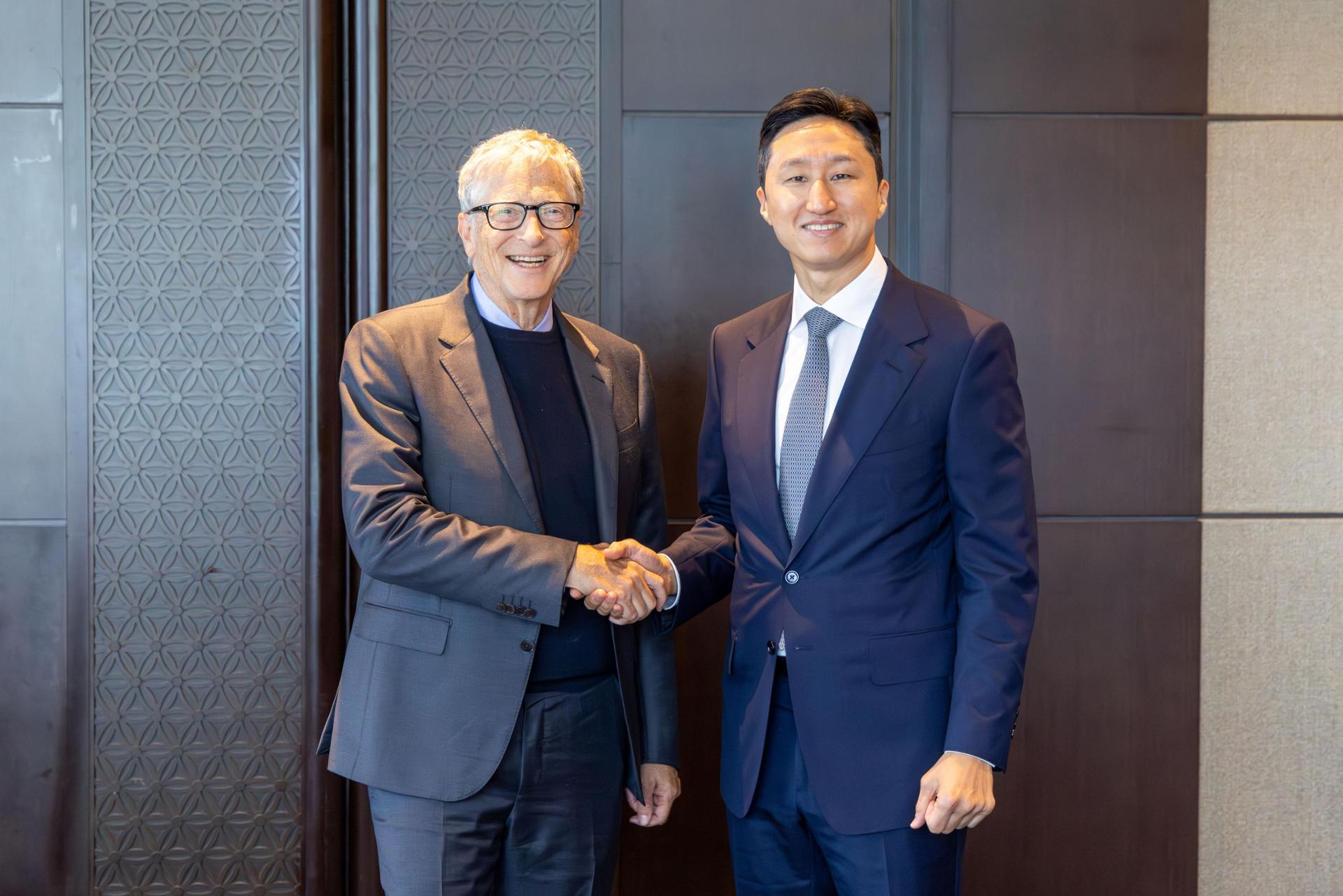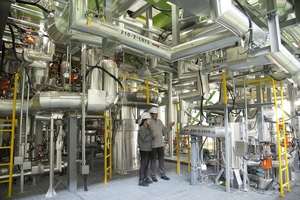
STELLA, a simulation facility for sodium-cooled fast reactor accidents, developed by the Korea Atomic Energy Research Institute (Korea Atomic Energy Research Institute) TerraPower, the US small modular reactor developer founded by Bill Gates, has signed a 7 billion won ($4.67 million) deal to acquire Korean sodium-cooled fast reactor safety testing technology, underscoring Korea’s advanced capabilities in next-generation nuclear reactors even as domestic development momentum has slowed.According to the Science Ministry and the Korea Atomic Energy Research Institute on Sunday, KAERI transferred intellectual property tied to the design and manufacturing know-how of STELLA — a testing facility that simulates key safety systems of a prototype sodium-cooled fast reactor, or SFR — to TerraPower last year.An SFR is a type of nuclear reactor that uses liquid sodium instead of water as a coolant. It is widely regarded as a next-generation reactor because of its high thermal efficiency and enhanced safety characteristics.STELLA is designed to simulate accident scenarios and validate reactor safety. KAERI has accumulated extensive operational data on heat transfer and coolant flow inside reactors under both normal and emergency conditions.The transfer will allow TerraPower to independently build and operate its own SFR safety testing facility.Founded in 2008, TerraPower is currently developing its Natrium reactor project in Wyoming. In March, the company received construction approval from the US Nuclear Regulatory Commission.As part of the technology transfer agreement, TerraPower sent about 10 employees to KAERI between May 11 and 15 for training on sodium cooling system design and operation.Industry officials say the deal highlights Korea’s strong reactor research and testing capabilities, while also exposing how inconsistent government support has weakened the country’s momentum in commercializing advanced nuclear technologies.The government’s public-private advanced reactor export infrastructure program, which initially planned to invest 29 billion won in SFR development between 2025 and 2028, effectively stalled after the 2025 budget was cut by 90 percent during National Assembly deliberations, from 7 billion won to 700 million won.Although the budget was later restored to 7 billion won this year, the project had already lost roughly a year of development time, pushing the schedule back to 2029.Since 2021, KAERI has also been developing SALUS, a fourth-generation reactor project designed to adapt SFR technology to burn spent nuclear fuel from existing reactors while generating electricity.The institute said it plans to further advance the project through public-private cooperation.
Bill Gates-backed TerraPower taps Korean nuclear tech
TerraPower, the US small modular reactor developer founded by Bill Gates, has signed a 7 billion won ($4.67 million) deal to acquire Korean sodium-cooled fast r
388 words~2 min read