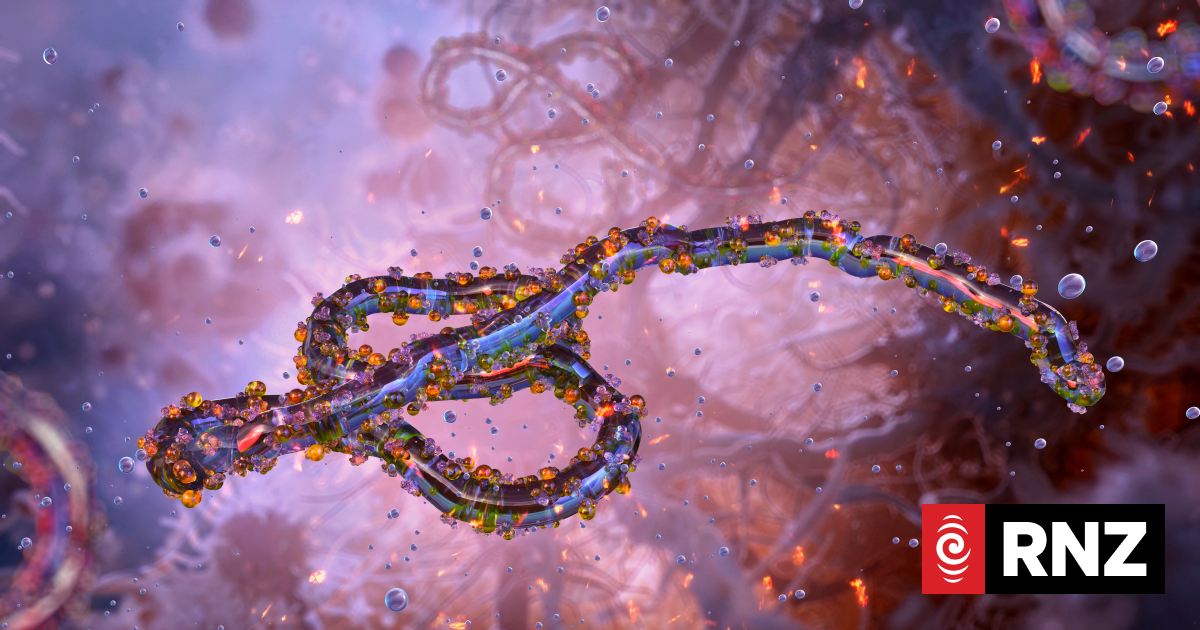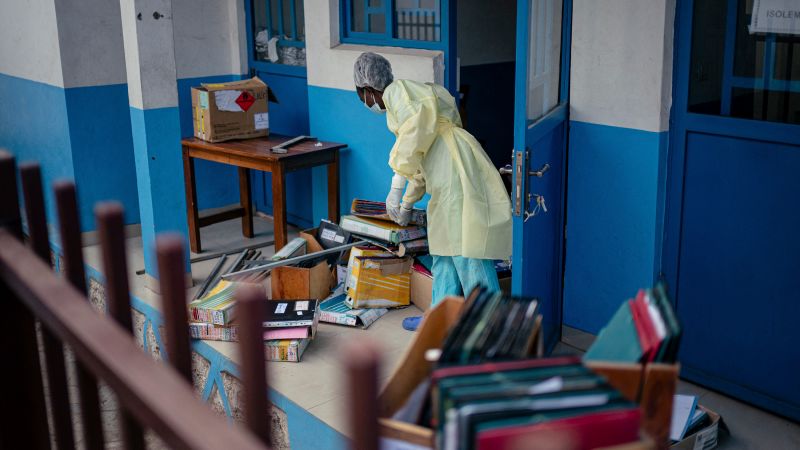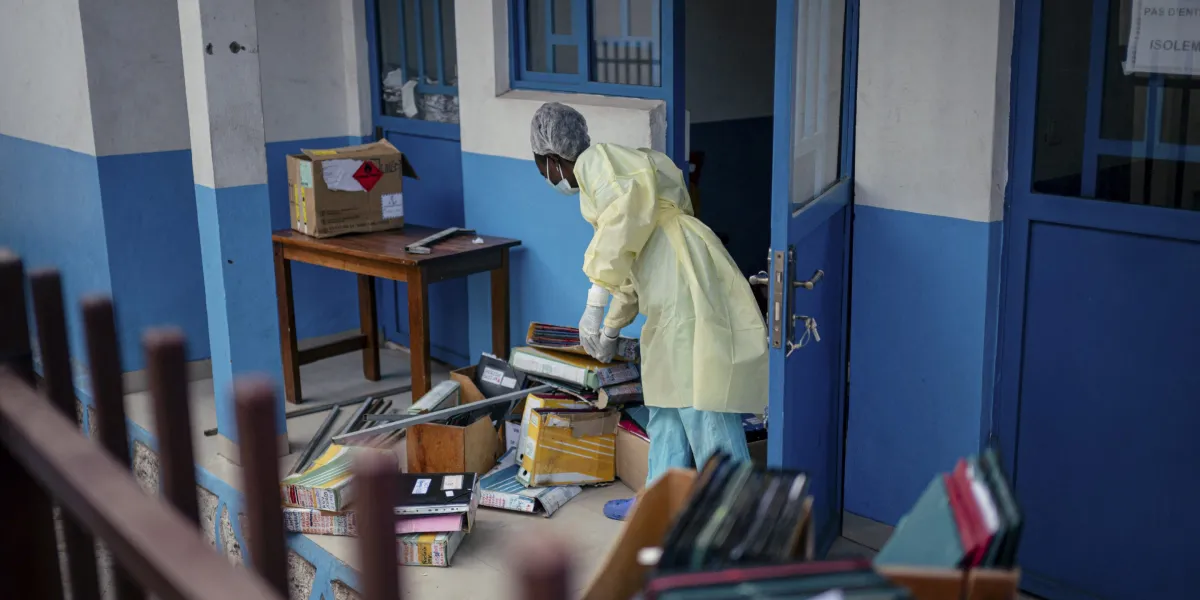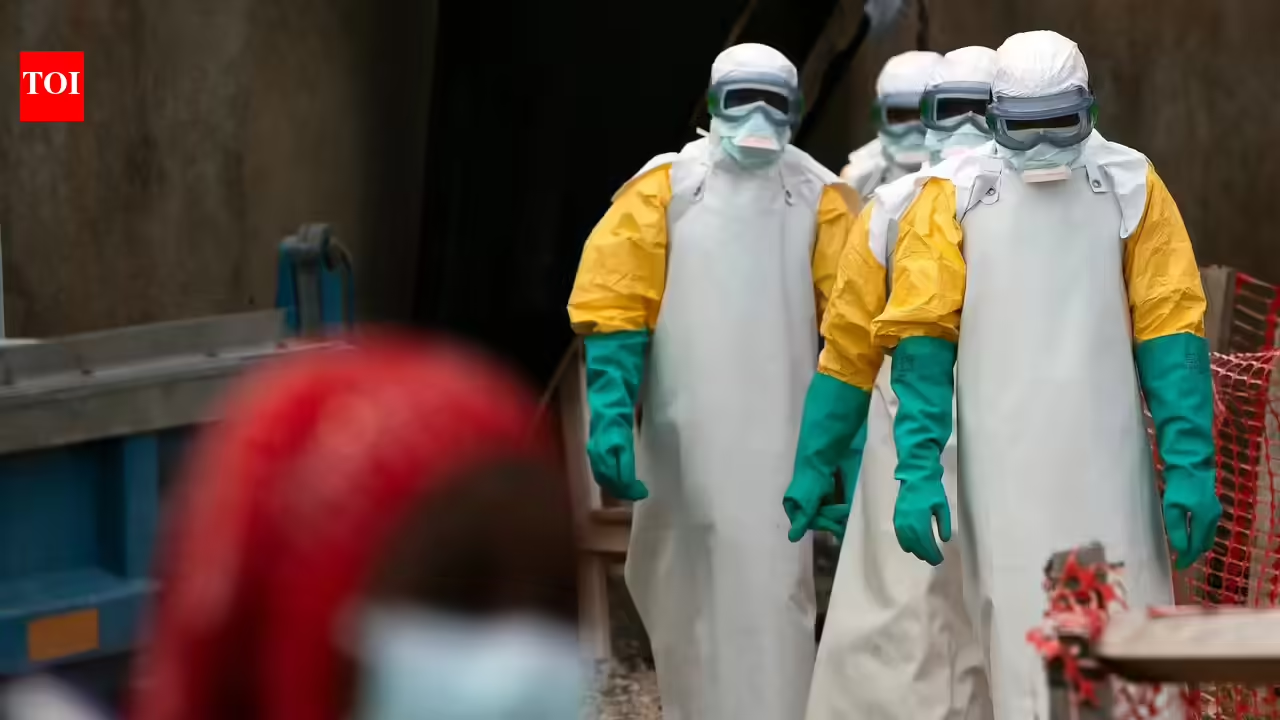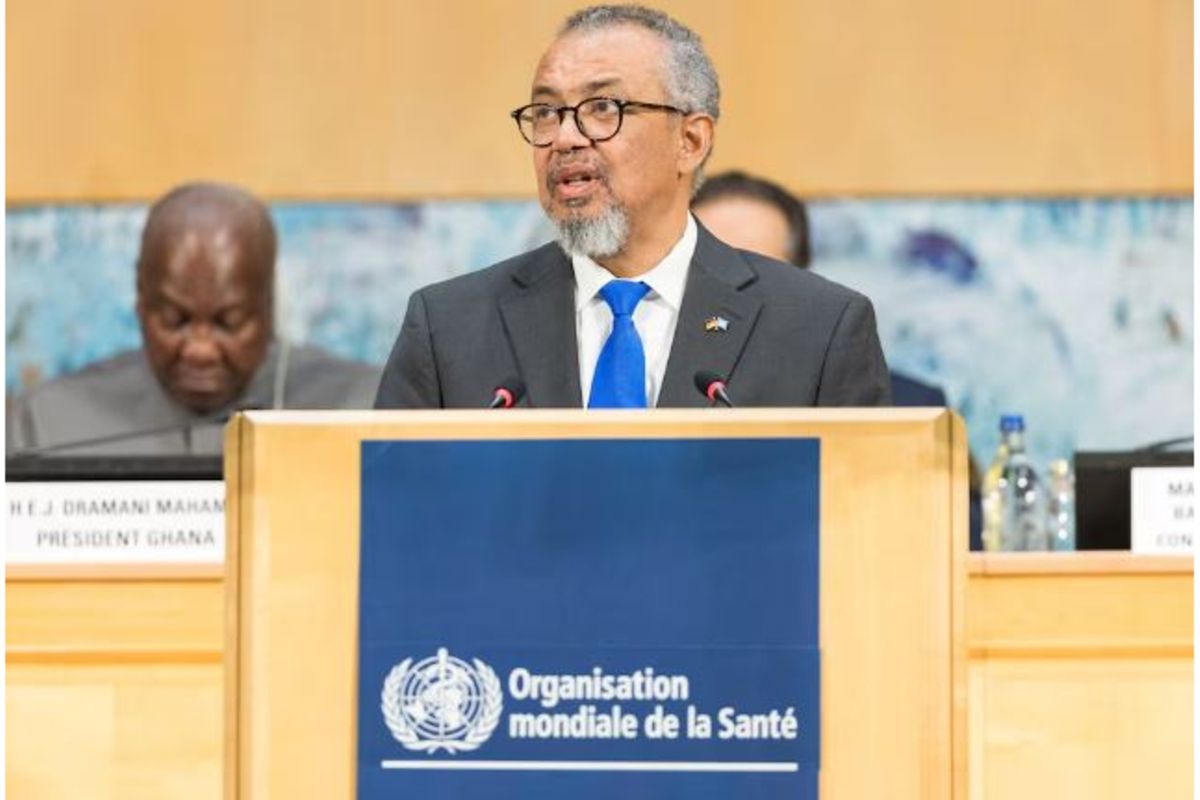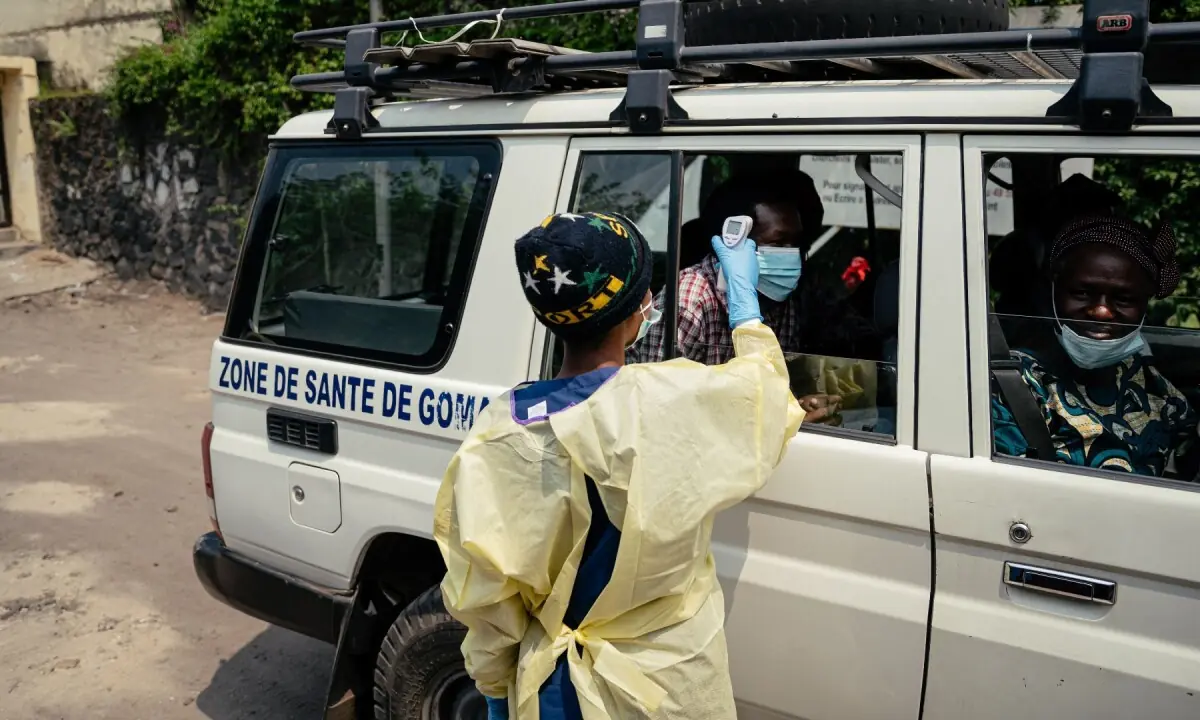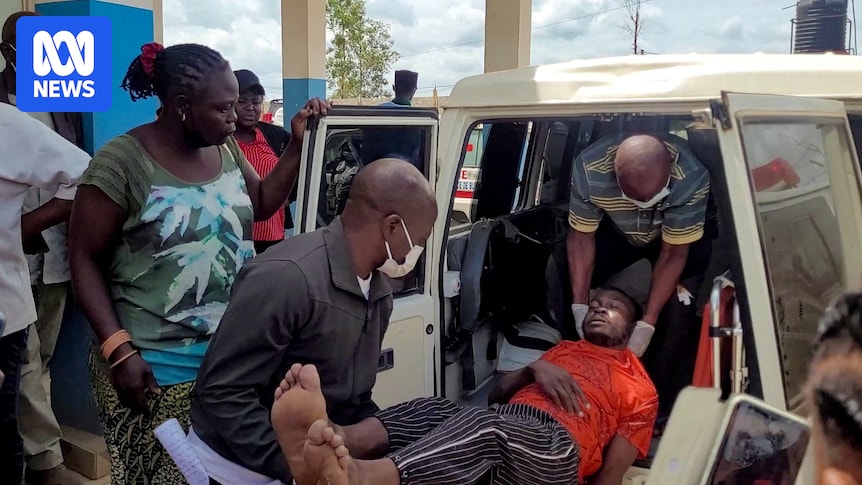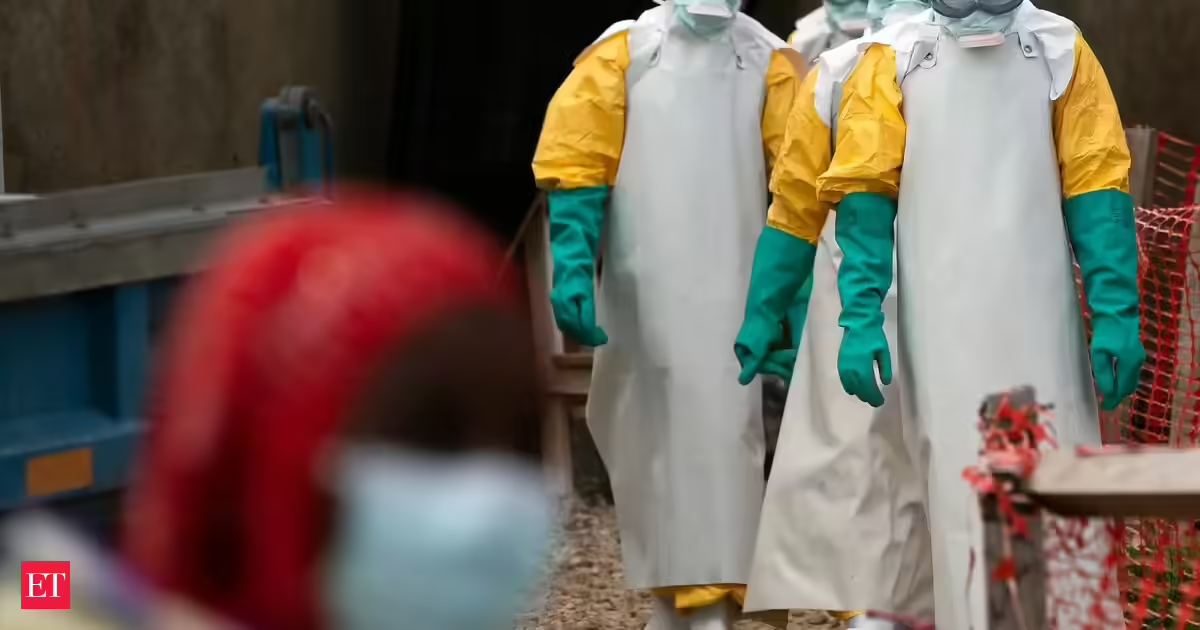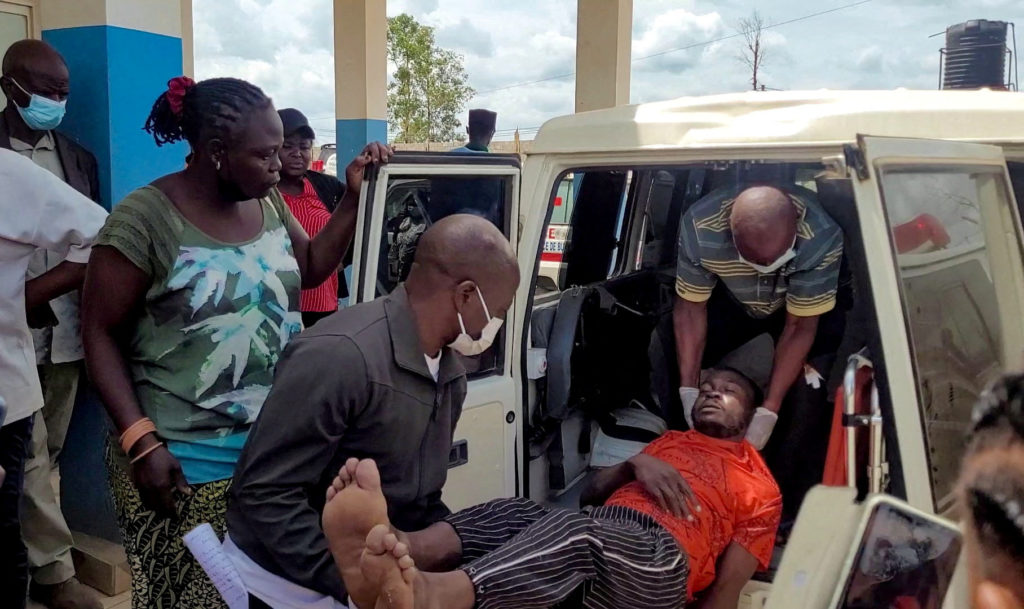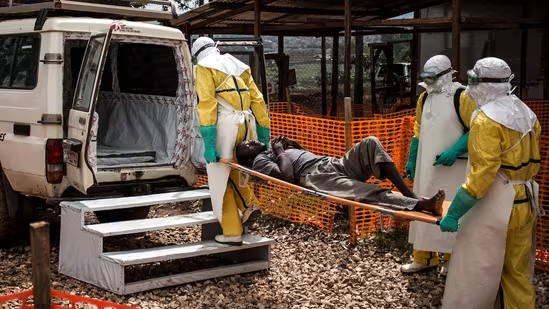
Ebola is a viral disease that can cause fever, vomiting, bleeding, organ failure and death. There are six known strains of Ebola, including the Bundibugyo. The World Health Organization has declared the Ebola outbreak in the Democratic Republic of the Congo and Uganda a “public health emergency of international concern”. About 80 peole have reportedly died in the latest outbreak linked to the Bundibugyo strain of the virus.Health workers move a patient to a hospital after he was found to have Ebola. (AFP)The WHO, though, said the outbreak does not yet meet the criteria for a pandemic emergency. The global health body said countries sharing borders with the DR Congo face a high risk of further spread and advised governments to increase screening and emergency response measures.What is happening?The outbreak is linked to the Bundibugyo variant. Cases have been reported mainly in eastern DR Congo’s Ituri province, including the areas of Bunia, Rwampara and Mongbwalu.Uganda has also reported confirmed cases in the capital, Kampala, linked to travellers from DR Congo. A confirmed case has also been detected in Kinshasa, the capital of DR Congo.The WHO said international spread has already been documented.Death toll and cases so farAbout 80 people have died and more than 240 suspected cases had been reported in DR Congo as of Saturday, according to the WHO. The Africa Centers for Disease Control and Prevention (CDC) later reported 88 deaths and more than 330 suspected cases.Health officials said that the real number of infections could be higher because many suspected cases are still being investigated.A man is carried from an ambulance following confirmation of an Ebola outbreak involving the Bundibugyo strain. (REUTERS)No vaccine for current Ebola strainThe outbreak is causing concern because there is no approved vaccine or specific treatment for the Bundibugyo strain. WHO called the outbreak “extraordinary” for this reason.The affected areas in eastern DR Congo also see large movement of people because of mining and cross-border trade. Some parts of the region are affected by attacks from armed groups, which can make it harder for health workers to track infections and isolate patients.Medical charity Doctors Without Borders (MSF) said it was preparing a large-scale response because of the rapid spread of cases across several health zones.What is the Bundibugyo strain?Bundibugyo is one of six known strains of the Ebola virus. It was first identified in Uganda in 2007.Vaccines currently exist only for the Zaire strain of Ebola, which caused many earlier outbreaks. Approved vaccines include Ervebo and Sabin Ebola Vaccine.WHO’s advice for countriesWHO has asked countries to strengthen cross-border screening, isolate confirmed cases quickly and monitor contacts daily. The agency also advised governments to activate emergency management systems.At the same time, WHO warned countries against closing borders or stopping trade because that could push people to use informal crossings that are harder to monitor.What is Ebola and where it came fromEbola was first identified in 1976 in what is now DR Congo, then called Zaire. The virus was named after the Ebola River near the site of the first outbreak.Scientists believe fruit bats are the natural hosts of the virus. Other infected animals can also pass the disease to humans. Over the past 50 years, Ebola outbreaks in Africa have killed more than 15,000 people, as per WHO and African CDC.A transmission electron micrograph image shared by the CDC shows an Ebola virus virion. (CDC via AP)How Ebola spreadsEbola spreads through direct contact with body fluids such as blood, vomit or saliva from an infected person. People can also become infected while handling bodies during funeral rites.Unlike some respiratory diseases, Ebola is not airborne but it can spread quickly through close human contact once symptoms begin.WHO said infected people and close contacts should avoid international travel and advised monitoring contacts for 21 days after exposure.Ebola: symptomsSymptoms can appear between two and 21 days after infection. Early signs include fever, tiredness, headache, muscle pain and sore throat.As the disease progresses, patients may develop vomiting, diarrhoea, stomach pain, rash, bleeding, and liver or kidney problems. Survivors can also face long-term health complications, including eye and hearing problems.How deadly is Ebola?Ebola outbreaks have recorded mortality rates between 25% and 90% depending on the strain and access to treatment, according to WHO.DR Congo’s health minister said the Bundibugyo strain involved in the latest outbreak can have a fatality rate of up to 50%.The deadliest Ebola outbreak took place in West Africa between 2013 and 2016, killing more than 11,000 people in Guinea, Liberia and Sierra Leone.(With inputs from Reuters, AP and AFP)Anita Goswami is a Senior Content Producer at Hindustan Times, where she primarily covers Indian and international news. With four years of industry experience, she has led coverage of Indian General elections, Assembly elections, and national polls in the United States, Canada, Bangladesh, and Nepal. Her reporting covers global wars and major events, including Operation Sindoor, Sheikh Hasina's ouster and the Mahakumbh Mela. She verifies facts and uses clear sources to ensure accurate reporting. As former Chief Copy Editor at Storytailors, she managed teams to produce top-quality content for networks like NDTV, Profit, CNBC-TV18, Upstox and News18. Her work is featured in NDTV, Meaww, and Global Pulse. Throughout her tenure, Anita has collaborated with and been mentored by top industry experts. When not reading, Anita can be found outdoors or at a bakery. Fields of interest: Indian political history, international elections, historical policy analysis, global conflicts, cultural events, Formula 1, art, media ethics and reporting on socio-political change over time.Read MoreSee Less
WHO declares global health emergency over Ebola outbreak; 80 dead, symptoms, no vaccine for current strain: What we know
Ebola is a viral disease that can cause fever, vomiting, bleeding, organ failure and death. There are six known strains of Ebola, including the Bundibugyo. | World News
915 words~4 min read