Illustration by Jaewoogy_ma@naver.com
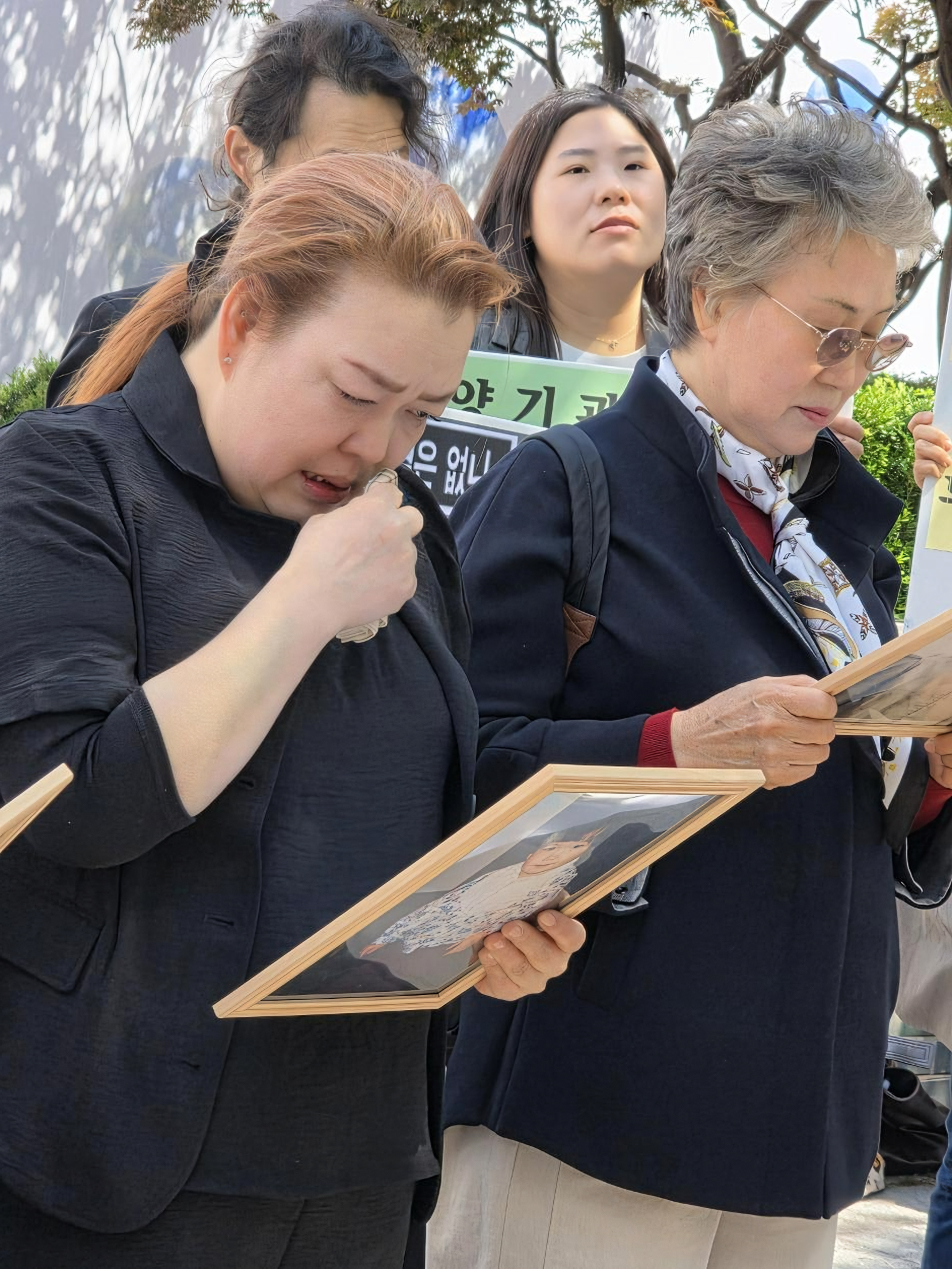
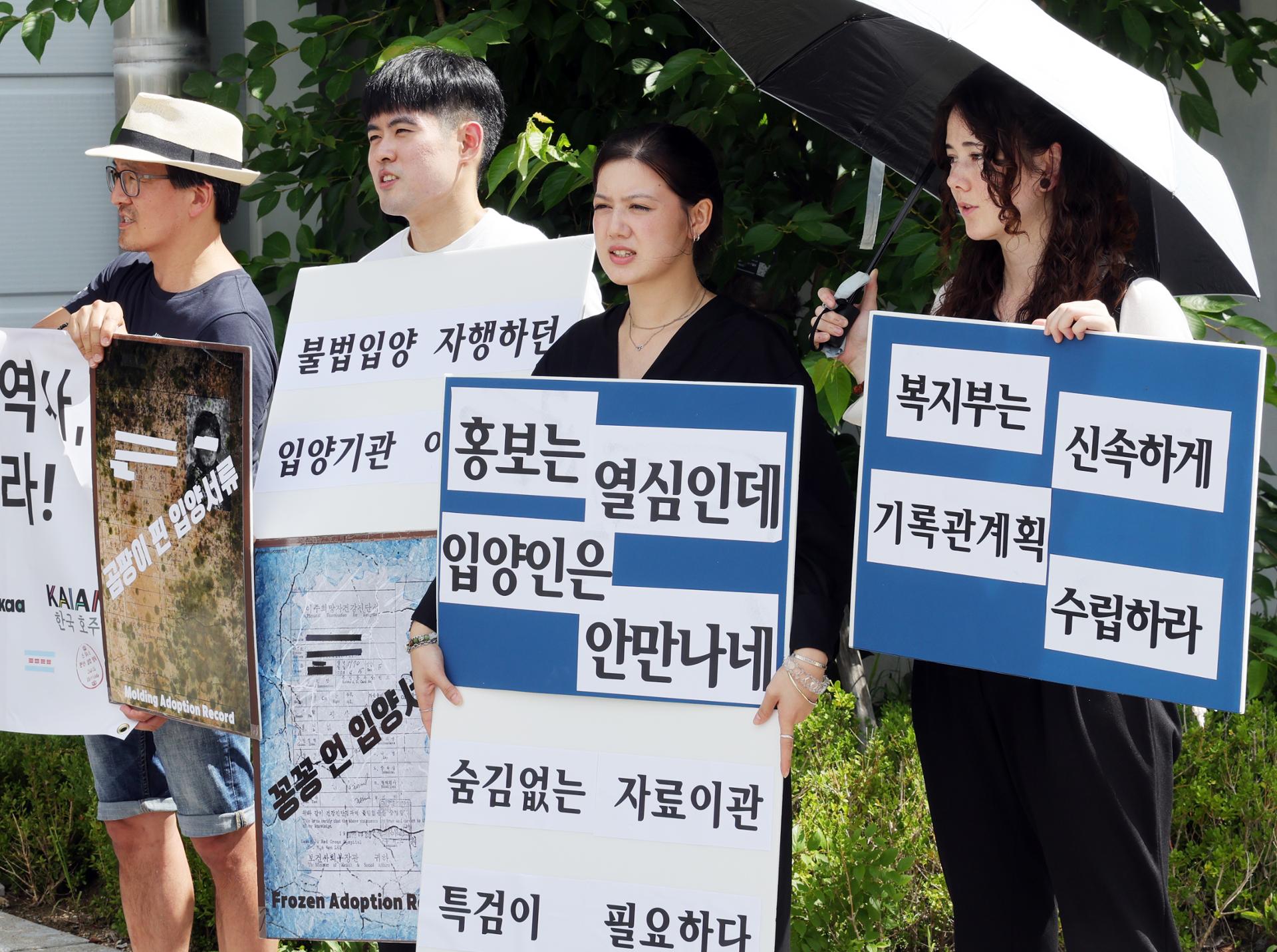
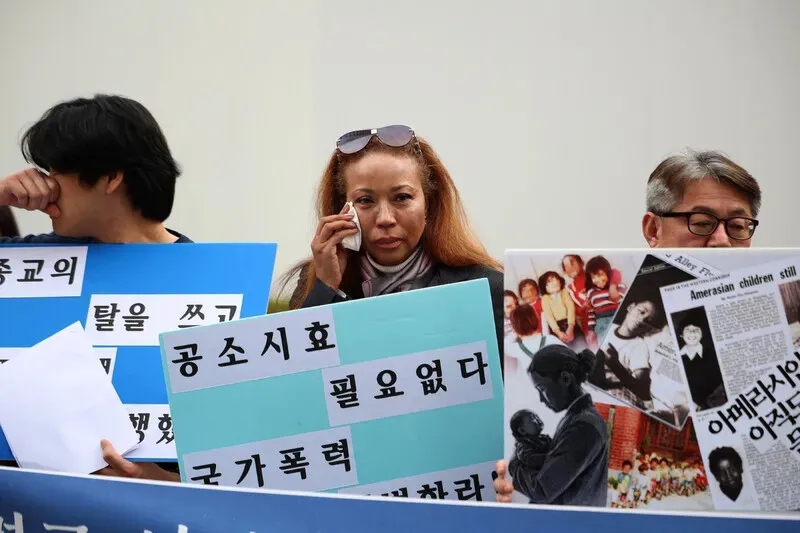
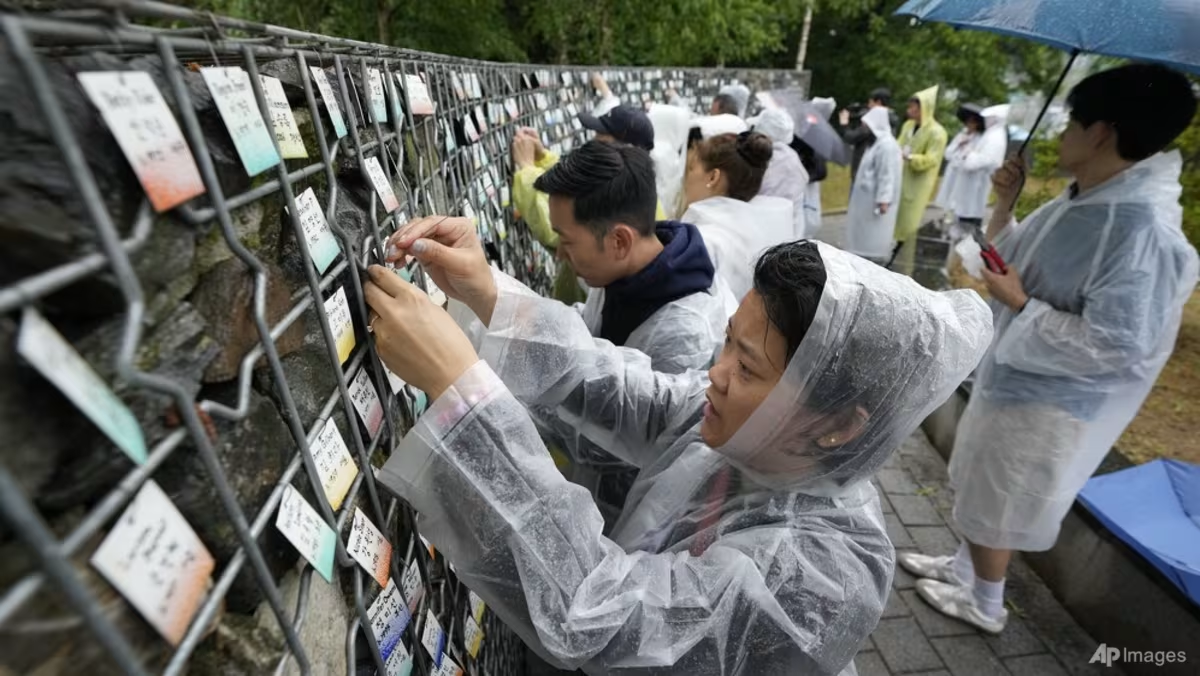
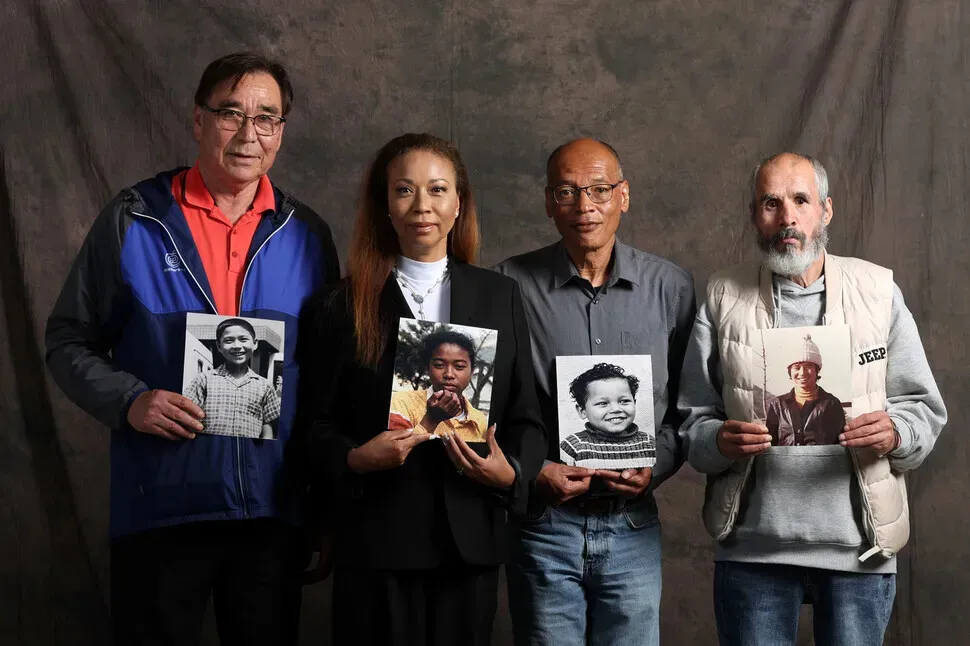
By Lee Suk-tae, former Constitutional Court justiceOn Aug. 23, 2022, around 50 members of the Danish Korean Rights Group, composed of people adopted from Korea to Denmark between the 1960s and the early 1990s, held a news conference in front of the headquarters of the Truth and Reconciliation Commission in Seoul.There, they said overseas adoptees whose lives were based on lies had the right to know the truth, requesting the commission to investigate cases of thousands of adoptees deprived of their identity and right to know. Since adoption agencies are not the only parties to facilitating overseas adoption, the Danish Korean Rights Group said it expected the government to clarify whether it actively or passively intervened in illegal adoptions and violated human rights.After an investigation lasting two years and seven months, the commission on March 26 last year announced the findings of its inquiry on human rights violations in the overseas adoption process for 367 individuals. After going through the adoption records of such people in 11 countries including the US, Denmark and Sweden, the investigation found such violations in 56 cases. Estimating that 141,778 children were adopted abroad from 1955 to 1999, the commission concluded that the government’s systemic failure to properly manage and supervise adoption agencies caused such violations, and the commission recommended that the government issue an official apology, conduct a fact-finding survey on if adoptees obtained citizenship in their adoptive countries and preparation of corresponding policy measures, and offer relief to victims whose identities were falsified in the adoption process. The hope is that applicants whose petitions were rejected in the initial round of fact-finding due to reasons such as insufficient documentation will have their cases accepted this time around by the commission, whose third and latest term began on Feb. 26.In the 1970s and 80s, Korea was known as a “baby-exporting” country. Overseas adoption began in 1953 immediately after the end of the Korean War as part of a welfare policy for children orphaned by the conflict. The number of such adoptions, however, surged from the mid- to late 1970s, when the wounds from the conflict were beginning to heal. From the economic boom of the era of low oil prices, low interest rates and low currency value, to the late 1980s, overseas adoption was increasingly framed as “baby exports” and seen as a fully fledged industry. A Yonhap News report dated May 11, 2023, said 168,427 Korean children were adopted overseas from 1953 through 2022. The intent of the system was to find new homes for orphans immediately after the war, but as recently as 2023 — when Korea is considered to have joined the ranks of advanced economies — over 100 children were sent abroad for adoption. A 2022 report by the Switzerland-based International Social Service, which compiles global statistics on adoption worldwide, found that Korea sent 266 children abroad for adoption in 2020, the third highest number in the world after Colombia (387) and Ukraine (277).In addition, the birth notification system, crisis pregnancy support and protected childbirth system in Korea went into force simultaneously on July 19, 2024. This was to prevent the occurrence of unregistered children at birth — a major cause of overseas adoption — as well as ensure more comprehensive protection for them. The three measures are based on the Act on Registration of Family Relations and the Special Act on Crisis Pregnancy and Protected Childbirth Support and Child Protection. The notification system requires the immediate reporting of a birth and related information to the local government with jurisdiction when a child is born at a medical institution. Yet the fear is that pregnant women reluctant to have their pregnancy and childbirth known to those around them could give birth outside medical institutions and abandon the child. The protected childbirth system thus allows such women in crisis situations to give birth at a medical institution and report it under a pseudonym. But civic groups and critics of this system say this only considers the mother and fails to reflect the child’s perspective, urging instead efforts to remove societal prejudice against single parents and boost support systems for pregnancy, childbirth and childrearing. The Ministry of Health and Welfare on Oct. 1 last year announced that Korea had officially become a contracting party to the Hague Convention on Protection of Children and Co-operation in Respect of Intercountry Adoption took effect in Korea. Adopted in May 1993, the convention guarantees a child’s basic rights in the process of overseas adoption. On July 19 last year, the Special Act on Domestic Adoption and the Act on Intercountry Adoption, which form the legal basis for implementing the convention in Korea, took effect. In addition, Seoul decided to fundamentally reform the domestic child protection system by officially formalizing the phased suspension of overseas adoption and raising public responsibility for child welfare. Another important international treaty is the UN International Convention for the Protection of All Persons from Enforced Disappearance. This prohibits “enforced disappearance,” or the deprivation of a person’s liberty through arrest, detention, abduction or similar acts by government authorities or with the authorization or compliance of the state, and then concealing the victim’s fate or whereabouts by placing them outside the protection of the law. Taking effect in December 2010, the convention received National Assembly approval of its accession bill in June 2022, but related legislation has yet to appear.How possible it is for adoptees to even find their birth parents and other relatives from whom they were separated is another question. On April 17 last year, the Seoul Administrative Court sent a request for review to the Constitutional Court contesting the constitutionality of a provision of the Special Adoption Act preventing adoptees from access to information about their biological parents without the latter’s consent. The Seoul court said an adoptee’s right to access such data is “an innate and essential right that humans are entitled to enjoy,” arguing that the provision excessively restricts fundamental rights. “Statistically, the number of cases in which biological parents consent to the disclosure of information is three to four times higher than the number of cases in which they refuse, so deeming cases in which the biological parents’ intent to consent cannot be confirmed as non-consent and refusing disclosure excessively restricts an adoptee’s right to know, placing too much weight on privacy protection,” it added. The case is pending at the Constitutional Court.On Jan. 10, 2023, a research team at Soongsil University’s Foundation of University-Industry Cooperation submitted a research report to the National Human Rights Commission of Korea on guaranteeing human rights through a study on such rights of overseas adoptees. In a poll of 658 adoptees, more blamed the government (91%-98.1%) than domestic adoption agencies (68.7%-96.1%) for inadequately protecting their human rights. “Participants consider the Korean government as bearing greater responsibility than adoption agencies for protecting the human rights of overseas adoptees,” the report said. Slowly but surely, we are seeing advances in adoptees’ long-neglected human rights, with a ban on overseas adoption to come into effect in 2029. But breaches of fundamental rights in the past will be difficult to rectify without decisive government action. I look forward to the truth coming to light in additional cases of overseas adoption — 316 cases as of March 25 this year — filed with the newly launched third term of the Truth and Reconciliation Commission.Please direct questions or comments to [english@hani.co.kr]