Audio By Vocalize
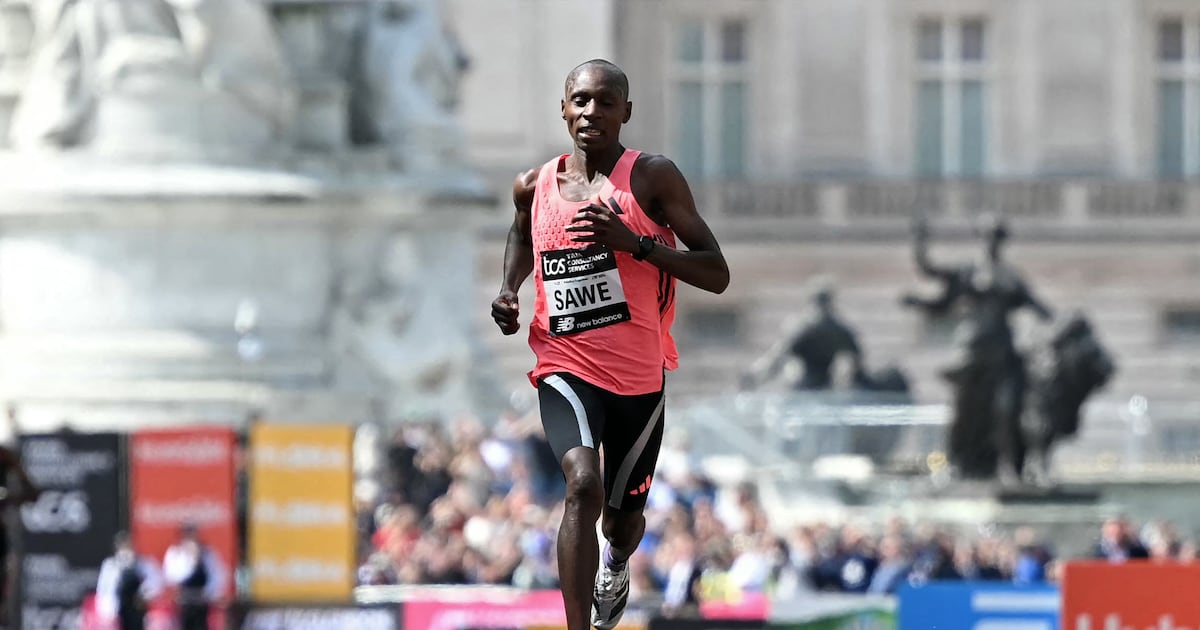
Permit me to begin by restating a conviction I hold deeply: Kenya runs the world. I am not boastful. This is the reality you encounter on tracks and global podiums. A few days ago, my conviction found renewed expression when Sebastian Sawe stunned the global athletics fraternity by shattering a world record in a performance that was almost otherworldly.
In that moment, the world witnessed a philosophy of life refined on Kenya’s high-altitude training grounds. I am, however, convinced that beyond medals and records, there is a lesson here for Kenyan writers. Allow me to explain.
Some of us imagine that athletics and literature inhabit separate worlds. We think athletics has to do with sweat and timing, while literature deals with ink and imagination. Nothing is further from the truth. If you observe carefully, the making of a champion runner and the making of a serious writer follow strikingly similar disciplines of mind, body, and spirit. That is why Sawe’s achievement is not just a sporting milestone. It is a metaphor for creative excellence.
So what can writers learn from this milestone? The first lesson is that of dedication. No runner wakes up one morning and breaks a world record. Behind Sawe’s moment of glory lie years of unseen labour, early mornings, aching muscles, and a stubborn refusal to quit. Dedication is highly repetitive. It is showing up when the body resists and the mind negotiates excuses. For writers, this translates into the daily commitment even when inspiration is absent. Kenyan writers must learn to sit with words patiently and consistently, while believing that they are building something meaningful. And this is why I have a problem with young Kenyan writers who think that a badly written manuscript generated by ChatGPT can catapult them to the top league of writers.