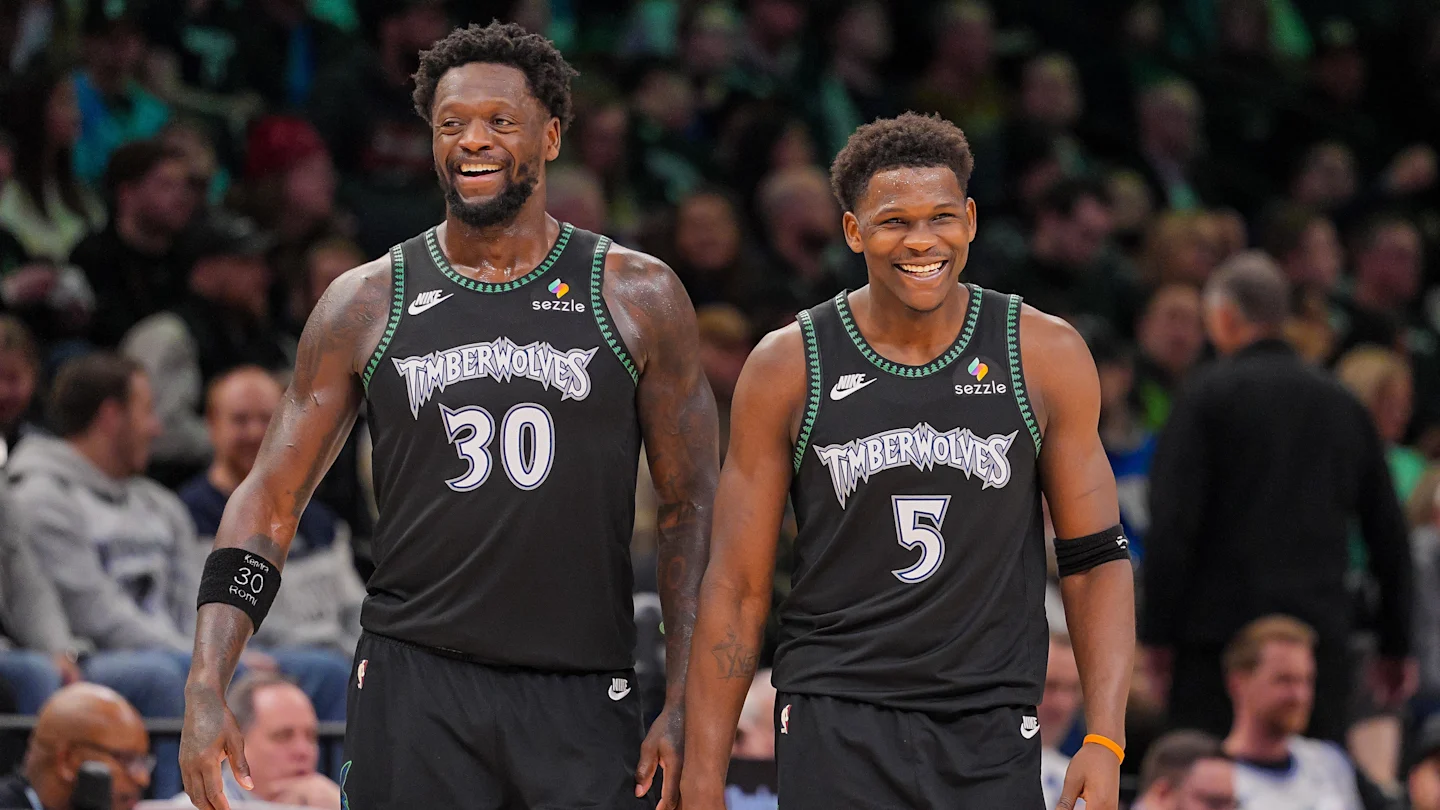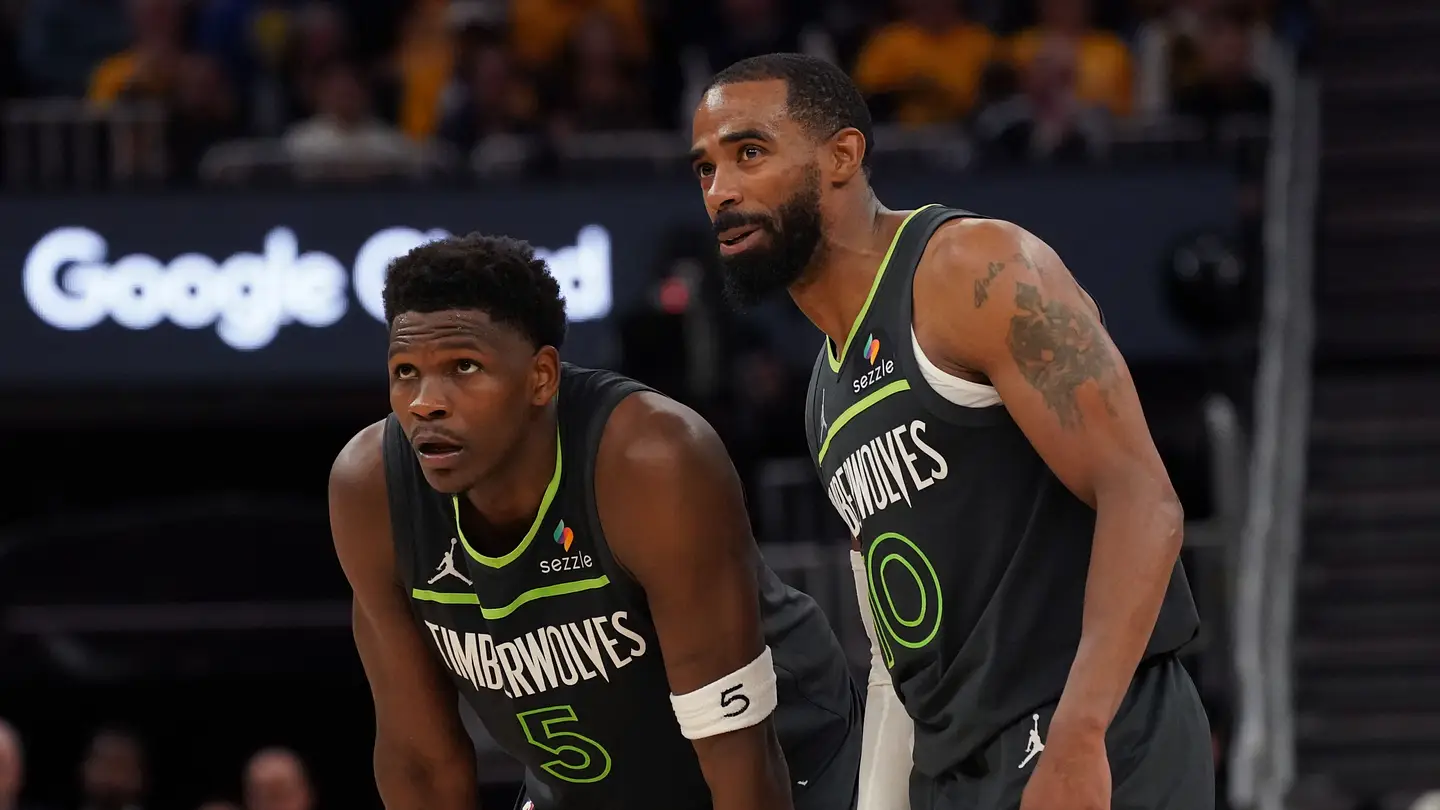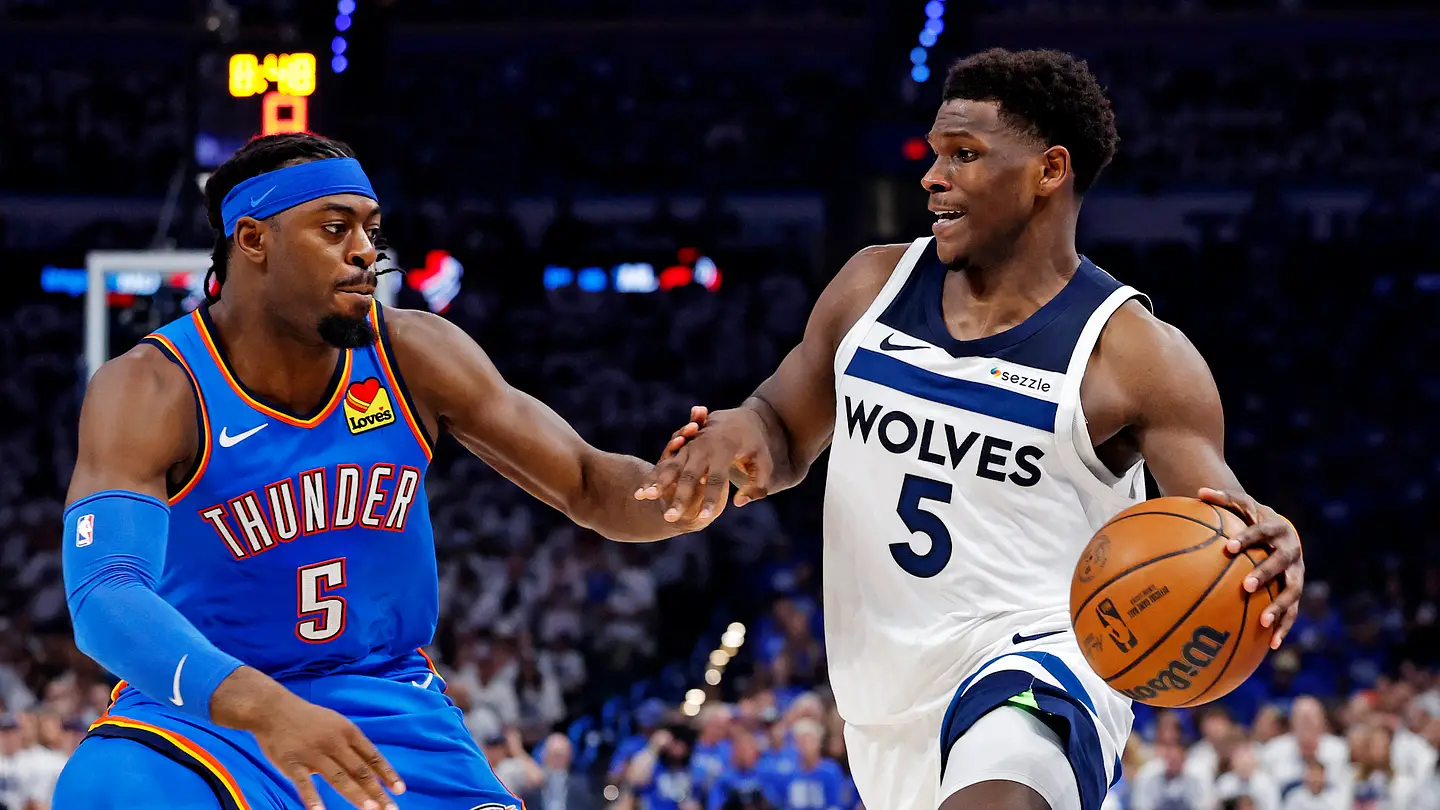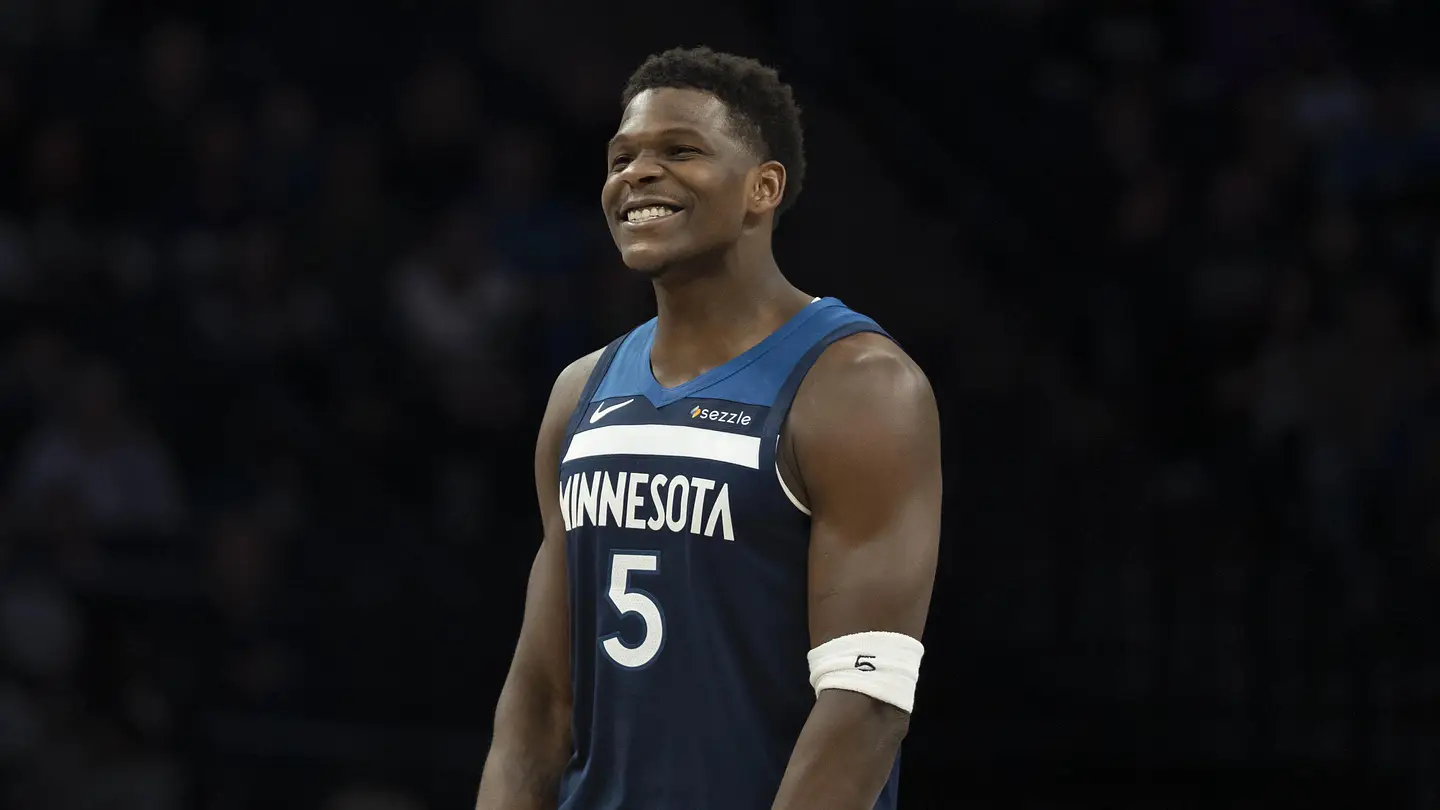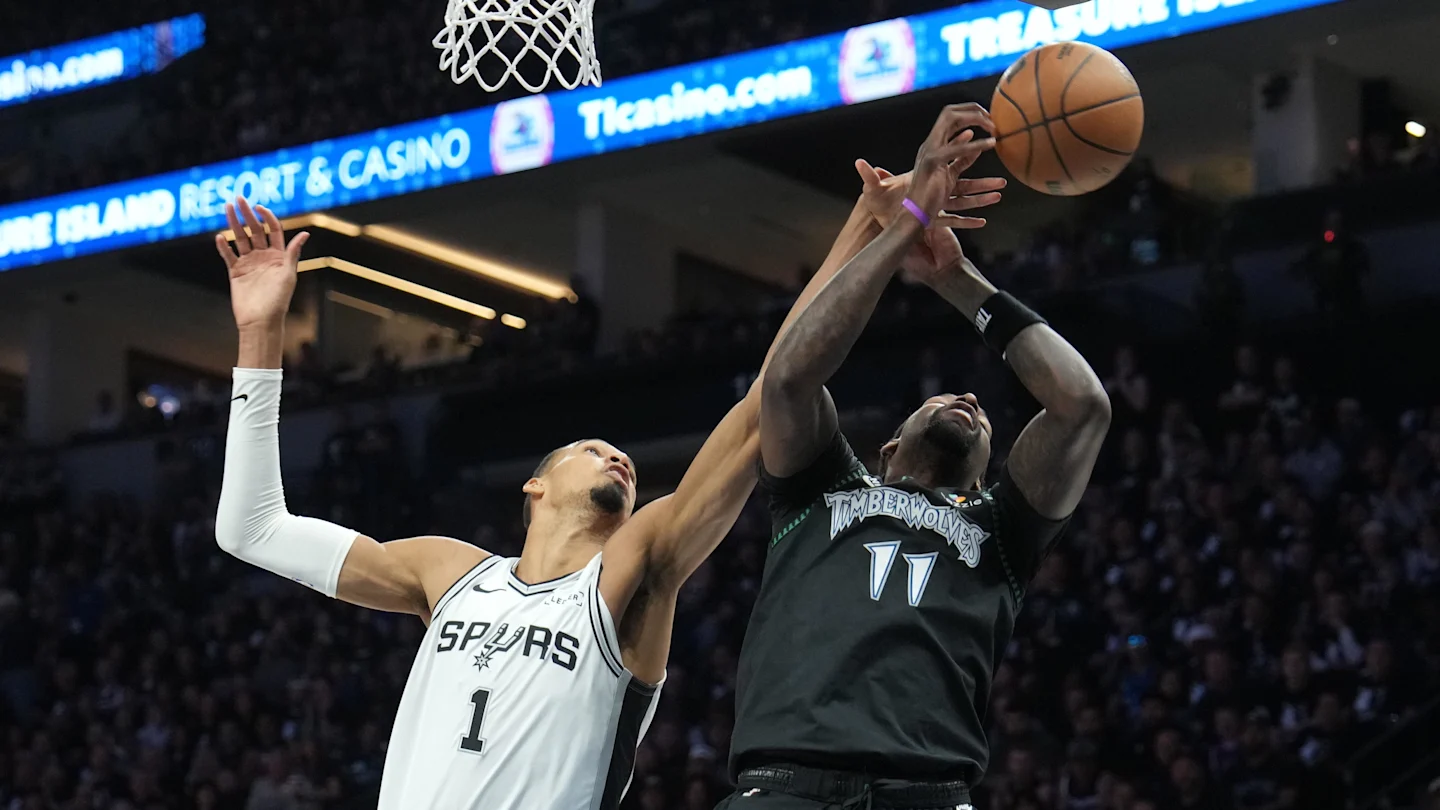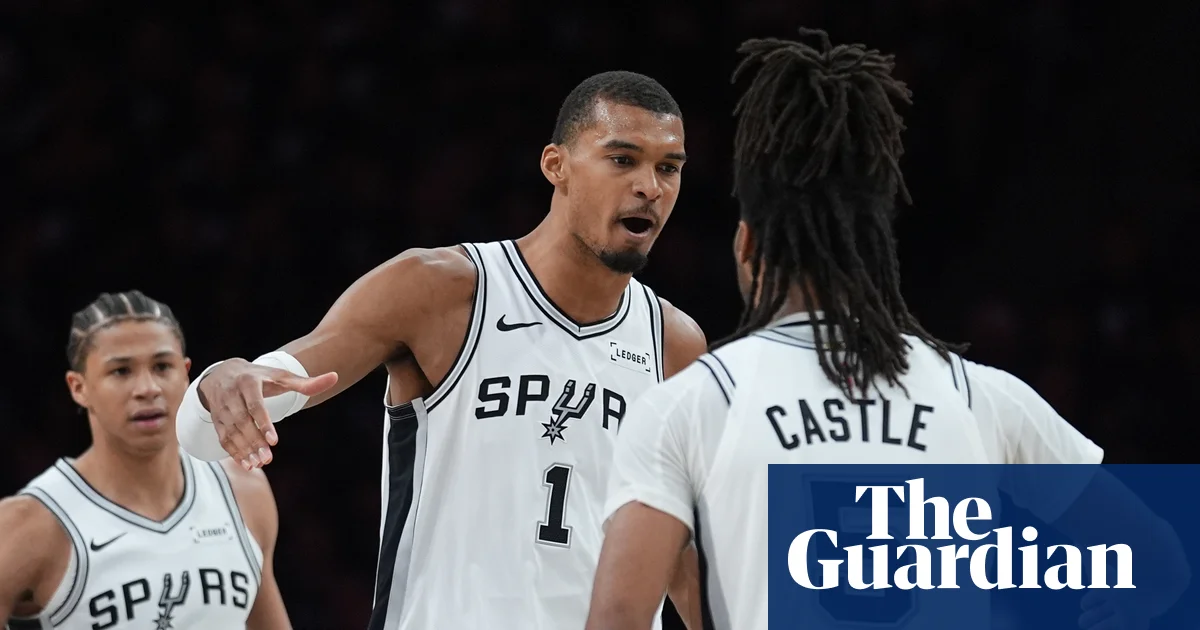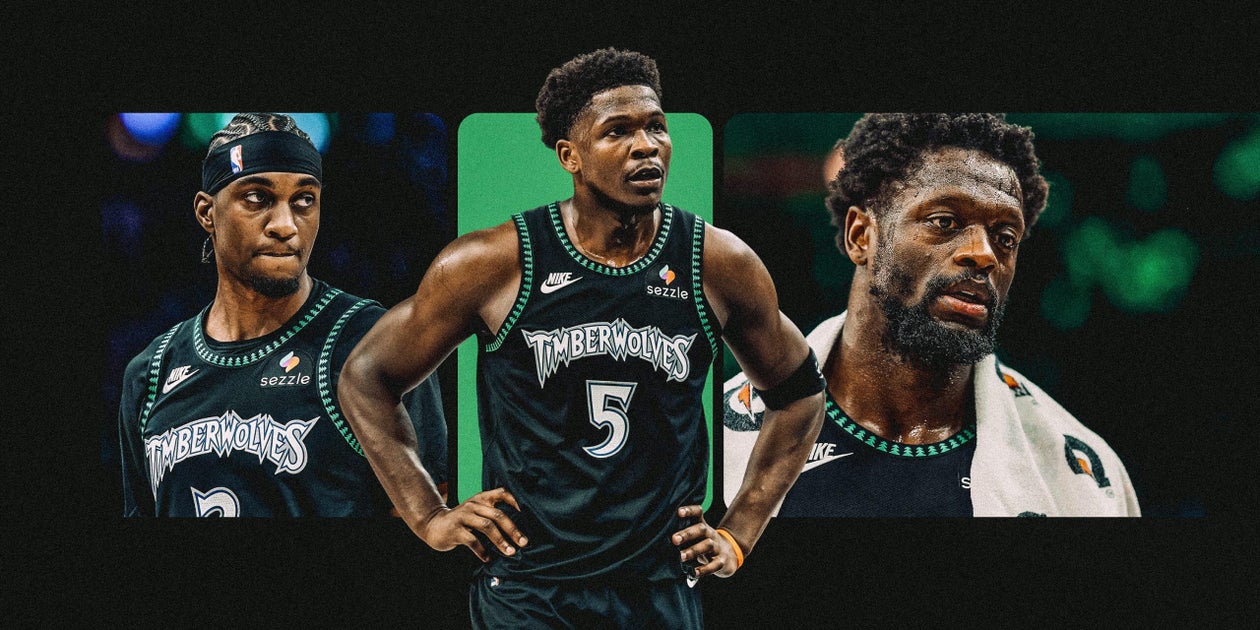
MINNEAPOLIS — In the cavernous backstage area at Intuit Dome in Southern California, the Minnesota Timberwolves slinked to the bus after giving up 153 points in a loss to the LA Clippers.It was the middle of March, and the Timberwolves had lost three in a row in decisive fashion. The team that they said they were, the fighters that never went down easy, were nowhere to be found. As the inseparable combo of Jaden McDaniels and Naz Reid walked to the bus, someone close to the team offered an observation.“If everyone was as tight as those two, we would have something,” he said.For much of this season, the Wolves were a frustrating, disconnected bunch, a group that overpromised and underdelivered when they started training camp talking about a title and ended up winning the exact same number of games (49) in the regular season as they did the previous season. But as soon as the playoffs started, the puzzle pieces seemed to lock into place.All of the qualities lacking in the regular season — toughness, cohesion, resilience — started to emerge. They were ferocious in a first-round knockout of their rivals in Denver. They were resourceful in the early part of their second-round defeat to San Antonio, grinding against a 62-win team while saddled with injuries to three key players.But for the third straight season, a spirited run ended with a whimper, this time a 139-109 Game 6 drubbing at home by the smarter, more precise Spurs team. The Wolves feel further away from their championship aspirations than they have been in the last four years. Three of their four losses came by 38, 29 and 30 points, a wipeout of humbling proportions. Now they are looking up at two teams at the top of the West — the Spurs and Oklahoma City Thunder — that are younger, better and not going anywhere anytime soon.“I think they were the better team,” Wolves center Rudy Gobert said. “We feel like we had a chance to beat these guys. But when it came down to the court, they clearly outplayed us in three games. Now it’s about looking at why and understanding why.”There are valid reasons for the Wolves hitting the wall one round earlier than they did the previous two seasons. Anthony Edwards was playing on two bad knees, an inspiring performance while operating at about 70 percent of his normal quickness and athleticism. But the Wolves needed all 100 percent against Victor Wembanyama and the tenacious Spurs defense.Ayo Dosunmu was also limited by a calf injury, missing Game 1 and playing tentatively in the next three before finally starting to resemble the impactful player they acquired at the trade deadline. Naz Reid battled through a shoulder injury for the last two months of the season, and Donte DiVincenzo, who would have been a crucial component to combat San Antonio’s aggressive trapping of Edwards, tore his right Achilles tendon in Game 4 of the Denver series.Now more than ever, the NBA playoffs have become an endurance test, as much as they are a measure of skill and talent. The prevalence of soft tissue injuries to key players and the breakneck pace of play mean teams can no longer count on remaining healthy through the four-round meatgrinder. So the injuries to DiVincenzo, Edwards and Dosunmu were unfortunate, but not unique to Minnesota.The Wolves were able to replace the maddening complacency of the regular season with defiant desperation to beat the Nuggets and reach the second round for a third straight season. But that silver lining cannot blind them to the reality of their lot in life.The Thunder and the Spurs are a cut above. Luka Dončić will be healthy next season and the Los Angeles Lakers will be right back in the hunt. The Houston Rockets’ youngsters will be a year older and Fred VanVleet will be back on the court. Dallas, Utah and Portland are all on the come-up. It will only get more difficult from here.“You either gotta be a problem or have a solution,” Wolves coach Chris Finch said. “You have to be built in a way that troubles your opponent with something they don’t have or have something to counter what they do have.”Edwards will turn 25 in August, and he is going to need more help if the Wolves are going to avoid being left in their dust.The Wolves finished 13 wins behind second-seeded San Antonio and 15 behind the defending champions in Oklahoma City in the West standings. That is a massive gap to make up, especially given how many good things happened for them this season.After playing so well in the first two rounds of the playoffs last season, Julius Randle really struggled this series. He was 1-of-8 from the field and scored just three points in 24 minutes in the Game 6 loss to the Spurs, unable to handle Wembanyama and the aggressive Spurs defense.Gobert, one of Minnesota’s two best players in the first round win over Denver, couldn’t hurt the Spurs on offense and had no answers for Wembanyama on the other end. Jaden McDaniels’ 3-point shooting fell off a cliff in the playoffs after a career year during the regular season, and DiVincenzo will likely miss most of next season rehabbing his injury after providing an essential spark in his second season in Minnesota.Something has to give.“I don’t know man,” Edwards said when asked what needs to happen for the Wolves to close the gap on the Spurs and Thunder. “I don’t think that’s a question for me.”Edwards made another leap in Year 6, becoming one of the best crunchtime scorers in the NBA and inspiring his teammates with the toughness he showed in coming back from a hyperextended knee in just eight days. He told teammates he really believed that if he could get back on the court after his injuries, the Wolves could win a title. He pushed his body to the edge to try to make it happen.He has proved to be a playoff riser, the kind of star who can win games all by himself. But if the Wolves are going to conquer a Western Conference that is deeper and tougher than ever, they have to upgrade his supporting cast. That was never more apparent than in Game 6, when McDaniels (4 for 13 for 13 points and one rebound), Randle (1 for 8 for three points) and Gobert (scoreless on 0-for-4 shooting with only three rebounds) failed miserably.Now they will plunge into a challenging offseason with some ground to make up. Last summer, president of basketball operations Tim Connelly prioritized continuity, wanting to give the core that made that run to the conference finals a chance to build on the late-season success of 2025.That approach won’t work this time around, not with the Spurs and Thunder standing in their way and Edwards entering his prime. Nor should it be expected. Connelly has been one of the most aggressive deal-makers in the league since he came to Minnesota four years ago. He has made blockbuster trades for Gobert and Randle/DiVincenzo. He has also made smaller, but very impactful, trades for Mike Conley, Nickeil Alexander-Walker and Dosunmu.But the deals he hasn’t been able to pull off should serve as the biggest indicator that change is coming. Two years ago, Connelly was feverishly trying to line up a series of moves to make it possible for the Wolves to land Kevin Durant from Phoenix. Team and league sources told The Athletic that there was a point in the hours before the trade deadline in 2025 that the Wolves believed they were in position to execute, but the Suns ultimately decided not to pull the trigger.This season, Connelly was working on another groundbreaking maneuver. With speculation swirling about Giannis Antetokounmpo’s future in Milwaukee, the Timberwolves were one of several teams trying to trade for the Bucks star.Their efforts were well known throughout the league and in their own locker room. It did seem to have an adverse effect on the existing roster around the trade deadline. Randle, in particular, went through a rough stretch of performances that coaches and teammates believed were directly connected to his name being bandied about in trade rumors.This summer will likely be filled with more of them. The Bucks are expected to entertain offers for Antetokounmpo with a seriousness that they did not have in February. Connelly will likely try to re-engage on that front while also looking at other options around the league.The most obvious avenue for the Timberwolves to look at a major change is in the frontcourt. Randle ($33 million), Gobert ($36.5 million) and Reid ($23.3 million) are set to be paid almost $95 million next season. Randle and Gobert have two more years left on their contracts while Reid is signed through 2029-30.Gobert turns 34 in June, and Randle will be 32 in November, with the clock ticking on their ability to surround Edwards (24), McDaniels (25) and Reid (26) in the Timberwolves’ young core.The Wolves have done a good job of putting a team around Edwards to get him deep playoff experience young in his career. Now the goals have changed. The reason he pushed himself so hard to come back early from his hyperextended knee is because he truly believed this team was capable of winning a title. Just winning a series or two is no longer enough.That is why Connelly has been so active and realistic in looking at this roster. Nearly every big name that has come available over the last few years, from Durant to Antetokounmpo to Ja Morant and James Harden, has at least been discussed internally. That will only shift into overdrive now.The Wolves can trade their No. 28 pick in this year’s draft and their 2028 first-round pick, giving them some draft compensation to add to a potential package for a star like Antetokounmpo.Minnesota could also use more ballhandling and another shooter with DiVincenzo sidelined. The Wolves will prioritize re-signing Dosunmu, who will be an unrestricted free agent on July 1, after sending Rob Dillingham, Leonard Miller and four second-round picks to the Chicago Bulls for him. Dosunmu was a perfect fit with his scoring, defense and size in the backcourt, but it remains to be seen what kind of number he will command on the open market.Mike Conley will mull retirement but could return on a cheaper deal. Bones Hyland will also be a free agent.They also have to make room in the rotation for promising young center Joan Beringer, the team’s first-round draft pick in 2025 who played only sparingly as a rookie. The Wolves love his athleticism, shot-blocking instincts and work ethic. Another season on the bench does not seem feasible, but the pathway to significant playing time likely resides in breaking up the three-man big rotation of Gobert, Randle and Reid.McDaniels displayed a much deeper offensive bag than anyone thought was possible and owned the Nuggets series. He averaged a career-high 14.8 points, 2.7 assists and shot 41 percent from 3. If he is elevated to the No. 2 scoring option behind Edwards, it could empower him in a way he has not been in his first six years on the team.One bright spot for the Wolves is that they appear set to bring the front-office staff back next year intact. Connelly was a candidate for the top job in Dallas, but team sources told The Athletic that there were never any discussions between the Mavericks and Connelly before Masai Ujiri was hired.General manager Matt Lloyd, who works directly under Connelly, was a finalist for the Chicago Bulls’ lead executive job. He interviewed for the position, but the Bulls hired Bryson Graham from Atlanta.That is disappointing news for Lloyd but great news for Minnesota. Lloyd is a beloved figure in the organization. His staying in Minnesota has buoyed the spirits of employees on the business and basketball sides of the operation.Connelly and Lloyd are two of the most respected executives in the league. Another season with them in charge should only help the Wolves’ efforts to close the gap on Oklahoma City and San Antonio, but there is work to be done. Connelly will be entering the final season of his contract, and Timberwolves ownership wants to get an extension done with him, team sources said. Finch has two more years left on his deal and will be back for his sixth full season next year.As disappointing as the finish to this season was, the Timberwolves do feel good about the core of Edwards, McDaniels, Reid and Beringer going forward. They will have some big decisions to make, but were encouraged by how the team did pull together to play for one another in the playoffs.Had they been a little healthier, who knows what would have happened in the second round? But that doesn’t take away from the climb that lies ahead of them. They have fallen behind, and running it back again won’t be enough in the West. Every offseason, Edwards has added something to his game, coming back a more well-rounded player. But when he was asked about what he would add this summer, his answer illustrated the sudden and unexpected nature of the team’s demise.“I wasn’t expecting to be going home this early,” he said after scoring 24 points in the finale, “so I haven’t thought about what I’m going to add to my game.”
The Timberwolves thought they were built for this. Then they ran into Victor Wembanyama
After playoff exit, Minnesota is entering a defining offseason with a core that still hasn't broken through.
2,238 words~10 min read