Growing up in Brazil in the 1960s and 70s, I had no frame of reference for free speech. My Spanish mother had grown up with Franco, so all we knew were dictatorships. We were careful with what we said as a habit. When I was eight years old, the reality of censorship entered my life in a direct way. It was 1968, and I was obsessed (like all the other children in our village) with the International Song Festival. At the time, forty percent of the country (including my mother, my sisters and me) was illiterate, and music was our speech, our religion. Everyone watched the song festivals, and people placed bets on who would win.Article continues after advertisement
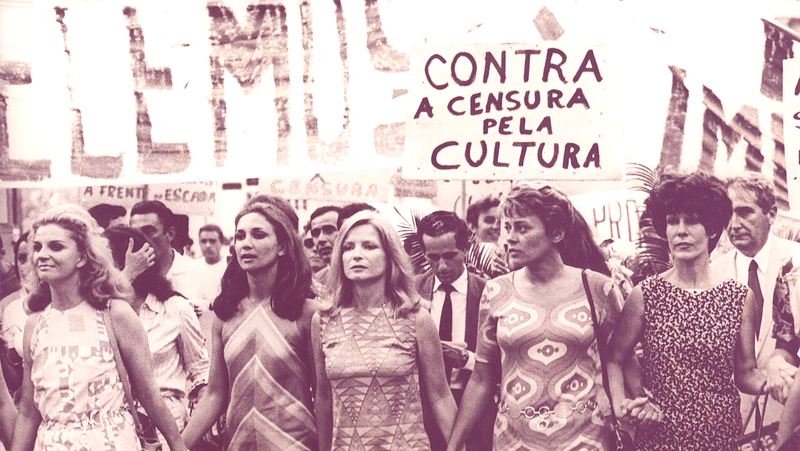
1968 was a time of political turmoil in Brazil. A high school student had been killed, and thousands took to the streets of Rio in what came to be called “The March of the Hundred Thousand.” We lived in a small rural village, so we were sheltered from the demonstrations and the violence happening in universities and cities across the country.
Until the International Song Festival, when the tensions in the country played out on national TV for all to watch.
I’d taken censorship for granted, imagining it was part of what governments did everywhere. I’d assumed that part of the cost of being an artist was the risk of being exiled. Or worse.