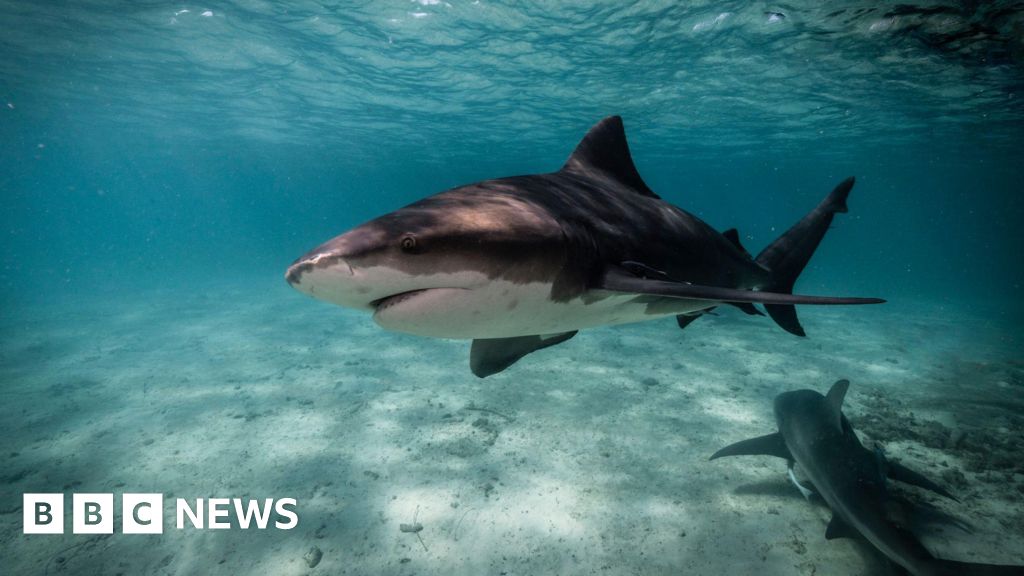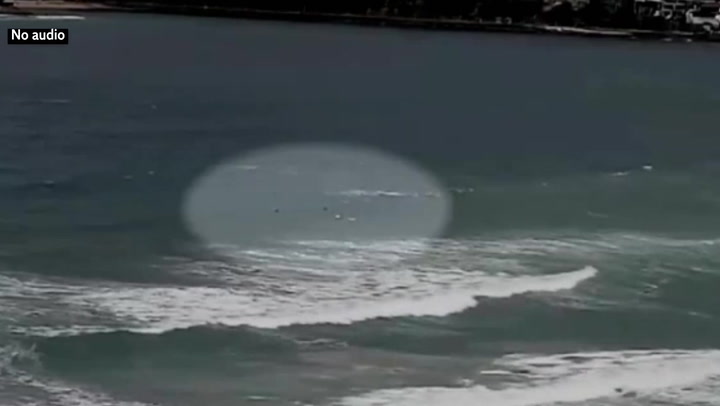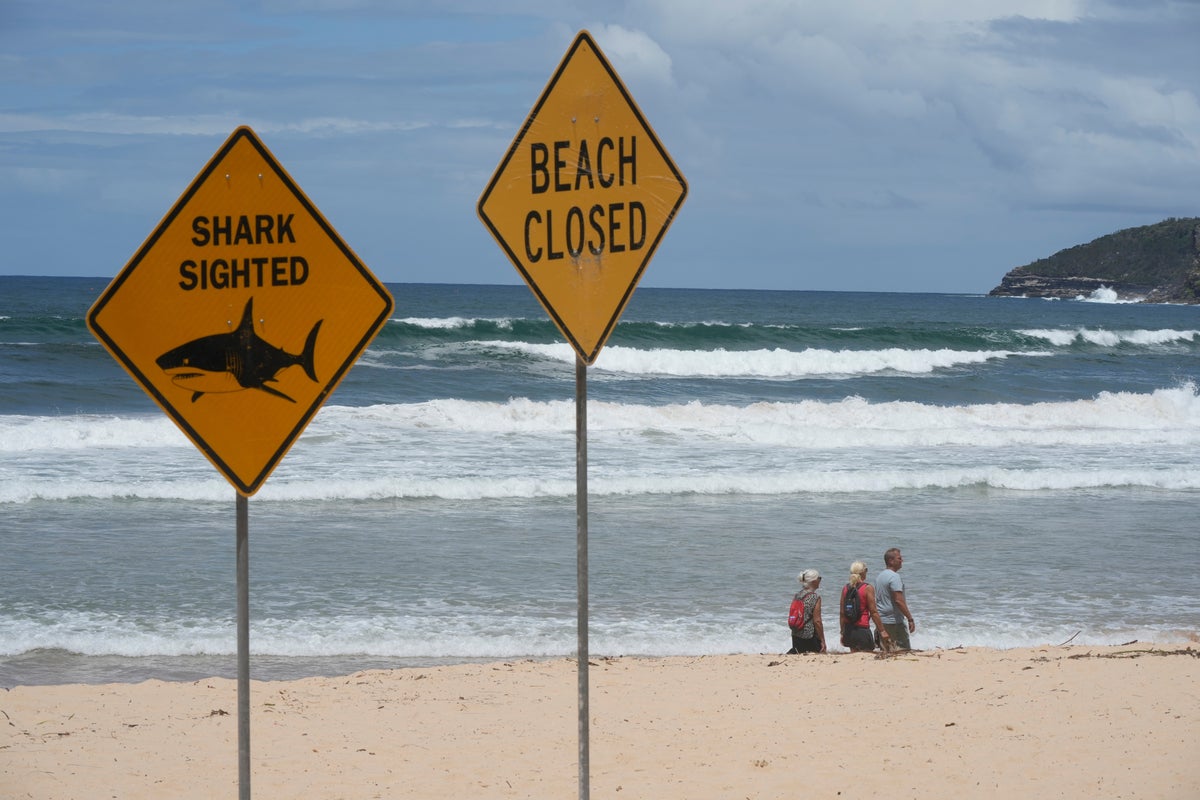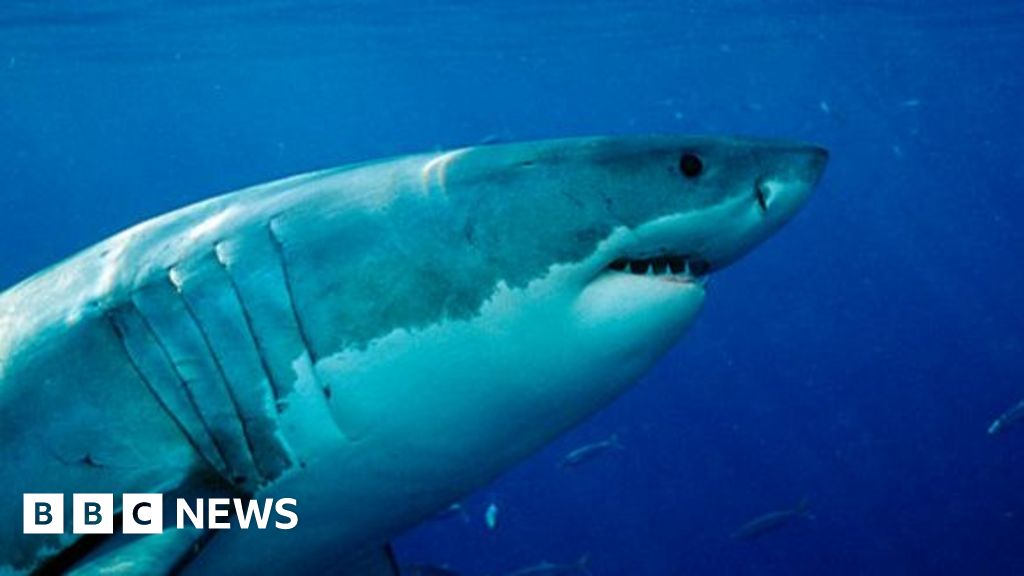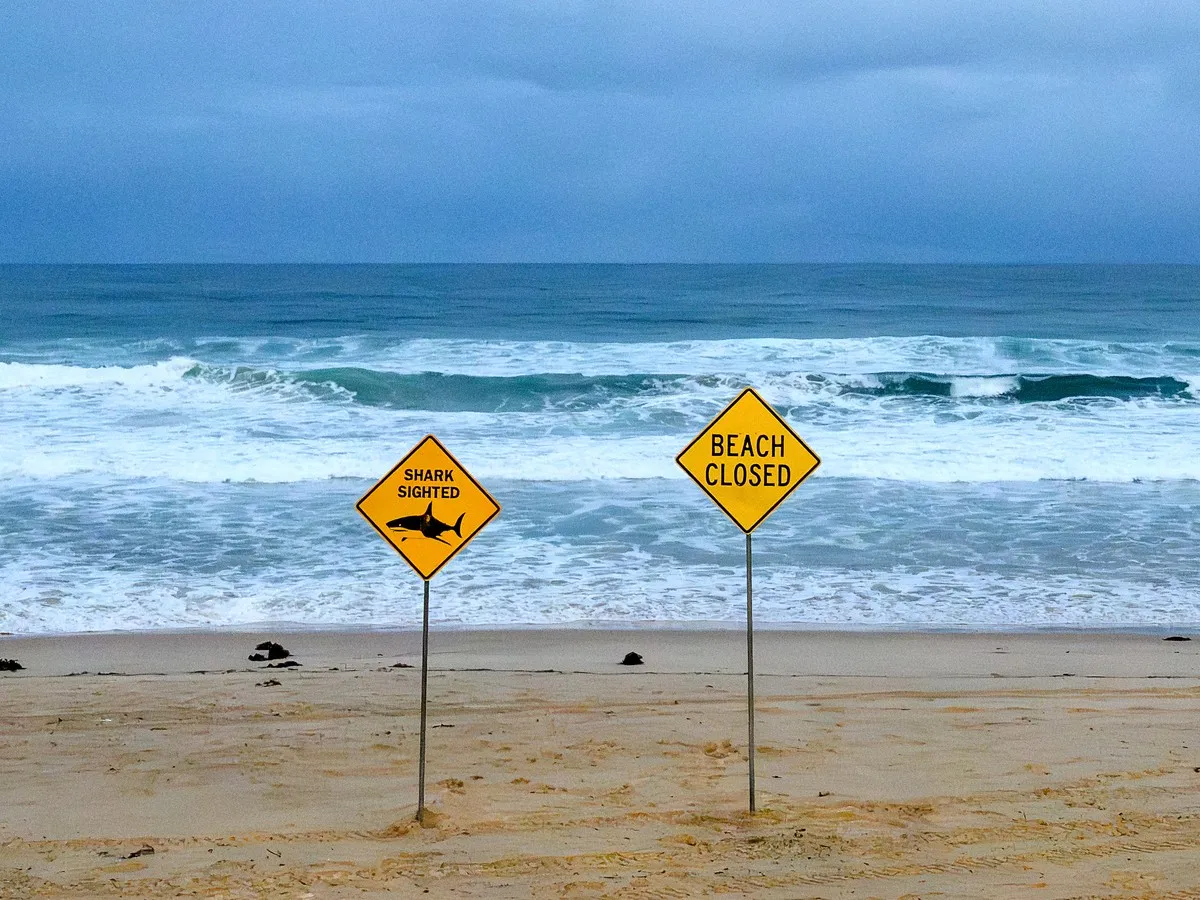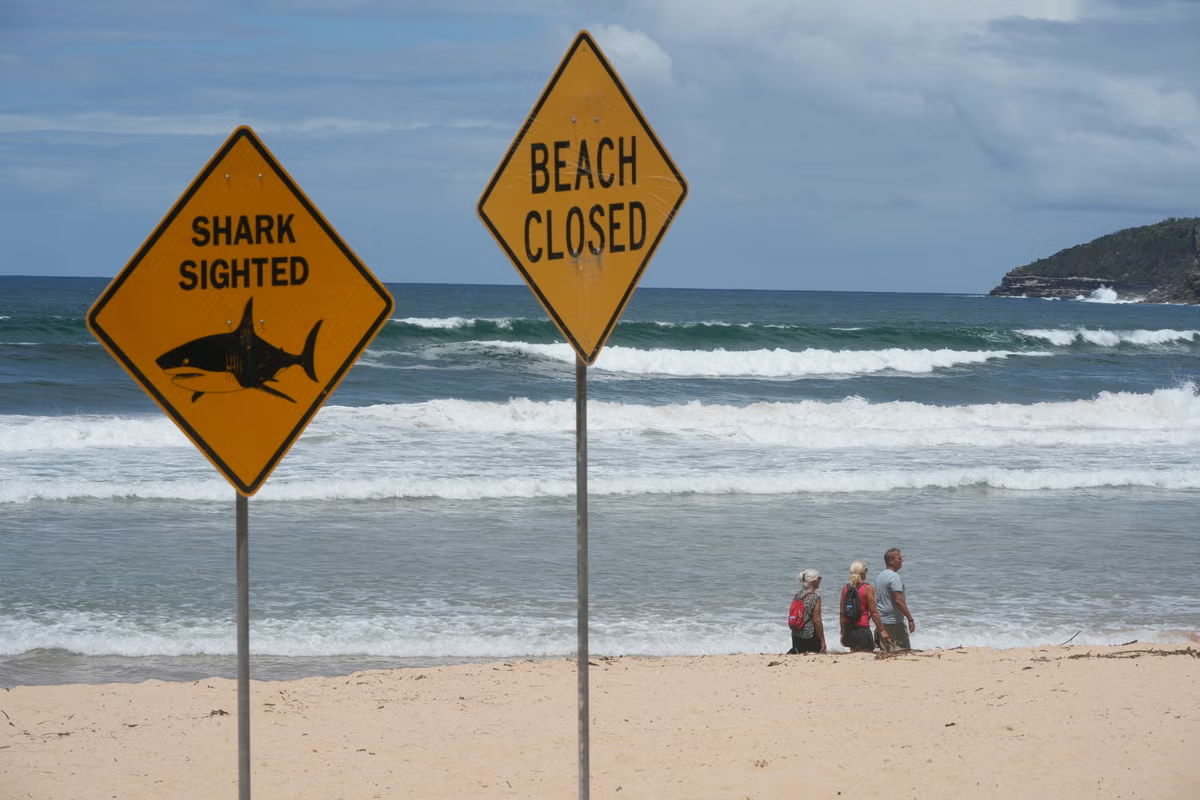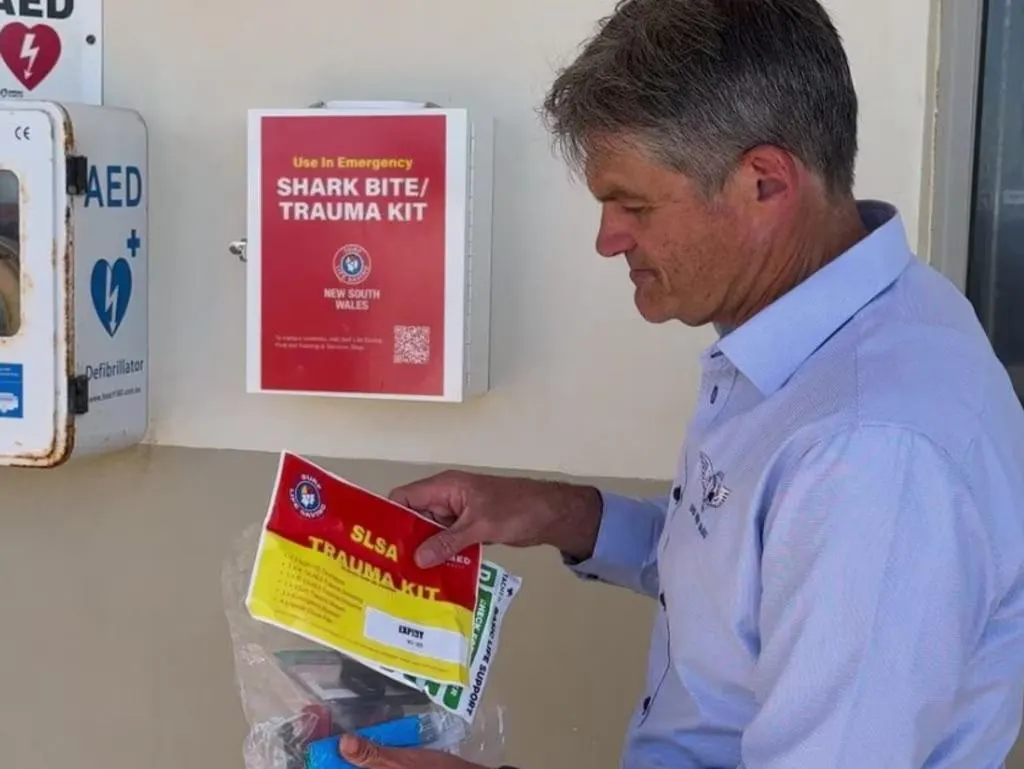
Shark bite trauma kitSurf Life Saving NSWA new network of shark-bite trauma kits is being rolled out across 129 beaches in New South Wales, a move designed to give everyday beachgoers and lifesavers faster tools to respond when seconds matter most.The announcement by Surf Life Saving NSW chief Steve Pearce marks a practical shift in how coastal emergencies are managed. Instead of waiting for paramedics to arrive, these kits will be mounted on surf club walls, ready for immediate use by trained responders or bystanders in critical moments. “Volunteer surf lifesavers are in most instances the first emergency service responding to shark bite incidents and so we are always looking to introduce improvements in equipment and responses to support our protection of those communty members visiting the coastline,” SLSNSW CEO, Steve Pearce said. “We believe that by ensuring our surf clubs are equipped with these publicly accessible Shark Bite Trauma Kits, we are addressing a major need and providing a safeguard against the possibility of a serious incident unfolding.”Humane World for Animals Australia has welcomed the move. Campaign Director and Northern Beaches resident Nicola Beynon described the kits as an important addition to the existing toolbox of shark bite response strategies. From a purely emergency response perspective, that framing makes sense. If someone is injured, what resources are available in those first few minutes? But the conversation did not stop at emergency care because at Dee Why Beach, the very beach that Mr Pearce made his address on, Humane World for Animals Australia says century-old shark nets still sit offshore each summer. “Dee Why Beach on Sydney’s Northern Beaches is one of 51 beaches between Newcastle and Wollongong where shark nets are installed each summer, with the program dating back to 1937,” they said in a statement. According to the NSW Government’s website regarding the Shark Meshing (Bather Protection) Program, “these beaches are netted by contractors using specially designed meshing nets to reduce the chances of interactions with White, Tiger and Bull Sharks, collectively referred to as ‘target sharks’ of shark mitigation in NSW. The nets do not create a total barrier between people and sharks. They are designed to intercept target sharks near meshed beaches to reduce the chance of an interaction.” But is the government holding on to familiar systems because they offer visible reassurance, even if their effectiveness is contested? Because it has been contested, time and time again. The Fisheries Scientific Committee (FSC) reviewed the NSW Shark Meshing Program for the 2024-2025 annual performance report for the Shark Meshing (Bather Protection) Program and raised serious ongoing concerns about the program, with one focus around the bycatch numbers. One major concern of these nets is that they are indiscriminatory in what gets tangled in them. They don’t just capture the above three shark species but countless other innocent animals including other shark species, turtles, cetaceans, and more (even with the net fitted with “acoustic warning devices, such as dolphin pingers and whale alarms to deter and minimise the risk of entanglement to those marine mammals”). In the 2024–25 season, 223 animals were caught, but only 11% were target species. Around 22% were threatened or protected species, and more than half of those died. This included critically endangered and vulnerable sharks such as white sharks (Carcharodon carcharias), grey nurse sharks (Carcharias taurus) and great hammerhead sharks (Sphyrna mokarran).The FSC continued with their serious ongoing concerns about the program in a letter to the Tara Moriarty, the Minister for Agriculture, Regional NSW and Western NSW stating: “The FSC remains frustrated that the SMP continued to rely heavily on the use of nets during the 2024-25 season, despite substantial evidence and growing support from multiple councils, NGO’s and the community for their removal. There is now a range of more effective and sophisticated technologies that minimise the impacts to threatened species such as the SMART drumlines and the use of drones.” They also highlighted insufficient scientific monitoring, noting that only 10.7% of trips had observer coverage, well below the recommended 20%, which limits confidence in the data collected. MORE FOR YOUSo what exactly is their current function in a modern coastal management system? Humane World for Animals Australia has called for what it describes as an “out with the old, in with the new” approach. And thankfully, innovation is already happening. The NSW Shark Management Program, led by the Department of Primary Industries and Regional Development, operates one of the most extensive aerial and drone surveillance systems in the world. More than 65,000 drone flights were conducted in a single summer season, observing over 1,500 sharks. The NSW government is also investing an additional $6.7 million this financial year into the 2025/26 Program, including more Surf Life Saving NSW shark surveillance drones (an additional 30 beaches covered), new tagged shark listening stations in Sydney Harbour, bull shark research in Sydney Harbour and other estuaries, and education (e.g., SharkSmart education campaign, an additional mobile education van, new and updated signage and increased social media alerts and community warnings during periods of elevated risk). This represents a different philosophy entirely: track, understand and respond rather than attempt to physically alter marine movement patterns.So where do trauma kits fit into this evolving landscape? They sit in a very human space. Between prevention and policy, between ocean ecology and public safety. They represent a commitment to not controlling sharks but improving human survival when encounters occur. This distinction matters because it forces a more nuanced question from the government: when we talk about shark safety, are we trying to reduce encounters, reduce harm or reduce fear? Those are not always the same goal. And when those goals diverge, how should policy respond?Perhaps the most important shift is not just in equipment or infrastructure, but in mindset. The ocean is not becoming more dangerous, our ability to observe it, respond to it and understand it is becoming more sophisticated. And while it doesn’t eliminate risk (and it never shall), it does certainly reframe it in a way where those who interact with the ocean can be better informed about their choices and the consequences of those choices.
Shark-Bite Trauma Kits Roll Out Across Australia Beaches As Debate Over Shark Nets Continues
Surf Life Saving NSW has announced 129 publicly accessible shark bite trauma kits across New South Wales beaches to improve emergency response times and reduce fatalities.
1,022 words~5 min read