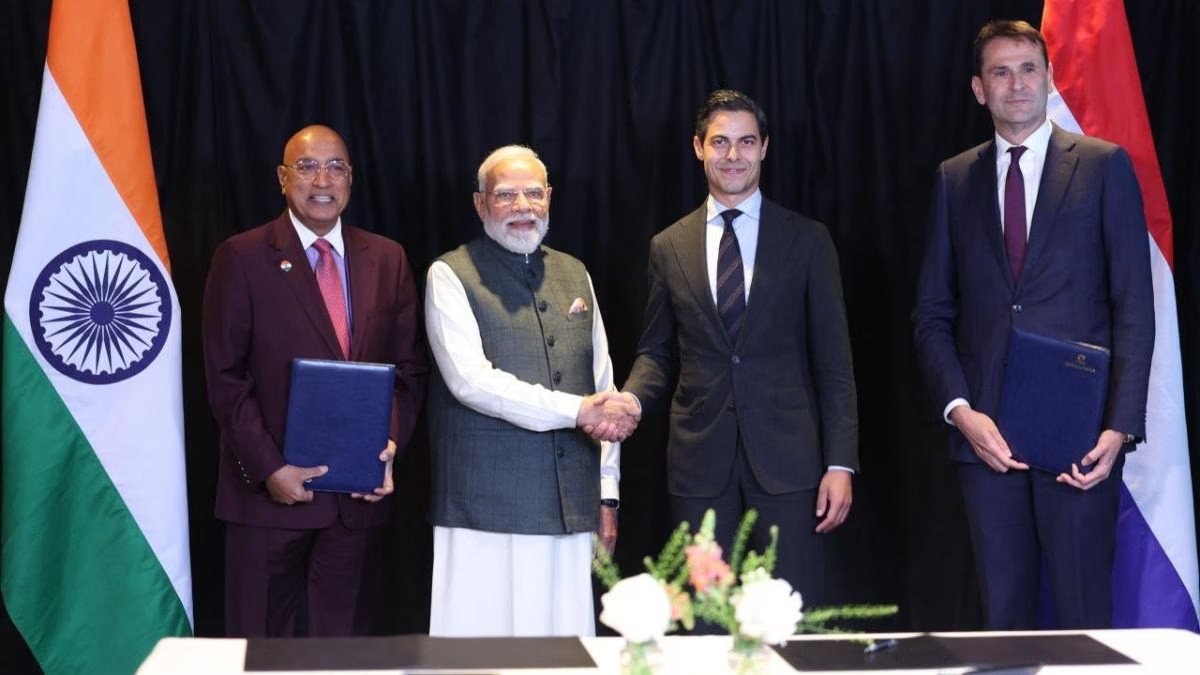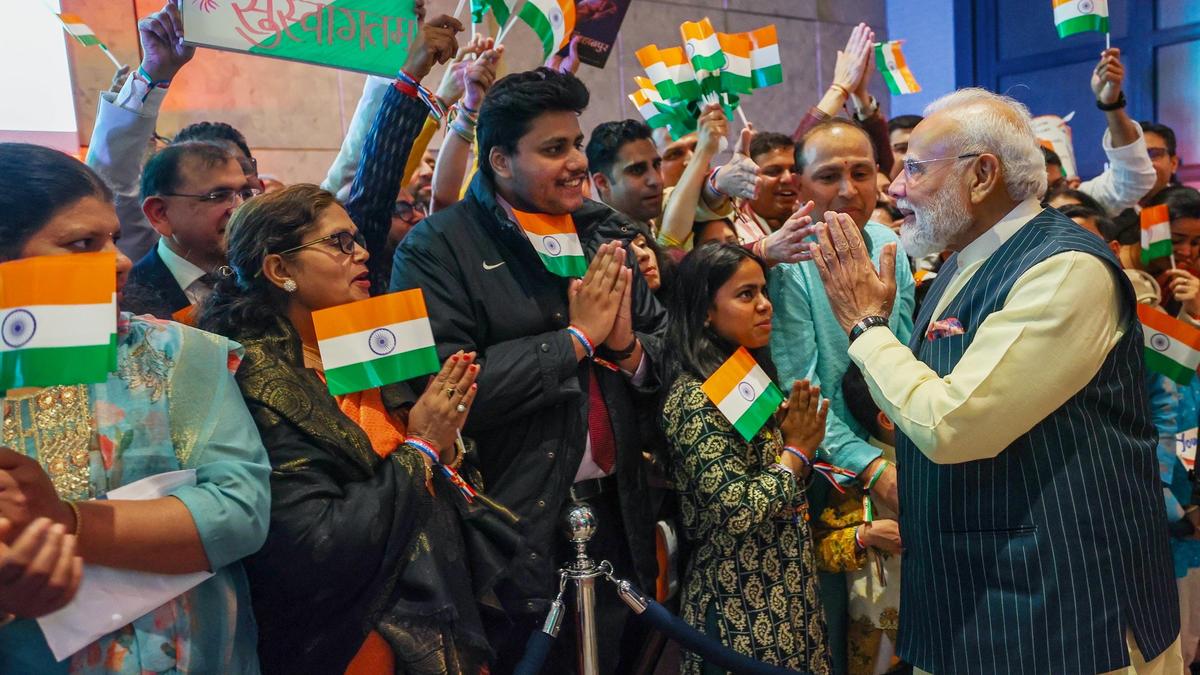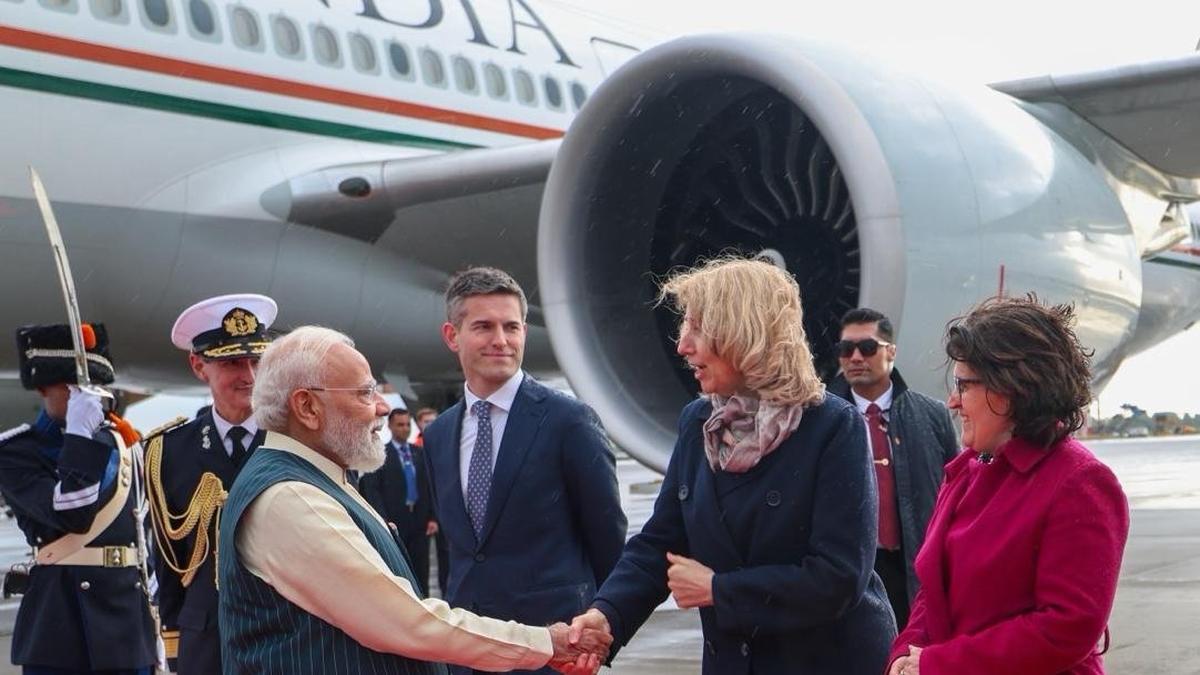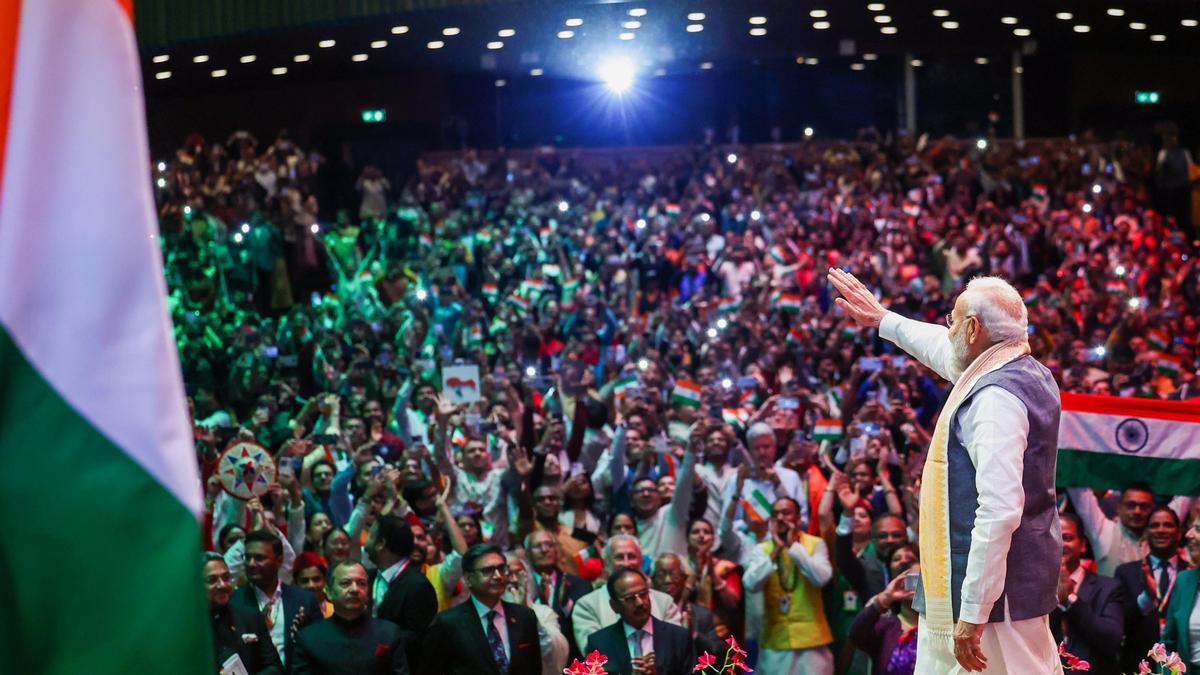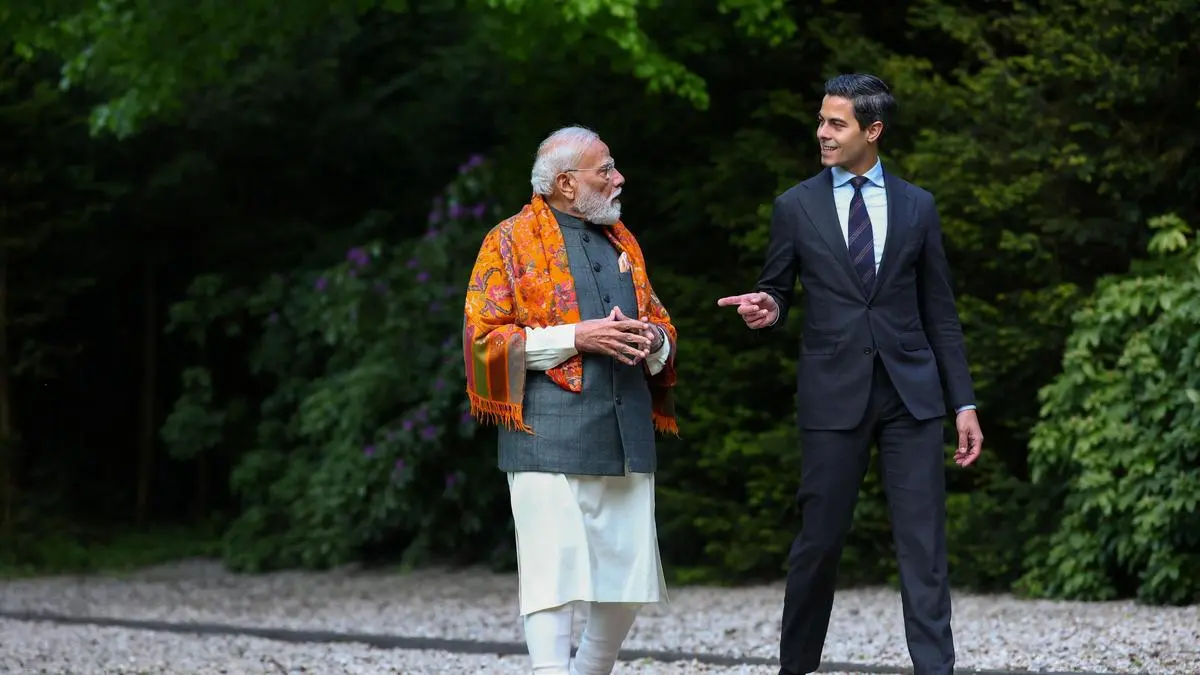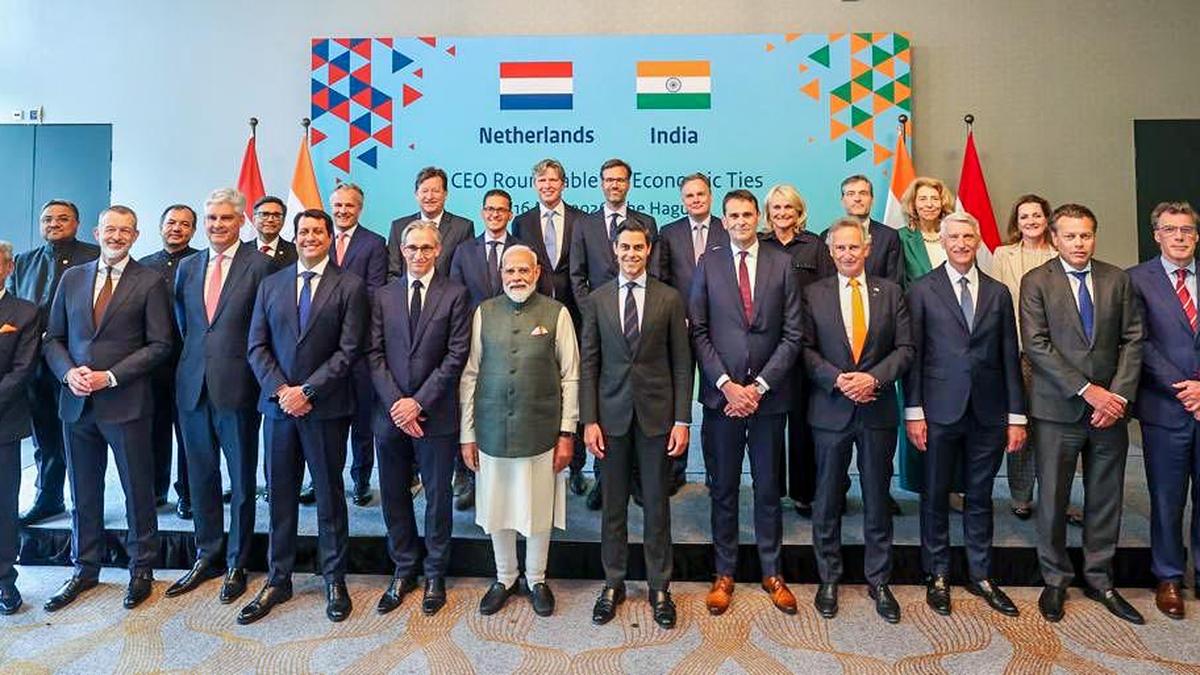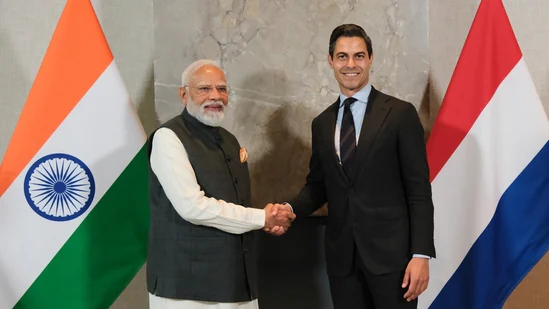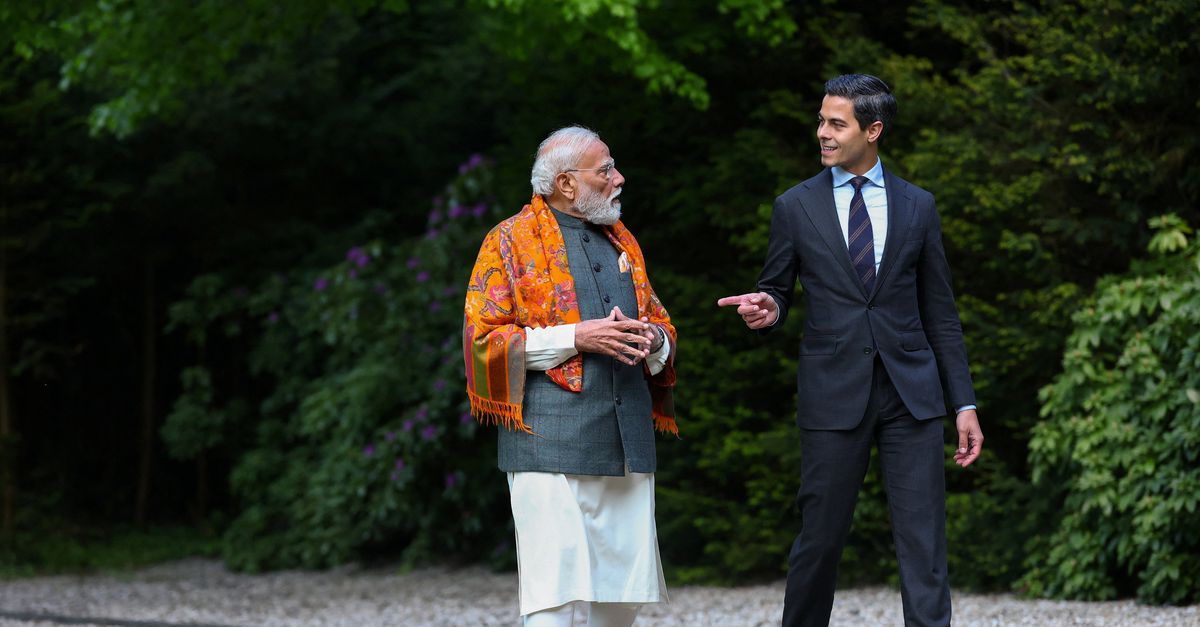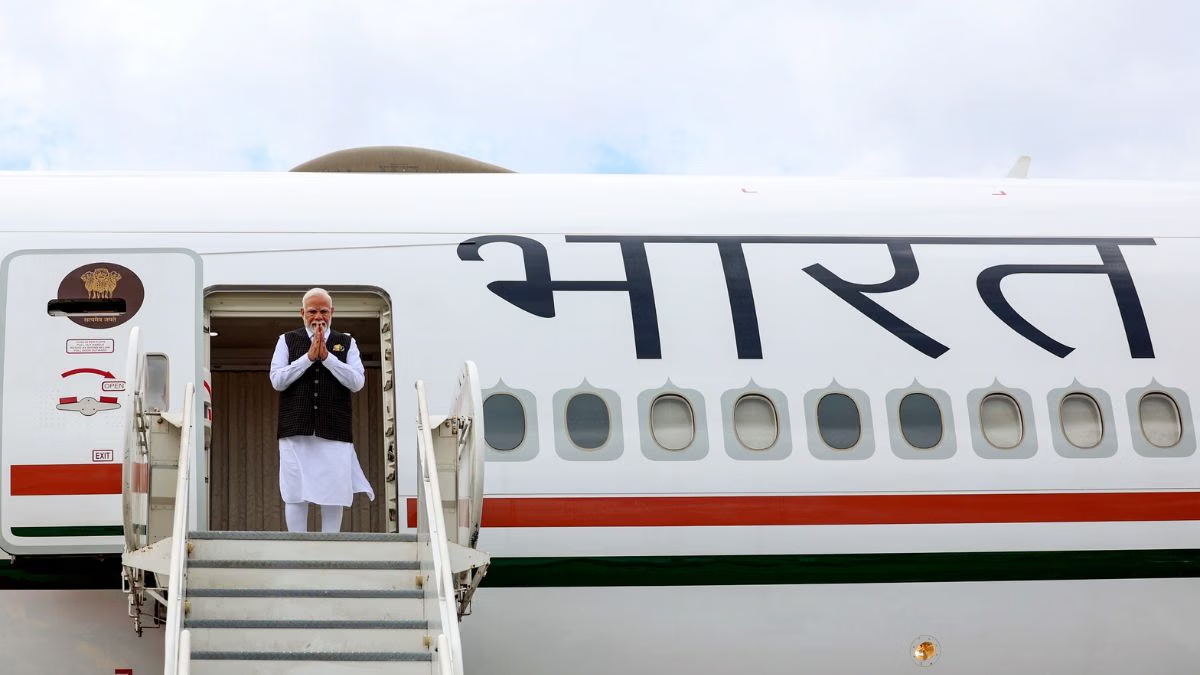
When Prime Minister Narendra Modi visits the Netherlands in the coming days, it will carry significance far beyond diplomacy or trade. For thousands of Indo-Dutch families, it will also be a moment of historical recognition.
Many among them are descendants of Indians who left colonial India nearly 150 years ago as indentured labourers for plantations in Suriname, Guyana and other Caribbean territories after the abolition of slavery. Over generations, these communities crossed yet another ocean and settled in the Netherlands, creating one of the world’s most remarkable diaspora journeys.Thousands of impoverished Indians, largely from present-day Bihar and Uttar Pradesh, boarded ships under indenture contracts, often unaware of what awaited them. They crossed the dreaded “kala pani,” leaving behind villages, families, languages, and familiar worlds.
Among the most remembered ships was the Lalla Rookh, which arrived in Suriname in 1873 carrying the first large group of Indian labourers under Dutch colonial rule. Even today, the name evokes deep emotion among Indo-Surinamese communities. Family memories still speak of migrants carrying small copies of the Ramayana, tulsi leaves, or handfuls of soil from their villages—fragile symbols of a homeland they feared they might lose forever.Life on the plantations was harsh. Labour was gruelling, discrimination pervasive, and survival uncertain. Yet these migrants preserved Bhojpuri songs, festivals, food traditions, and faith with extraordinary resilience. Temples emerged beside sugar plantations. Ramayana recitations continued after exhausting workdays. Cultural memory survived oceans and the empire.Over generations, the descendants of these labourers became teachers, traders, politicians, professionals, and entrepreneurs, contributing significantly to the national life of Suriname and Guyana.