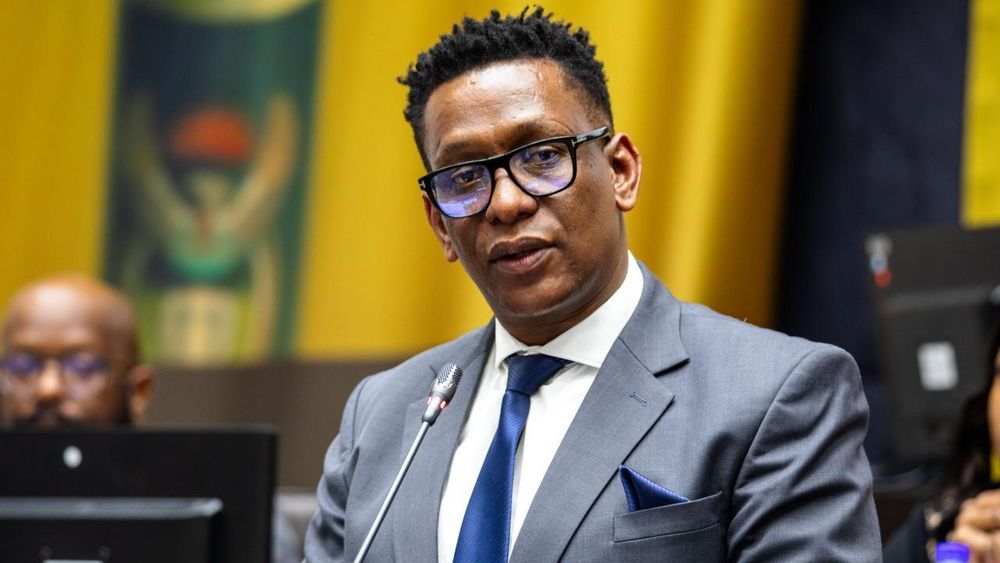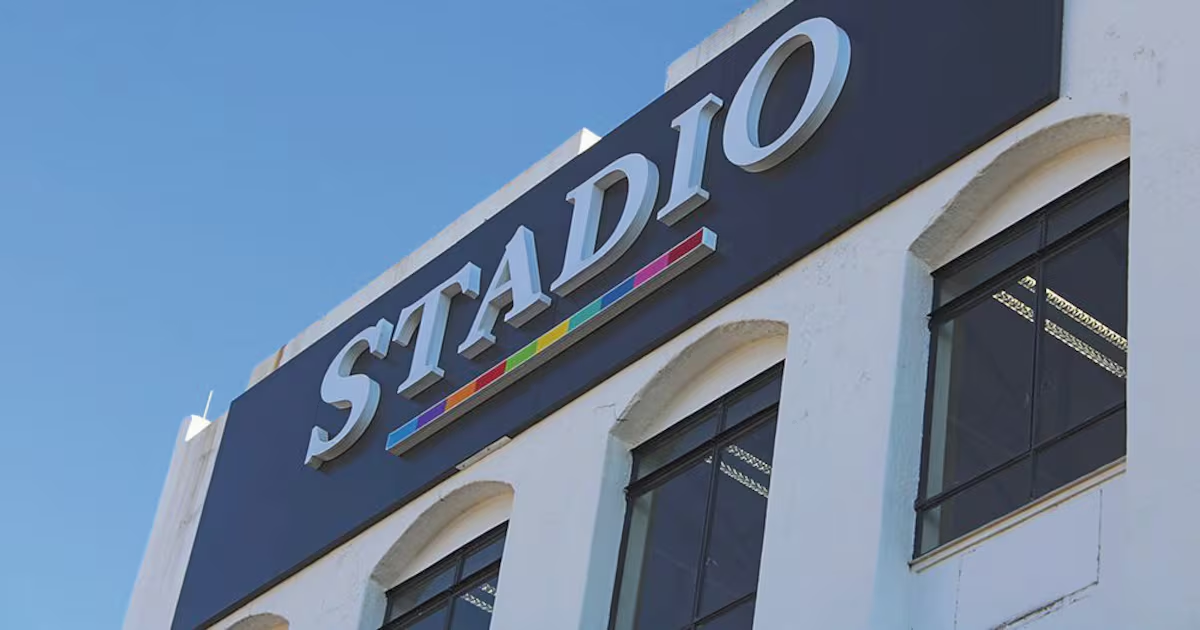
Accreditation delays are slowing expansion across South Africa’s private higher education sector, with Stadio warning that prolonged approval timelines are constraining programme rollouts and limiting growth.With demand for higher education rising and public institutions unable to meet all applications, the ability of private providers to scale up remains closely tied to the speed of accreditation decisions.New qualifications and site approvals depend on multiple regulators, including the Council on Higher Education (CHE), the South African Qualifications Authority (SAQA) and the department of higher education & training (DHET). In its latest annual report, the private higher education group says these processes are taking 18-33 months to complete, delaying the introduction of new programmes and expansion into new campuses. The group identifies regulatory delays as a material risk to its strategy, saying that the time taken to accredit programmes is hindering growth opportunities and slowing the speed at which new qualifications can be brought to market. “Programmes are taking between 18 and 33 months to be accredited in full, hindering growth opportunities and speed to market for new qualifications,” the group said. The constraints come as demand for higher education continues to outstrip supply in the public system.According to Moonstone, public universities could accommodate only about half of eligible applicants by January, leaving a big portion of prospective students without placement. Private institutions, which serve about 20% of the market, according to Universities South Africa (Usaf), are positioned to absorb this demand but remain dependent on accreditation approvals to expand their offerings.Programmes are taking between 18 and 33 months to be accredited in full, hindering growth opportunities and speed to market for new qualifications.— StadioStadio says that regulatory frameworks are also evolving. New quality assurance and institutional audit systems have been introduced, with additional compliance requirements that add complexity to the accreditation process. “New CHE quality assurance and institutional audit frameworks are designed for public institutions, and achieving self-accreditation status and university status is onerous and costly,” it said.Meanwhile, policy changes are under way that could reshape the sector. The department of higher education & training published a policy in October 2025 allowing qualifying private higher education institutions to apply for university status, a move expected to formalise the role of private providers in the system. “The purpose of this policy is the classification of the institutional types in the Higher Education Act, thereby characterising the distinct scope and range of operations. “By setting clear parameters for the recognition/declaration/establishment and registration of the various types of higher education institutions, the policy aims to create an enabling mechanism for the expansion, differentiation and articulation within the higher education sector,” said higher education minister Buti Manamela. Private education major Advtech has already applied for university status for Emeris and Rosebank. Business Day reported in March that the policy recognising private universities was only gazetted in October 2024 after legal pressure from Advtech.The group said final regulations and the application process have not yet been published by the government, but the group expects them later this year.Stadio says it continues to build a pipeline of new programmes and invest in quality assurance processes, including internal oversight and external reviews, but the pace at which these programmes reach students remains dependent on regulatory approvals.Business Times
Stadio bemoans accreditation delays choking growth at private universities
Regulatory bottlenecks stall expansion in South Africa’s private education sector
538 words~2 min read