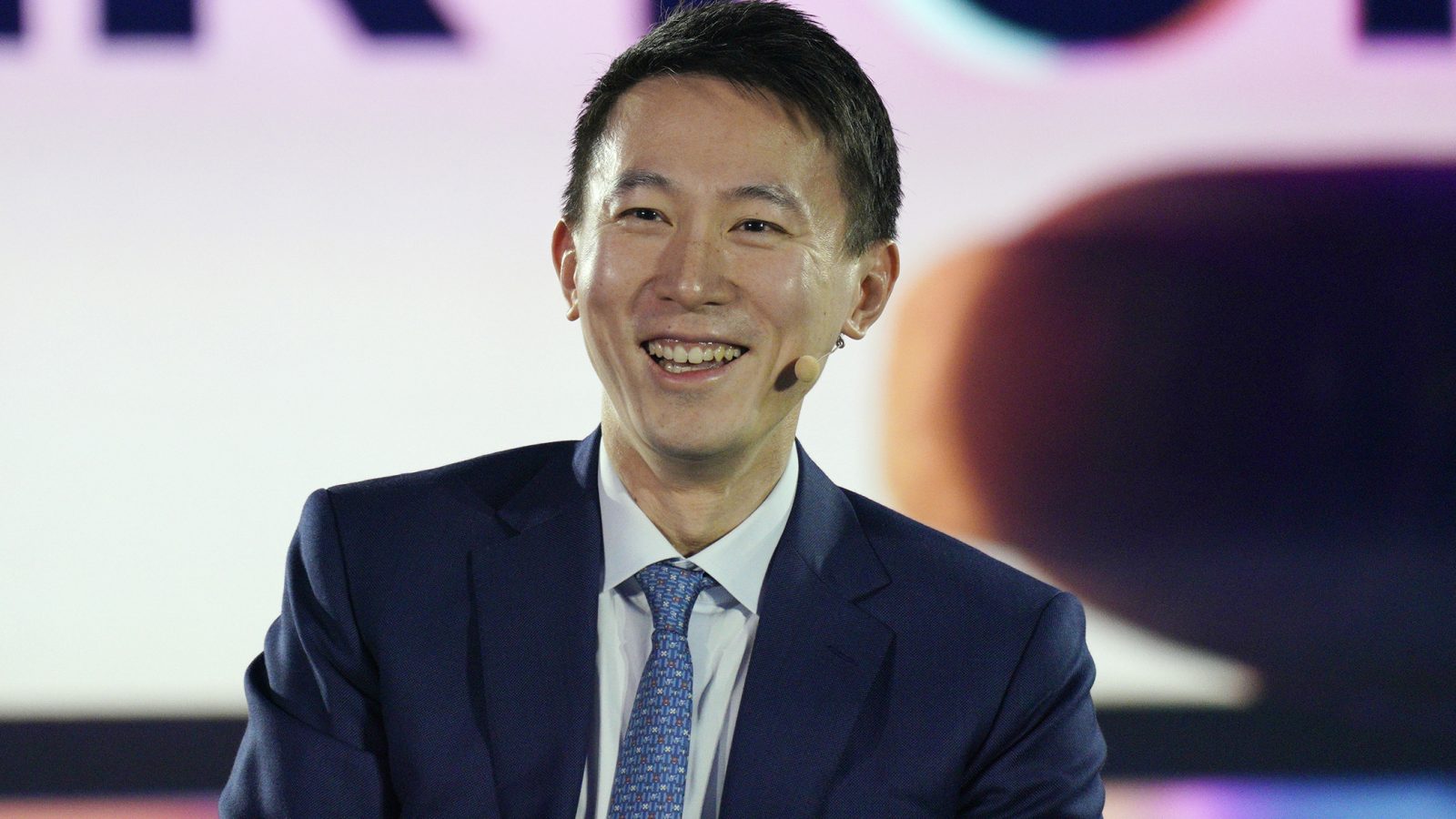
When TikTok CEO Shou Zi Chew arrived at the King Abdulaziz International Conference Center in October 2024, he had no intention of criticizing the Saudi government. He was there at its invitation, as a keynote speaker at a conference hosted by the crown prince’s Future Investment Institute (FII), a glitzy annual event billed by its hosts as “Davos in the Desert.”
Shou had a lot else going on during the week of the FII conference. The U.S. presidential election was fast approaching, and ByteDanceiByteDanceByteDance is a Chinese internet technology company that owns TikTok and Douyin, a Chinese version of TikTok with a successful e-commerce arm.READ MORE had less than three months left to sell TikTok, according to the timeline set by Congress. But Shou and Liang Rubo, ByteDance’s co-founder, had insisted that ByteDance would not and could not sell — that they would simply turn off TikTok in the U.S. instead.
ByteDance and TikTok had challenged the Protecting American from Foreign Adversary Controlled Applications Act in court, claiming that it infringed upon their American staffers’ First Amendment rights. Still, they knew there was a decent chance they’d lose: as much deference as American courts typically gave businesses, they deferred even more readily to the national security community — a community that was nearly unified in their assessment that TikTok posed a grave threat to American power.