By
May 16, 2026 / 6:00 AM EDT
/ CBS News
Add CBS News on Google
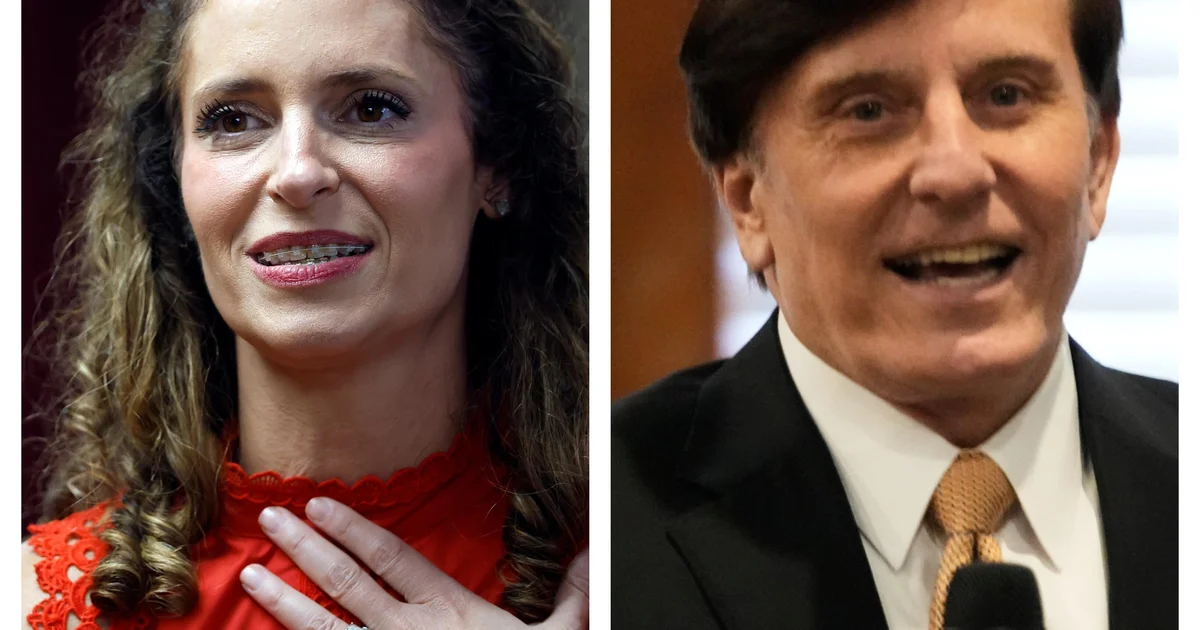
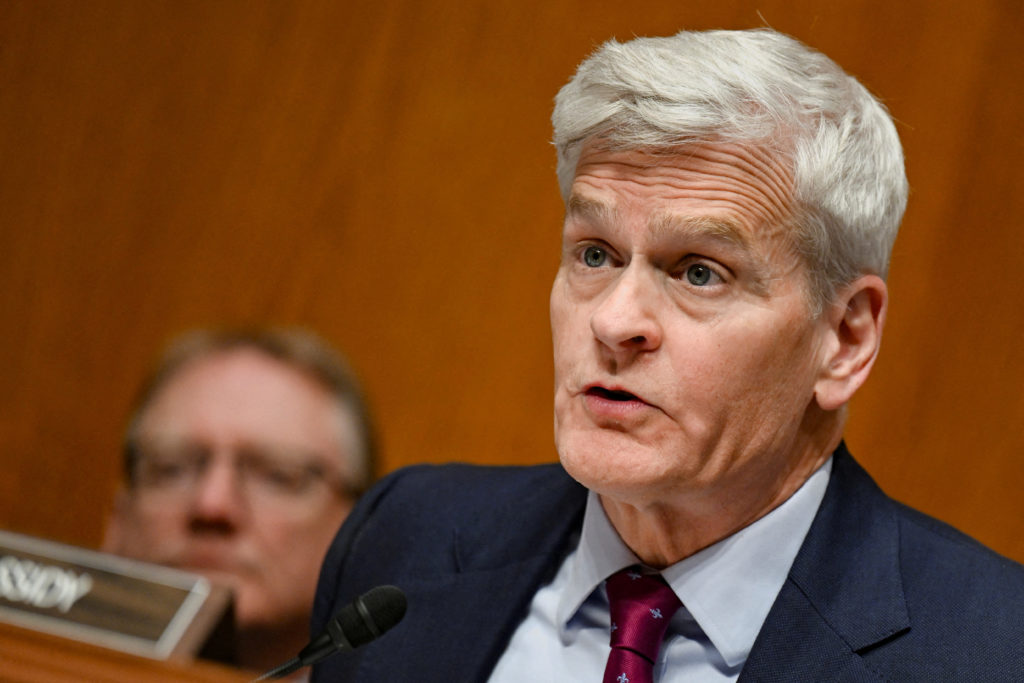
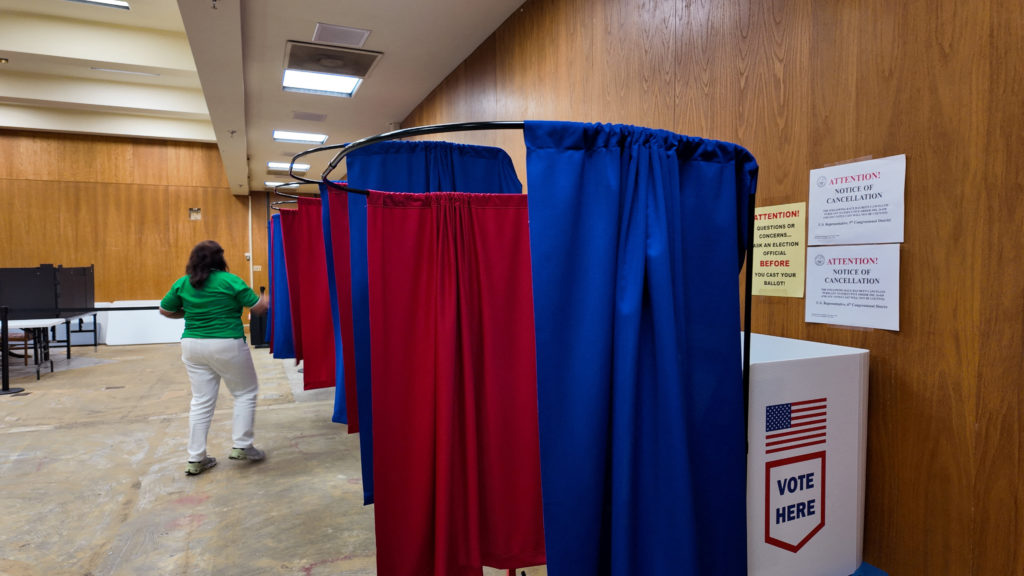
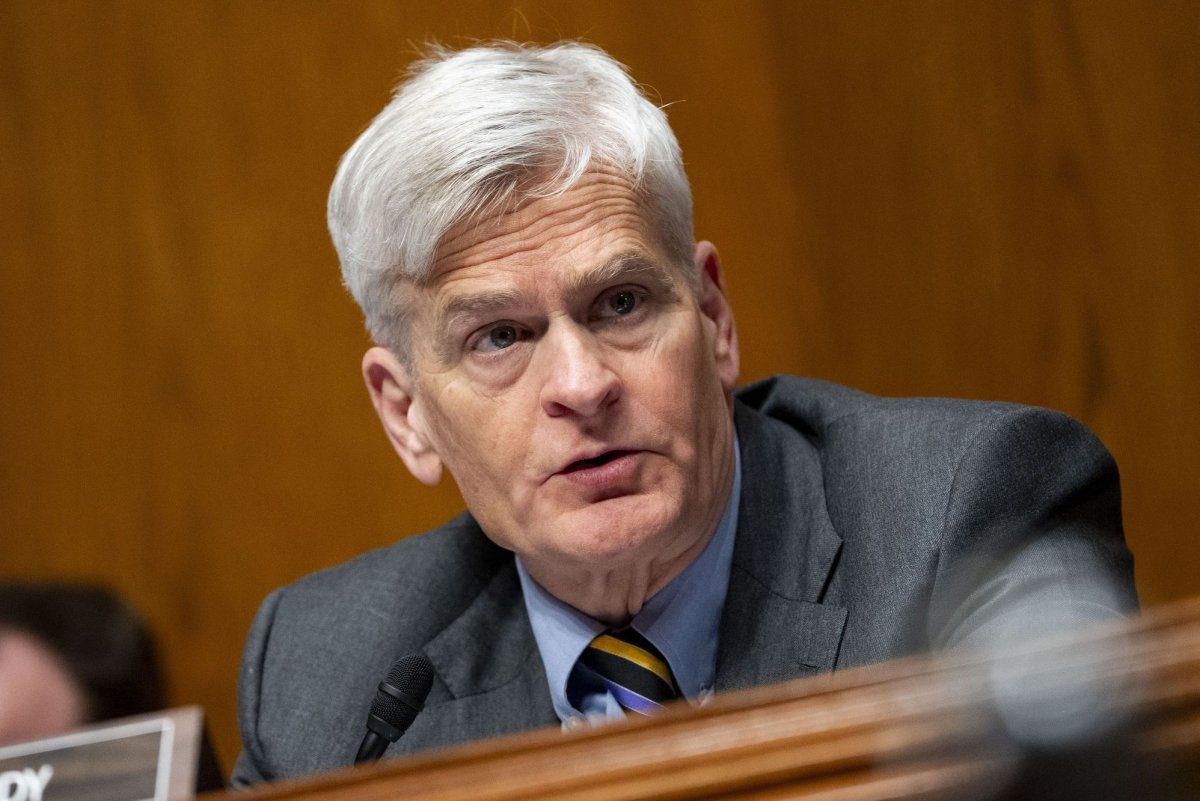
Washington — Louisianans are voting Saturday in the state's Senate primaries as Sen. Bill Cassidy fights to hold onto his seat. A handful of Republicans are facing off Saturday in a competitive primary to win the GOP nomination as Cassidy — a Republican who has occasionally broken with his party — seeks a third term in the Senate. Cassidy, 68, was one of seven Senate Republicans who voted to convict Mr. Trump in his impeachment trial after the Jan. 6 attack on the Capitol in 2021. And although he's emphasized his cooperation with the administration in recent years, the president endorsed Rep. Julia Letlow in January, encouraging her to challenge Cassidy for the seat. Letlow, 45, became the first Republican woman elected to represent Louisiana in Congress in 2021 after winning a special election for Louisiana's 5th Congressional District following the death of her husband, who died in 2020 from complications related to COVID-19 before he could be sworn into office. She's hammered Cassidy as disloyal to the GOP, claiming Louisiana "shouldn't have to wonder how our senator will vote when the pressure's on."In addition to his vote to impeach Mr. Trump, Cassidy has been at odds with the administration over Health and Human Services Secretary Robert F. Kennedy Jr.'s leadership, despite delivering the key vote to advance Kennedy's nomination last year. Cassidy, a medical doctor, has broken with the HHS secretary on multiple occasions, including slamming a change to the hepatitis B vaccine schedule for infants and calling for the postponement of key vaccine advisory panel meetings.While Letlow has accused Cassidy of not being sufficiently conservative, Cassidy has claimed the same about his Trump-backed opponent, pointing to comments she made in 2020 supporting DEI programs in education. And the feuding between the two candidates has appeared to create an opportunity for another Republican — state Treasurer John Fleming, who previously represented Louisiana in the House and worked in the first Trump administration. If no candidate receives a simple majority, the top two vote-getters will go to a runoff on June 27. An Emerson College poll from April indicates that the outcome is likely.