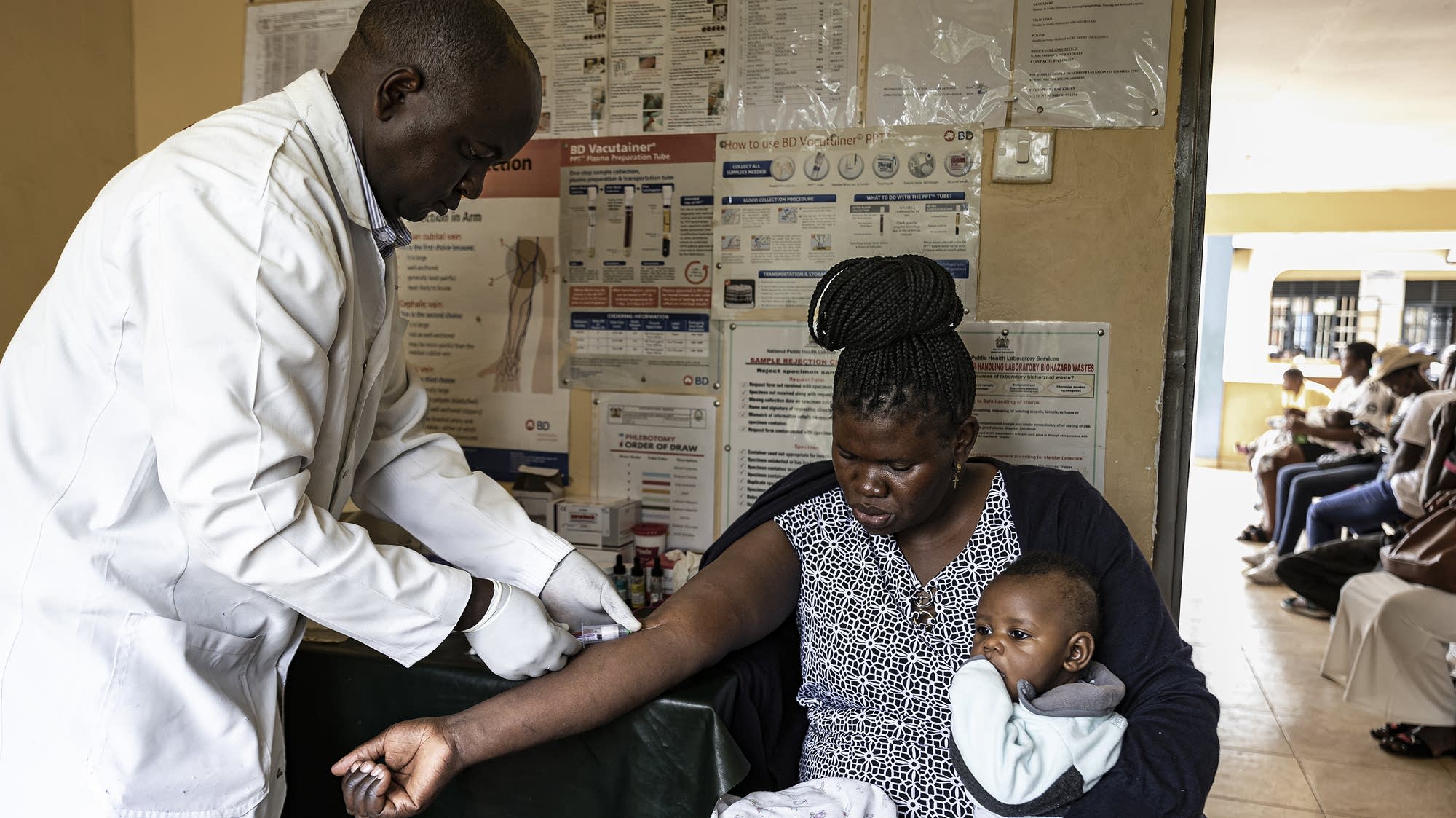
Health data has immense value. In the hands of powerful states, institutions, and corporations, that data becomes influence.
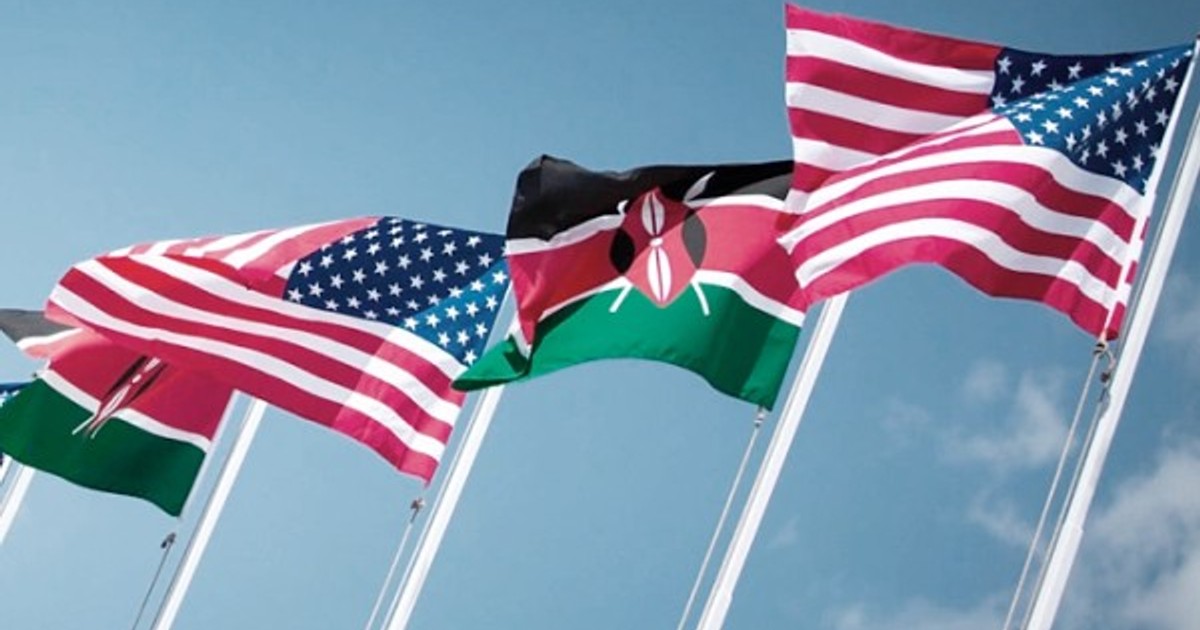
RECENTLY, Ghana outrightly rejected a proposed United States-backed health agreement over concerns about privacy, oversight, and foreign access to sensitive national health data.
According to reports, the deal would have allowed multiple US entities broad access to Ghana’s health information systems as part of a wider funding arrangement tied to healthcare support.
Ghanaian authorities reportedly raised concerns about sovereignty, consent, and the lack of sufficient control over how citizens’ data could be accessed and used.
These are not the only nations pushing back. Zimbabwe has reportedly rejected a similar arrangement recently, while Zambia has also raised objections linked to privacy and data governance concerns.