Tarsus’ quiet revolution
Ebru Erke
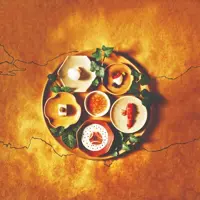
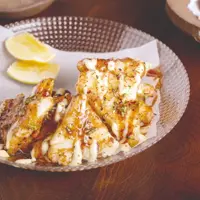
A day that begins in the fields at sunrise finds its way onto the plate just a few hours later. At Taarsa, the kitchen moves in rhythm with the producers themselves. After a career path stretching from Noma to Tarsus, Chef Melih Demirel is doing far more than serving food; he is reintroducing the forgotten gastronomic memory of Çukurova through its soil, its producers and its culture.
For years, Tarsus remained a quietly overlooked city. Yet it is far older than both Adana and Mersin, the two cities between which it sits and that historical depth has always echoed through its culinary culture. Five years ago, the Slow Food Earth Market initiative sparked a new wave of local awareness. Heirloom products whose names and flavors had nearly disappeared began resurfacing once again. In my opinion, the second major turning point in Tarsus’ gastronomic transformation came last year with the opening of Taarsa.
Chef Melih Demirel belongs to that increasingly rare group of chefs who prefer to speak through their work rather than through self-promotion. And yet, simply listing the kitchens he has worked in Noma, The French Laundry, Blue Hill at Stone Barns, Narisawa and Estela is enough to understand the depth of his culinary background. He actually began this journey after leaving engineering behind. At the time, becoming a chef was nowhere near as fashionable as it is today. But his childhood memories had already been shaped entirely around food: Holiday tables, barbecue gatherings, döner-filled circumcision feasts and the image of his grandmother spending hours cleaning offal during Eid al-Adha.