Audio By Vocalize
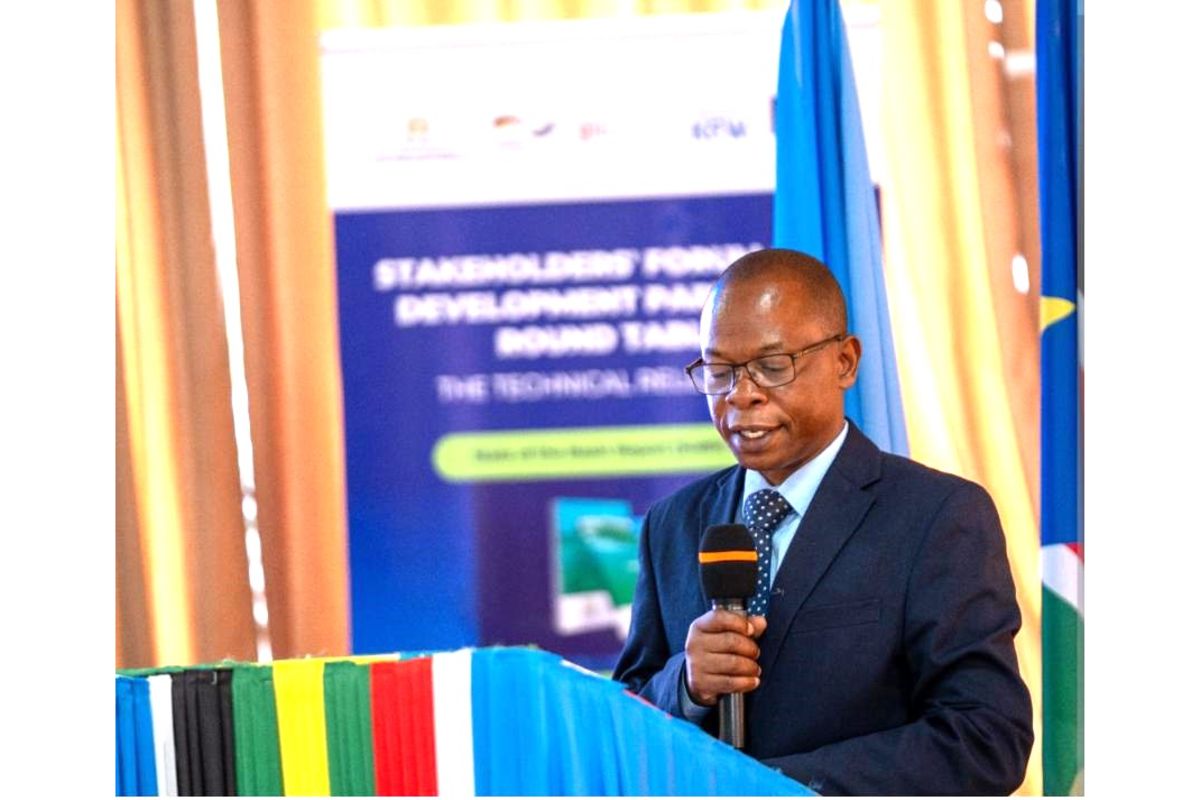
NACADA recommended the establishment of a National Wastewater Drug Surveillance and Early Warning System to enable real-time monitoring of emerging drug trends. [Courtesy]
Kenya has become the first country in East Africa to conduct and launch a comprehensive wastewater-based epidemiology study for drug control, marking a breakthrough in the region’s fight against alcohol and substance abuse. The pioneering report, launched by NACADA, introduces a new scientific approach to detecting drug consumption trends through the analysis of sewage and wastewater samples.
The study, described by experts as a game changer in drug surveillance, involved the collection and laboratory analysis of 152 wastewater samples from 12 hotspot counties, including Nairobi, Mombasa, Kisumu, Nakuru, Kiambu, Uasin Gishu, Isiolo, Nyeri, Kilifi and Garissa. Scientists used advanced techniques such as Gas Chromatography-Mass Spectrometry (GC-MS), UV-Vis Spectrophotometry and colourimetric testing to identify traces of illicit drugs and psychoactive substances in municipal sewer systems.
The report revealed worrying shifts in Kenya’s drug landscape, including the growing use of synthetic drugs and New Psychoactive Substances (NPS). Among the substances detected were methamphetamine, MDMA (ecstasy), synthetic cathinones commonly known as ‘bath salts’, benzofurans, alpha-ethyltryptamine, psilocybin and DMT. The findings also pointed to possible clandestine laboratories involved in the local production of synthetic stimulants.