Saturday 16 May 2026 8:00 am
| Updated:
Friday 15 May 2026 5:04 pm
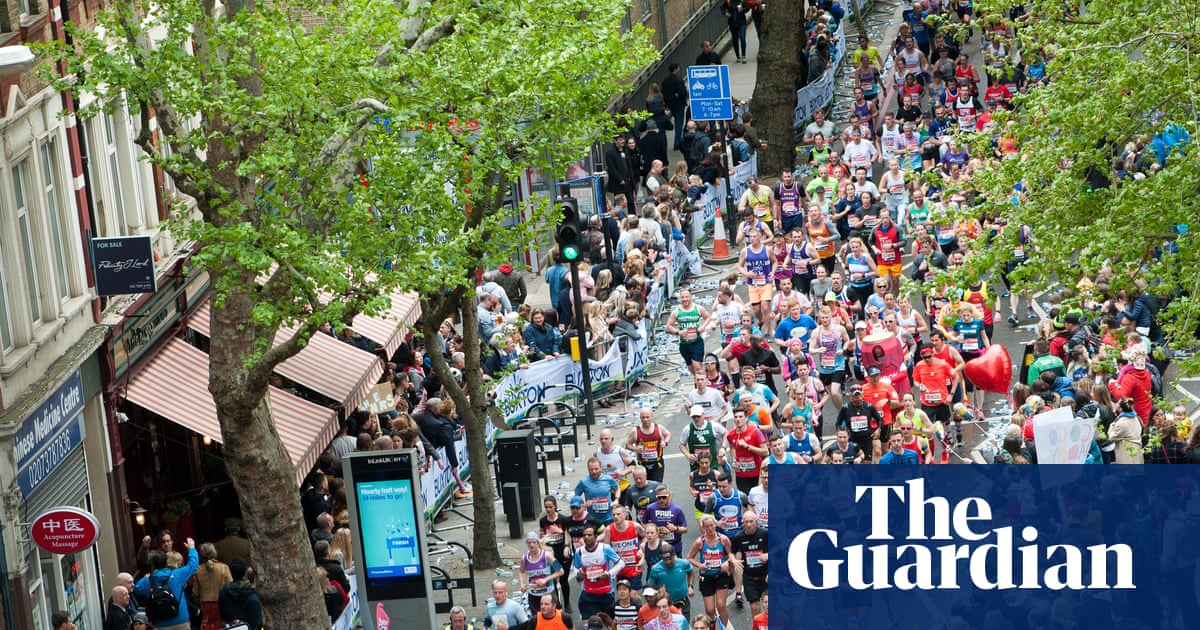
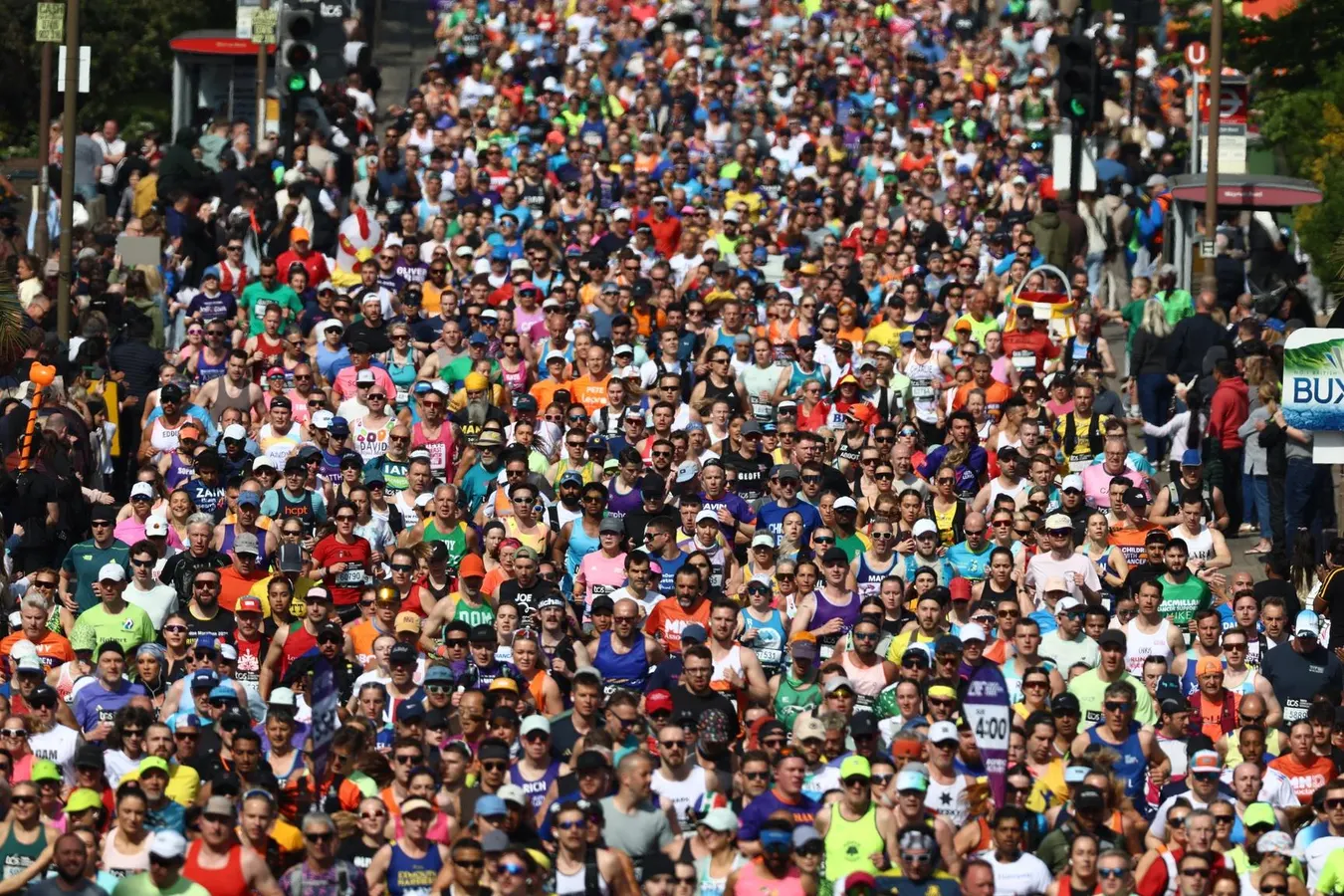
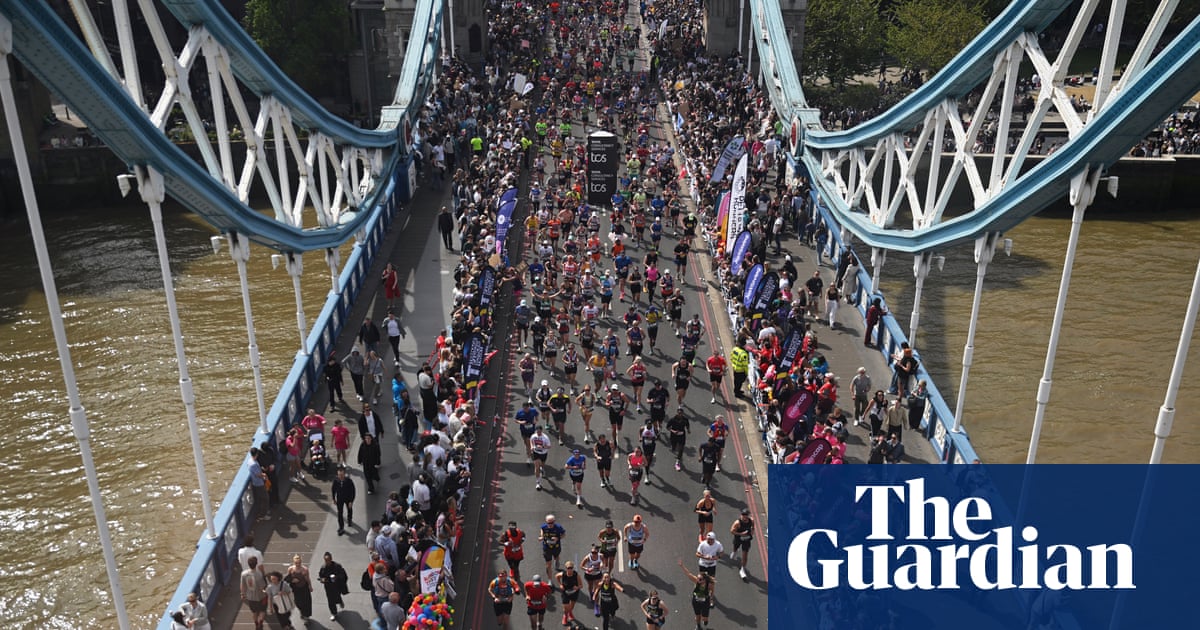
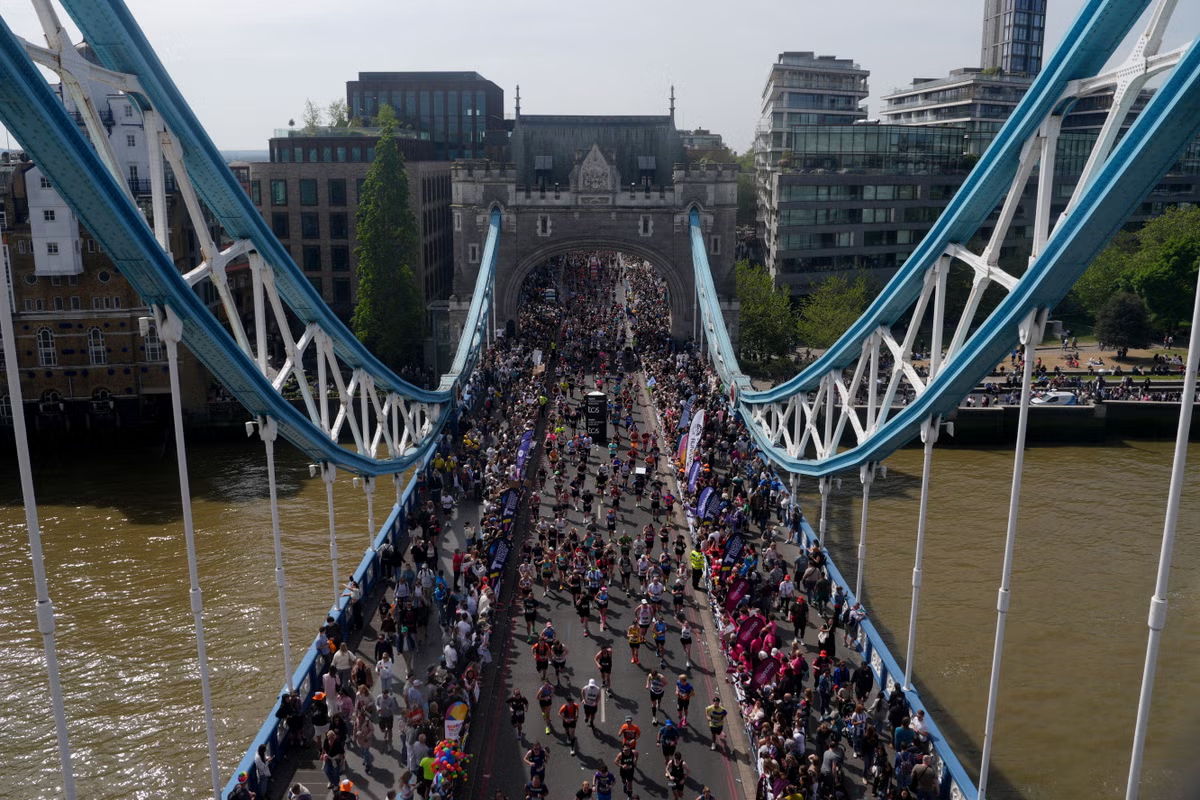
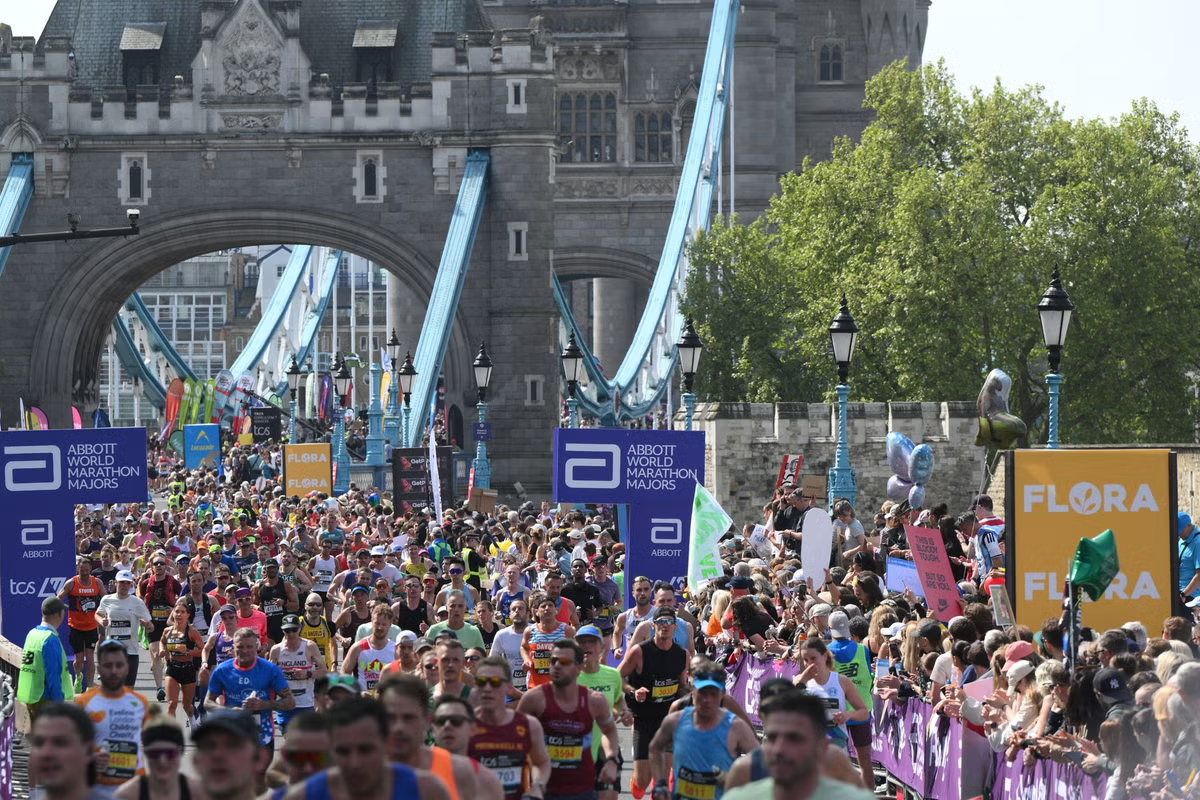
The London Marathon attracts 60,000 runners and 10 times that number of cheering spectators
Why does one in 50 UK adults want to run the London Marathon? Maybe because it’s an oasis of joy in a desert of doldrums, says Matt Readman. During the Great Depression of the 1930s, as breadlines lengthened and unemployment spread across entire cities, something unexpected happened: people laughed more. Or at least, they looked to laugh. Cinema attendance exploded and it was a particular type of film – screwball romantic comedies – that drove much of that demand. Audiences packed theatres to watch fast-talking lovers stumble through absurd situations to escape the real world outside.I wonder if today we’re seeing a similar phenomenon, albeit with a rather more extreme outlet: the London Marathon. The ballot for this year’s London Marathon received more than 1.13m applications – a world record that has just been smashed by the 2027 race, which has received an astonishing 1.34m requests. The demand has got so high that next year the organisers are looking at hosting two races, one on each day of the weekend.To put this demand into perspective, that’s 1.8 per cent of the adult population of the UK that want to apply to complete one of the most gruelling physical challenges on earth. I’m not sure we have quite fathomed how absurd this is. It’s not about running but about agencyIt is true that running is getting more popular, but Sport England figures show it only grew by 4.8 per cent in the same period. This boom far exceeds that.Generally, we are portrayed as a nation of wheezing, homeworking, takeaway-ordering, binge-watching loungers. Yet it turns out that one in 50 of us want to voluntarily run 26 miles on a spring day. It doesn’t add up.I don’t think the marathon boom is really about running at all. I think it’s about agency.The defining feeling of modern life is powerlessness. Rent rises faster than wages. Politics feels permanently broken. Social media amplifies outrage but rarely resolution. Far-away blockades push up prices. Technology promises convenience while quietly eroding stability. Everyone is connected, yet many feel increasingly detached from any community.The old social contract – work hard, buy a home, build a future – no longer feels valid. For younger generations especially, life can resemble an endless waiting room for things to get better.And into that uncertainty enters the marathon: 26.2 miles; brutally difficult; entirely measurable.In a world where almost nothing feels controllable, the marathon offers one of the last remaining places where effort still reliably produces achievement. Running becomes a metaphor for life and forward movement.London Marathon is biggest anti-hate marchBut the marathon is not just running, of course; it is running for others. And this adds even more importance. The event remains the world’s largest annual one-day fundraising occasion, generating over £90m for charitable causes.Modern frustration often has nowhere productive to be vented. Running for someone else changes the emotional equation. What better way to feel like you’re making an impact than to endure and achieve on behalf of others?There are plenty of other personal challenges that you can do to raise money, but what makes the marathon unique as the ultimate antidote to doom is that you’re doing it alongside 60,000 runners – and more than 10 times that number cheering you on.I’m sure I don’t need to explain to you the vibe of a London Marathon – statistically you’re almost certain to have experienced it yourself – but it is an event unlike any other. And an event that increasingly seems like an oasis in a desert of the doldrums.It’s a space of pure joy, encouragement, positivity and hope. There’s no outrage, no trolling, no sniggering – just genuine human support for the people you love (and Jeff #21764). It’s like the world’s biggest anti-hate march and we don’t even realise. It’s little wonder people are gravitating towards it in their millions. Polling shows most Britons think things are going to get worse before they get better. But before you lose all hope, join the cult of ‘In The Marathon We Trust’. Because if you’re wondering where all the goodness and positive energy is in this world, you’ll find it on the streets of London on 25 April 2027.