Show Caption
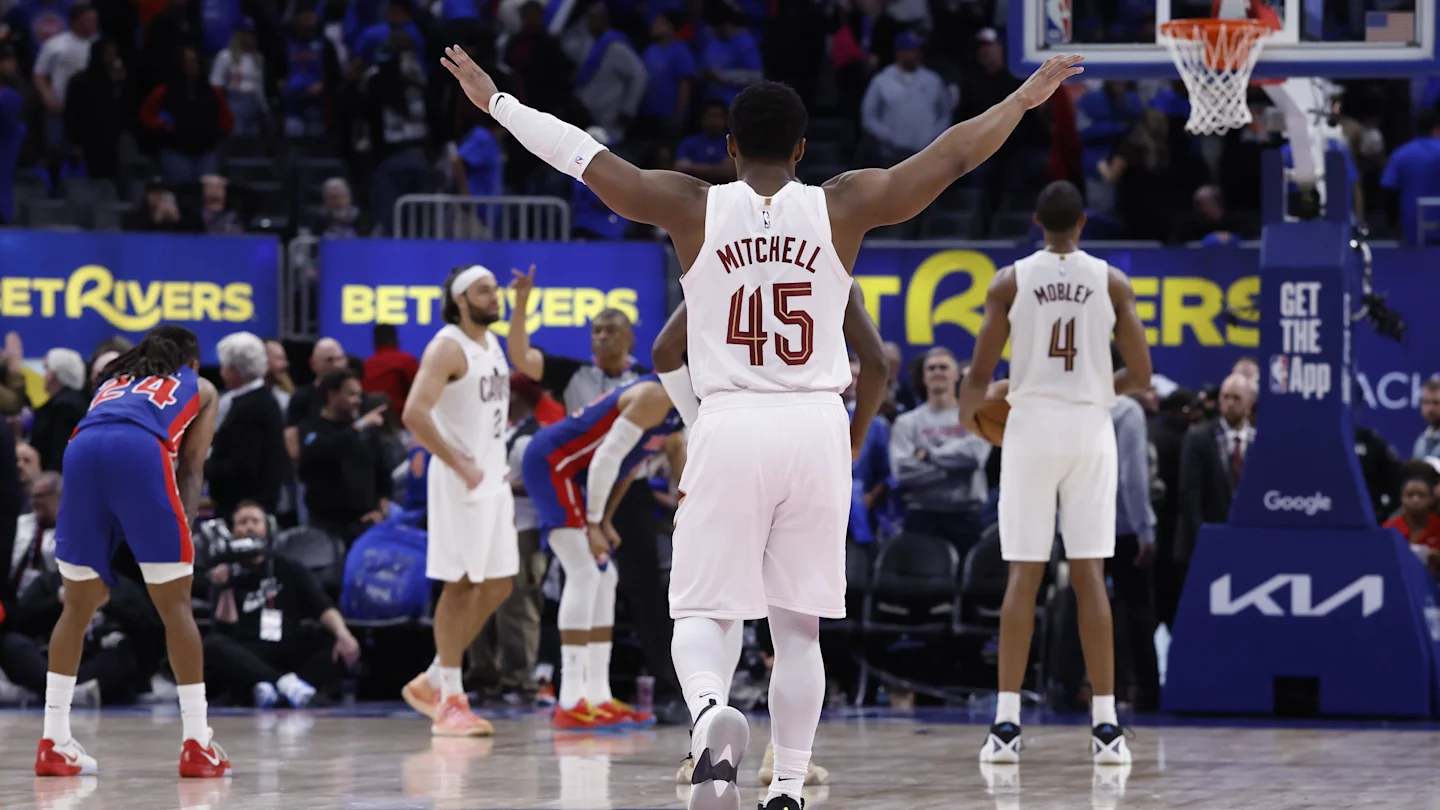
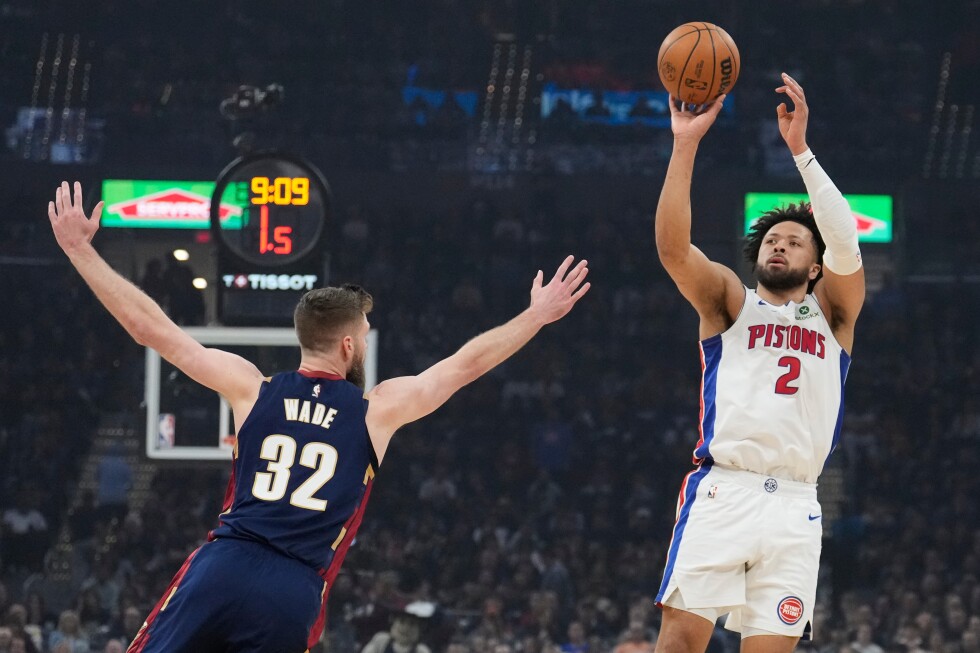
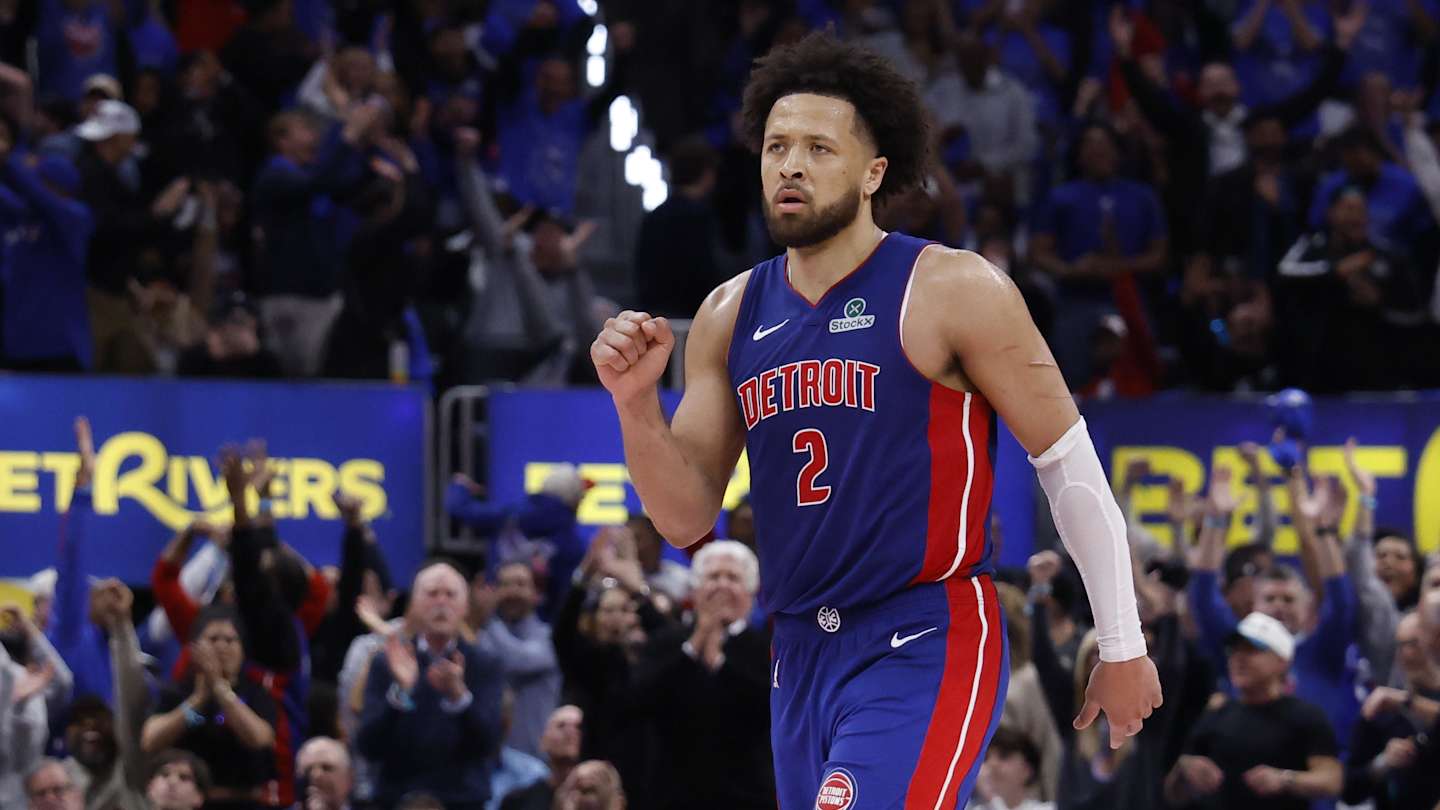
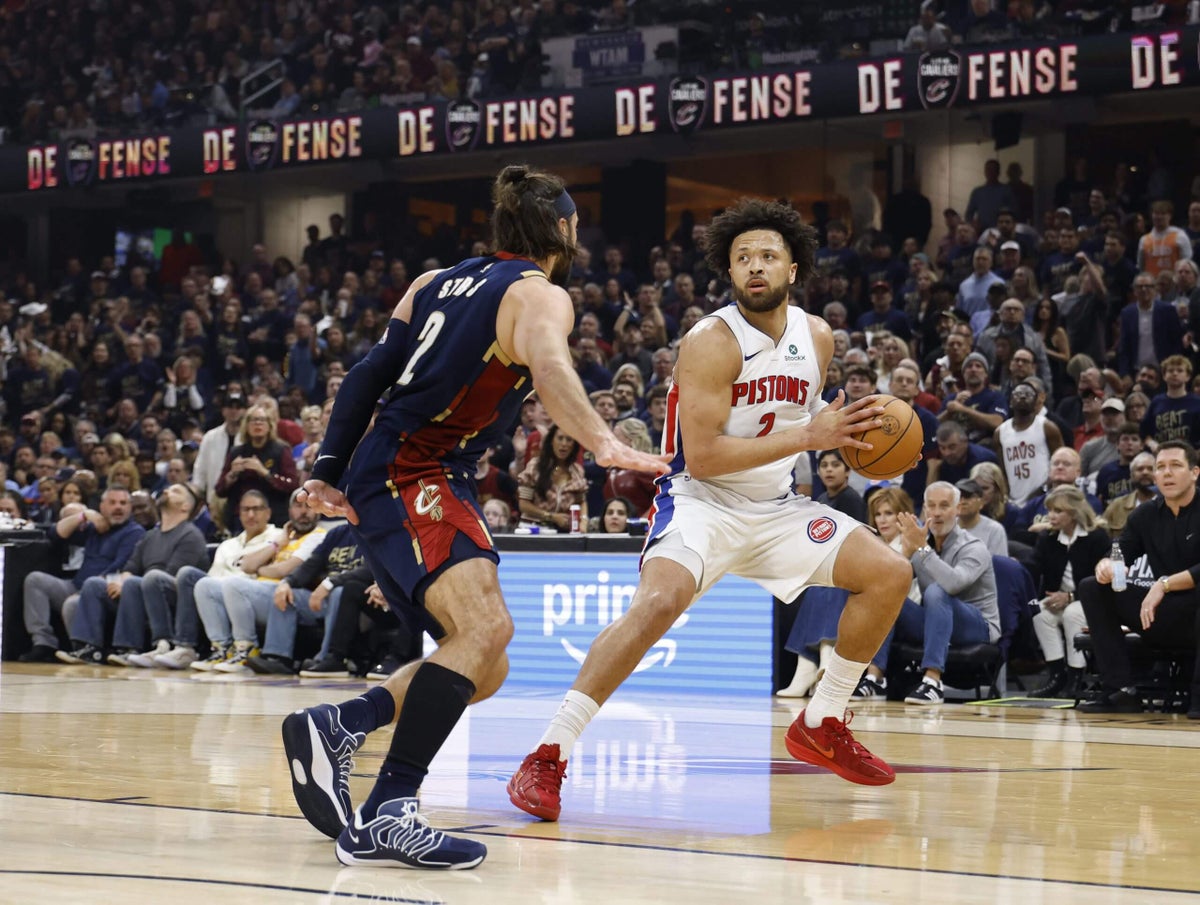
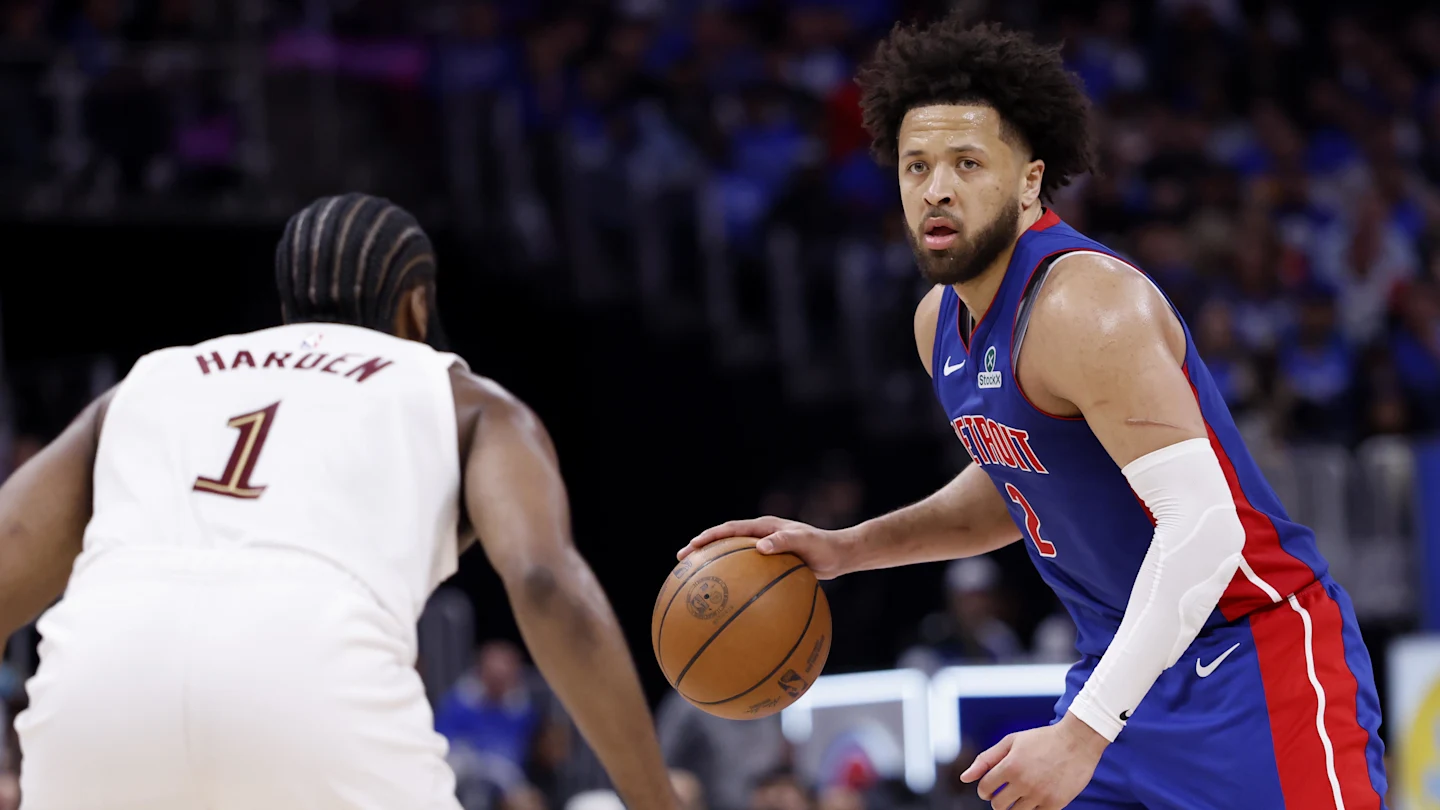
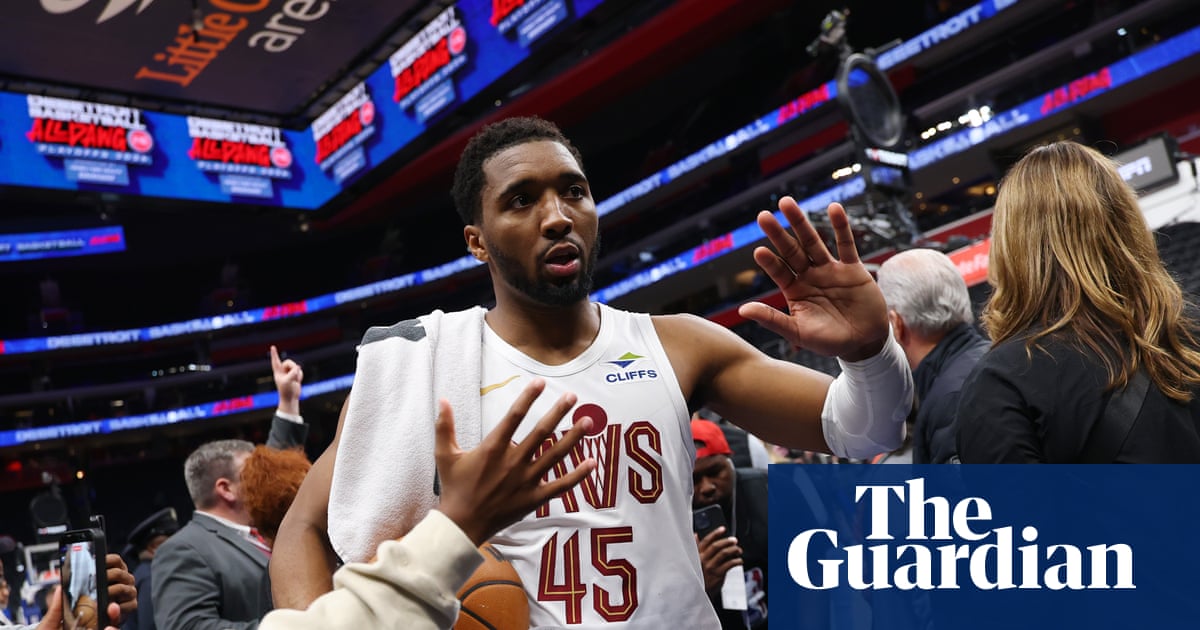
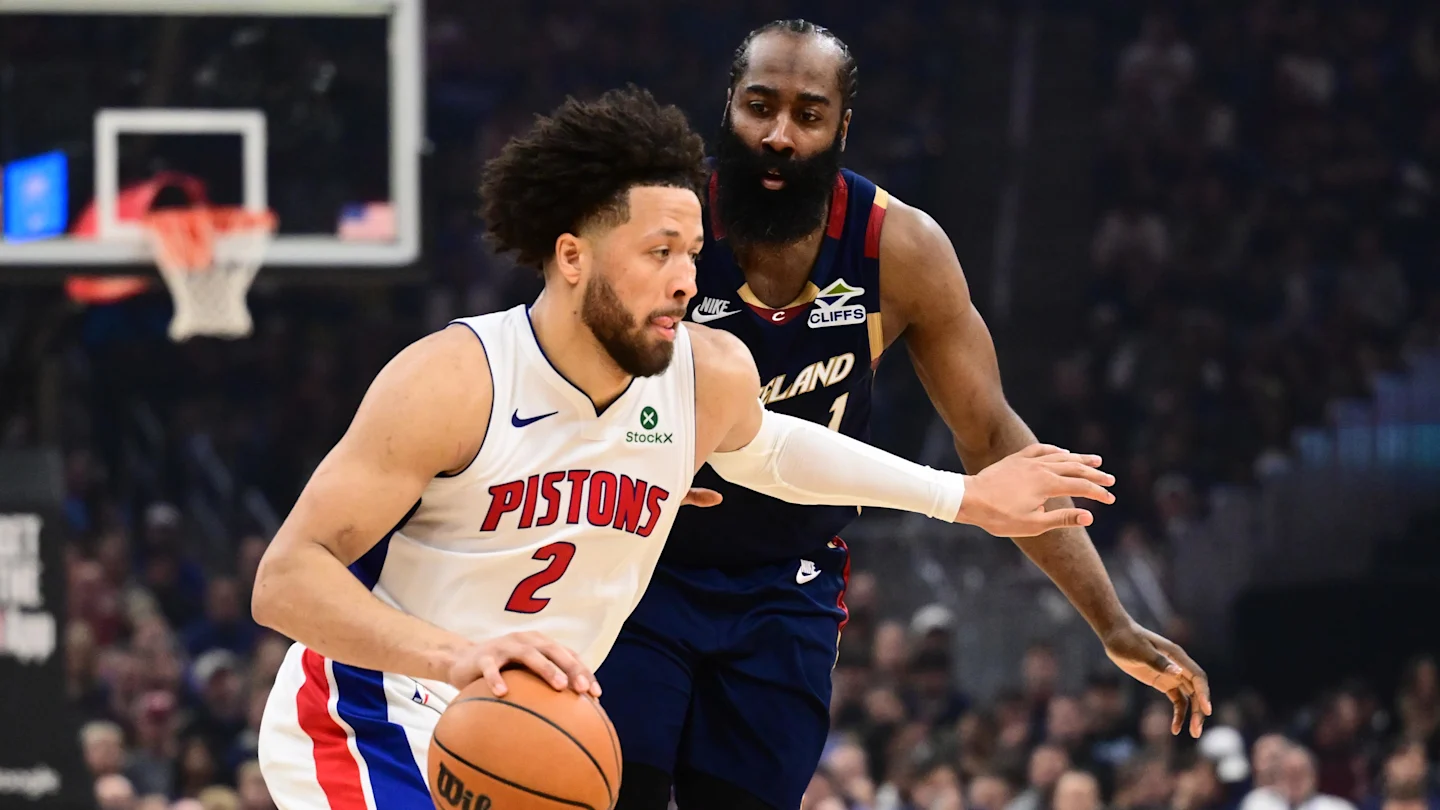
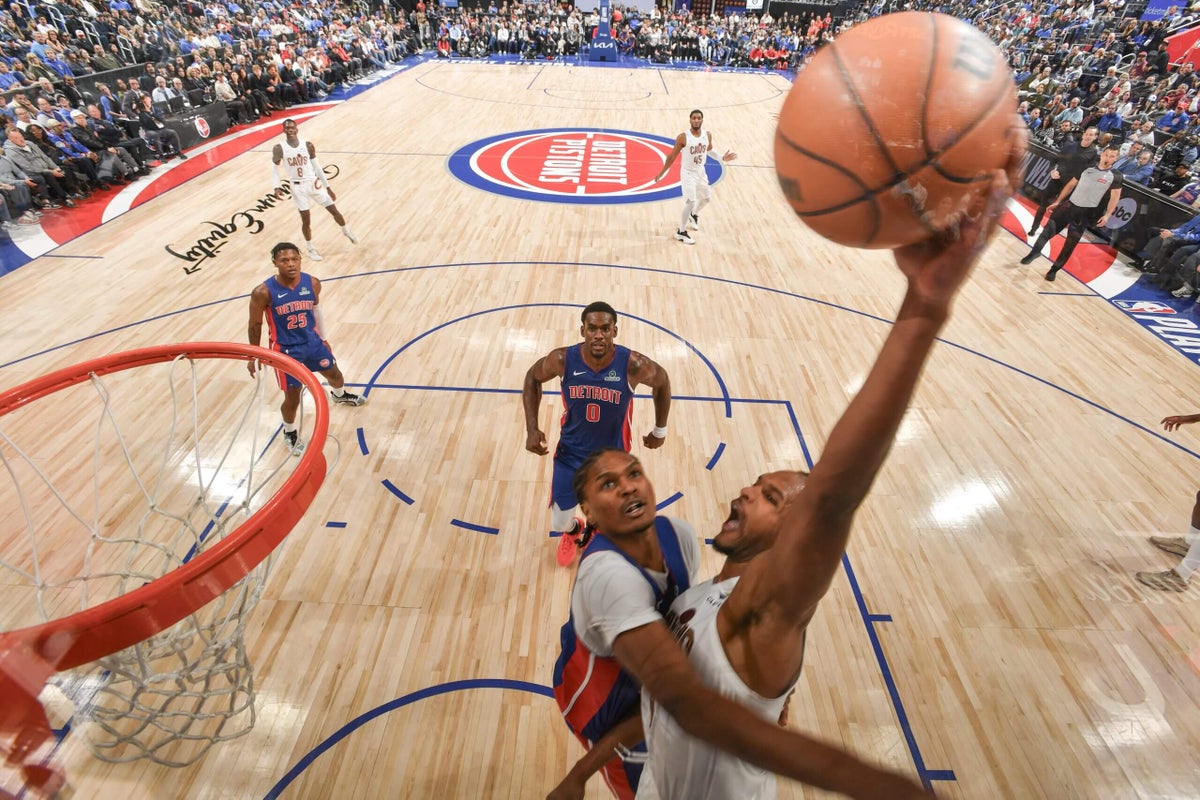
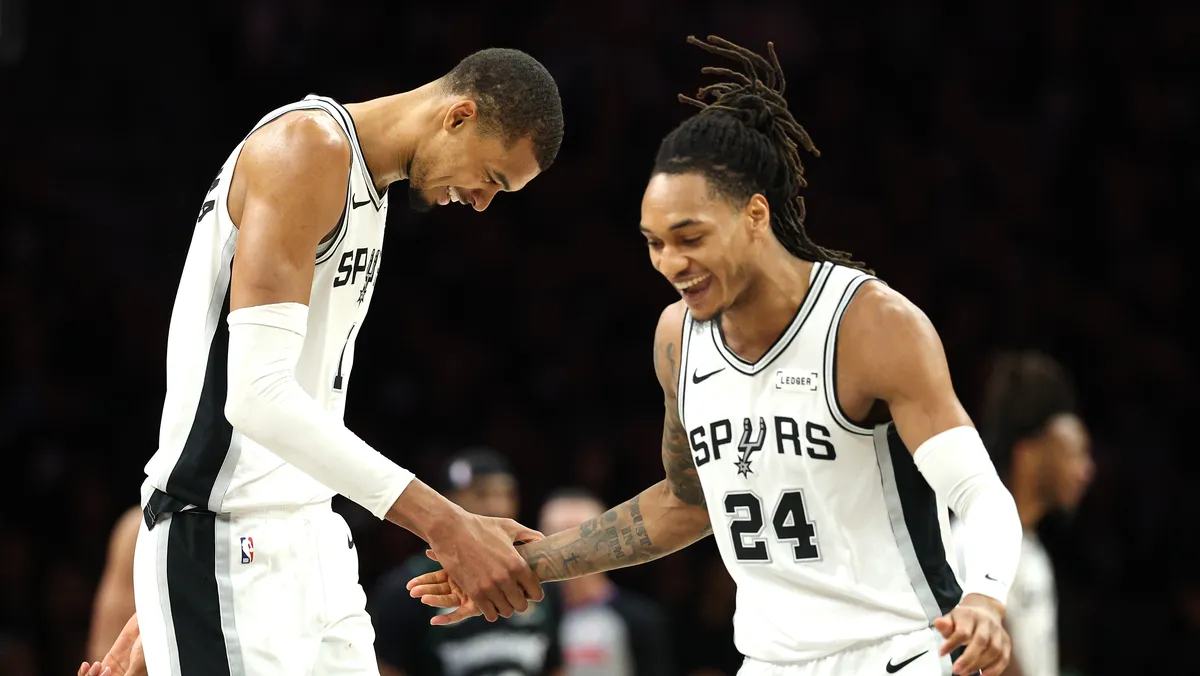
It turns out we’ll have one Game 7 in the NBA conference semifinals.The Detroit Pistons, the No. 1 seed in the East, played with more intensity and energy, and their shot-making responded in kind Friday, May 15 in a 115-94 victory over the No. 4 Cleveland Cavaliers in Game 6.The Pistons finally got some help for Cade Cunningham, as they saw six players reach double-figures in scoring.Later Friday night, however, in the Western Conference, the No. 2 San Antonio Spurs thumped the No. 6 Minnesota Timberwolves, 139-109, in an absolutely dominant performance, one that’s noteworthy for the way this young team is playing.Second-year guard Stephon Castle erupted for 32 points on 11-of-16 shooting, including a blazing 5-of-7 from 3-point range. Castle added 11 rebounds and 6 assists.Here are the biggest takeaways from Friday night’s Game 6s of the NBA Playoffs:The Spurs are extremely young. They still have the maturity to go on a deep runPerhaps it’s the presence of players like veterans De’Aaron Fox and Harrison Barnes. Perhaps it’s just the organizational culture cultivated by longtime coach Gregg Popovich.Either way, the Spurs play well beyond their age, which make them dangerous — not only for years to come, but in these playoffs. For most of their key rotation players, this postseason is constantly bringing about new firsts; Victor Wembanyama, Stephon Castle, Dylan Harper, Devin Vassell, Julian Champagnie, Keldon Johnson and Carter Bryant — four of whom are starters — are playing in their first playoffs.This was their first conference semifinal appearance, last round was their first first-round series and so on. Yet the Spurs were the team that played with more poise. They stayed out of foul trouble (and didn’t complain to officials). They embraced grit and hustle plays. Their effort and intensity didn’t dip. Most importantly, they didn’t let the magnitude of the moment get in their head.San Antonio played loose and confident. The Spurs have an identity — one built on defense, speed and attacking the paint — that’s built for the postseason, and they can win in different ways. And though they’ll have to get through the reigning champion Thunder, they did go 4-1 against Oklahoma City in the regular season. The rest of the West should be concerned, because this team is built to be very good for a very long time.The Timberwolves didn’t get Victor Wembanyama out of the paint, and it burned themThe Spurs exploded in the second quarter, outscoring Minnesota 20-0 to start the period, and forcing the Timberwolves to miss their first 12 attempts. It completely changed the course of the game.And a big reason why the Timberwolves went cold is because they didn’t do a good job of coaxing Wembanyama out of the paint, leading to Minnesota being hesitant in there. The Timberwolves would respond with a 27-11 run, but by the time they started going at Wembanyama, forcing him to contest their penetration, it was already too late.Cleveland's effort, in a closeout game at home, was unacceptableThe Pistons were clearly the more desperate team, but Cleveland compounded that with effort at times that could be described only as casual. And it started early in the game.Players like James Harden, who stood around on defense – and often didn’t get back on after most of his 8 turnovers – were emblematic of Cleveland’s issues Friday night. Detroit, time and time again, won the hustle plays.All-Star guard Donovan Mitchell did play with some effort, but a poor shooting night (6-of-20) marred that energy. The biggest issue was that many of his teammates didn’t follow suit.“They was just hungry, from the jump” Mitchell said of the Pistons. “At the end of the day, we didn’t match it.”The most fight the Cavaliers showed Friday night was with 0.3 seconds left in the game, when Cleveland’s bench players, who were on the floor in garbage time, shoved a few Pistons players.“Nope,” Harden said when asked if he was satisfied with the level of intensity with which Cleveland played. “No, not at all.”When pressed about why that effort wasn’t there, Harden added that it “was a great question” and cited the team’s slow start.“Throughout the course of the game, we never really kicked it to that second level,” he said.Jalen Duren (finally) respondsGive Jalen Duren credit. The Pistons All-Star center was benched in Game 5 and didn’t play the entire fourth quarter and overtime, ceding that time to backup Paul Reed.Just two days after that, Duren played his most impactful game of the series. The stats (15 points on 7-of-10 shooting, 11 rebounds, 3 blocks, 1 steal) don’t necessarily paint the entire picture. Duren’s activity led to contested shots and Cavaliers players backing away from drive attempts and his performance was closer to what he showed during the regular season.It’s telling, too, that Duren came back after rolling his left ankle in the third quarter and continued to make plays.Anthony Edwards needed more helpEdwards didn’t shoot particularly well, going 9-of-26 (34.6%) for 24 points, but no other Minnesota starter posed a threat in Game 6.Jaden McDaniels and Julius Ranlde started the game combining to shoot 2-of-15 for 7 points; they finished with 16. In fact, Randle’s 3 points marked his lowest total since he left a March 29, 2023 game with a sprained ankle — a span of 231 games, including the playoffs.Rudy Gobert was scoreless and took just 4 shot attempts.The Timberwolves have been a steady presence in the West. They won’t get over the hump with production like that from Edwards’ supporting staff.Early turnovers and offensive rebounds allowed put Cavaliers in a holeThe most concerning part was that their effort problems led to many of the same issues that have plagued the Cavs throughout the postseason: turnovers and offensive rebounds.Through the first 14:34 of the game, the Pistons had generated six offensive rebounds (and 15 boards, overall) compared to Cleveland's two (and 9). In both the regular season and playoffs, the more intentional and aggressive teams tend to be rewarded with rebounding.Somehow, early turnovers were even worse. Through that first 14:34, the Cavs gave the ball away 11 times, which turned into 14 Pistons points off turnovers, compared to five Detroit turnovers (for six Cavaliers points off those).Cleveland let itself down with its lack of energy and careless attention to detail.The Cavaliers won't advance if these three stats carry into Game 7Points in the paint: Detroit 48, Cleveland 26Points off turnovers: Detroit 28, Cleveland 17Fast-break points: Detroit 14, Cleveland 8Detroit's bench comes up big, and it could swing the seriesAll series long, the Pistons had been far too dependent on Cade Cunningham. The reserves showed up big to force a Game 7.Detroit’s bench shot 18-of-29 (62.1%) and scored 48 points, as Paul Reed (17 points and 6 rebounds) and Duncan Robinson (14 points) were particularly effective. But it was a collective effort; Marcus Sasser scored 9 points but posted a remarkable plus-minus of +27 — a game high — in 18 minutes on the floor.On the other end of that, Cleveland’s bench disappeared at the worst time: even as Cavs starters played rather sluggishly, the bench also lacked burst and scored just 19 points (though three of those came in garbage time) on a combined 6-of-23 shooting (26.1%).The reserves that show up Sunday, May 17 in Game 7 may dictate who goes on to face the Knicks in the Eastern Conference finals.