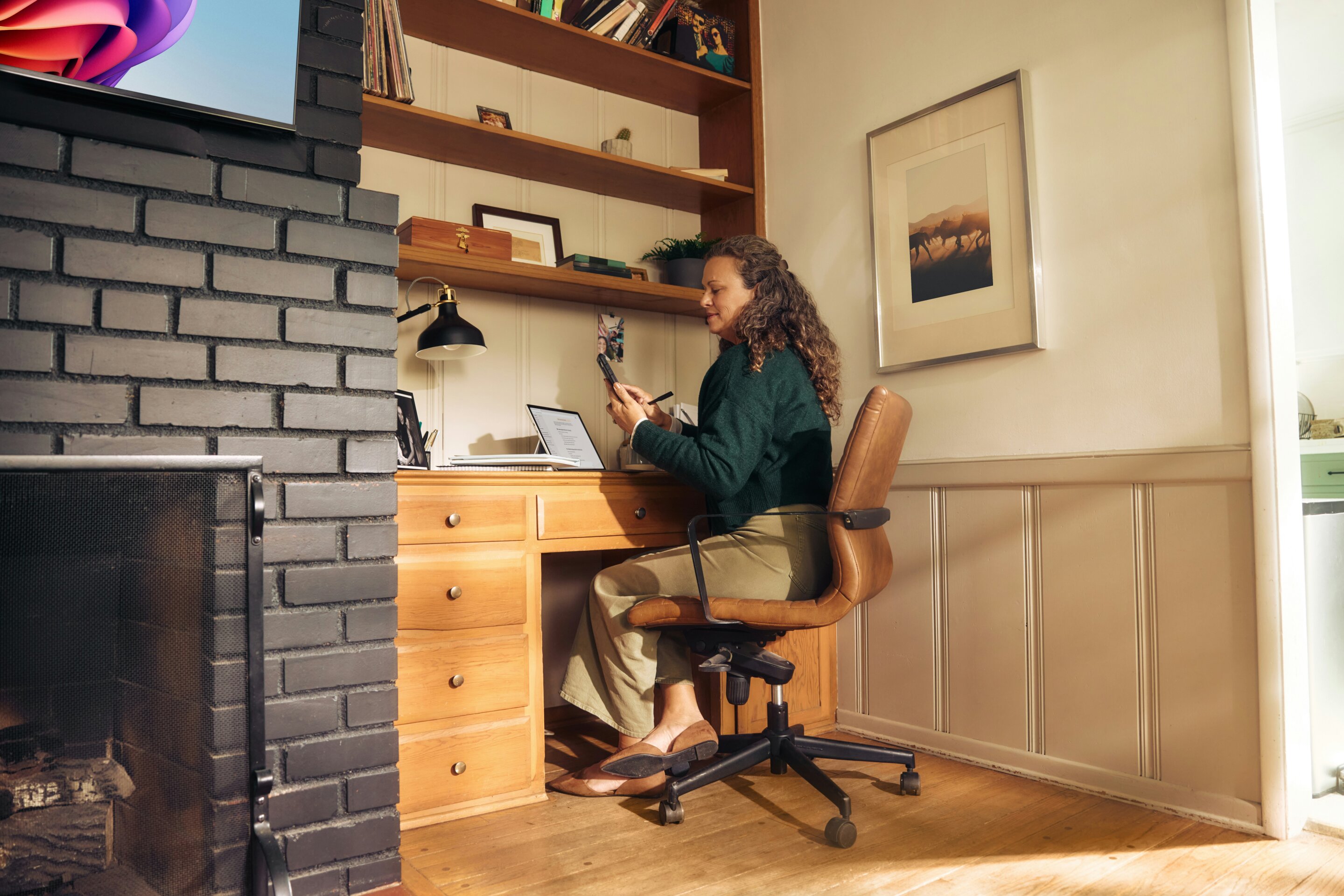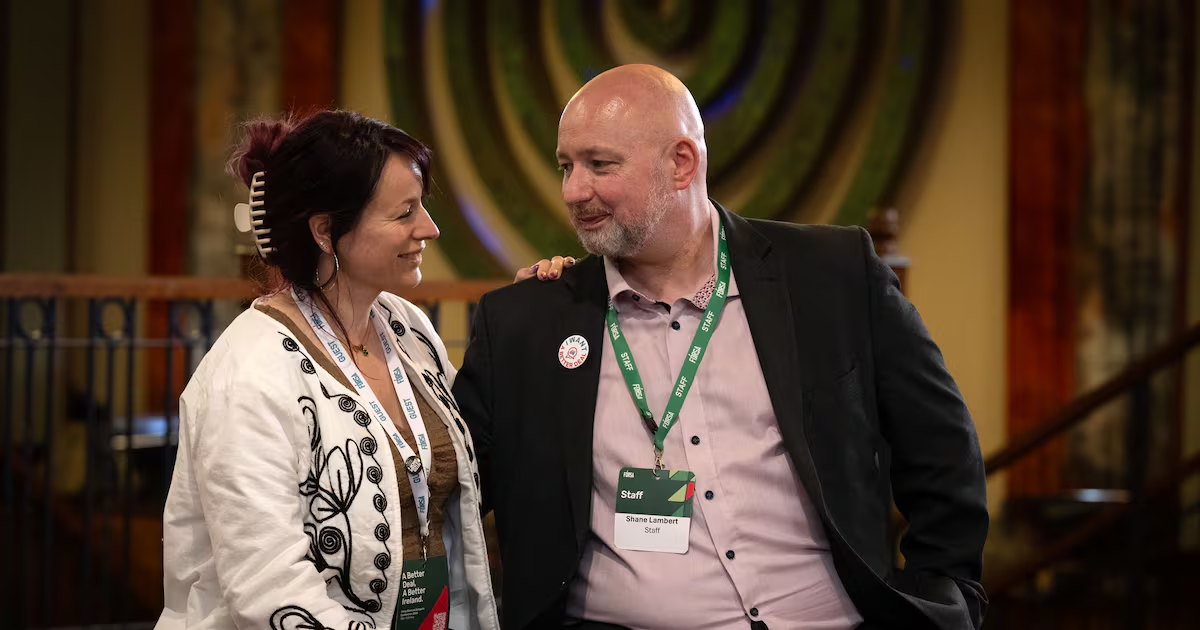
Hybrid working has been an essential part of family life for thousands since the pandemic, but as Shane and Audrey Lambert acknowledge, even then “you have to juggle”.Audrey is a staff officer with Dublin City Council, Shane a senior official with Fórsa and as the trade union’s conference in Killarney heard research results that identified how vital new working arrangements have become, the couple reflected on how two full-time workers with two growing kids must duck and dive to keep their family’s show on the road.“We run a very tight schedule but if that gets disrupted, we run into problems pretty quick,” says Shane.Audrey’s work arrangements are hybrid: she works two days from home, Monday and Thursday, but needs to be in the city centre office the rest of the week.She works flexitime and so starts early so she can finish early. Shane has a degree of autonomy but says his schedule is unpredictable, tending to be demand driven. He manages a small team that is spread across the country and has meetings that can start early but more commonly finish late.So, most of the time when Audrey has to be in the office, she leaves their home in Leixlip, Co Kildare, early for the commute of 45-60 minutes so she can finish up by 3.30pm and pick up their children, who are 10 and eight, from their after-school care, which finishes at 5pm sharp.[ The case for flexible working: ‘We lose one-third of women in their child-rearing years’Opens in new window ]He leaves them to school and so needs to be there the days she is not. “We’re very lucky that the school is literally a five-minute walk down the end of our estate. We’re blessed it doesn’t start until 9.20am.”Audrey says that “when he has to be on the road or away overnight, we try to make sure that it aligns with my remote working so that there’s somebody in the house with the kids.“That wouldn’t be possible if I was five days back in the office. So, yeah, we are very much juggling based on remote working on both sides.”However, there is very little room for it all to go wrong. Audrey is French, so has no family here and Shane’s parents are not in great health.Audrey’s line manager is very supportive, she says.However, Shane says, “There have been occasions where I’ve had to bring the kids down to a meeting, sit them in a corner and say: ‘Look, you’re just going have to sit there and amuse yourselves for a while.’”For all the challenges, the couple feel they are lucky that their respective jobs allow them some flexibility, with Audrey taking four weeks’ unpaid leave each summer to be home when the schools are closed.“The first year I worked for the council, all of my leave went on childcare,” she says. “The maximum in the council is two days a week remote but I would like to see it being more of a 50-50, maybe two days one week, three the other.”Half of the meetings she attends in the office are online anyway, she says, and she believes there is the scope for more flexibility.“But we know people who are both civil and public servants and both in maybe more restrictive jobs,” Shane says. “They might work in the airport, or social protection, and their schedule is so tight, so demanding.“I think there’s an issue around mindset. If there are practical reasons as to why things can’t be accommodated, put them on the table. Let’s see if we can find ways to work around them. But you see a lot of: ‘I want to be able to see you.’”Audrey agrees, saying colleagues in other parts of the council are only permitted one rather than two days remote working a week. “We should be looking more at what people can do at home, whereas for some people it’s the opposite: all about reasons why they must be in the office.”In a nationally representative poll of 1,191 workers, conducted by Ireland Thinks for Fórsa, 74 per cent of respondents said working from home was less stressful than on-site working. Nearly half (48 per cent) felt caring responsibilities at home were more fairly distributed due to increased remote working.
‘You have to juggle’: Parents on hybrid working and childcare pressures
With some employers, ‘there’s an issue around mindset’ regarding in-office demands, one couple says
710 words~3 min read