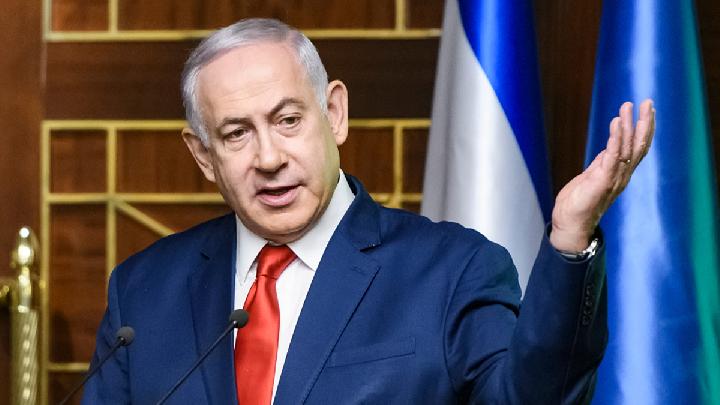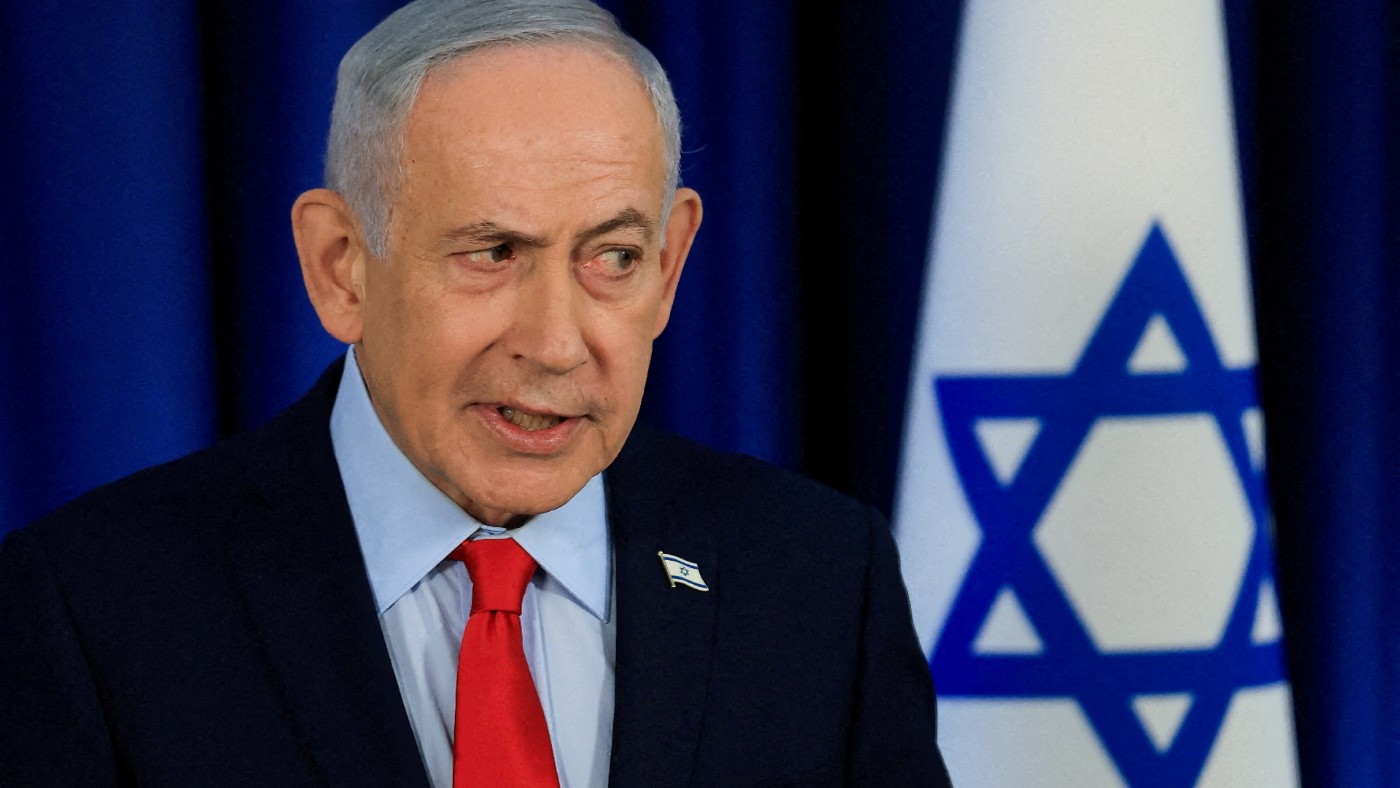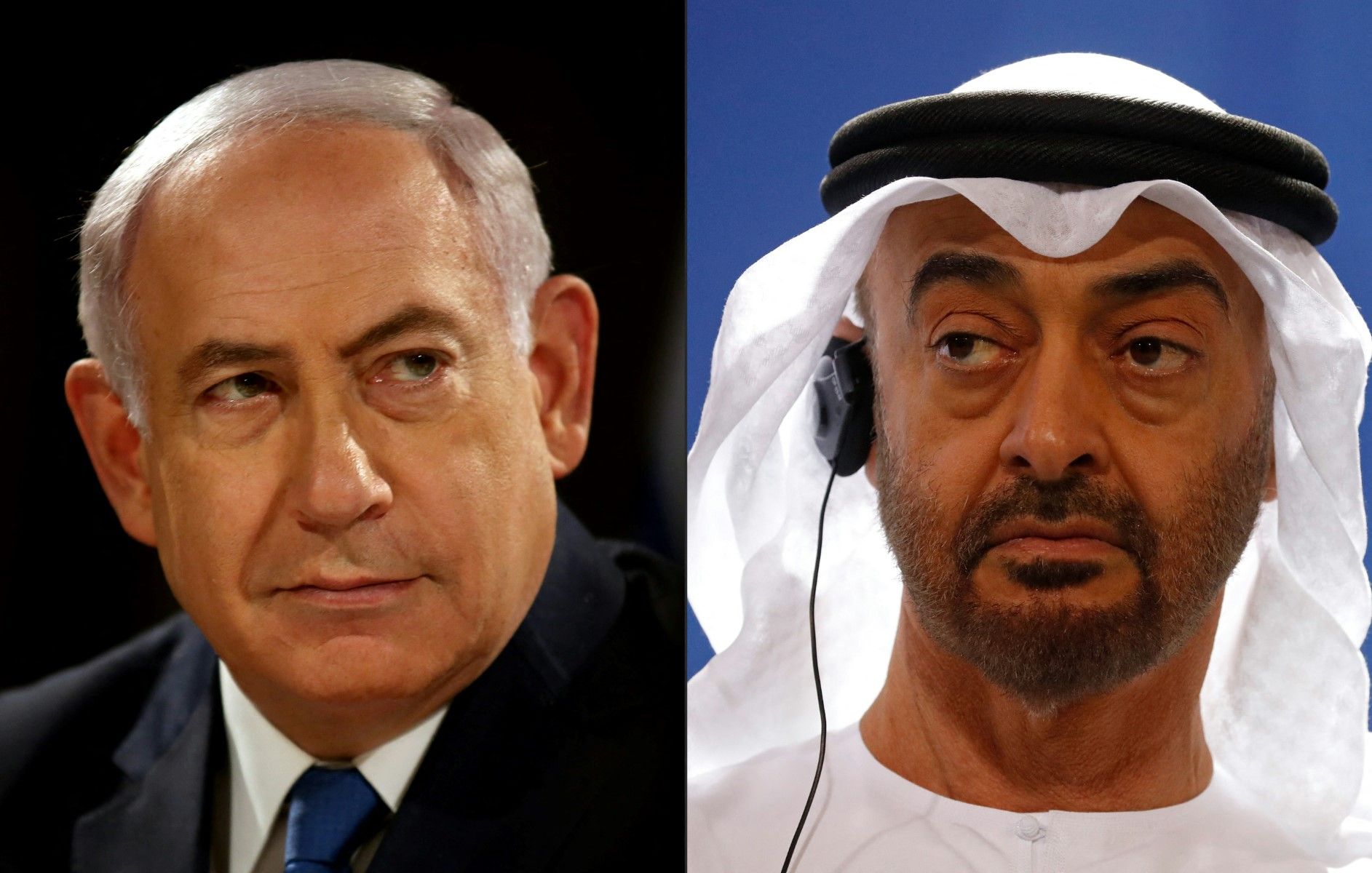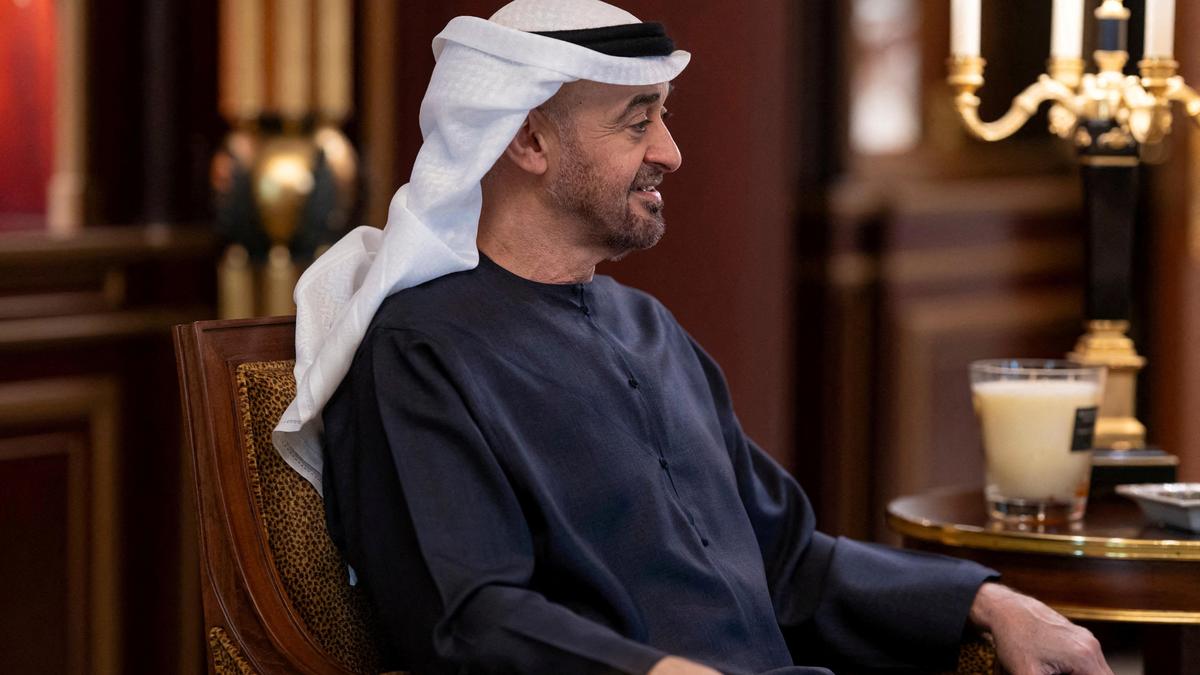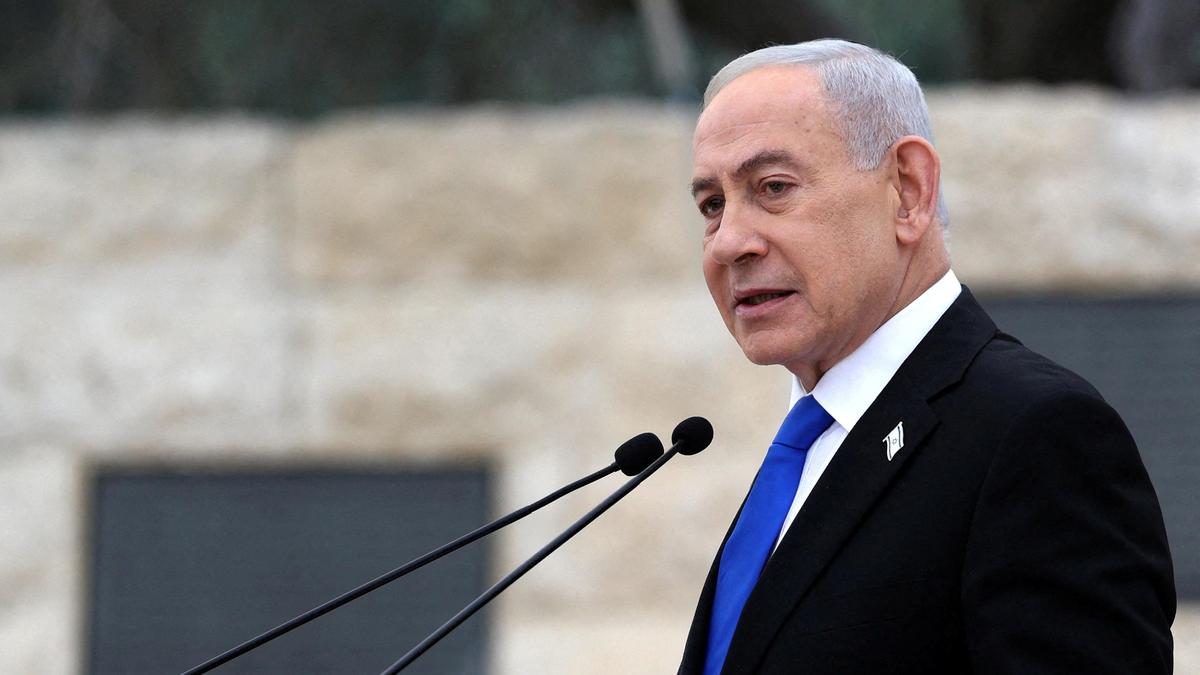
JERUSALEM (AP) — The tight relationship between Israel and the United Arab Emirates is typically managed discreetly. But this week, it was thrust into the open, illuminating tensions underlying the alliance as the Iran war embroils the entire region.The U.S. Ambassador to Israel, Mike Huckabee, first brought attention to the strengthening ties between Israel and the UAE by revealing that Israel had sent Iron Dome air-defense weapons and personnel to operate them to help protect the UAE from Iranian attacks. Then, Israeli Prime Minister Benjamin Netanyahu said he had quietly visited the UAE during the war, prompting a hasty public denial from the Gulf nation. As Netanyahu and the Trump administration ballyhoo their alliances as part of an effort to bolster the region’s anti-Iran factions, the Gulf states prefer to downplay these partnerships — a sign of how public ties to Israel remain deeply controversial in the region. Here’s what you need to know about the Israel-UAE relationship:
Why would the UAE deny Netanyahu’s visit?Netanyahu’s decision to reveal his wartime trip to Abu Dhabi rocked the boat, particularly coming after Huckabee confirmed military cooperation between the two countries. Reports swirled that Israel’s security chiefs had also visited. The UAE’s official WAM news agency posted an article denying “reports circulating” about the visit. The agency wrote that the country’s relations with Israel “are public and conducted within the framework of the well-known and officially declared Abraham Accords, and are not based on non-transparent or unofficial arrangements.”