Tasmania has long been considered a global “climate refuge,” where cool, ocean-influenced conditions allow species like the giant freshwater crayfish to persist as mainland Australia warms.But new research shows that the world’s climate refuges are not immune to threats: shifting rainfall, warming waters, sediment runoff, land-use change and other impacts are eroding the ecological conditions that sustain numerous species.In Tasmania, emerging pressures are impacting the island’s biodiversity, ranging from warming and sedimentation in forest streams affecting sensitive crayfish habitat, to declining oxygen levels putting the endemic Maugean skate at risk.Scientists say protecting climate refuges now requires active coordinated management between federal, state and local partners, with multimillion-dollar investments in watershed restoration and ongoing conservation efforts.
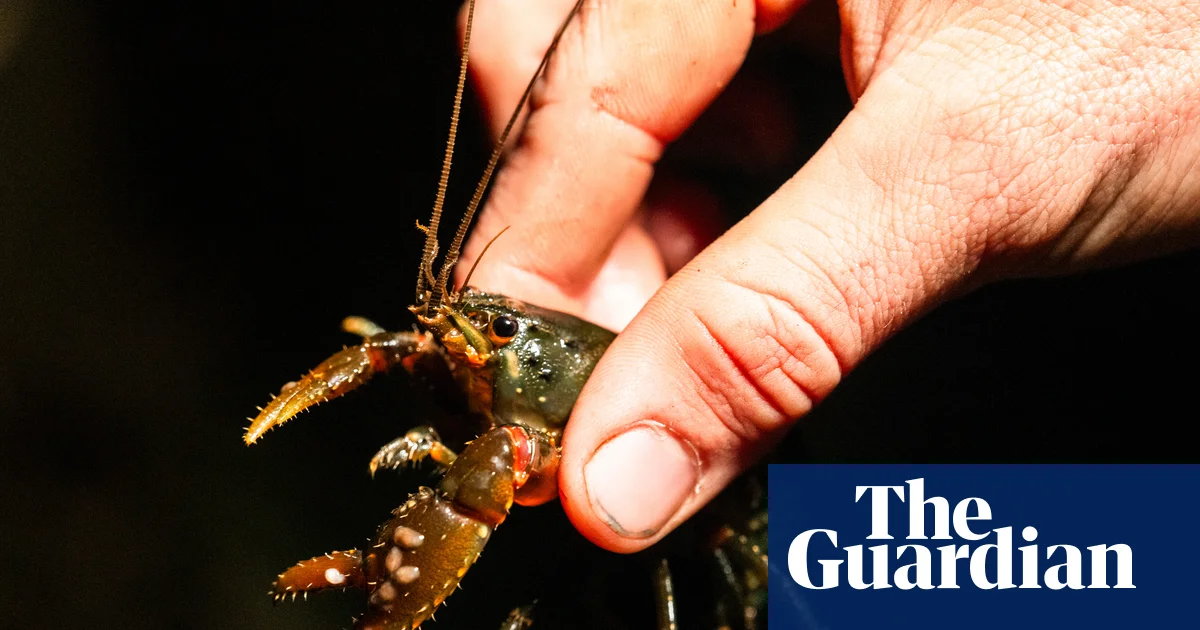
TASMANIA, Australia — A shaded creek winds through fern forest along the Lilydale Falls Trail in northern Tasmania. As hikers pass by, researcher Todd Walsh reaches into the slow-moving water and beneath a rock to pull out a juvenile giant freshwater crayfish caught in one of his live traps.
In streams like this one, he says, present day temperatures rarely climb above about 21° Celsius (69.8° Fahrenheit). “The lethal temperature seems to be about 23°[C, or 73.4°F] for these guys,” says Walsh, an independent crayfish expert who has studied the animals for decades and is known locally as the “Lobster Man.”