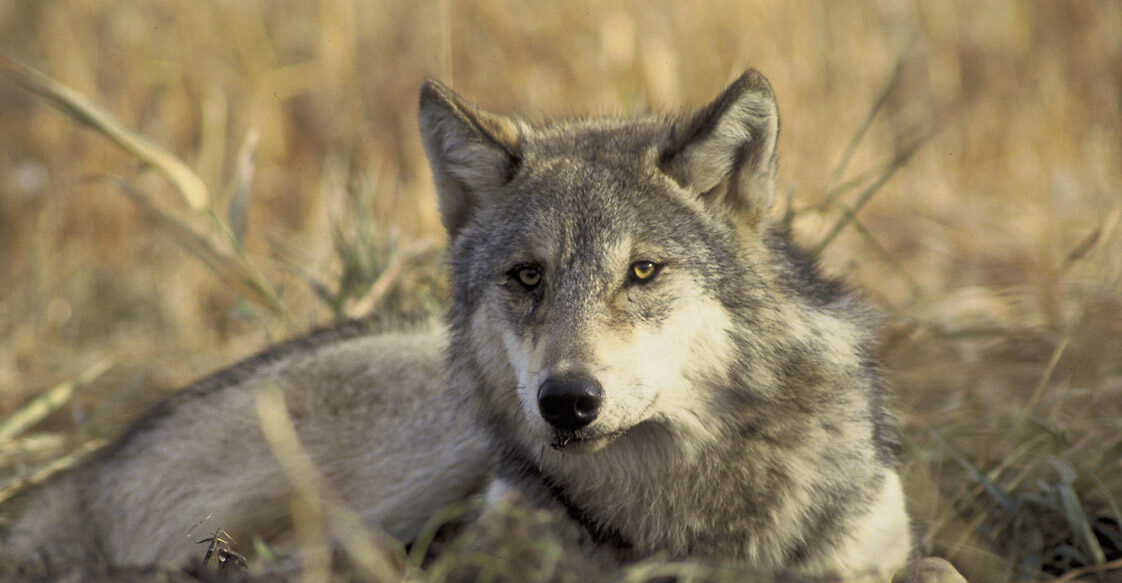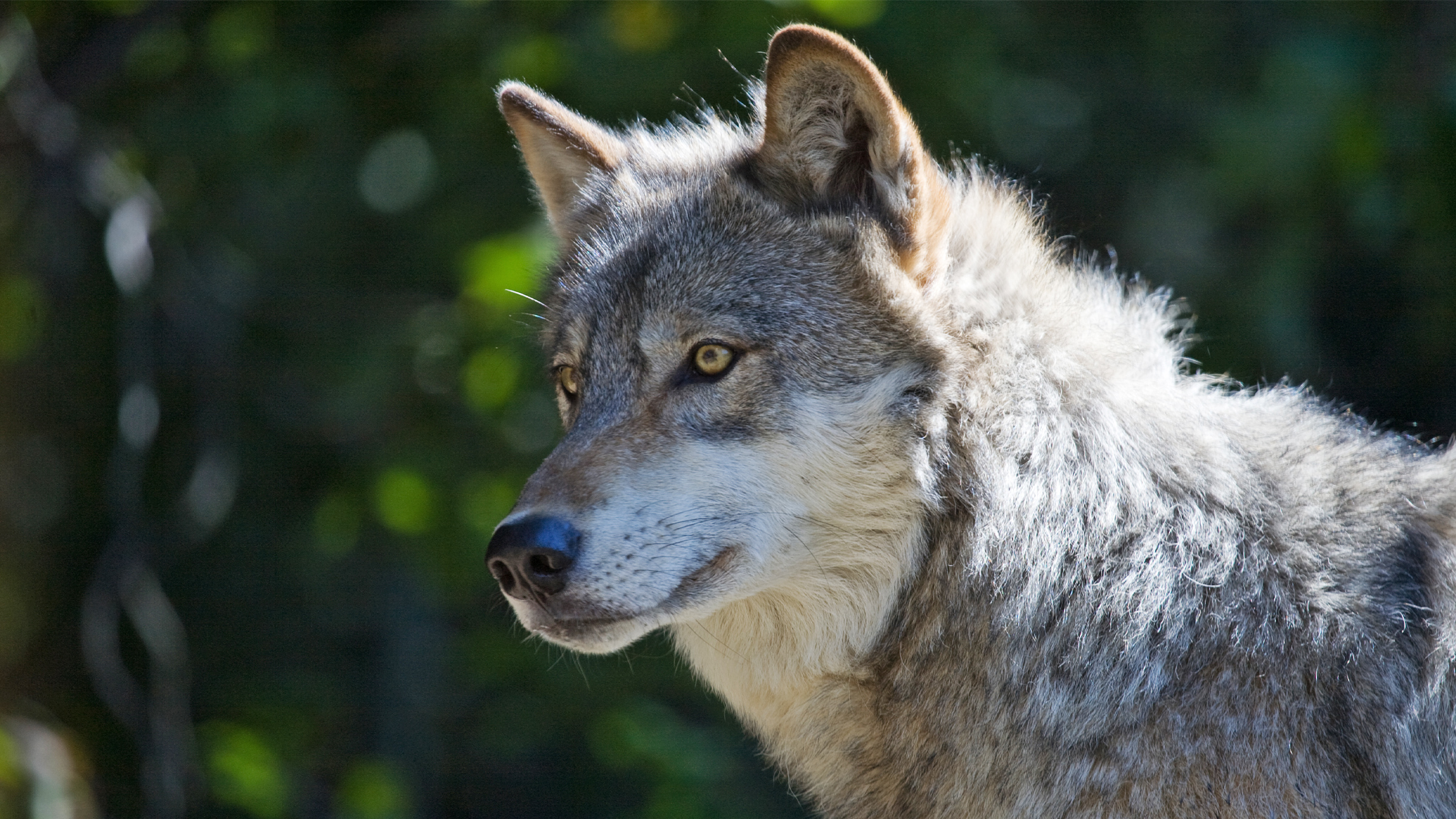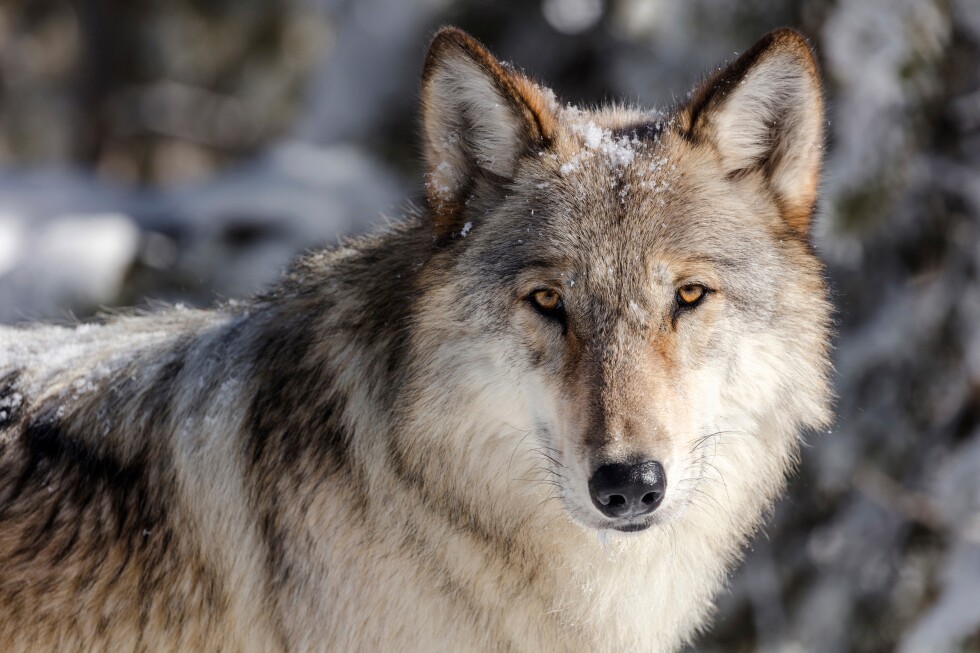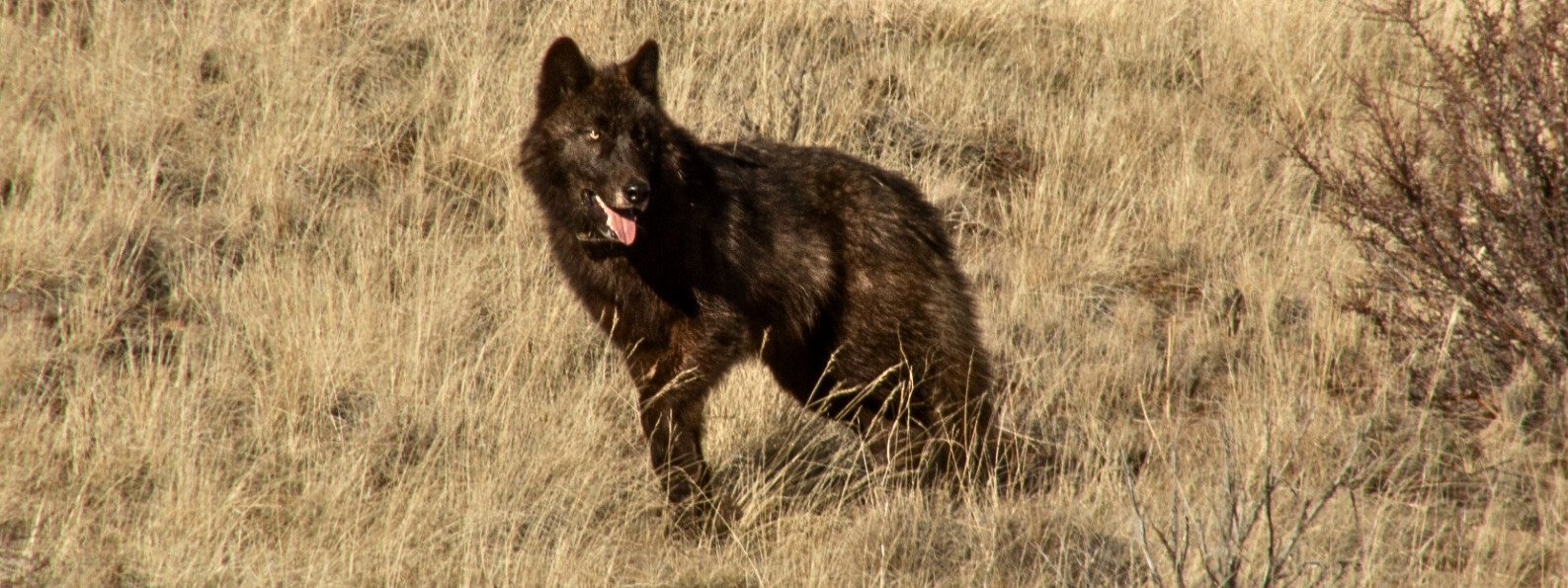
In California, as wolf numbers grow — a remarkable return after a century — livestock producers are increasingly worried as these predators occasionally take down cattle.Gray wolves are an endangered species, protected under both federal and state laws, complicating the balance between conservation and economic losses, though livestock kills remain low.California introduced a compensation program that pays ranchers for direct and indirect losses from wolves as a way to mitigate conflicts, but ranchers say this program isn’t scalable with expanding wolf numbers. The livestock industry also receives substantial taxpayer-funded subsidies.Wolves were extirpated from California a century ago, so ranchers haven’t lived alongside them for generations and are pushing to remove all protections for the species. Conservationists argue coexistence is the only way forward.
This is the second part of Mongabay’s series on the expanding wolf population in California. Read the first, third and fourth parts.
In May 2025, five counties in northern California — mostly rural farm and ranch land — declared an unprecedented state of emergency. It wasn’t a natural disaster or civil unrest that led to panic, but rather a bunch of thriving canids — wolves, to be precise. They’d killed livestock, and according to some residents, were exhibiting “bold, abnormal behavior” and “coming too close to homes.”