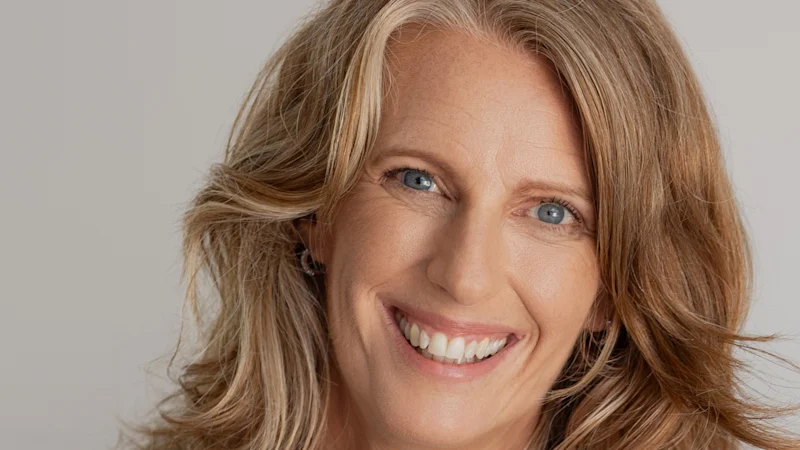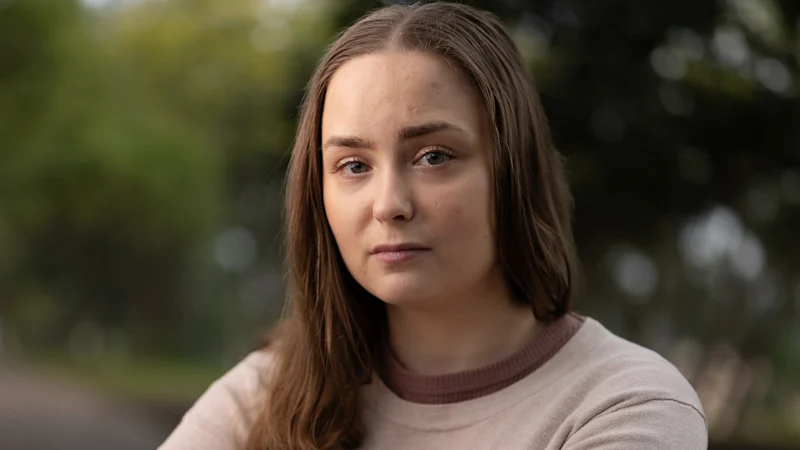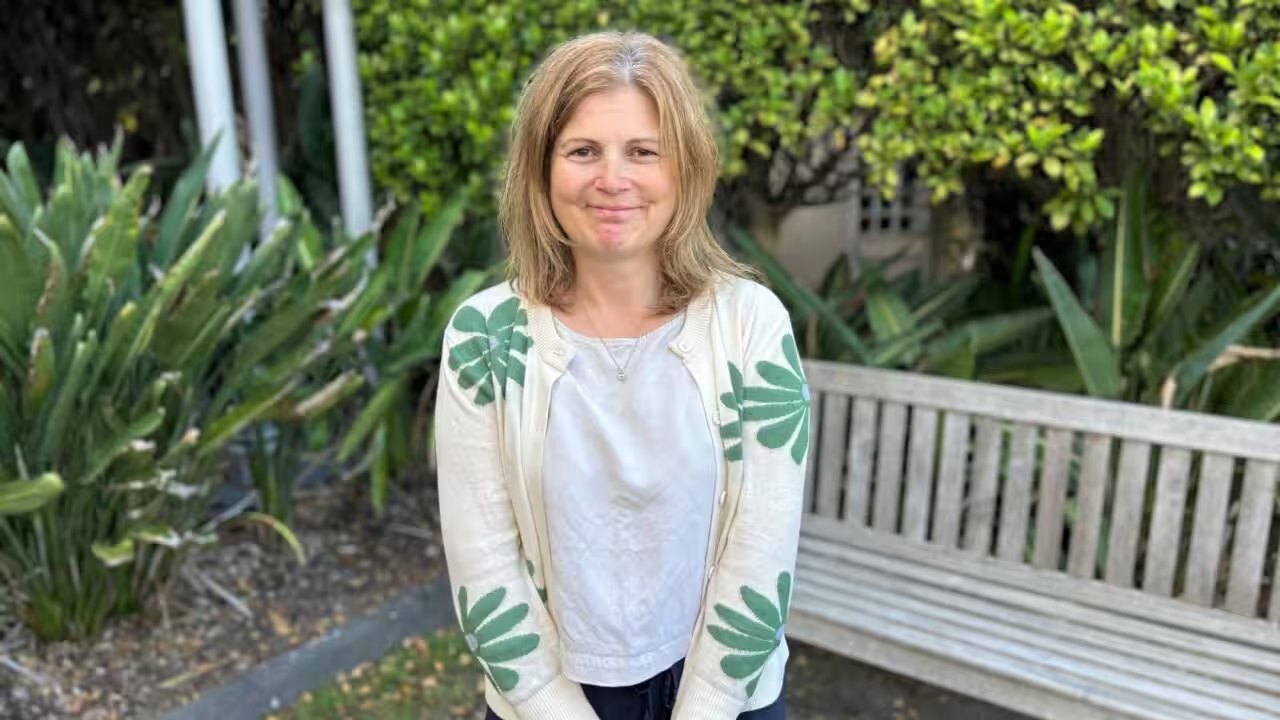
Tanya is sitting in a small, well-lit room at a Melbourne women's health hospital, quietly colouring in a design. It looks simple, almost childlike — but for Tanya, it is part of a structured psychiatric treatment program that helped her rebuild after she could no longer function day-to-day.Like many patients in the women's-only program, Tanya sought professional help after becoming overwhelmed by daily tasks."I was a full-time working mum with teenagers, but I was barely able to get out of bed. I was in a really bad way," she tells SBS News."Then I had to take time off work and I just couldn't go back. I was really struggling."For Tanya (right), art therapy is part of a structured psychiatric treatment program that helped her rebuild after she could no longer function day-to-day. Source: SBS News / Scott CardwellAfter a GP referral, Tanya was admitted to a women's mental health program and, during therapy, discovered a passion for art, which she says has changed her life."Doing art therapy is really satisfying, soul-soothing. It helped me to find ways to express what I am feeling," she says."Then, during a six-month outpatient program, I also did journaling, and now I feel really good and have a better understanding of myself."Tanya is among the one in four women in Australia to battle severe mental health challenges, according to the 2025 Women's Mental Health Research Report.Her experience reflects a broader rise in women seeking structured mental health care, particularly when symptoms begin to affect work, parenting and daily functioning.Hormones, diagnosis and delayed understandingFor many women, symptoms do not sit neatly within a single diagnosis — they can often flare up during hormonal changes, particularly around menopause, says Jayashri Kulkarni, professor of psychiatry at The Alfred and Monash University.Kulkarni is also the founding medical director of Cabrini Women's Mental Health in Melbourne, where she oversees the women-only mental health program.Professor Jayashri Kulkarni (left) with outpatient Tanya at the hospital. Source: SBS News / Scott CardwellKulkarni says many women suffer a complex mix of symptoms that are not immediately linked to hormonal change, even when it's a contributing factor."We have treated, highly successfully treated, women who have presented with what actually is menopause depression, but had been misdiagnosed," she tells SBS News.Tanya knew her hormones were changing, but initially had no idea what was wrong.She says that in hindsight, she can see her mental health decline coincided with those changes, but at the time, the causes were unclear and overlapping."Everything was so hard. I felt like I had been cut off at the knees," she tells SBS News."Doctors eventually diagnosed complex post-traumatic stress disorder (CPTSD), attention deficit hyperactivity disorder (ADHD), anxiety and depression.I'd never had any kind of diagnosis before. I had been raised to not talk about [mental health] and to not acknowledge that it was even a thing.Concerns about mixed-gender psychiatric wardsKulkarni says she has spent years advocating for a women-only hospital after working across mixed-gender mental health wards in both public and private hospital systems."There are many, many risk factors in co-gendered wards," she says."Very sadly, I have been involved with situations where women have been traumatised or abused, or even, [in] the worst cases, raped by co-patients."And it's usually male patients who assault female patients."Concerns about safety in mixed-gender wards are also being raised more broadly within the mental health sector.Dr Angelo Virgona, president-elect of the Royal Australian and New Zealand College of Psychiatrists (RANZCP), says reports of sexual harassment and assault in inpatient units remain a significant issue."The atmosphere in some inpatient units is very distressing, very harrowing, and frightening," he tells SBS News."It is due to the increasing acuity that we're seeing in people who are mentally ill and particularly those with associated substance use problems or drug-induced psychotic-type disorders." According to RANZCP, reports of sexual assault in mixed-gender wards are six times higher than in single-gender settings.In acute inpatient health services, including mental health services, sexual activity is prohibited, and services are required to comply with mental health legislation and duty-of-care obligations designed to protect patients from harm.However, Virgona says many people seeking treatment through the public system continue to be admitted to mixed-gender wards because alternatives are limited."Often, that is all that is available," he says."If somebody is acutely unwell and they need inpatient care, then it is beholden on the services to try to ensure that the environments in those mixed gender wards are as safe as possible." Trauma, safety and calls for reformA recent report co-authored by Kulkarni and published in the journal Australian Psychiatry in January 2026 states women with histories of violence and trauma can experience further distress when admitted to mix-gendered mental health facilities.This is a real issue for many women who have had a background of trauma and violence in their own lives that has led to mental illness.— Jayashri KulkarniVirgona describes it as "a terrible indictment" of the system when patients experience worsening symptoms during hospital admission.The RANZCP says future mental health facility design should prioritise secure, women-only spaces, including separate bedrooms, bathrooms, and communal areas."The need for them is obvious and any new development of mental health services should have a single-gender orientation."Wherever possible, there should be attempts made at retrofitting the existing facilities so that women can have safe spaces."Growing pressure on mental health servicesThe federal budget has allocated $283.2 million over four years from 2025-26 to continue strengthening Australia's mental health and suicide prevention system.Mental ill-health costs the Australian economy an estimated $56 billion annually, according to the RANZCP."The increasing cost of living across our country is putting extraordinary pressure on people. Pressure leads to stress, which leads to symptoms such as depression and anxiety," Virgona says.Tanya says she feels proud to be moving ahead with a new career and purpose. Source: SBS News / Scott CardwellAmid these broader pressures on the mental health system, individual stories like Tanya's reflect the complexity many women describe in navigating changing diagnoses alongside major life transitions.Tanya is now studying for a new career in health and leisure and says she is focused on moving forward."It is hard for me to ever say that I feel proud of myself."But I have worked really hard with support from [the program] to connect with and understand mental health and mental wellbeing."Readers seeking crisis support can ring Lifeline on 13 11 14 or text 0477 13 11 14 or beyondblue.org.au and on 1300 22 4636.If you or someone you know is impacted by sexual assault, call 1800RESPECT on 1800 737 732, text 0458 737 732, or visit 1800RESPECT.org.au. In an emergency, call 000.Embrace Multicultural Mental Health supports people from culturally and linguistically diverse backgrounds.For the latest from SBS News, download our app and subscribe to our newsletter.
Tanya could barely get out of bed — until the diagnosis that changed everything
As more women face mental health challenges, experts warn of safety risks in mixed psychiatric wards and gaps in care.
1,121 words~5 min read