Democrats' appeal to the Supreme Court was a legal longshot because the justices typically defer to state courts when interpreting state laws.Show Caption
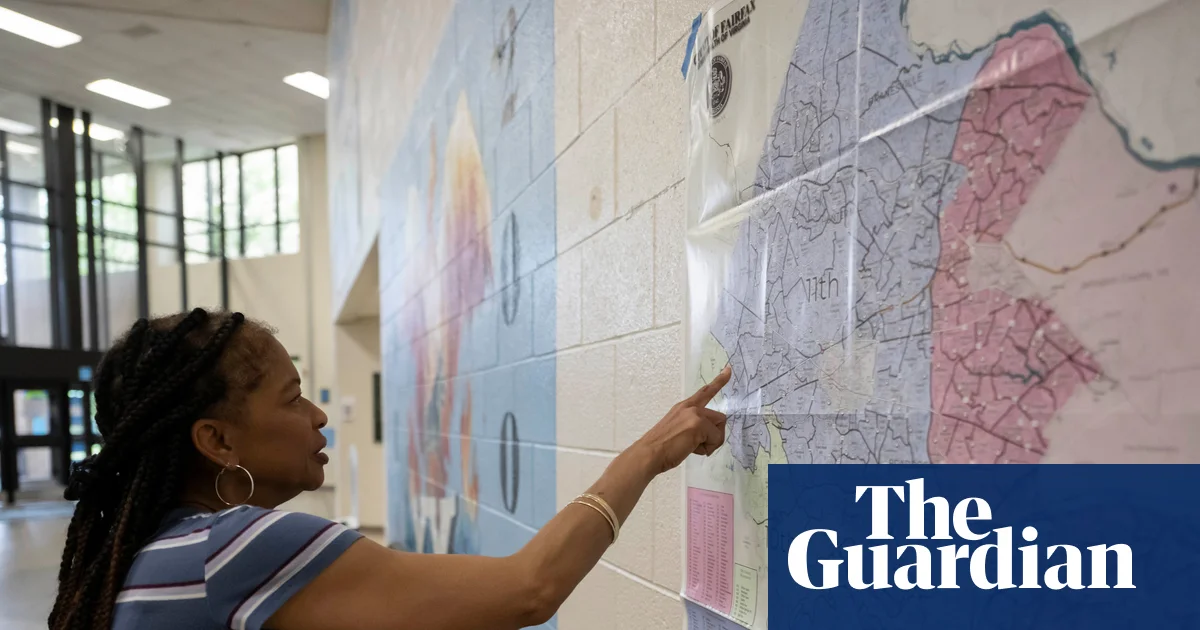
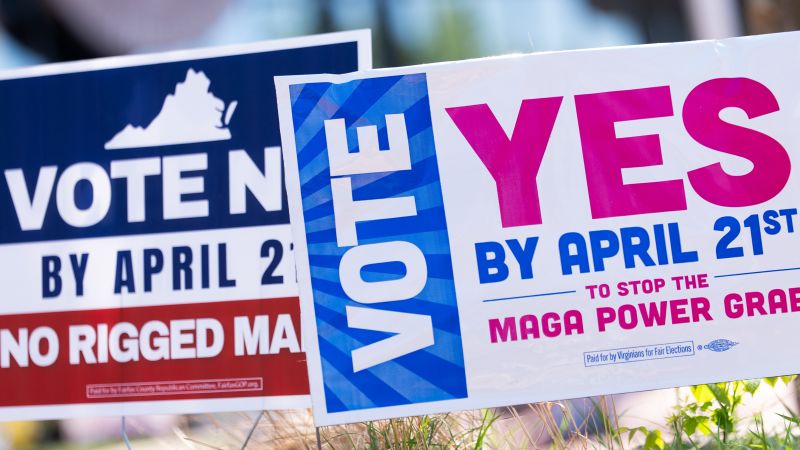
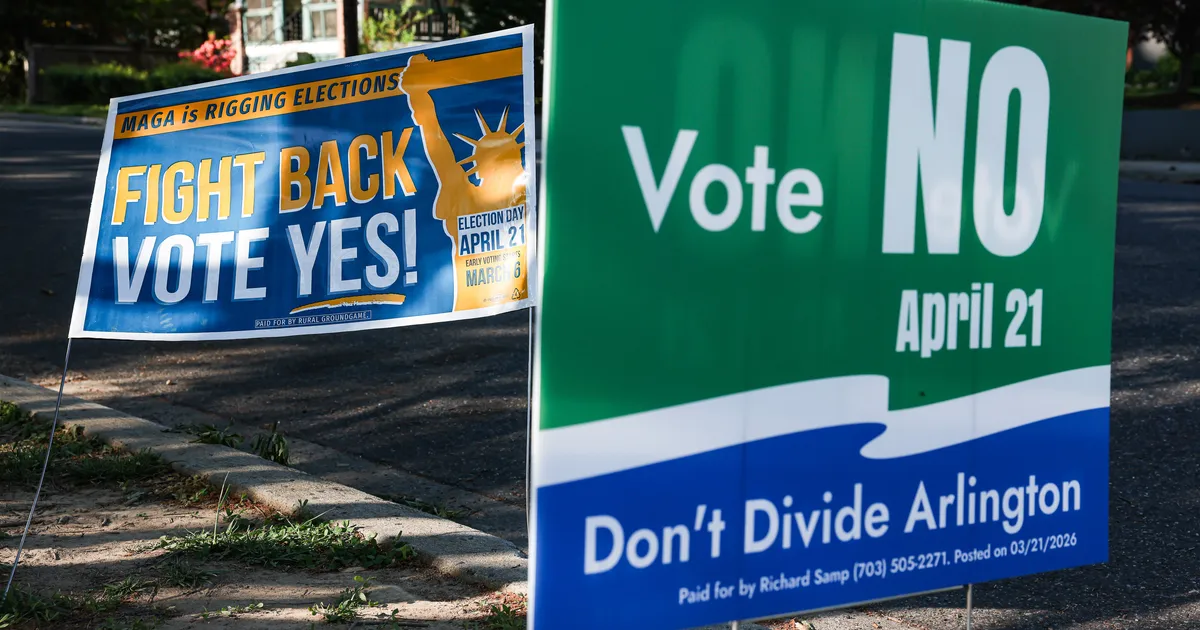
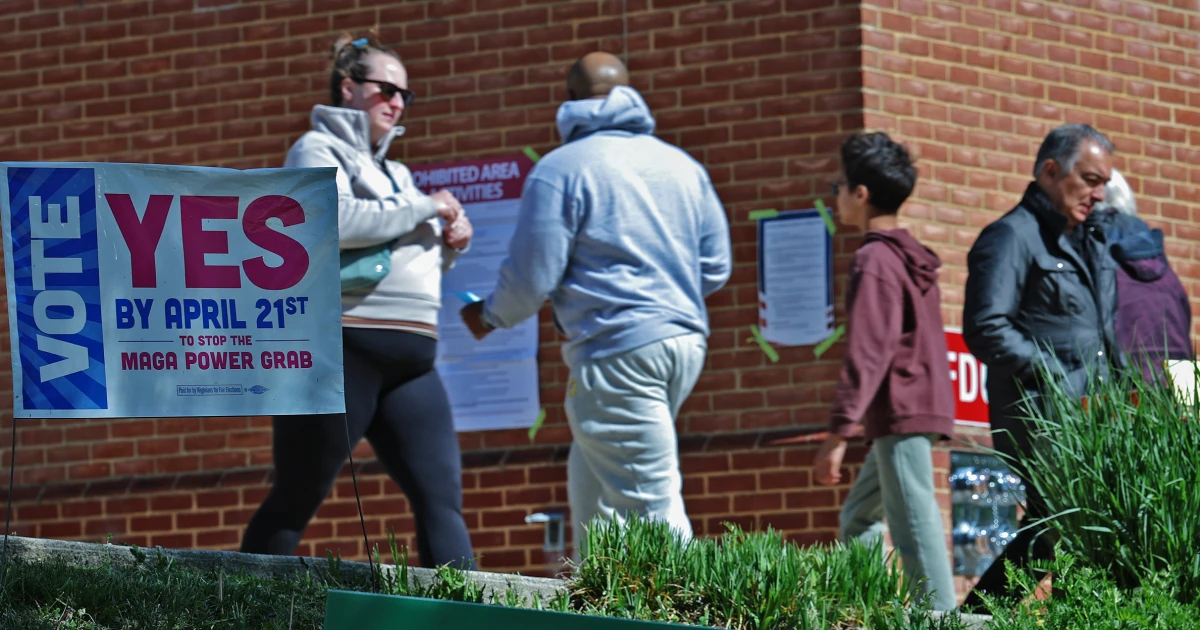
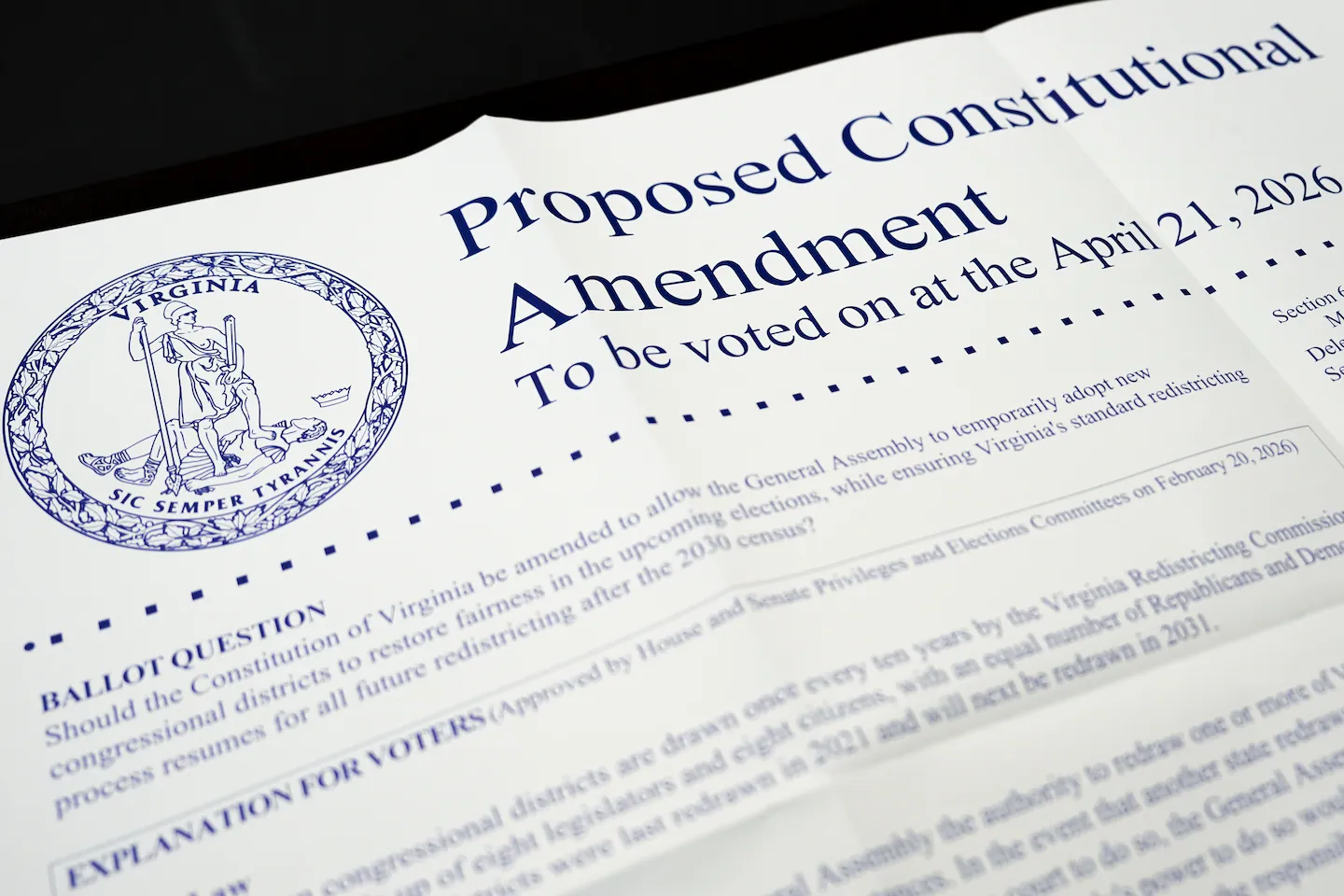
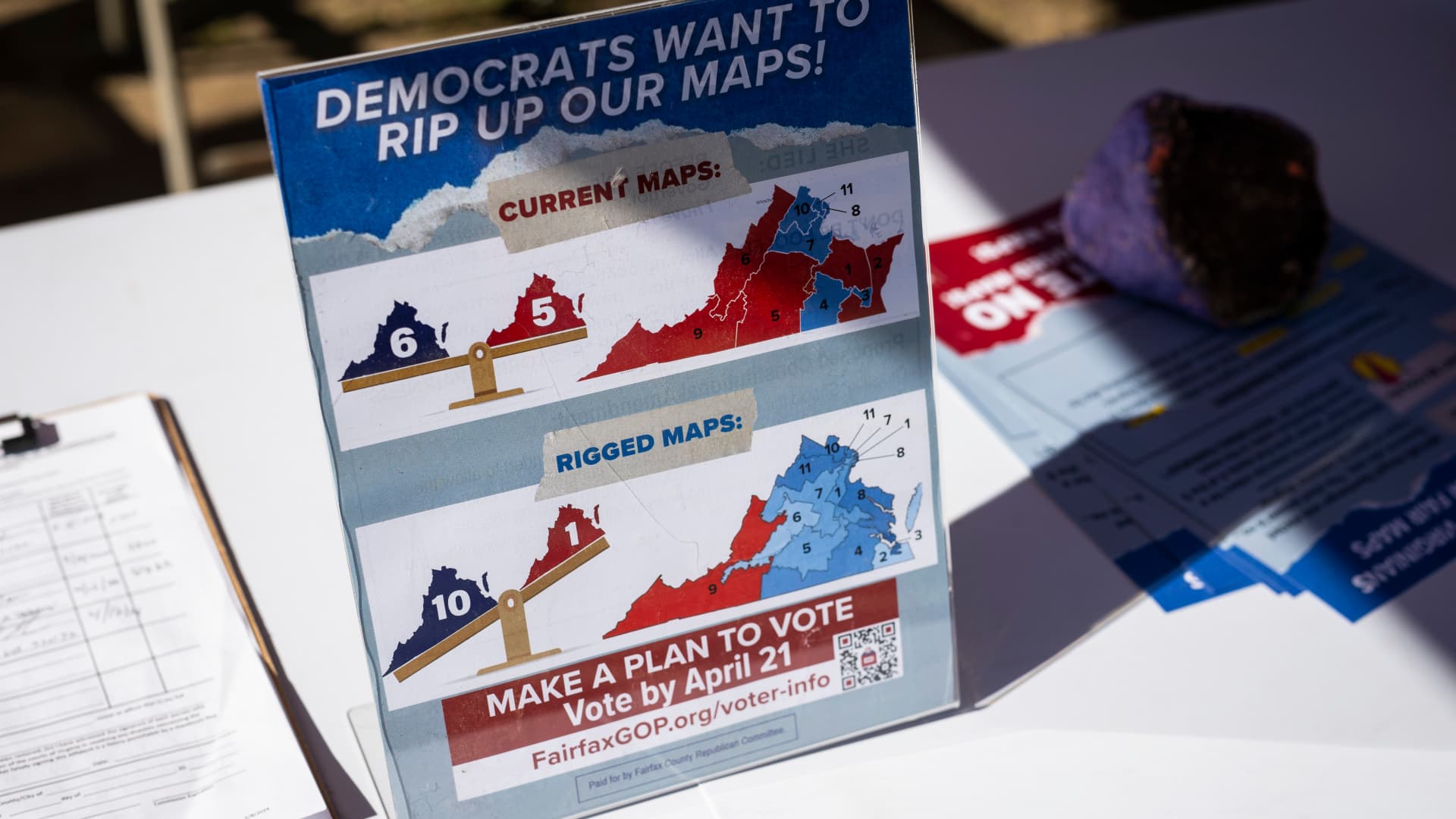
WASHINGTON – Virginia Democrats’ push to gain four more seats in Congress died at the Supreme Court on May 15, leaving the national party at a disadvantage in an ongoing redistricting war.In a one-sentence order, the justices left in place a Virginia Supreme Court ruling striking down a measure allowing lawmakers to create a map more favorable to Democrats in the midterm elections. No justices publicly dissented.Even before the ruling, Virginia Gov. Abigail Spanberger − who had supported the new map − had said not enough time remained to implement the changes even if the state court's decision was blocked.Virginia Democrats’ emergency request for the U.S. Supreme Court to intervene was a longshot because the justices typically defer to state courts when interpreting state laws.By contrast, recent Supreme Court decisions clearing the way for Alabama and Louisiana to pursue more favorable maps were outgrowths of the justices’ historic ruling gutting a key provision of the federal Voting Rights Act.That April 29 decision sent Republican-controlled Southern states scrambling to take advantage of the new opportunity to eliminate majority-Black U.S. House districts that historically elect Democratic candidates.States were already engaged in an unusual mid-decade redistricting fight that began last year when Texas lawmakers responded to a push from President Donald Trump to rearrange their map with more Republican-leaning districts.Republicans have redistricting edgeElection analysts, including Kyle Kondik, of the University of Virginia's Center for Politics, say Republicans now have the redistricting advantage.But that won’t protect the party from losing its slim majority in the House this fall if there’s a Democratic wave, according to Kondik. Republicans must still overcome Trump’s low approval ratings and voters’ dissatisfaction with the economy. Also, the president's party typically loses seats in midterm elections.Still, the map Virginia Democrats wanted to use would have helped them flip four of the state’s five congressional districts now held by Republicans, giving them all but one of the state's 11 House seats.Virginia voters approved the change 52%-48% in a referendum April 21.The referendum backed state lawmakers’ temporary suspension of the state constitution’s redistricting rules. But amendments to the constitution must be approved by lawmakers both before and after a regular election before they can be put before voters.Virginia Supreme Court struck down new mapThe Virginia Supreme Court ruled 4-3 that because early voting in the 2025 election had already begun when the state legislature approved the changes for the first time on Oct. 31, 2025, the rules weren’t followed.Virginia Democrats argued that decision can't be squared with the meaning of the term “election” under federal law. And by also rejecting “the plain text” of the state constitution’s definition of an election, the state Supreme Court unlawfully usurped the power given state lawmakers by the federal constitution to regulate elections, Democrats said."By forcing the Commonwealth to conduct its congressional elections using districts different from those adopted by the General Assembly pursuant to a constitutional amendment the people just ratified, the Supreme Court of Virginia has deprived voters, candidates, and the Commonwealth of their right to the lawfully enacted congressional districts," Virginia Attorney General Jay Jones wrote in a filing.The Republican legislators who challenged the referendum said Democrats hadn’t raised any legitimate issue of federal law for the justices to decide."From the outset, this case has concerned only state-law claims and state-law defenses," the GOP legislators told the Supreme Court in a filing.They also argued that Jones, the state's attorney general, previously said that the matter needed to be settled by May 12 for on-the-ground election preparations. That means, the lawmakers said, that Virginia is unable to use Democrats' preferred map even if the Supreme Court had allowed it.