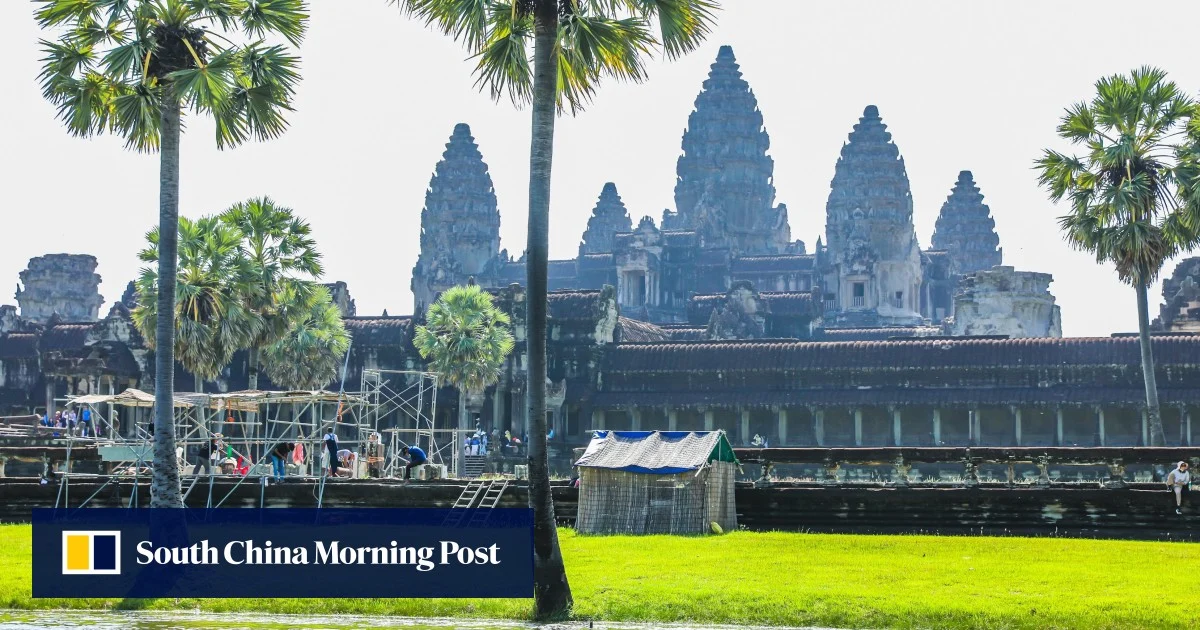
Until recently Phnom Penh, Cambodia’s helter-skelter capital, was a city you arrived at with one eye on the exit. You’d stay a night, maybe two, enough for an obligatory spin through the Tuol Sleng Genocide Museum and the Royal Palace, before hotfooting it to the country’s postcard sights: the temple complex of Angkor Wat or one of the island resorts off the southern coast. While Cambodia’s tourism industry blossomed in the 2010s and cities such as Siem Reap, Kampot and Battambang grew into bastions of arts and culture, Phnom Penh struggled to shake its image of postwar lawlessness and trauma: NGO land cruisers, petty crime and (mostly) western male visitors of a certain age trolling the streets for unsavoury entertainment.
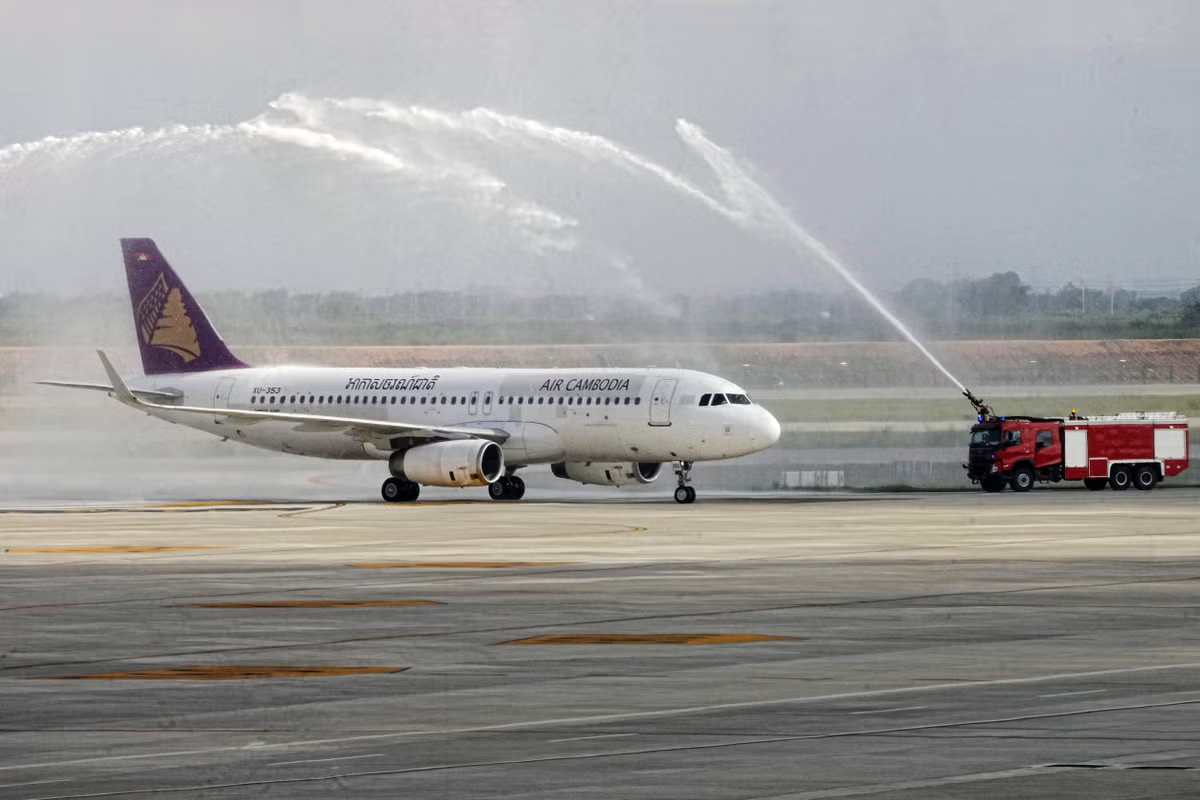
But things are changing. Last October a new international airport opened, replacing the poky one that served the city for almost seven decades. Foster + Partners, the British architecture firm behind the $2bn project, calls it “a new vision for Cambodia’s capital”, one with sunlight filtering through latticed ceilings that nod to traditional woven basketry. Rice fields and skinny cattle still dominate the land around it, but an entire satellite city – with the newly christened Xi Jinping Boulevard connecting it to Phnom Penh proper – is set to rise in the coming years.