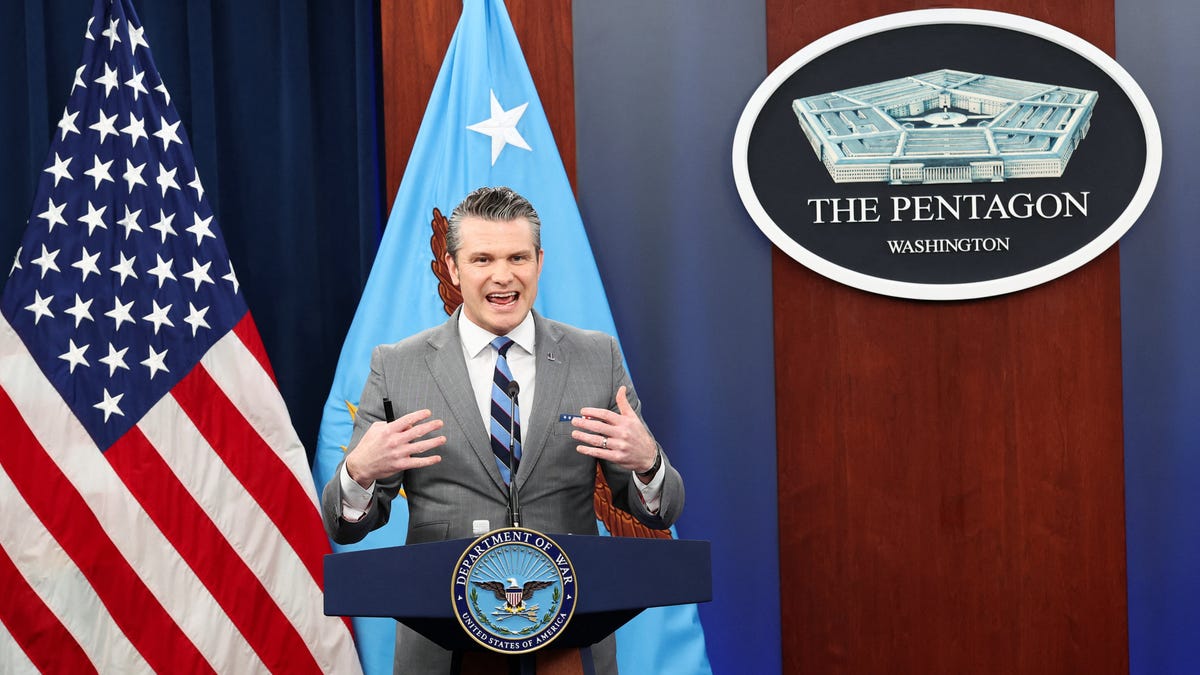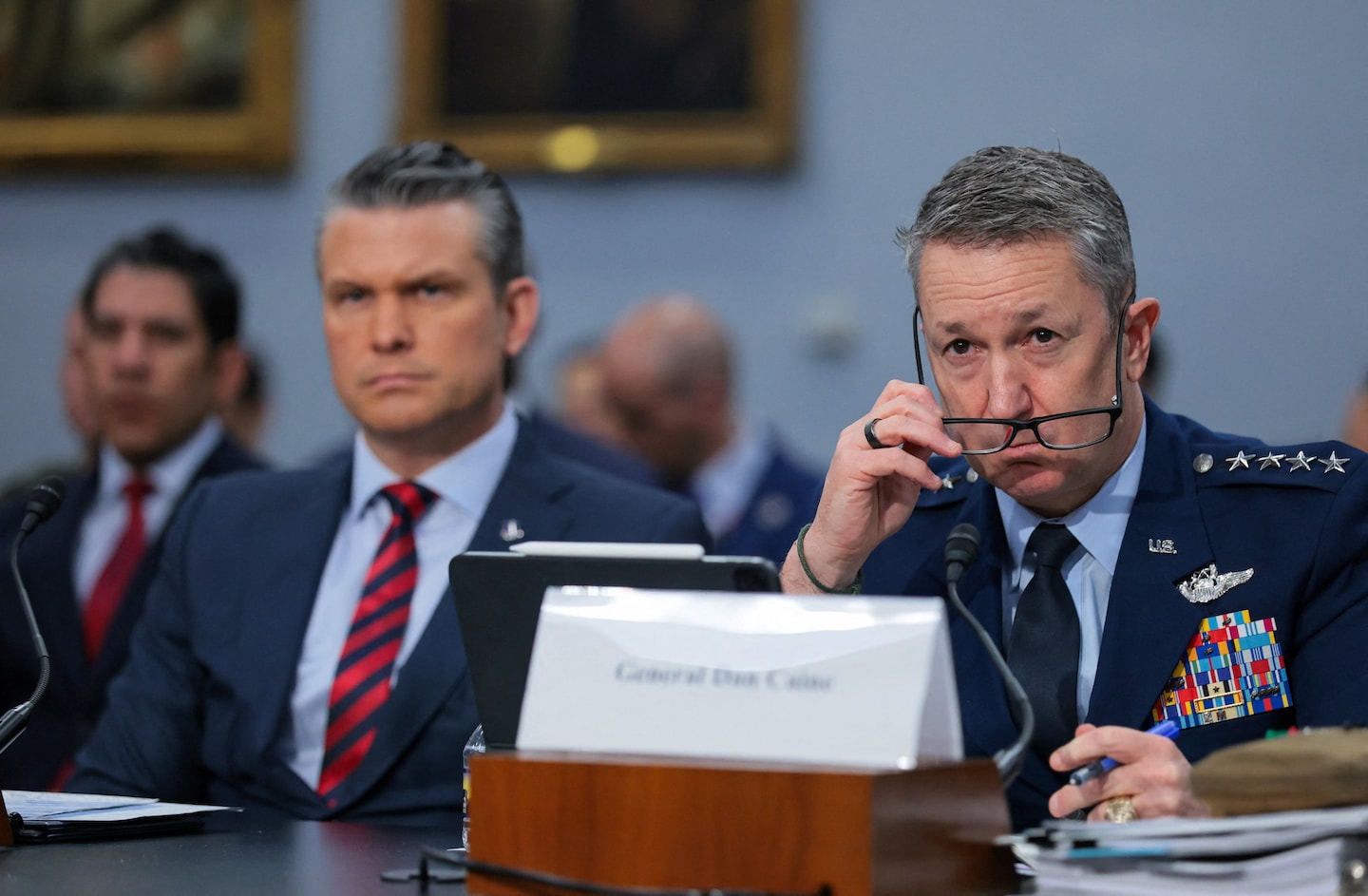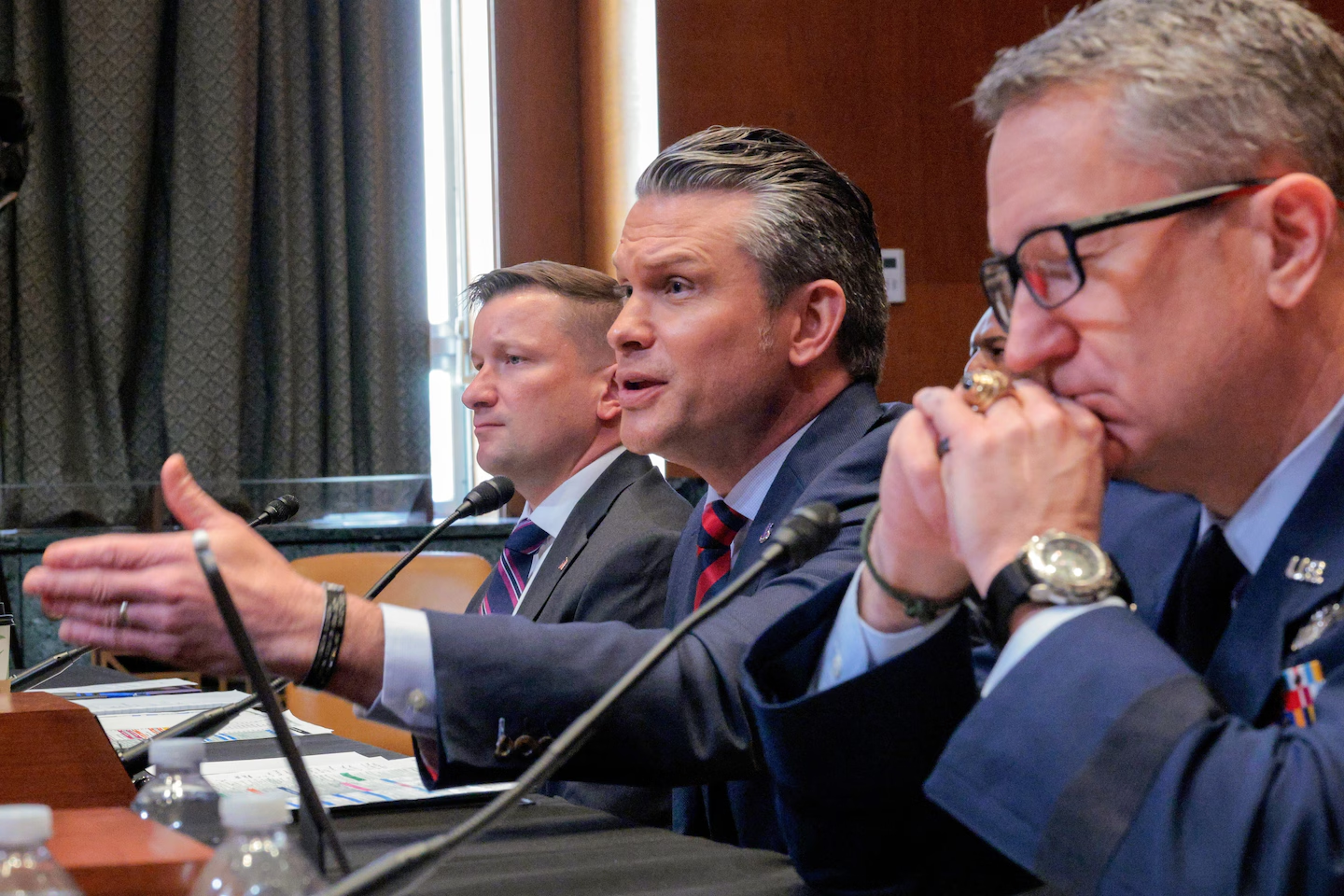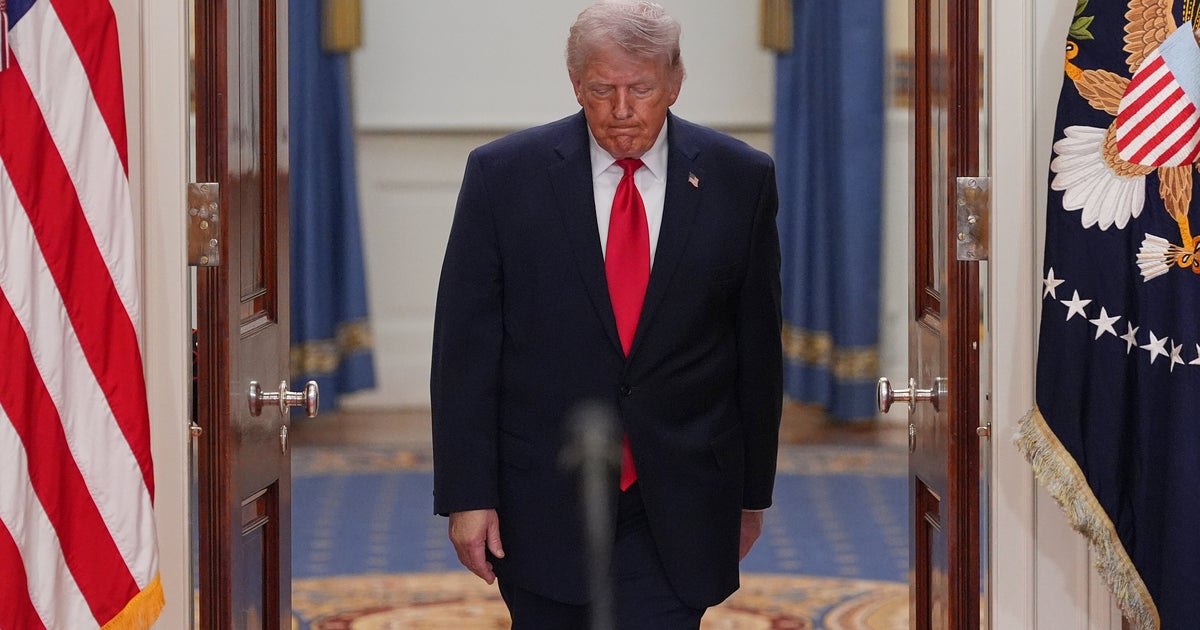
President Donald Trump wants to increase defense spending by about 44% next fiscal year, bringing the Pentagon's budget to roughly $1.5 trillion. Congress will have the final say here, but so will lobbyists.Lobbying by the defense sector increased 10% in the first quarter of this year compared to the same period last year, according to OpenSecrets, a nonprofit that tracks money in politics.For more on the rise in defense sector lobbying, Marketplace’s Nancy Marshall-Genzer spoke with Dan Auble, a senior researcher at OpenSecrets. The following is an edited transcript of their conversation.Nancy Marshall-Genzer: We saw the biggest spike this century in lobbying by the defense industry in 2025. That is according to OpenSecrets data. So how much of an increase are we talking about here?Dan Auble: Well, they increase their spending every year, really, especially in the last five years, but last year we saw a 24% jump in spending. So they are now spending over $50 million every three months.Marshall-Genzer: Wow. So who's doing the most lobbying here? And who are they lobbying, Dan? Is it members of Congress, the Trump administration, all of the above?Auble: All of the above, really. There are both large and small companies doing the lobbying, but the majority of the money is spent by the big five prime contractors, such as Lockheed Martin and RTX, which used to be called Raytheon. Lockheed Martin, in particular, spent $15 million in 2025 and has already spent more than $4 million in the first quarter of 2026.Marshall-Genzer: Lot of money. So why has lobbying increased so much by these military contractors? Is it just that they see how much President Trump wants to increase military spending, and they want to be sure they get their piece of the pie?Auble: That is generally a strong motivator for lobbying. The defense industry has an appropriations bill that comes up every year and is huge — now over $1 trillion. And in addition to that, we are now in a more war-like posture, so a lot of these companies are lobbying to get their piece of renewing the stockpiles of arms that are being used, for instance. They will specifically mention weapons programs that are important to them, as well as advocating for easier ways to sell military equipment, services, and weapons abroad. Marshall-Genzer: So is all this paying off? I mean, is it becoming easier for these companies to sell weapons abroad? Did the companies that lobbied the most last year get the biggest contracts this year? Is there a correlation?Auble: The industry is very top-heavy with those really big manufacturers and contractors spending most of the lobbying money. So, for instance, the top 10 lobby spenders made up 40% of the total defense industry lobbying effort in 2025. In fact, when you look at their lobbying numbers compared to some other industries — like pharmaceuticals, which spends the most — they almost seem small, but they did spend almost $200 million last year, which is a substantial amount to get their foot in the door. And that defense budget is now proposed to be $1.5 trillion. So they are clearly getting more than their money's worth. They have increased spending every year for the last five years, so there is evidence that they feel the same.
Defense lobbying surges amid growing geopolitical tensions
Lobbying activity in the sector jumped sharply in the first quarter of the year.
549 words~2 min read