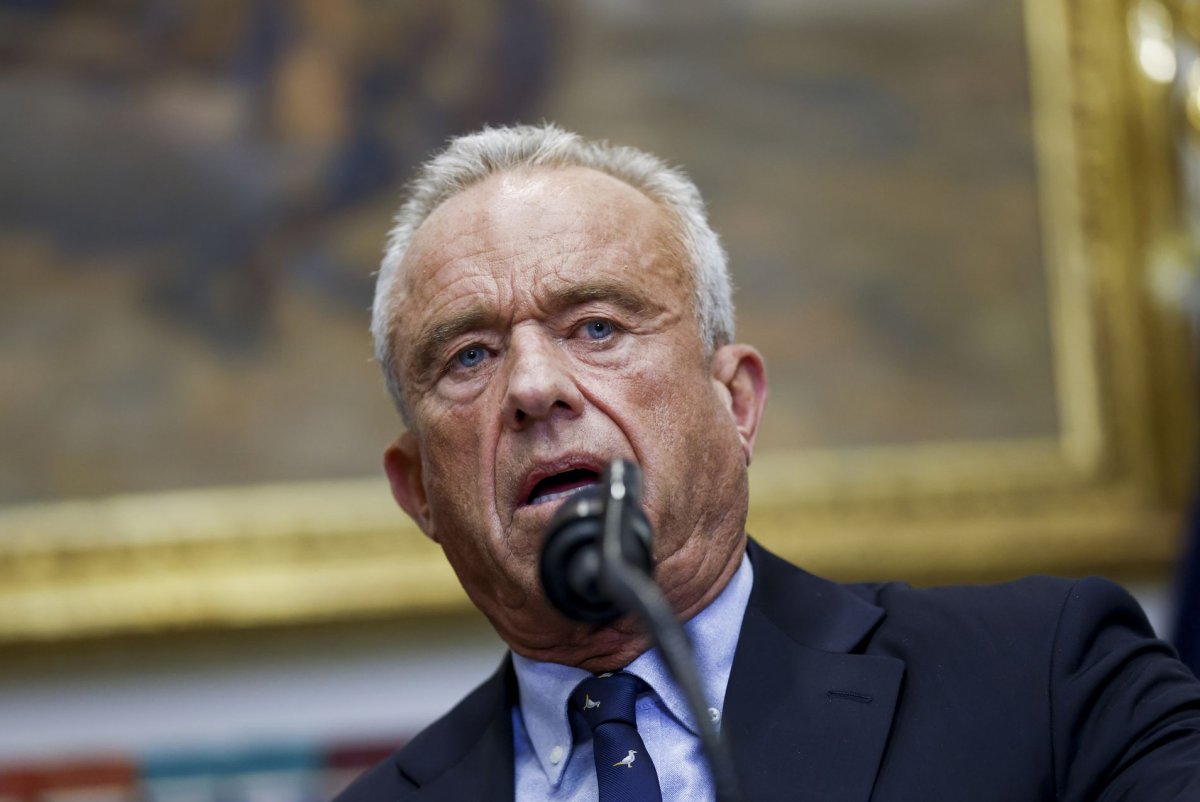
An interview with the National Rural Health Association’s CEO on the Trump administration’s push to transform rural health care.
It should come as no surprise that rural populations are less well-off than their urban peers when it comes to health care. Those living closer to health services and the engines of economic activity typically have a better chance at living longer, earning higher incomes and attaining more education. The urban advantage is made possible mainly by advances in public health over the past two centuries.
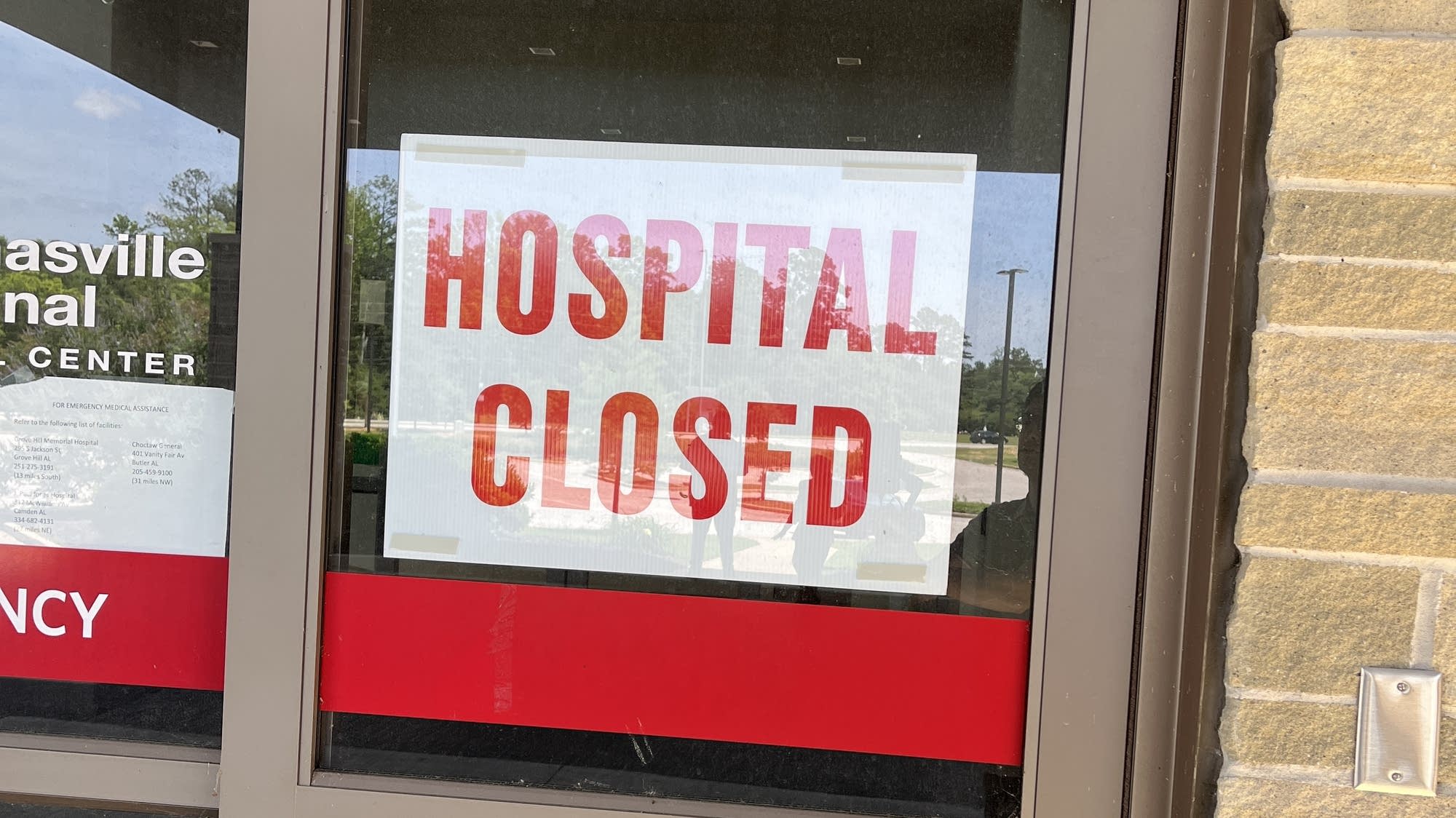
Since 2017 in the United States, the rural death rate has exceeded the birth rate. Despite this mortality crisis, the Republican-passed 2025 budget reconciliation, the One Big Beautiful Bill Act (OBBBA), cuts nearly $140 billion — out of almost $1 trillion in Medicaid cuts — from rural health care funding over the next decade, according to KFF, a nonpartisan health policy organization. OBBBA does, however, include $50 billion over the next five years for the Rural Health Transformation Program — an initiative to bring innovative solutions to rural health disparities across all 50 states.
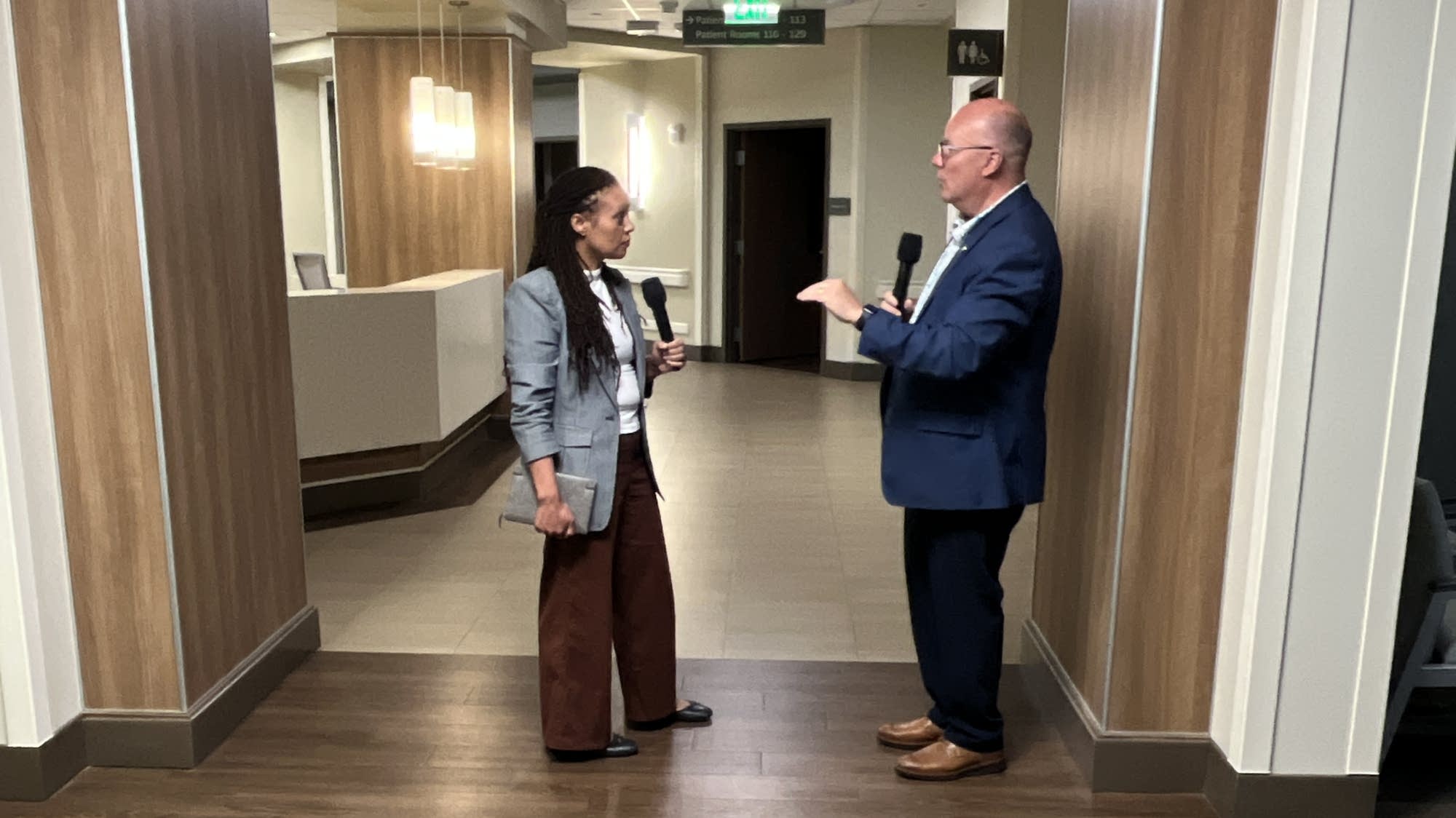
Reporter Kendrick Frankel spoke with Alan Morgan, CEO of the National Rural Health Association, about the status of the program, the issue of broadband connectivity and how the second Trump administration differs from the first in dealing with the challenges facing rural...