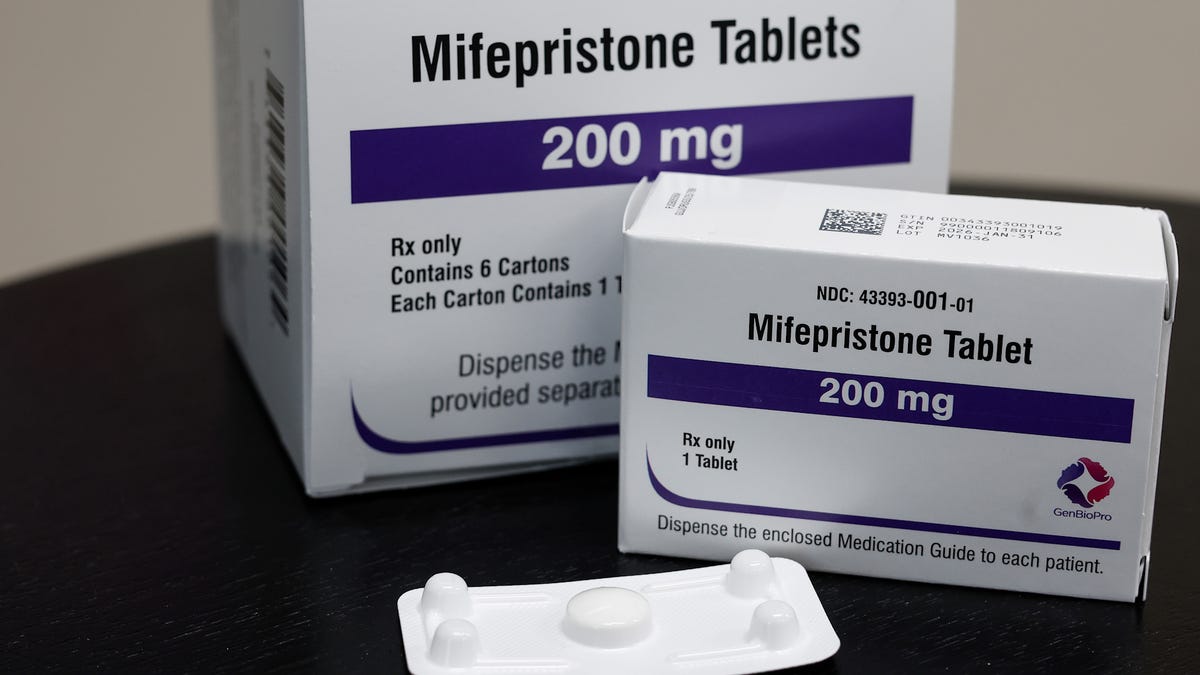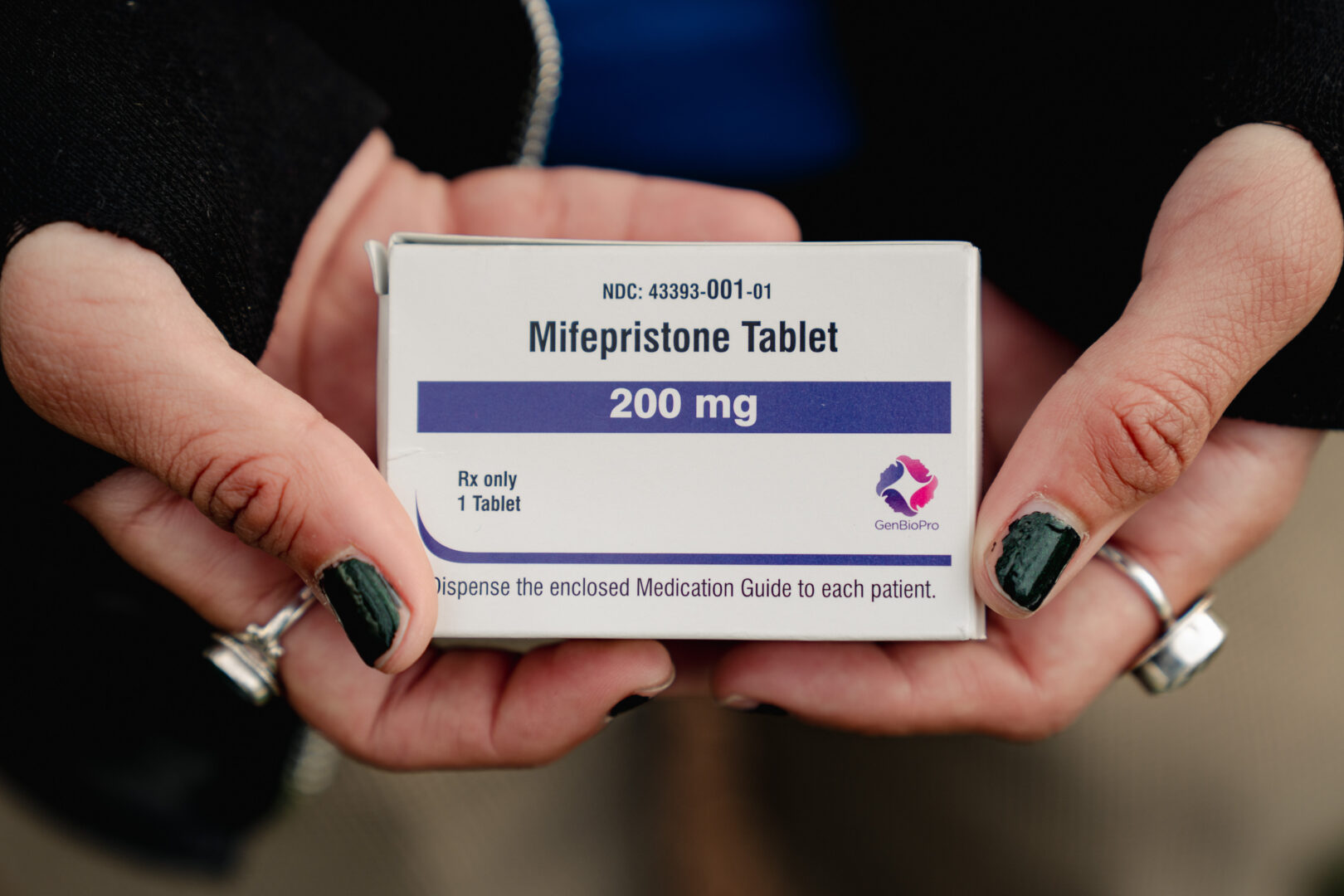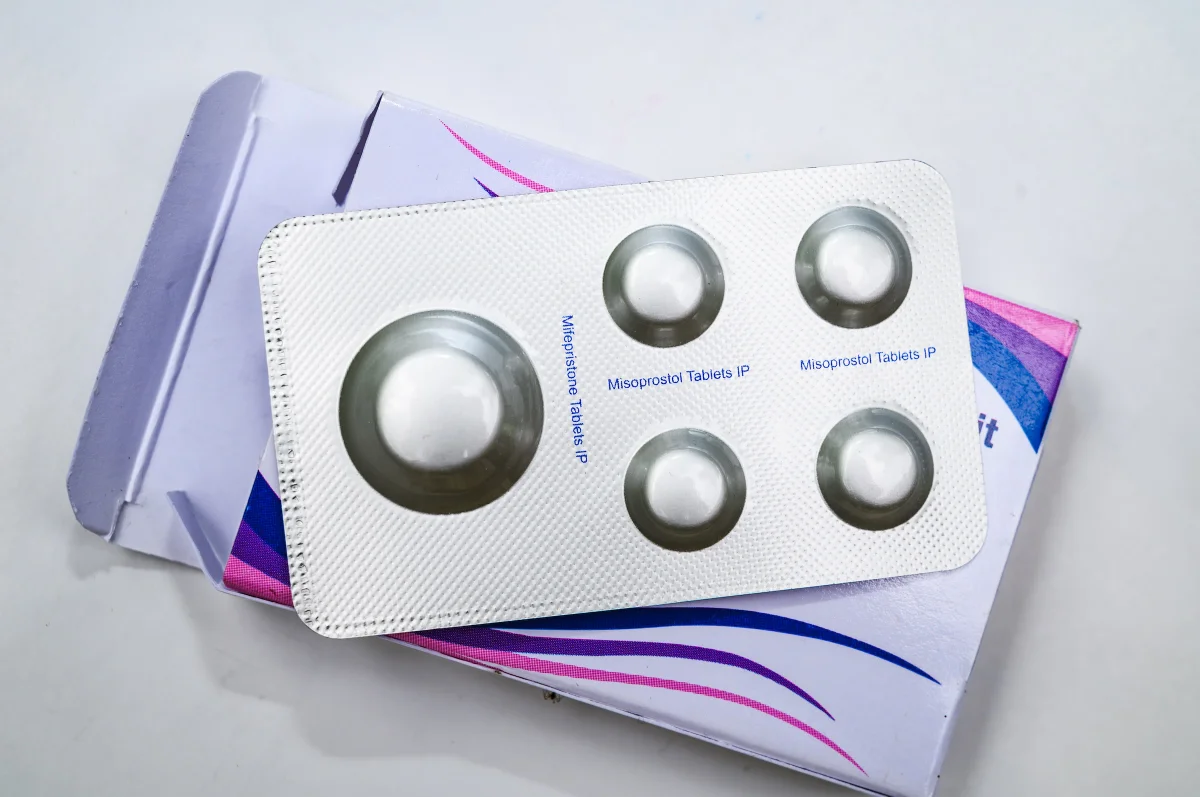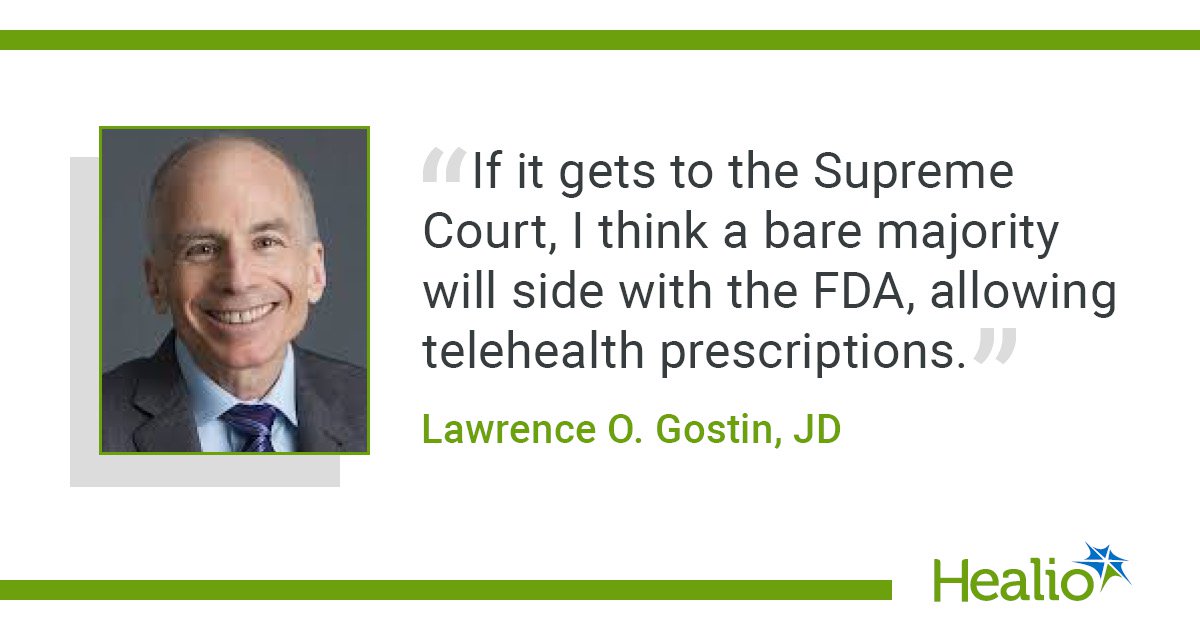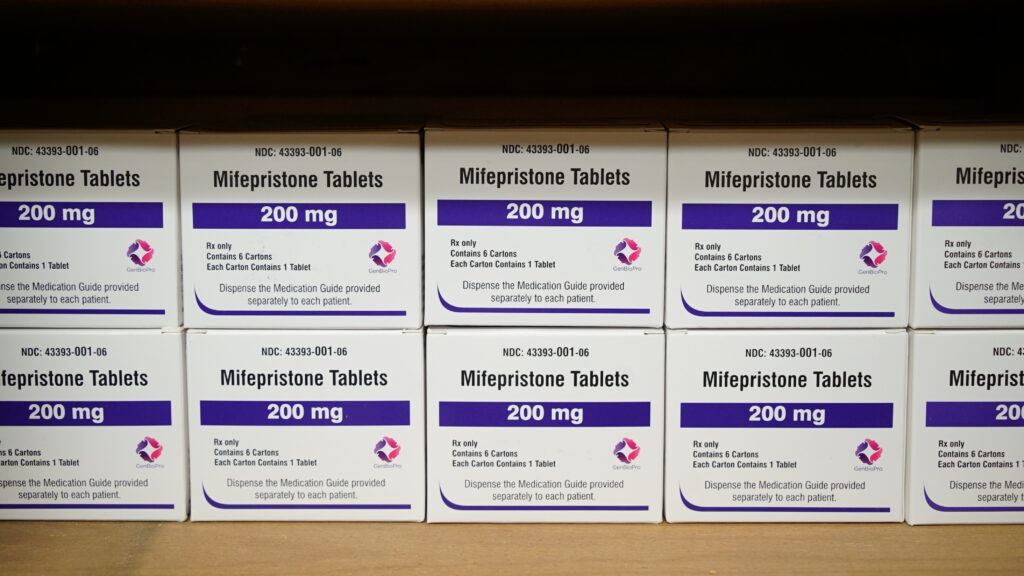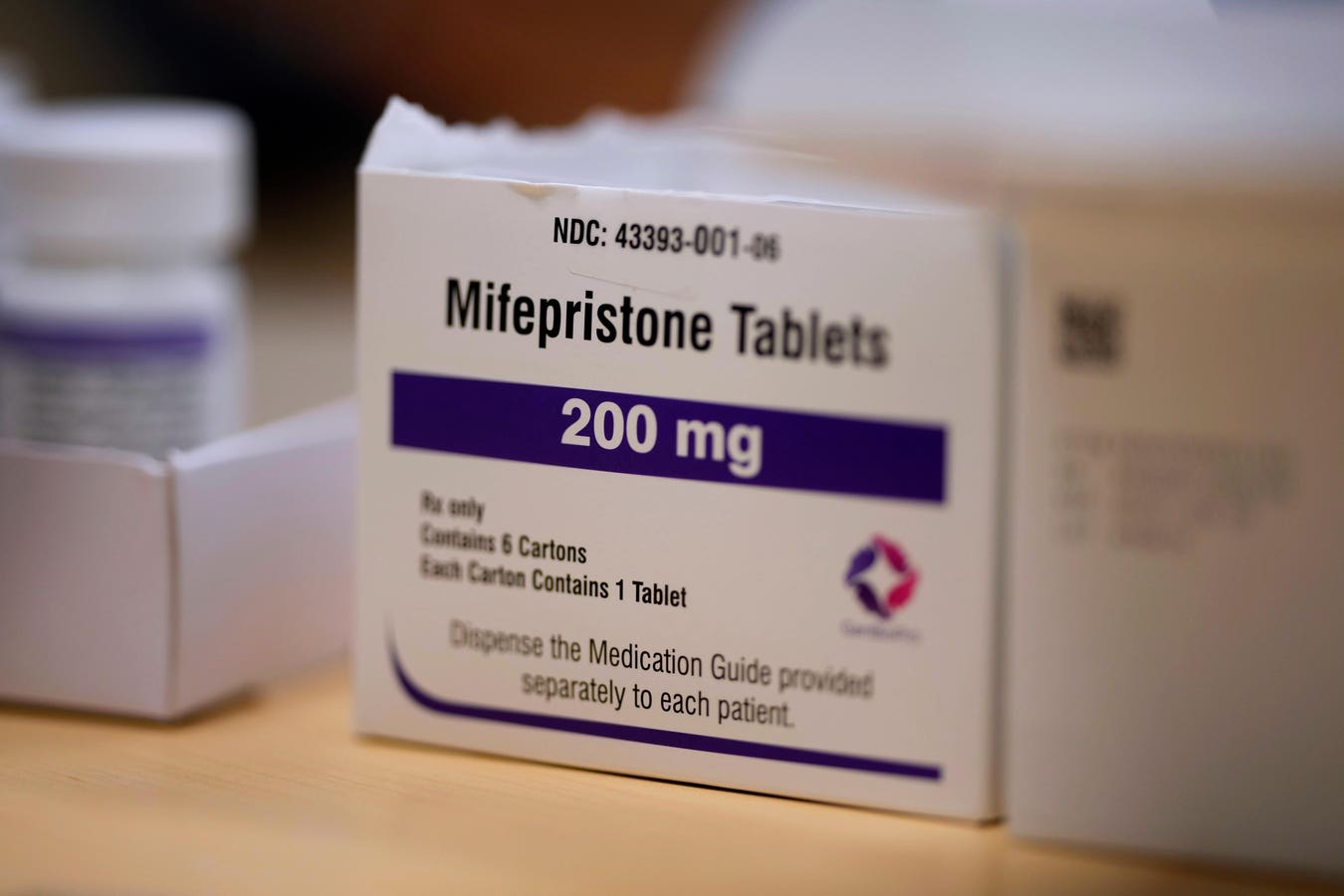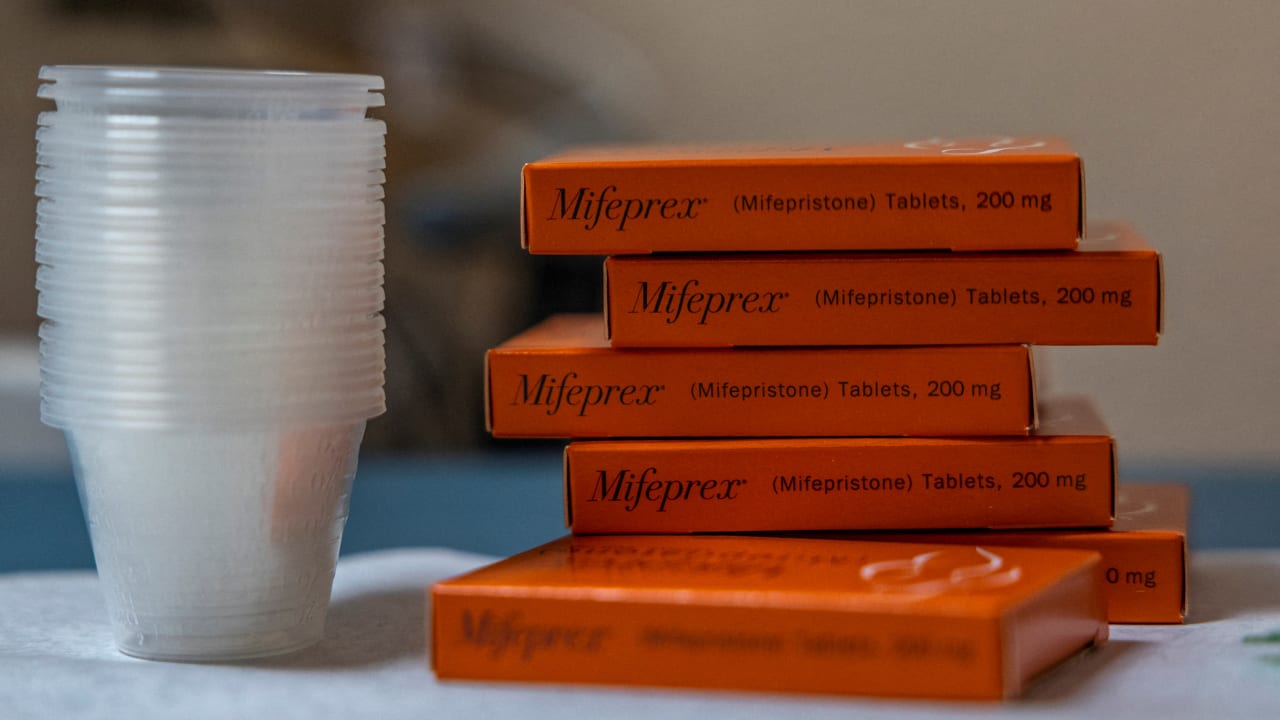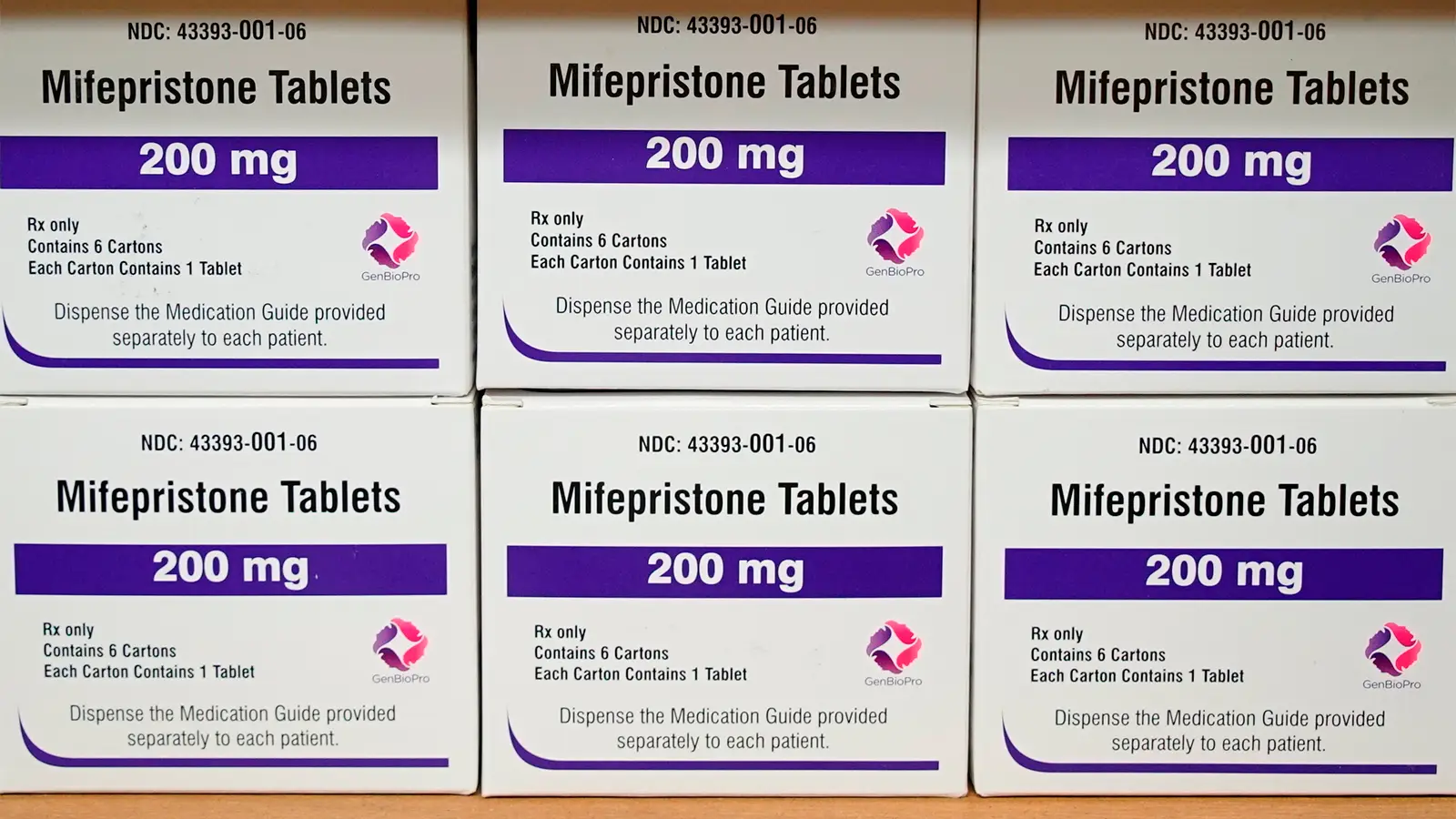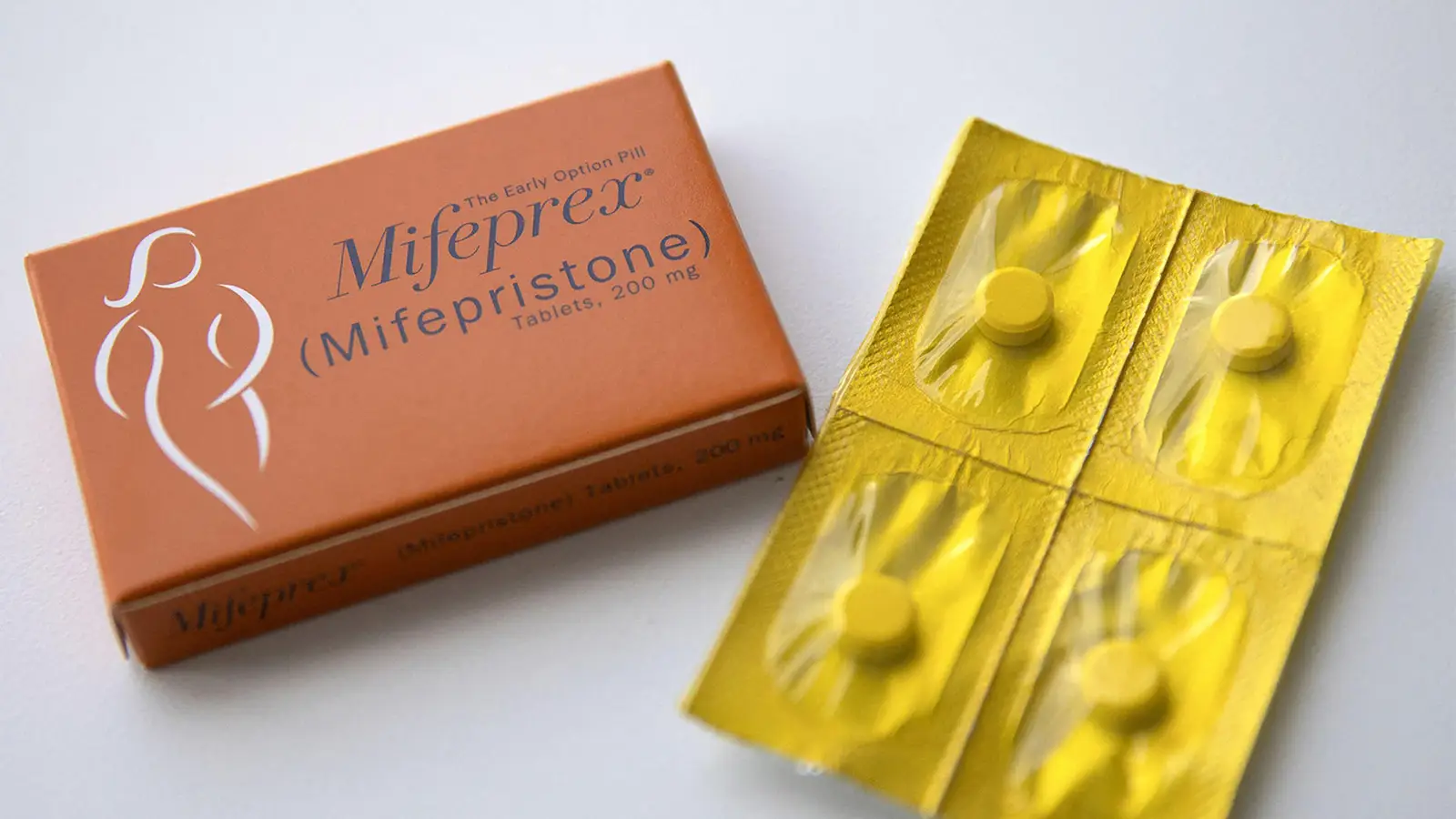
Since the FDA approved mifepristone over 25 years ago, the drug has been part of an extremely safe and effective regimen for terminating a pregnancy, with the risk of serious complications less than 1%. Nearly two-thirds of all people seeking abortion choose medication over the surgical procedure. Since 2021, abortion medication has been accessible through telemedicine and the most recent data show that about 28% of all abortions are through telemedicine.
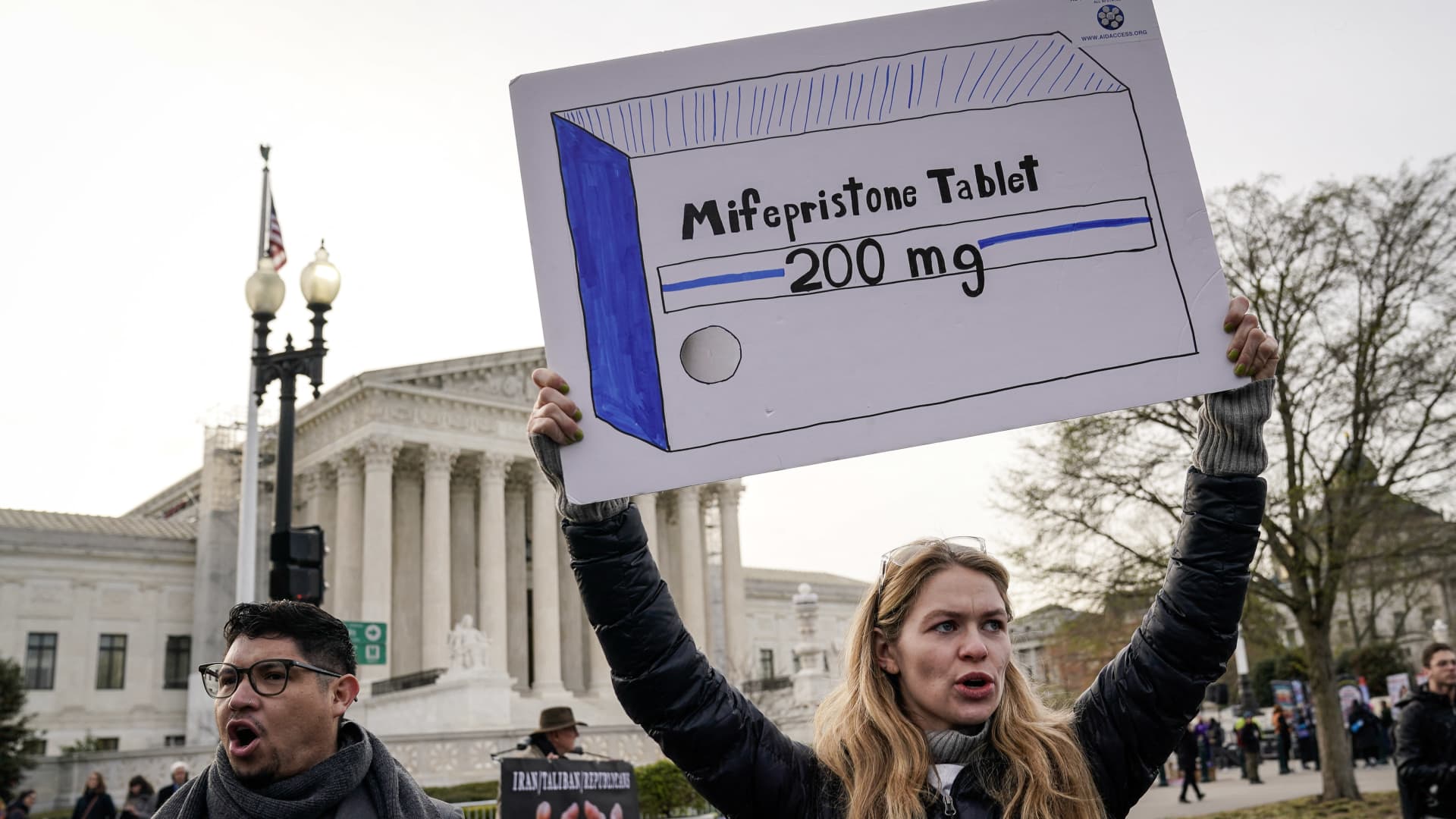
Despite mifepristone's proven safety, efficacy, and popularity, access to the drug is under attack. Most recently, these attacks came to a critical point when the Fifth Circuit sided with Louisiana and ruled to "stay" (i.e. invalidate) the FDA's 2023 regulation changes that permanently removed in-person dispensing requirements on mifepristone. On May 14, the Supreme Court preserved access to mifepristone as Louisiana's challenge to the drug's regulation works its way through the courts.
Although the Court's action staved off potential chaos and uncertainty for now, threats to mifepristone and FDA's regulatory authority are likely to continue.
How Did We Get Here?
Access to mifepristone, approved by FDA in 2000, is regulated by a "Risk Evaluation and Management Strategy" (REMS). Under federal law, the REMS must align with specific risks imposed by the drug, and in mifepristone's case, the REMS has been adjusted over time largely to increase access.