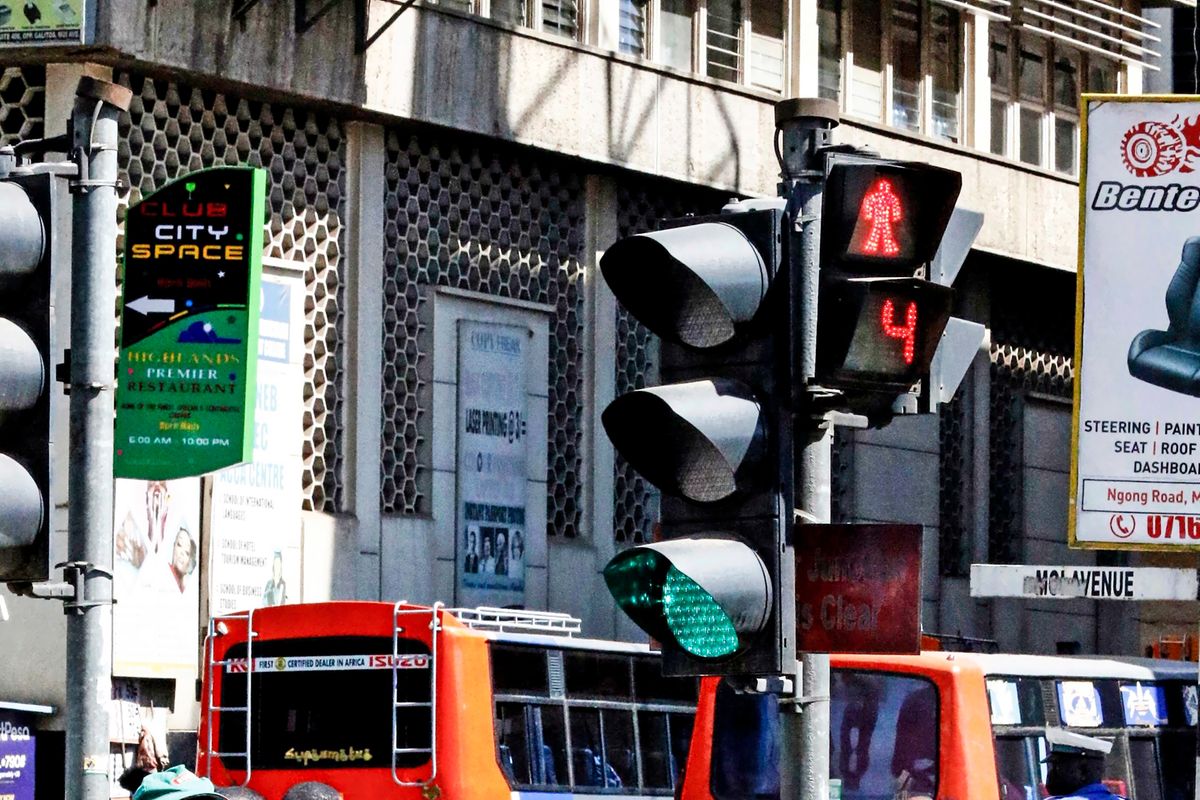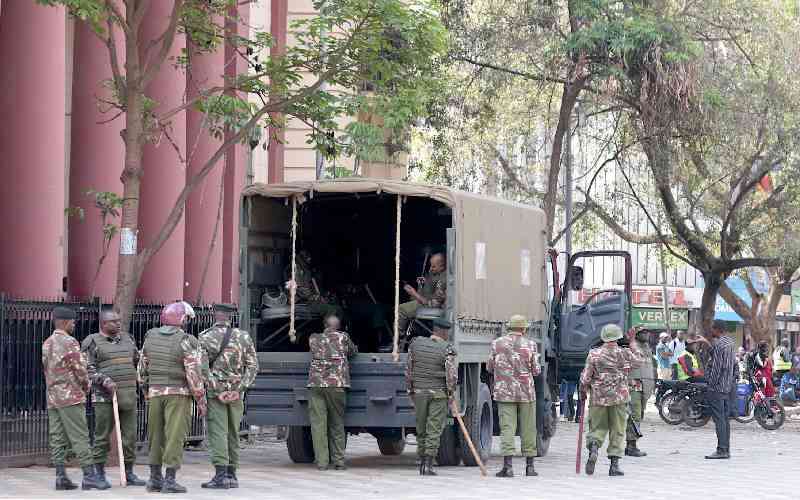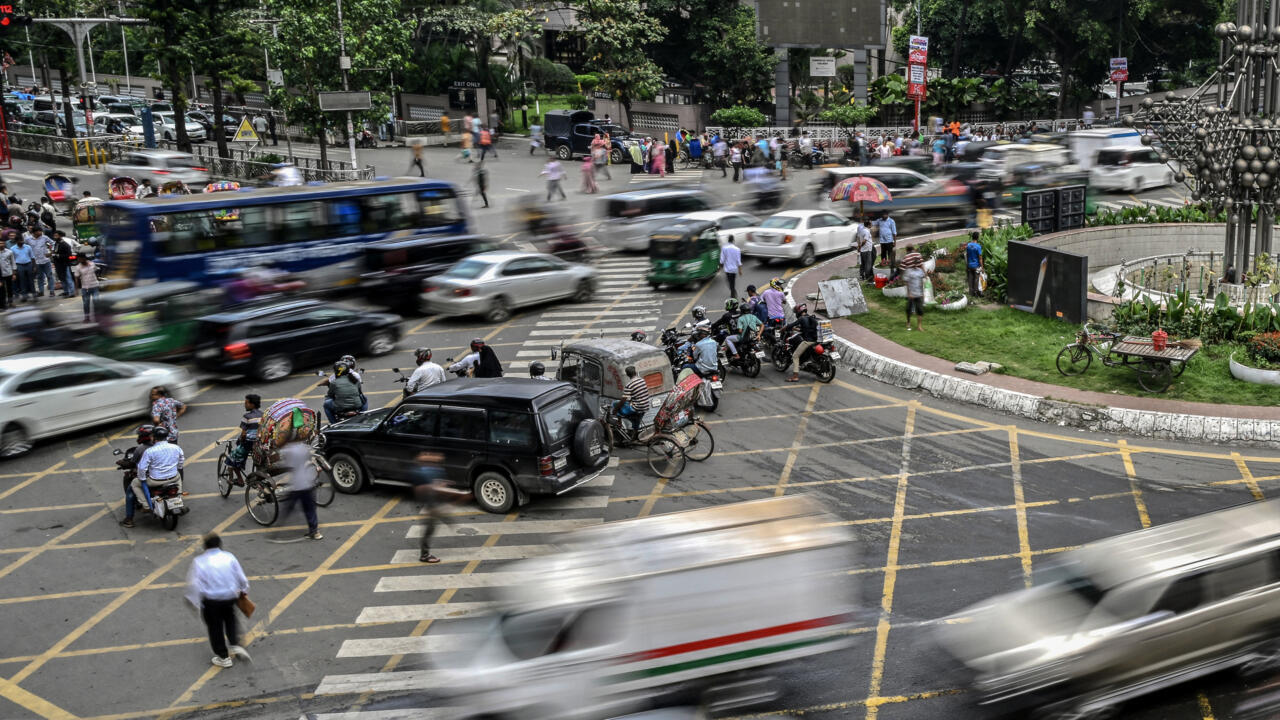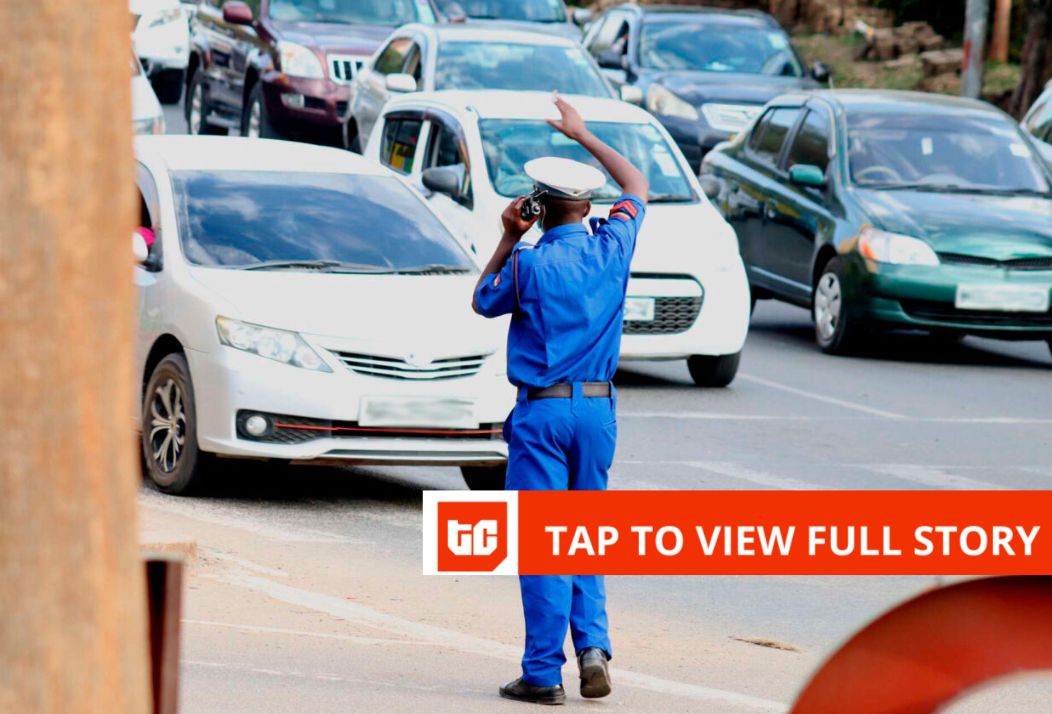
On Nairobi’s roads, traffic police officers have long acted like human operating systems—stepping into chaotic intersections, overriding traffic lights, waving matatus forward, stopping impatient motorists, and manually holding a city perpetually on the brink of gridlock together.
The government now wants machines to take over. Treasury documents tabled in parliament show Kenya has allocated KES 1.18 billion ($9.1 million) next financial year to expand Nairobi’s Intelligent Transport System (ITS) Phase III, an AI-powered network of smart traffic lights, surveillance cameras, and road sensors that could gradually reduce the need for traffic police officers at major junctions across the capital.
The investment is a sharp increase from the current KES 116 million ($898,180) allocation and signals the government’s growing confidence that cameras and algorithms can better manage Nairobi’s roads than traffic police officers stationed at major intersections.
“The third phase of ITS marks the full integration of Nairobi’s traffic ecosystem,” Kenya Urban Roads Authority (Kura) said in project documents. “It will encompass 125 intersections, linking them to the central control system at Cabanas.”