Jurisprudence
May 15, 20263:06 PM
Jim Watson/AFP via Getty Images
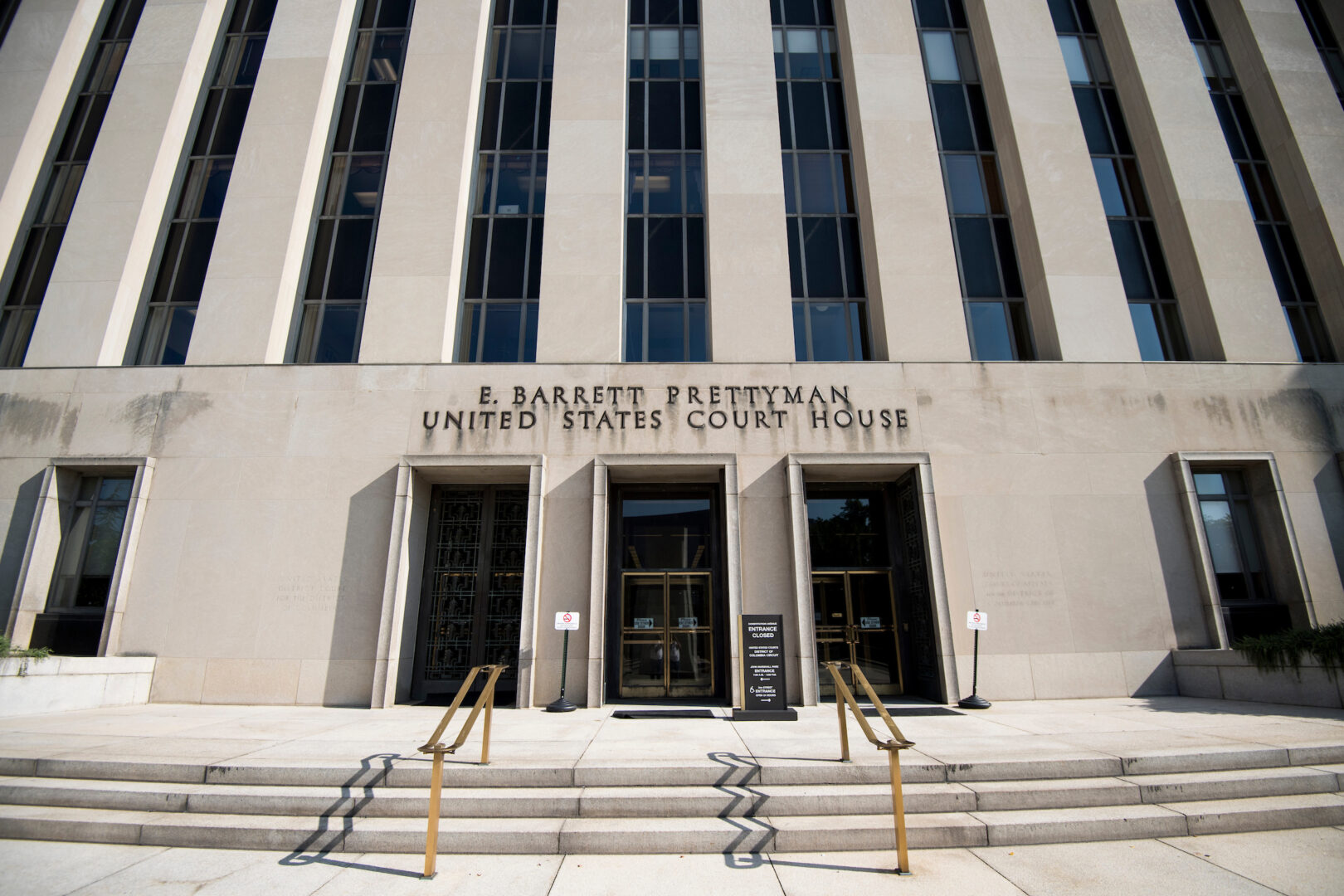
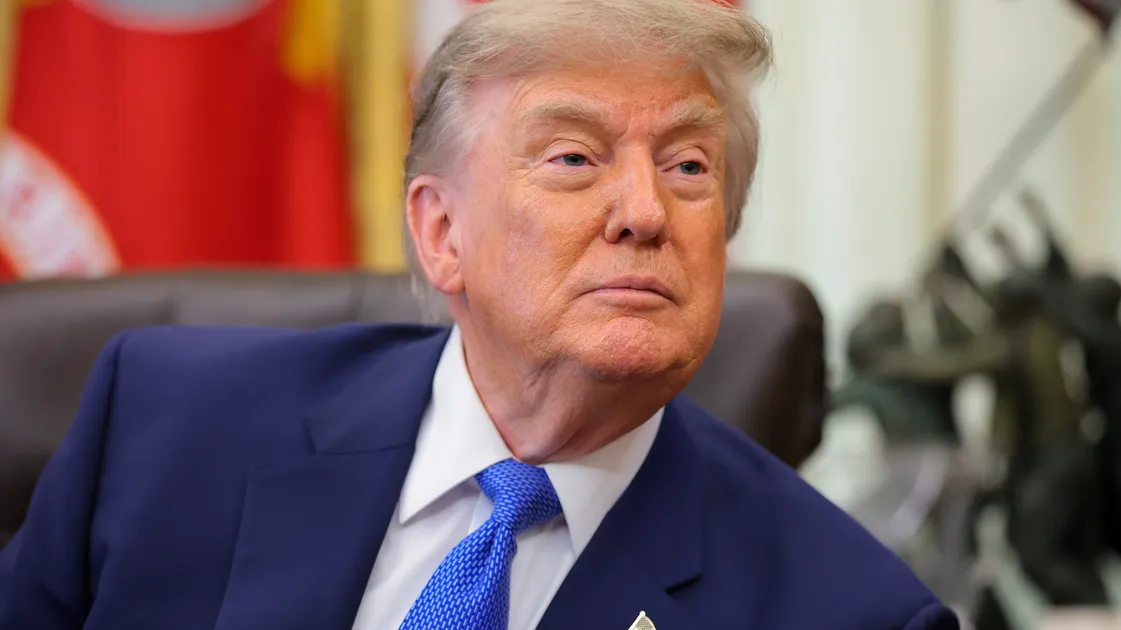
On Thursday, the U.S. Court of Appeals for the District of Columbia Circuit heard argument in two cases about when the president can target private attorneys. The cases stemmed from President Donald Trump’s executive orders last year singling out specific law firms and lawyers that the president claimed posed a national security risk. But the arguments revealed how Trump’s actions were nothing more than retaliation and censorship for anyone who dares to represent Democrats in court or challenge the administration’s policies. During the oral arguments, the Department of Justice even conceded that its position would allow the government to single out any law firm, nonprofit, or individual in the country—for not just politics but even religion or race. This is plainly unconstitutional, and the D.C. Circuit judges were having none of it.
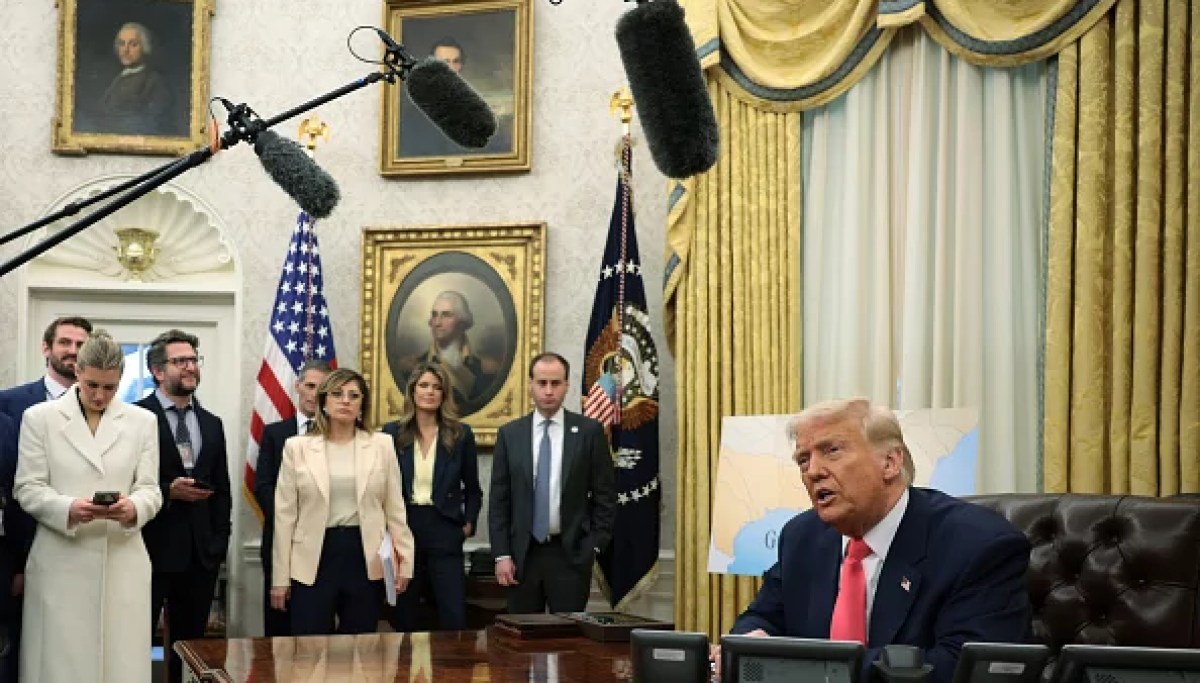
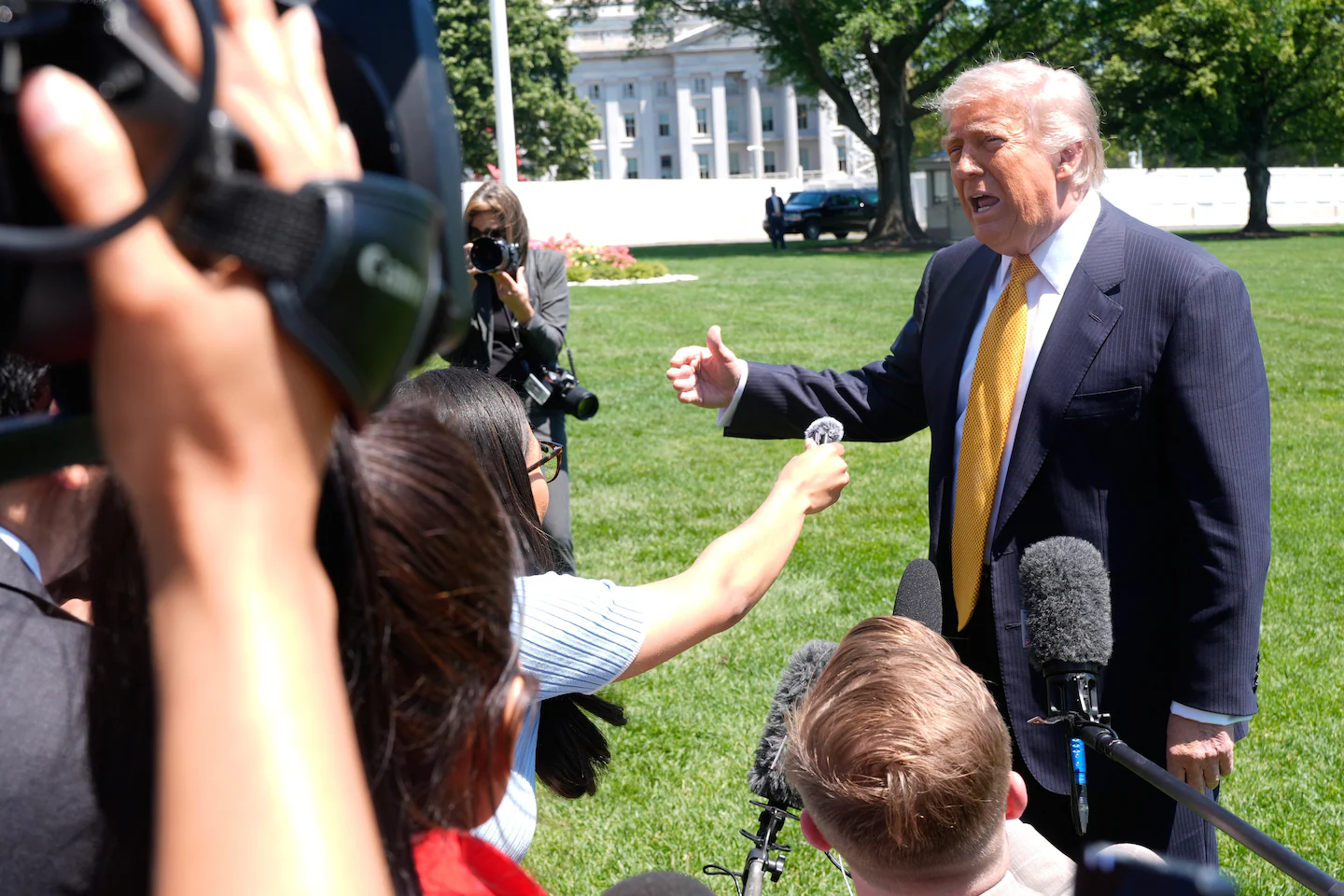
It’s no secret that candidate Trump came into the office with an eye toward using the government’s power to attack his political enemies. By some counts, he made hundreds of threats against everyone from rival politicians to reporters to judges. But one lesser-covered target of his ire have been the lawyers who have represented those political opponents. In March 2025, the White House released a series of executive orders with ominous and targeted titles, like “Addressing Risks From WilmerHale.” The orders zeroed in on specific law firms that engaged in activity the president claimed was unfair to him. For example, WilmerHale, a large law firm on the East Coast, had hired Bush-nominated FBI director Robert Mueller, whom Trump despises for his work as special counsel investigating Russian interference in the 2016 presidential election. Mueller’s associate Andrew Weissmann went on to a position at a different law firm, Jenner & Block, which also got hit with an executive order.