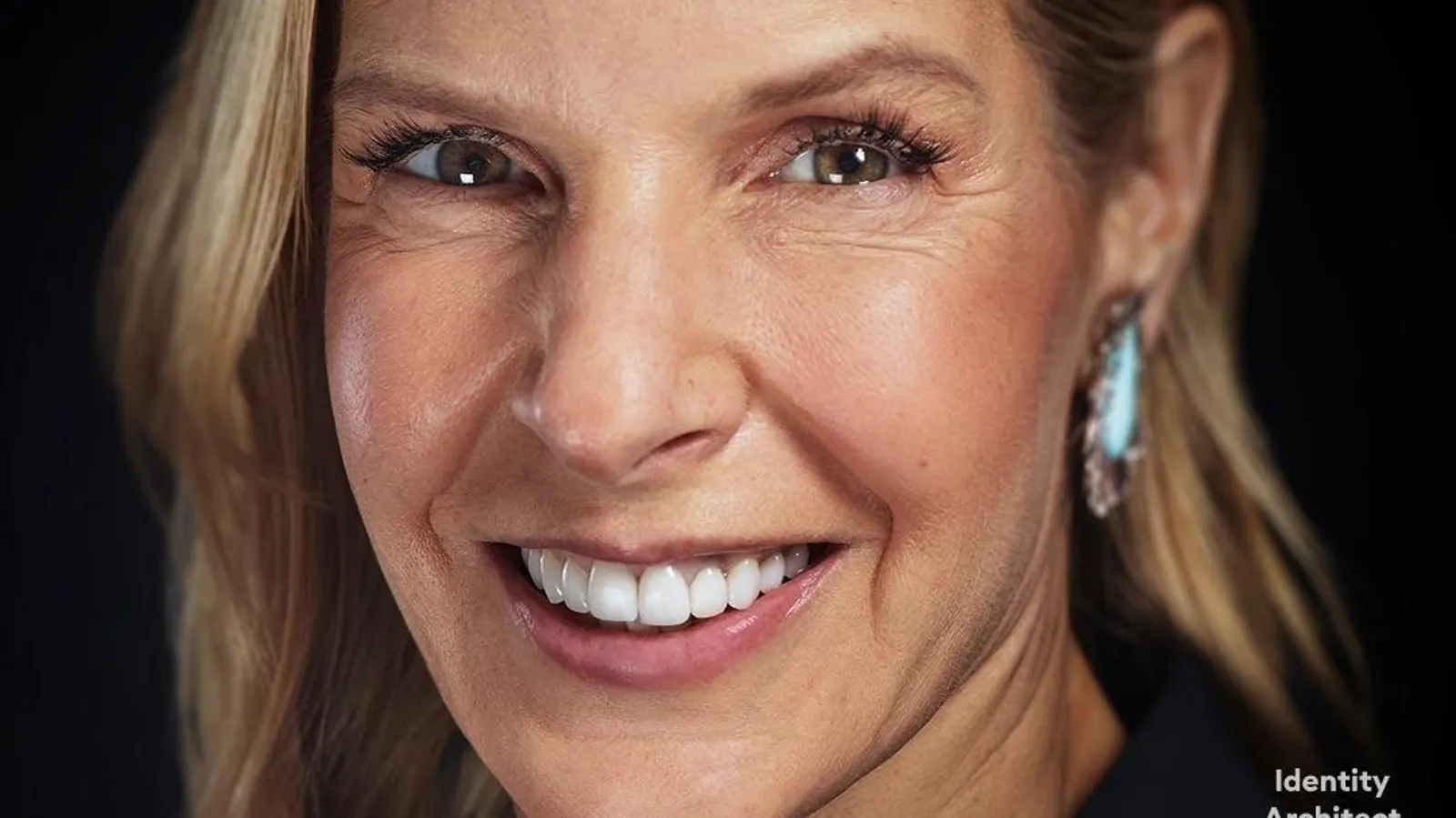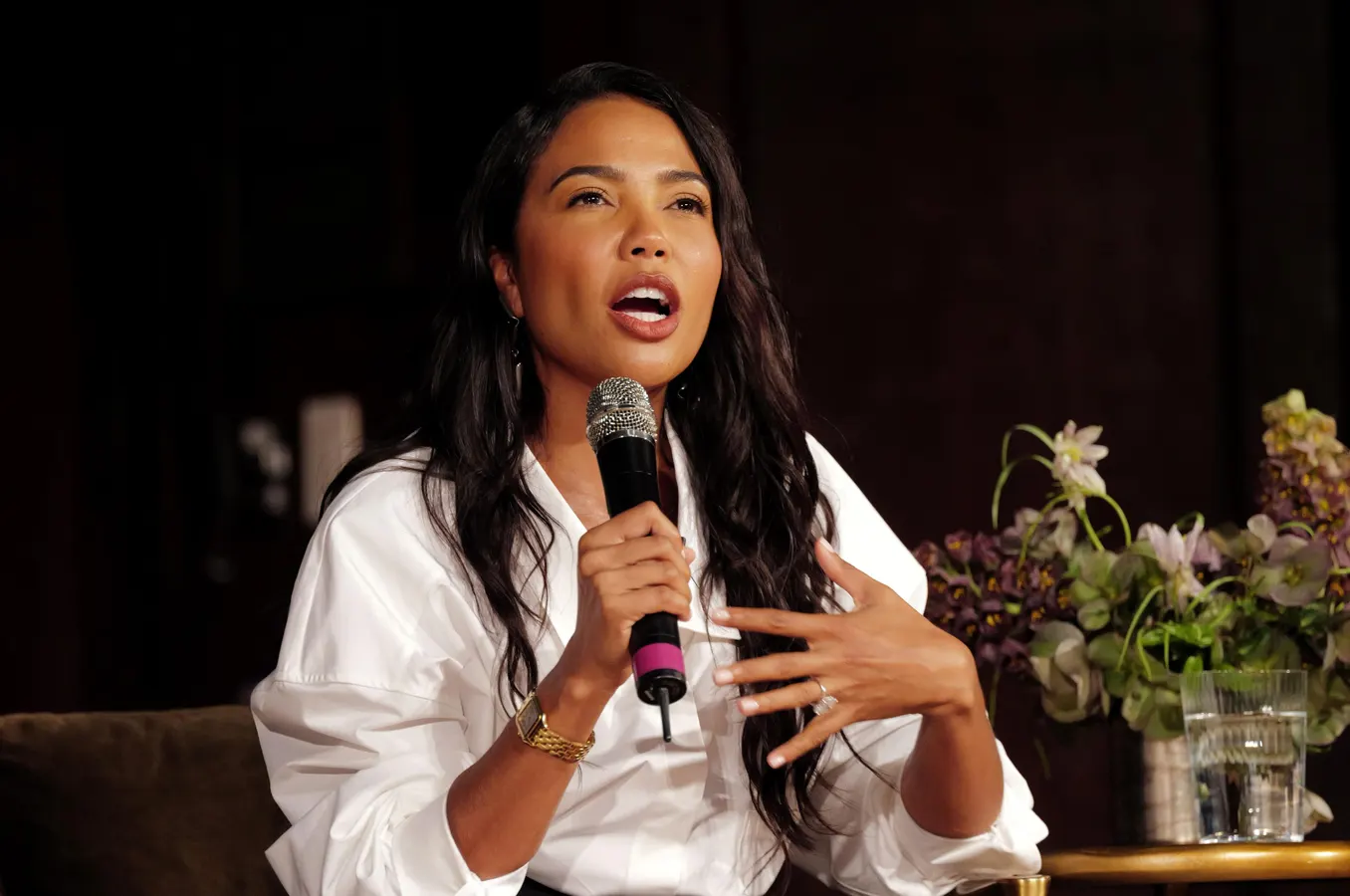
This is this week’s ForbesWomen newsletter, which every Thursday brings news about the world’s top female entrepreneurs, leaders and investors straight to your inbox. Click here to get on the newsletter list!We have family businesses here on the brain at Forbes… which might be an obvious statement, seeing as Forbes IS a family business, but that’s not what I mean here. This week marked the inaugural launch of our list highlighting America’s largest family businesses, and on Thursday we also hosted a gathering tied to the list.As part of this gathering, I had a moment to chat with Tricia Wallwork, chair and CEO of Milo's Tea Company (you might remember her from this January profile) and Juliette Feld Grossman, CEO of Feld Entertainment (which you may recognize as the company behind Ringling Bros. and Barnum & Bailey and also Disney On Ice, among other productions). I asked both women for some exclusive commentary for the ForbesWomen audience, and one of the things we discussed was the biggest misconceptions around working in a family business. and Both were quick to say that from the outside, the work can look a lot easier than it actually is. “There is an assumption that it is an inherit–not merit–based role,” Wallwork said. “So you have a much higher burden to overcome, and that’s even more true for women.”I also asked what they’d tell those of you who might be thinking of starting a business with your own family. “Transparency and openness [with your family members] is critical,” Feld Grossman said, adding that so too is “getting aligned on risk tolerance ahead of time, because nothing ever goes according to plan. You have to have that level of alignment ahead of time so that everyone goes in with eyes open.” Cheers to that!Maggie McGrathExclusive Forbes List: America’s Largest Family Businesses Illustration by Robert Bruno for ForbesWith the United States approaching its 250th birthday later this year, Forbes’ inaugural ranking of America’s top family businesses celebrates the companies that provide the foundation for much of the nation’s economy. With their deep roots in communities across the country, these family businesses account for an estimated 25% of U.S. companies and 23% of the American workforce. Many of them have overcome the odds and succeeded for three or more generations, too. That includes car rental giant Enterprise Mobility, which is now run by Chrissy Taylor, the granddaughter of founder Jack Taylor (d. 2016) and daughter of chairman and former CEO Andy Taylor.To put that big number a different way, WNBA teams are now valued at an average of $414 million, up 52% from 2025’s $272 million. In the 29 years that Forbes has valued professional sports teams, only one published ranking has ever featured better year-over-year growth: the NBA’s 74% during the 2014-15 season, after Steve Ballmer’s $2 billion purchase of the Los Angeles Clippers reset the market for clubs.ICYMI: News Of The WeekHealthcare is facing a massive talent crisis fueled by high turnover and mounting student debt—but Tess Michaels has a solution. In the latest episode of C-Suite Unscripted, ForbesWomen editor Maggie McGrath sat down with Michaels, a 30 Under 30 list alumn and the founder and CEO of Clasp, to discuss how her company is partnering with major health systems to pay off clinical workers' student loans with zero clawbacks.Increasingly, therapists say many women in their 30s and 40s—those who might have expected to be married or parenting but are not—are quietly grieving the lives they thought they would have by this point in their lives. Mental health professionals sometimes refer to this experience as “timeline grief” or “expectation grief,” a form of emotional distress that emerges when a person’s actual life diverges significantly from the future they envisioned for themselves.On Monday, the Supreme Court extended its stay on the 5th Circuit Court’s decision banning telemedicine access to the abortion pill mifepristone, and on Thursday the Court ruled to continue—for now—the prescribing of mifepristone by telemedicine and fulfillment of these prescriptions by mail. In light of these legal moves, ForbesWomen contributor Holly Corbett has a piece looking at how reproductive healthcare restrictions can harm businesses and, ultimately, the economy.When Deloitte announced cuts to family leave and fertility-related benefits for some of its U.S. employees, the move was criticized as being anti-women, short-sighted and damaging to retention. Those criticisms may be valid. But they also miss a larger signal about work in the AI economy.Speaking of workplace evolutions, the time economy is replacing the hustle economy, according to Forbes careers contributor Jasmine Browley. “The hustle economy asked how much you could do. Now, the time economy is forcing a different question: How much inefficiency you’re willing to accept in order to get it done,” she writes. The Checklist1. Catch hiring managers’ attention in just 11 seconds. With hundreds of applications being received per open job role, employers spend an average of just 11.2 seconds on each resume. Here’s what recruiters and workplace experts actually look for in those seconds — and how you can increase your chances of moving to the next round.2. Assess your retirement readiness. Regardless of where you are in your career, life stage or financial plans, comparing your retirement savings with national benchmarks can help you gauge whether you are on track to meet your goals. That context is especially valuable in 2026 as inflation, interest rates and market uncertainty continue to affect how Americans save, invest and plan for retirement.3. Get faster without getting dumber. The more you rely on AI to think for you, the less practice your brain gets doing it on its own—and like any muscle, it weakens without use. So the very tool that’s supposed to make you more competitive could also be making you less capable. Here’s how to fight AI-induced skill atrophy.The QuizMore than seven out of 10 Americans said they would oppose data centers being built nearby, in a recent poll by Gallup, largely due to their environmental impact. In contrast, the survey showed less opposition to nearby construction of which of the following?A landfillA nuclear power plantA fire stationA casinoCheck your answer.Liked what you read? Click here to get on the newsletter list!
What It Takes To Build A Lasting Family Business. Plus: Catch Hiring Managers’ Attention In 11 Seconds
Welcome to this week’s ForbesWomen newsletter, which every Thursday brings news about the world’s top female entrepreneurs, leaders and investors straight to your inbox.
1,029 words~5 min read