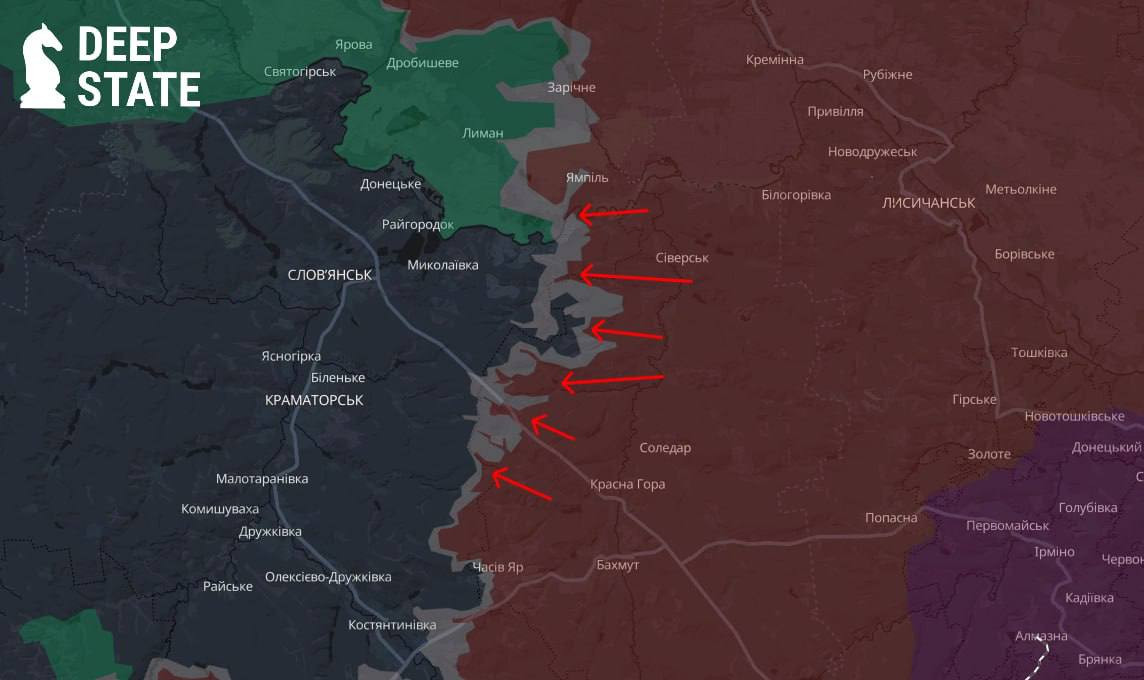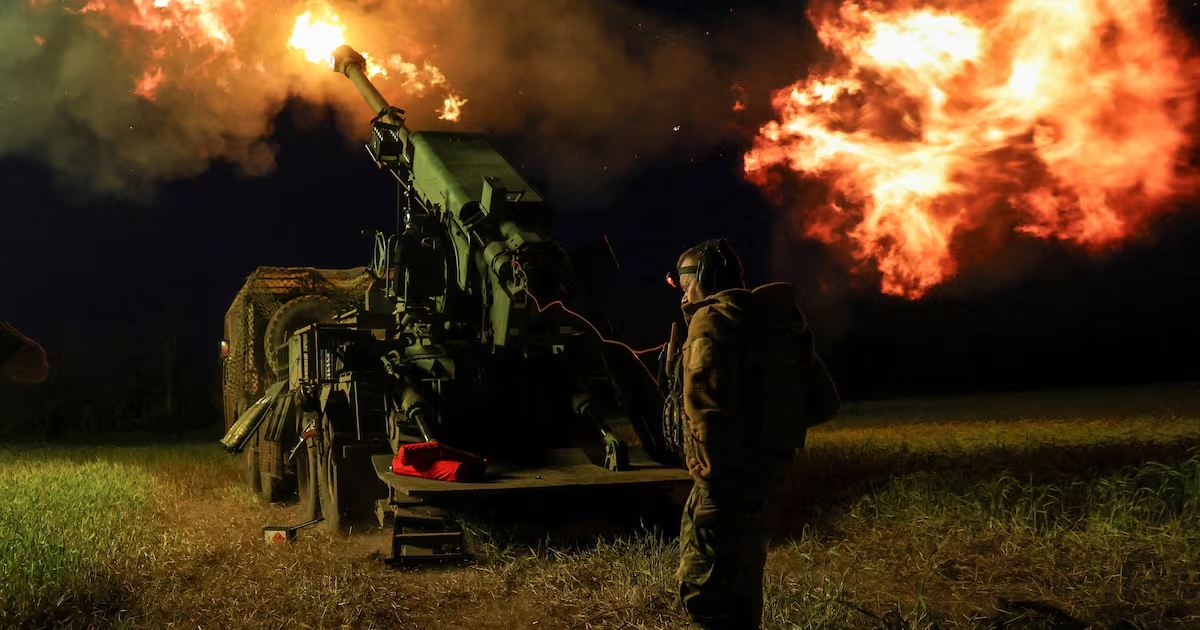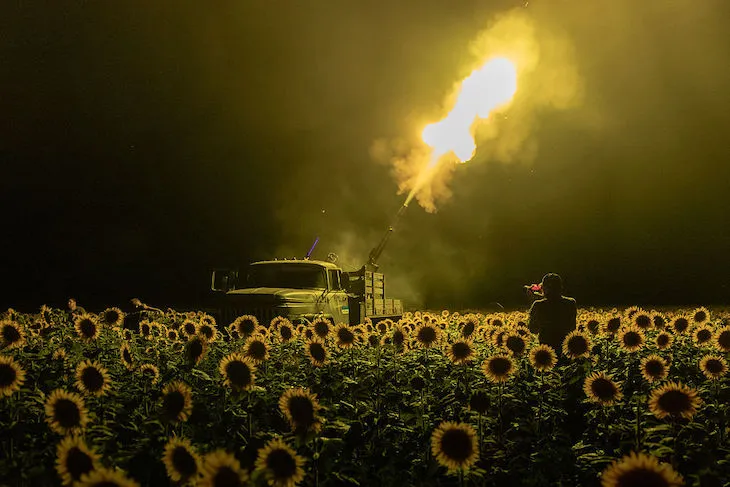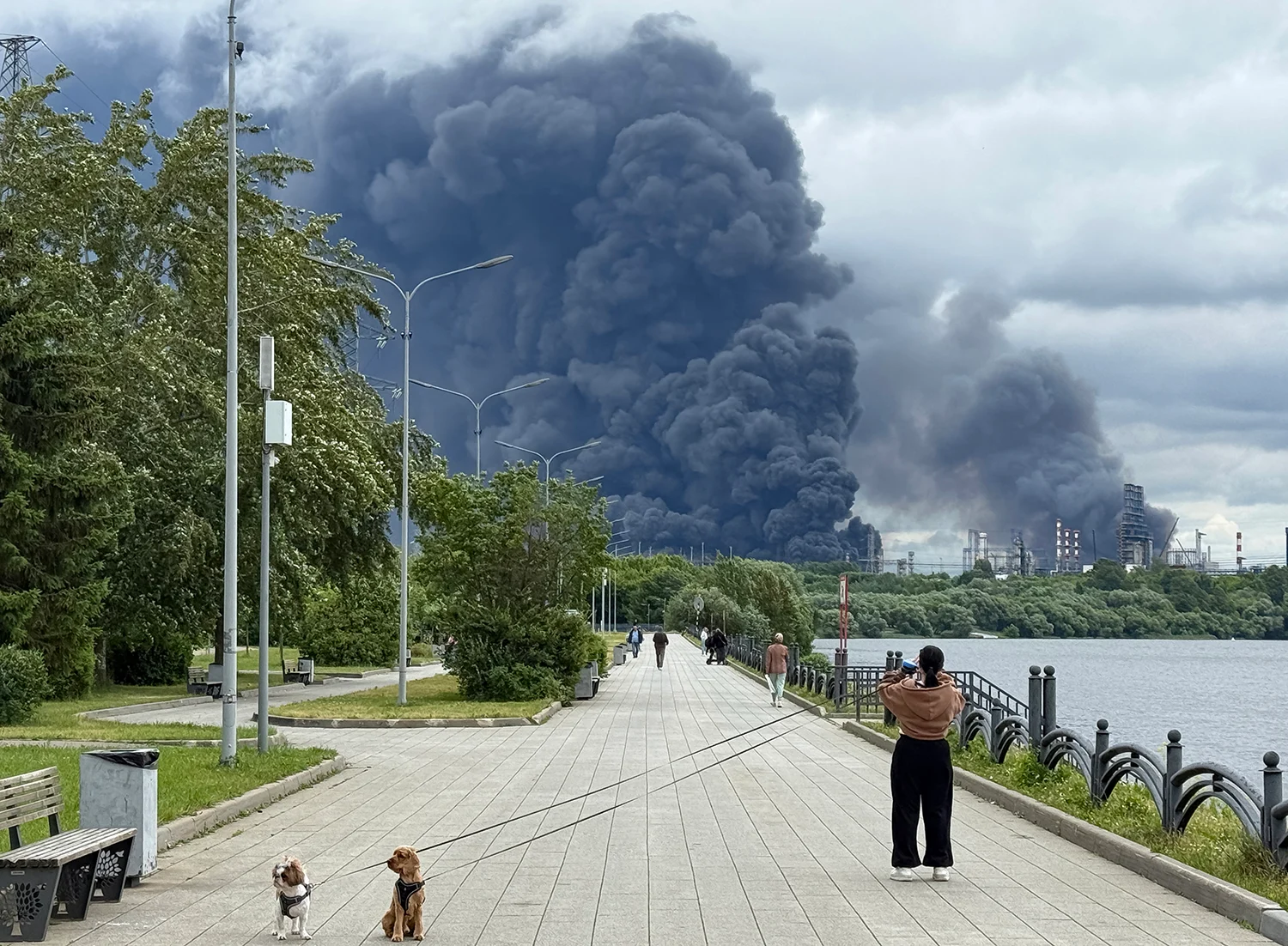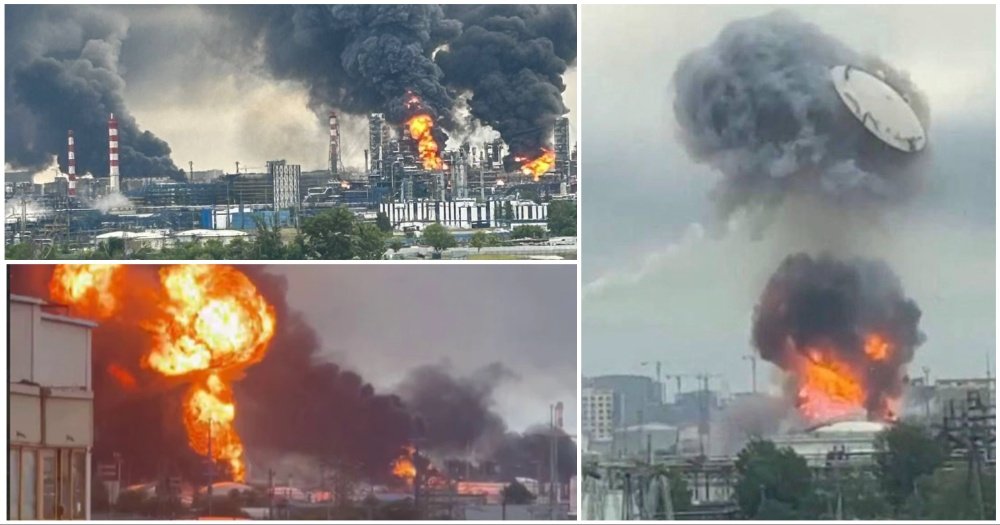
With Ukraine stabilizing the front line and striking more and more targets deep inside Russia—while Russia’s spring offensive has hit a wall—perhaps it is true what Col. Nicholson said in The Bridge on the River Kwai: “Suddenly you realize you’re nearer the end than the beginning.”
With prospects that the war may be approaching a ceasefire, if only a temporary one, toward the end of this year or in 2027, European policymakers should be clear-eyed that once the fighting stops in Ukraine, Europe will enter its most dangerous period vis-à-vis Russia. Europe’s military capabilities—and thus ability to deter—will likely be at their weakest point relative to Russian power. Allies will face a Russian military that has grown in size, absorbed nearly five years of combat experience by then, and built real advantages that Europe has been slow to match and will need years to catch up to, especially stand-off warfare and dynamic targeting from behind the front line. What’s more, Russian President Vladimir Putin’s only instrument for forcing his demands to restore Moscow’s Soviet-era sphere of influence is his military. Europe thus faces a hammer-and-nail dilemma: For Putin, every problem looks like one that he can solve with war. That makes the risks very clear.