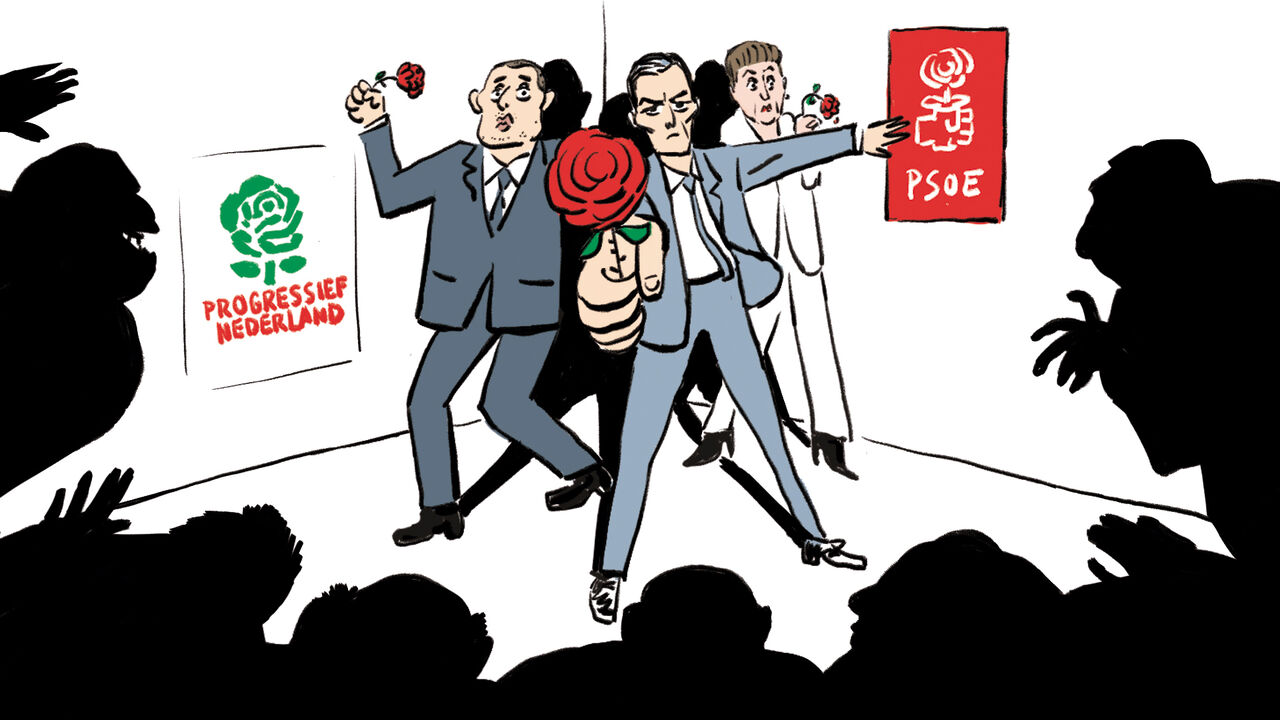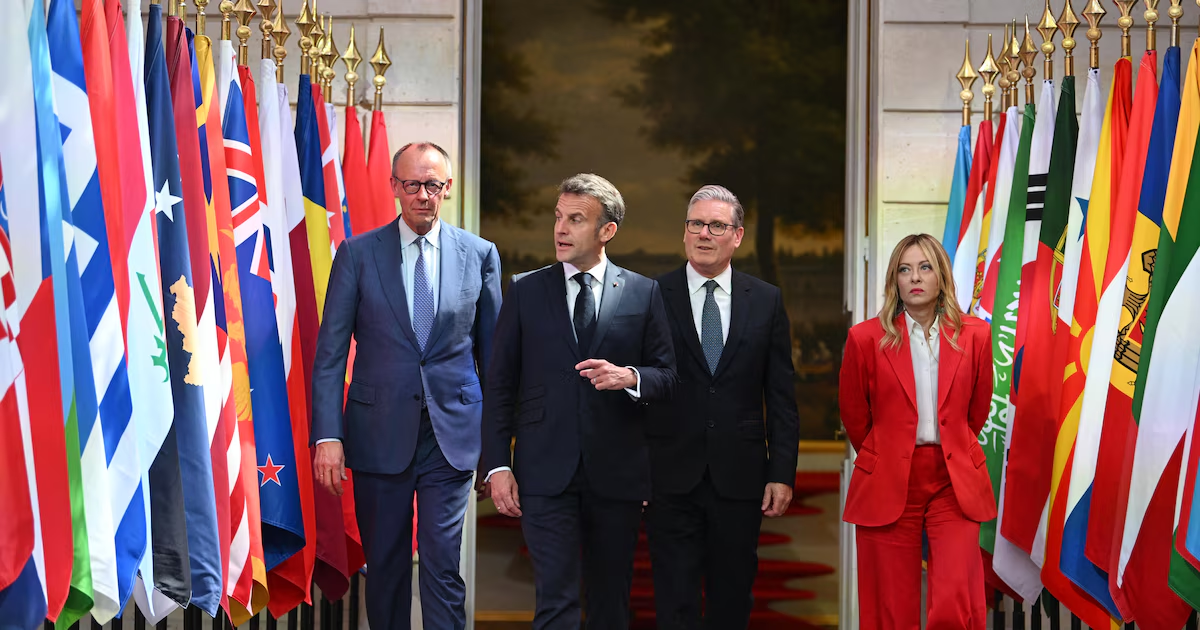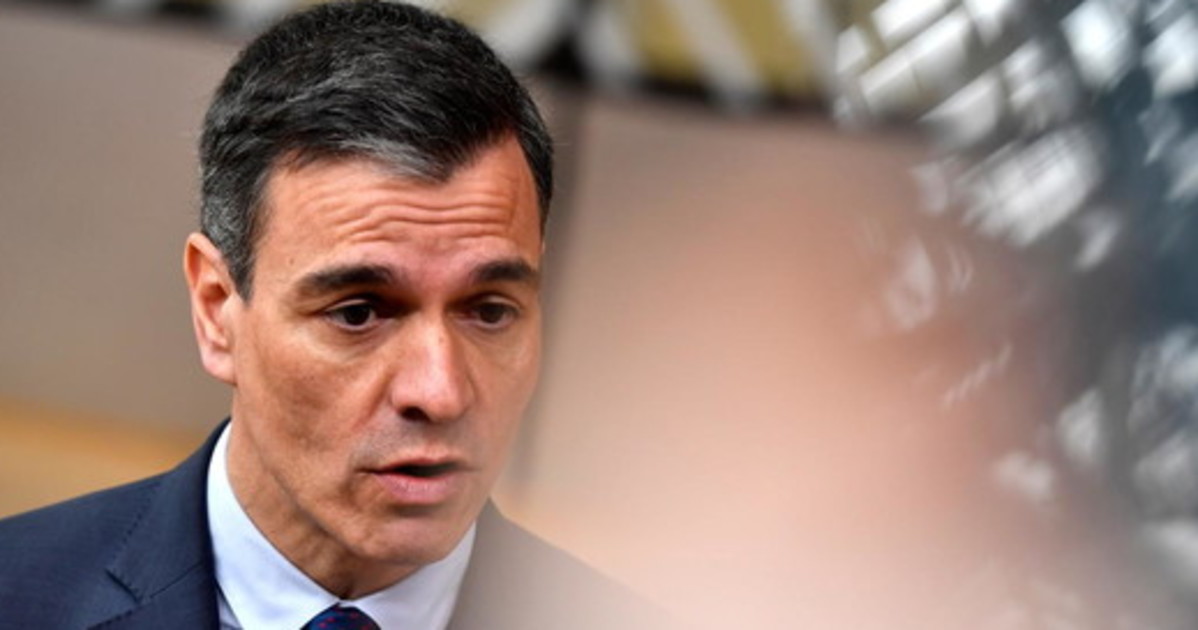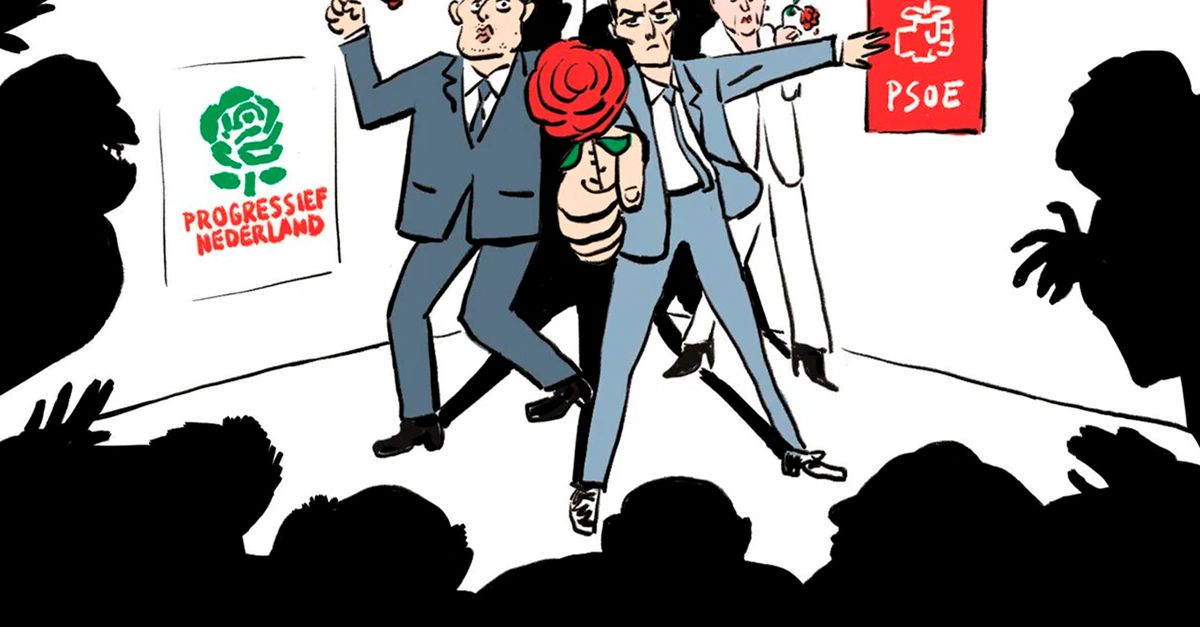
Anyone despairing at the trajectory of their career should spare a thought for Europe’s socialist politicians. At the turn of the century over two-thirds of citizens in the European Union lived in countries run by leaders from the centre-left. The continent’s future looked red, or at least rose-tinted. Granted, the likes of Gerhard Schröder in Germany and Tony Blair in Britain were hardly dyed-in-the-wool pinkos; they aimed not to overthrow capitalism but to temper its excesses. Yet their trick of pinching the right’s best ideas and mixing them with leftie shibboleths soon lost its lustre. By 2016 the number of Europeans living in countries run by social democrats had slumped to just one-third. Those who assumed the pendulum would soon swing back leftward have had their hopes dashed, then dashed again. Today only three of the EU’s 27 national leaders are progressives—Pedro Sánchez in Spain, Mette Frederiksen in Denmark and Robert Abela in tiny Malta. They represent just a tenth of the union’s population.
It could soon be less. On May 8th it was announced that Ms Frederiksen had failed in her initial bid to form a coalition government following elections in March. Her deputy as prime minister, Troels Lund Poulsen, has been asked by the king to see if his centrist outfit can cobble together an alliance, thus booting Ms Frederiksen into opposition. The canny incumbent may yet find a way to cling to office, despite having led the Social Democrats to their worst electoral score in well over a century. But even a Danish reprieve would be a scant consolation for her fellow European socialists. Ms Frederiksen is the black sheep of the continental left, having thrived in part by being ostentatiously tough on migrants, a formula that many in her camp feel betrays the humanist roots of their creed. (They are much happier with her willingness to stand up to Donald Trump, who inadvertently gave Ms Frederiksen a boost in the polls by threatening to invade Greenland.)