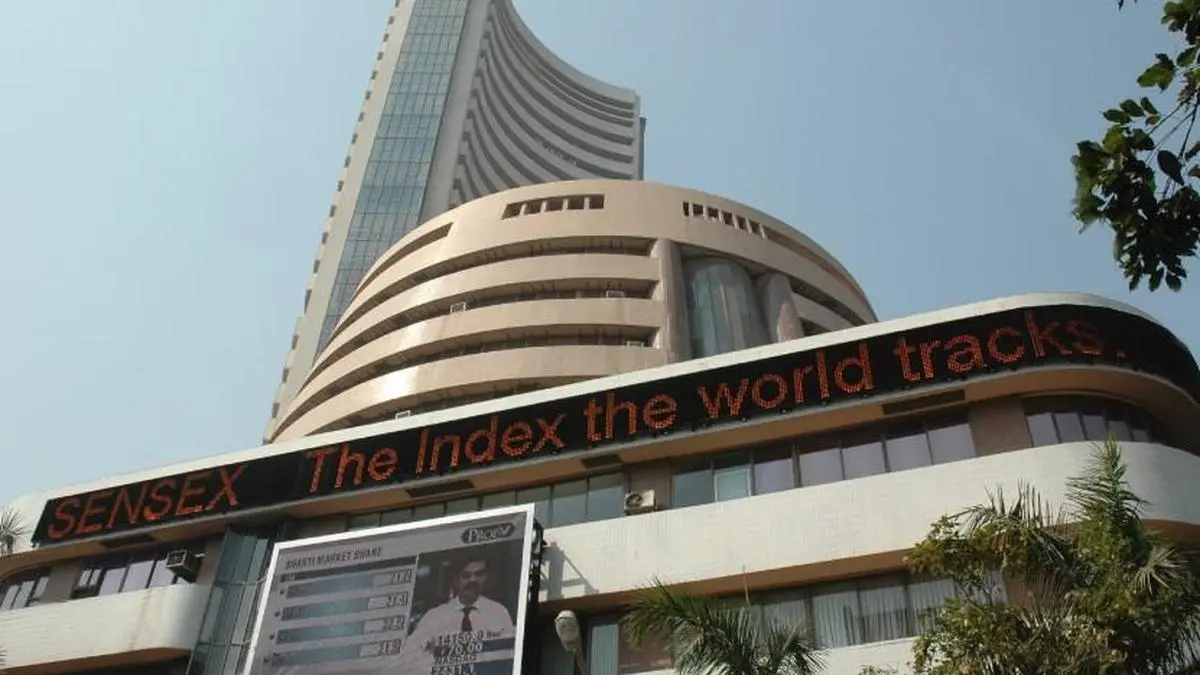
Three years after launching weekly Sensex options, BSE has emerged as the fastest-growing derivatives business, sharply increasing its share in India’s booming options market. Average daily premium turnover in Sensex options has risen from around Rs 2 crore in May 2023 to nearly Rs 33,000 crore in April 2026, according to exchange data. Average daily notional turnover has also surged from around Rs 2,000 crore to nearly Rs 268 lakh crore during the same period.The rise marks a major shift for BSE, which for years remained largely absent from the equity derivatives segment while NSE dominated index options trading through Nifty contracts. That changed after BSE pushed aggressively into weekly expiry products linked to the Sensex and Bankex indices.The exchange introduced lower transaction costs and incentives for brokers and proprietary trading firms, helping improve liquidity in its contracts. As volumes increased, more traders shifted activity to Sensex options, especially retail participants and algorithmic traders looking for arbitrage opportunities between exchanges.The timing also coincided with a sharp rise in retail participation in derivatives trading after the pandemic.Millions of new traders entered the market through online brokerage platforms over the last few years, leading to an explosion in options trading volumes across Indian exchanges.Sensex weekly contracts became one of the biggest beneficiaries of that trend. The increase in premium turnover is particularly significant because it reflects the actual premium value traded in options contracts rather than only headline notional turnover figures.BSE's derivatives push has also materially improved the exchange’s business profile. The derivatives segment has become an important revenue driver for the exchange, helping strengthen profitability and investor interest in the stock.The surge in volumes has become one of the biggest contributors to BSE’s recent earnings growth.For FY26, the exchange reported revenue from operations of Rs 3,226 crore, compared with Rs 1,609 crore in FY25, nearly doubling year-on-year. Net profit rose to Rs 1,322 crore from Rs 404 crore in the previous financial year.BSE’s treasury income also increased sharply as cash generation improved due to higher derivatives activity and transaction charges. The exchange’s growing market share has drawn attention because India’s options market is now among the largest globally in terms of contracts traded.At the same time, the surge in derivatives activity has also raised regulatory concerns. Over the past year, Sebi has tightened rules around futures and options trading after concerns that a large number of retail traders were suffering losses in highly leveraged index options trades.Despite the tighter norms, trading activity remains elevated, with weekly expiry contracts continuing to attract large participation.
3 years of derivatives relaunch: How Sensex turned Rs 2 crore premium into Rs 33,000 crore options business
BSE has rapidly expanded its derivatives business through Sensex weekly options, sharply increasing turnover, market share and profitability. Lower transaction costs, rising retail participation and algorithmic trading boosted volumes, while derivatives growth significantly strengthened BSEs revenue, earnings and position in Indias booming options market.
422 words~2 min read