Friday 15 May 2026 5:14 pm
American companies have been gorging on their cut-price London-listed rivals
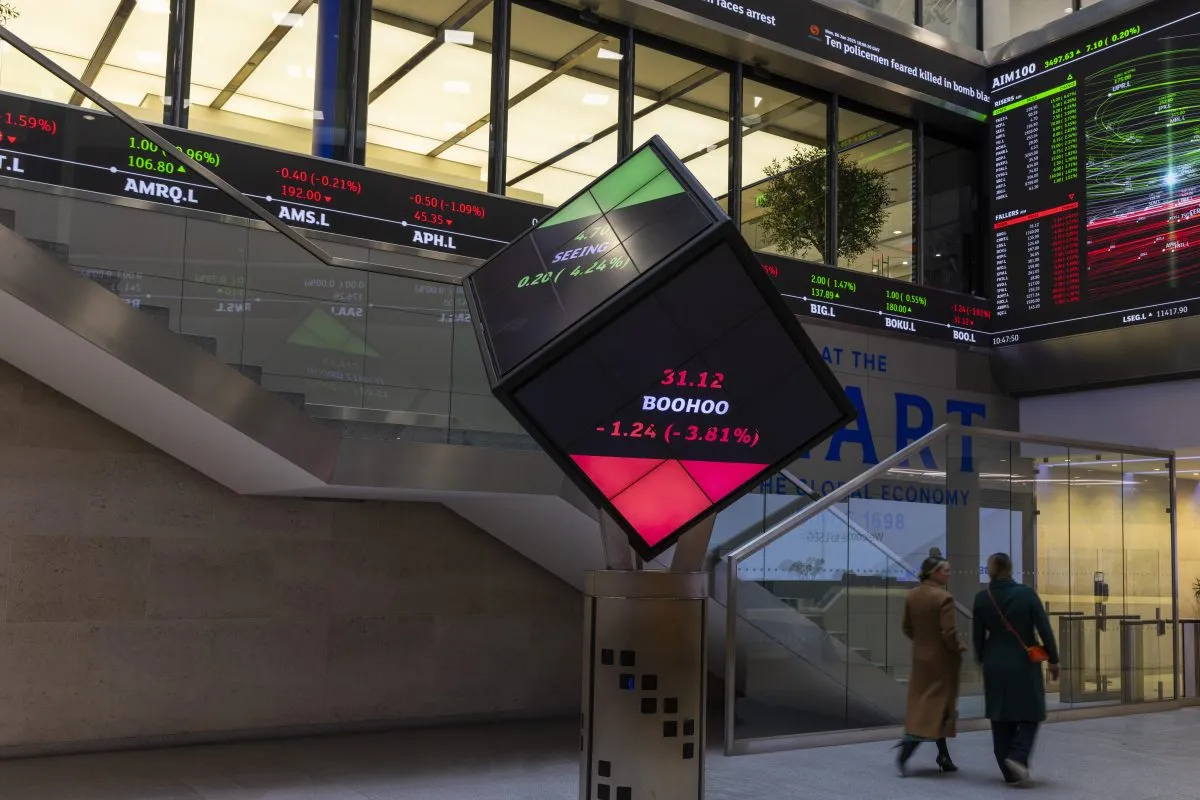
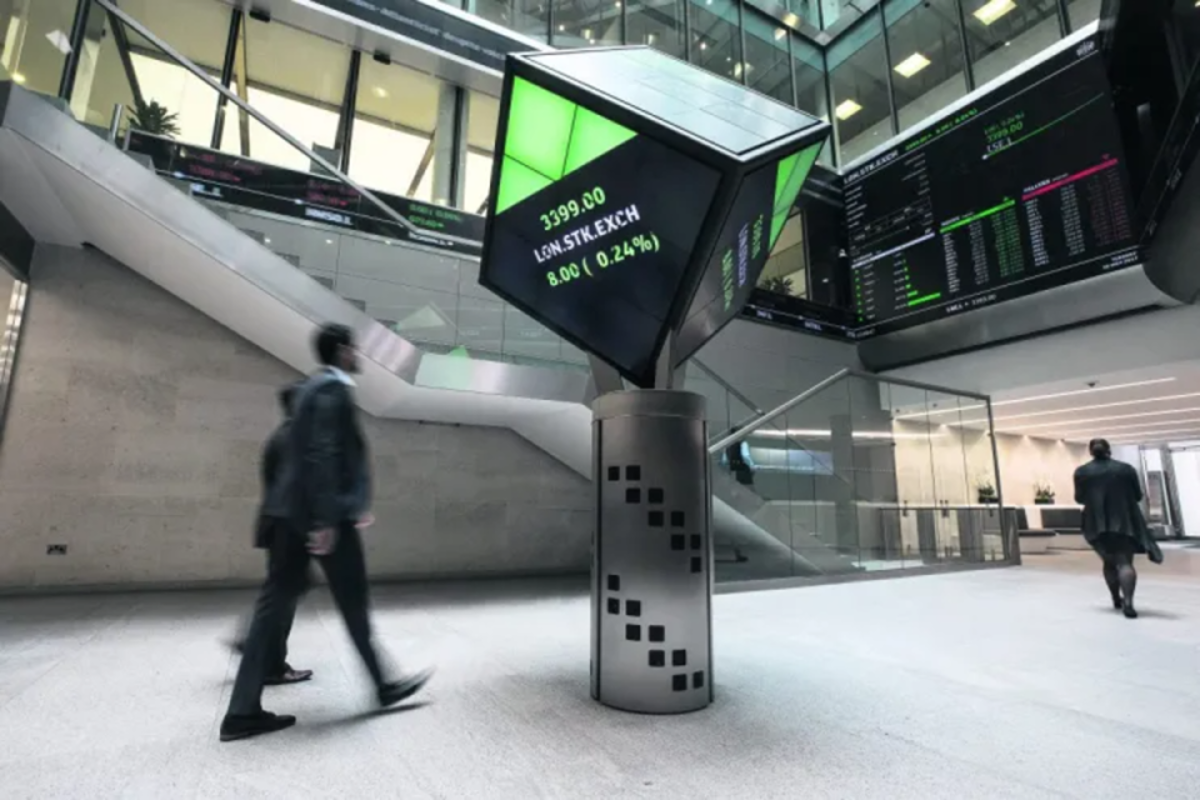
A group of City grandees has sounded the alarm on the wave of foreign firms picking off rivals from London’s stock market, after a flurry of unsolicited offers took the combined value of UK companies poised to leave Britain’s ailing bourse to £43bn.Some 22 listed companies have already accepted or received bids that would pluck them off the London Stock Exchange this year, with blue-chip darlings like insurance giant Beazley and wealth manager Schroders among the household names that are no longer listed in London.And this week brought another spate of merger and acquisition (M&A) activity that took the total value of companies targeted this year beyond £40bn, unnerving several City figures who fear a years-long pattern of delistings and take-private deals is now building up a head of steam.On Thursday, sugar-maker Tate & Lyle was the subject of a shock £2.7bn offer from US rival Ingredion, while the board of private healthcare provider Spire said it was “minded to recommend unanimously” an offer from British investor Toscafund. Private equity group EQT’s long courtship of FTSE 100 lab testing group Intertek also moved a step closer to its conclusion, after the buyout giant sweetened its offer to £10.6bn.“Losing a few companies is unfortunate, losing a large number is careless,” Charles Hall, head of research at Peel Hunt, told City AM. “The rate of departures from the London market definitively shows a definitive lack of care.”The wave of dealmaking is largely being driven by foreign rivals and asset managers, sparking fears that the UK economy risks missing out on a sizeable chunk of the future growth prospects of the targeted firms. The stubbornly low valuations fetched by a cohort of London-listed firms have increasingly lured in competitors and alternatives investors from overseas, hoping to strike a cut-price deal with shareholders to take them off the UK stock market.UK firms ‘easily digestible meal’ for US rivalsEQT’s latest Intertek offer values its shares at some 62 per cent above their closing price before the buyout firm tabled its first bid, while Zurich’s successful all-cash offer for Beazley represented a 60 per cent premium.“The S&P 500’s total market cap is 25 times that of the FTSE 350, ” said Chris Beauchamp, chief market analyst at IG. “UK companies are an easily digestible meal for many US rivals, and despite sterling’s bounce over the last three years it is still well down on the level of the mid-2010s, making British firms seem cheap.”Schroders accepted a £10bn bid from US investment firm Nuveen in FebruaryStock market exodus sparks calls for reformDespite the FTSE 100 posting the best performance of any major index in 2025, British equities remain among the cheapest in the developed world. Shares on London’s blue-chip index are trading at an average of 15 times their earnings, and London’s smaller public companies are cheaper still, with the FTSE 250 and other main market stocks generally valued at between 10 and 13 times earnings. At 32 times earnings, companies on New York’s S&P 500 are twice as expensive. And after a blistering semiconductor-driven rally, those on the tech-heavy Nasdaq trade at 33 times a price-to-earnings multiple.James Ashton, the chief executive of the Quoted Companies Alliance, told City AM that ministers and regulators must prioritise filling the void left by the flurry of M&A activity and double down on efforts to “unleash capital flows” from institutional investors like pension funds and insurers. As part of the landmark Mansion House Accord struck last year, pension funds vowed to invest at least 10 per cent of their capital into private and small-cap equities, and allocate half of that into British assets.“We need the pension funds to stop equivocating and get on with it,” Ashton said, adding: “We’ve really got to focus on the reasons that people leave the market. Yes, in some cases it’s a knockout cash bid, and we have to think about how we elevate some of those depressed valuations in London, but also look at other issues like the cost of being a public company.”Tax incentives must prioritise UK investmentHall added that the government should examine whether to restrict tax carveouts and subsidies enjoyed by pension funds and savers to UK assets. Currently, it is more expensive to trade shares of London-listed companies than those listed on any other major stock market, pushing retail and instutional money overseas.Hall said: “Tax incentives should prioritise domestic investment – it makes no sense to fund the growth of businesses overseas with UK taxpayers’ money.“Companies and founders should be encouraged to scale, stay and IPO in the UK rather than sell too early or list overseas. We have all the tools to make UK equities great again – we just need to be bold enough to recognise the importance for our economic security and long-term growth.”