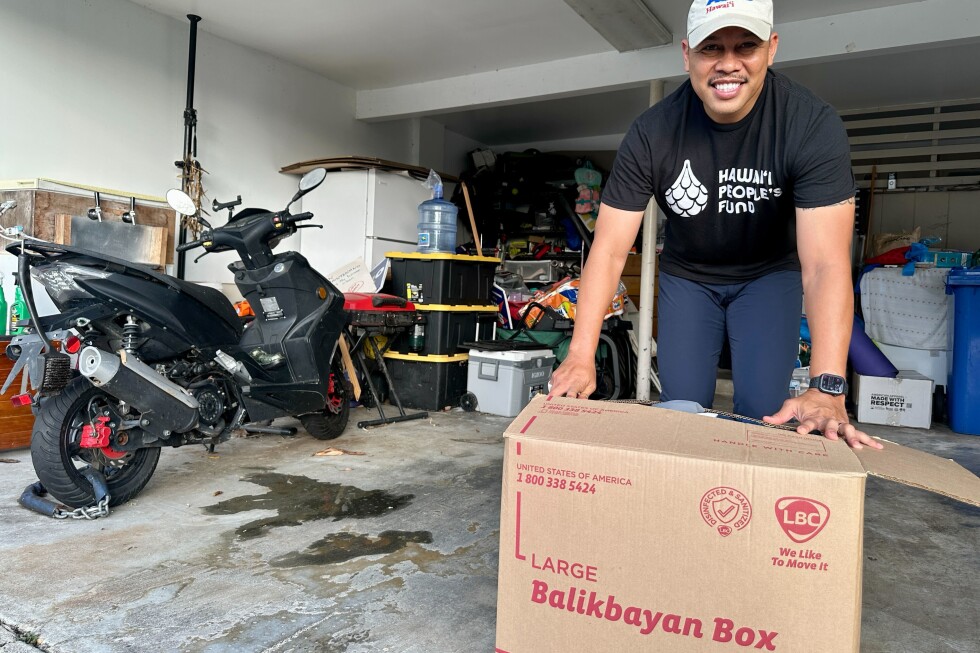
PHOENIX (AP) — Beginning in the 1970s, just about every Filipino household in America was either hauling balikbayan boxes in person or mailing them to relatives back in the Philippines.These care packages that held goodies from the U.S. were seen as an expression of support during hard economic times — as well as one of pure love. “Balik” and “bayan,” Tagalog for “return” and “homeland,” respectively, was what President Ferdinand Marcos Sr. called the tourism initiatives he established in 1973. After declaring martial law a year earlier, he wanted to compel Filipino immigrants to come back and visit and further “legitimize his new dictatorial regime,” says Adrian De Leon, an assistant professor of history at New York University and author of “Balikbayan: A Revenant History of the Filipino Homeland.” The balikbayan program proved “incredibly profitable” for the government as middle-class Filipino Americans came and spent capital.
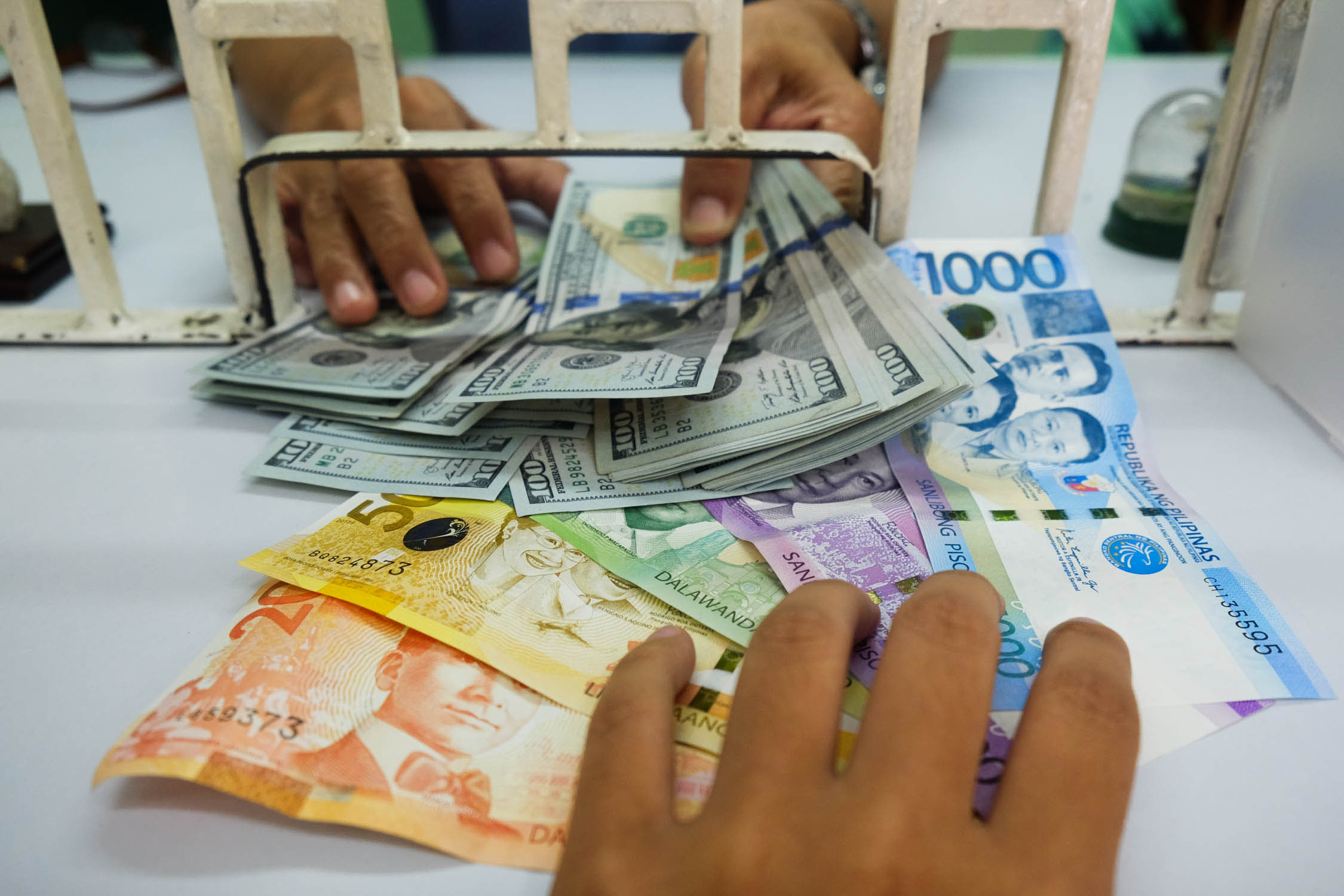
“The dollar stretches way more,” De Leon says. “Bulk buying becomes a way through which overseas Filipinos are incentivized to maintain an economic connection to their homeland so that the government can take cuts from it and use it for like everything.”
2 MIN READ