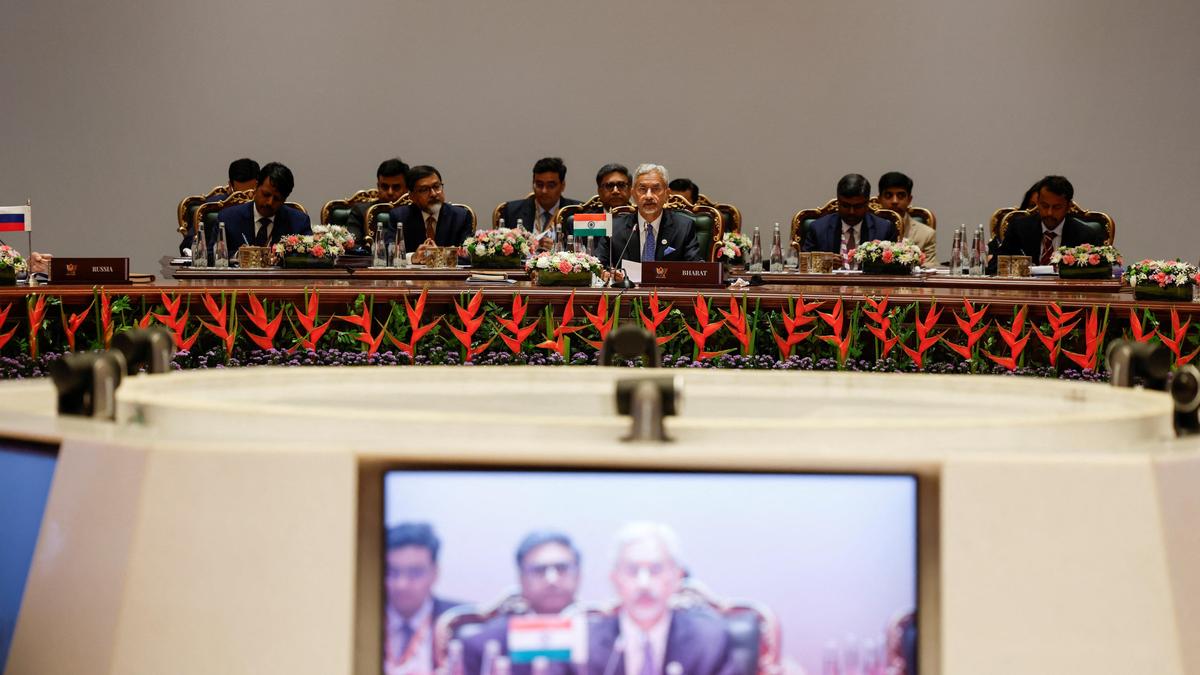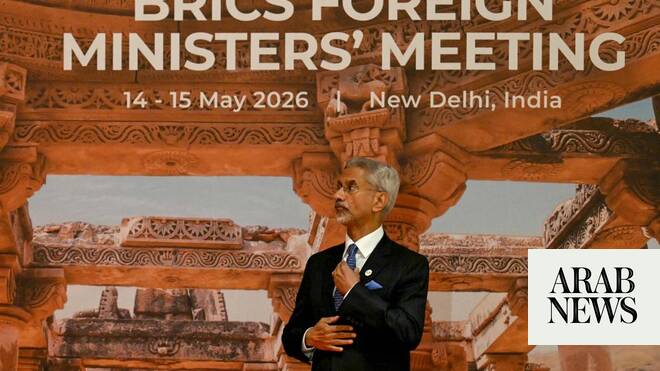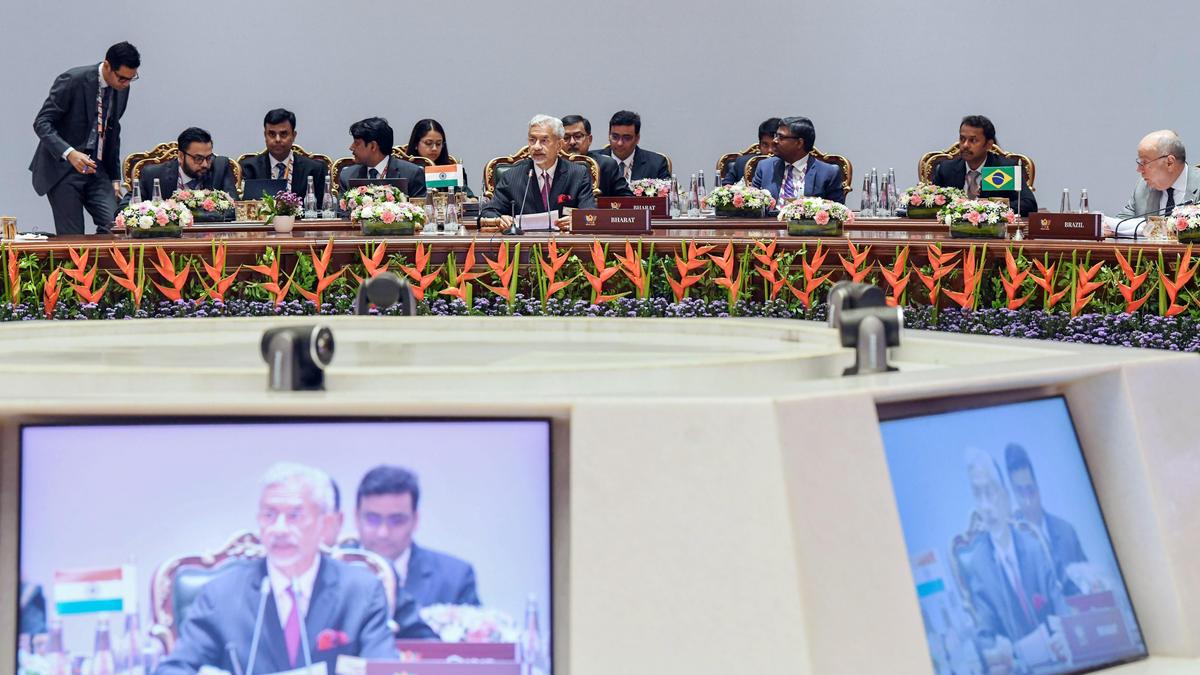
External Affairs Minister S. Jaishankar addresses the BRICS Foreign Ministers Meeting, at Bharat Mandapam, in New Delhi on Friday, May 15, 2026.
| Photo Credit: ANI
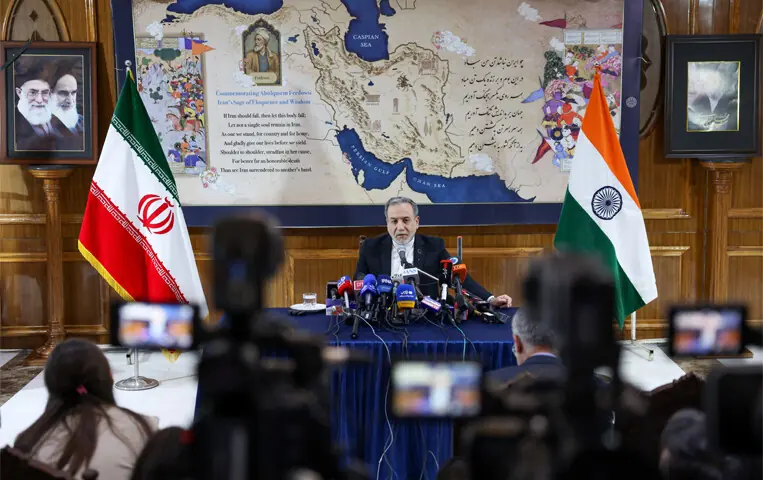
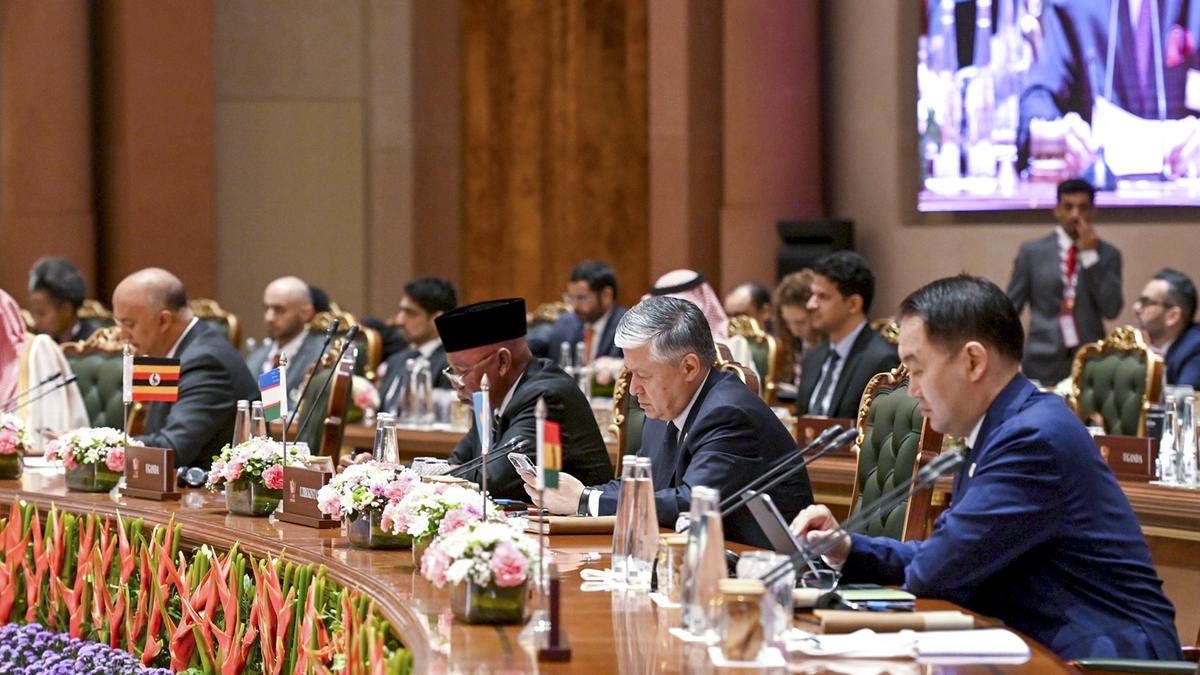
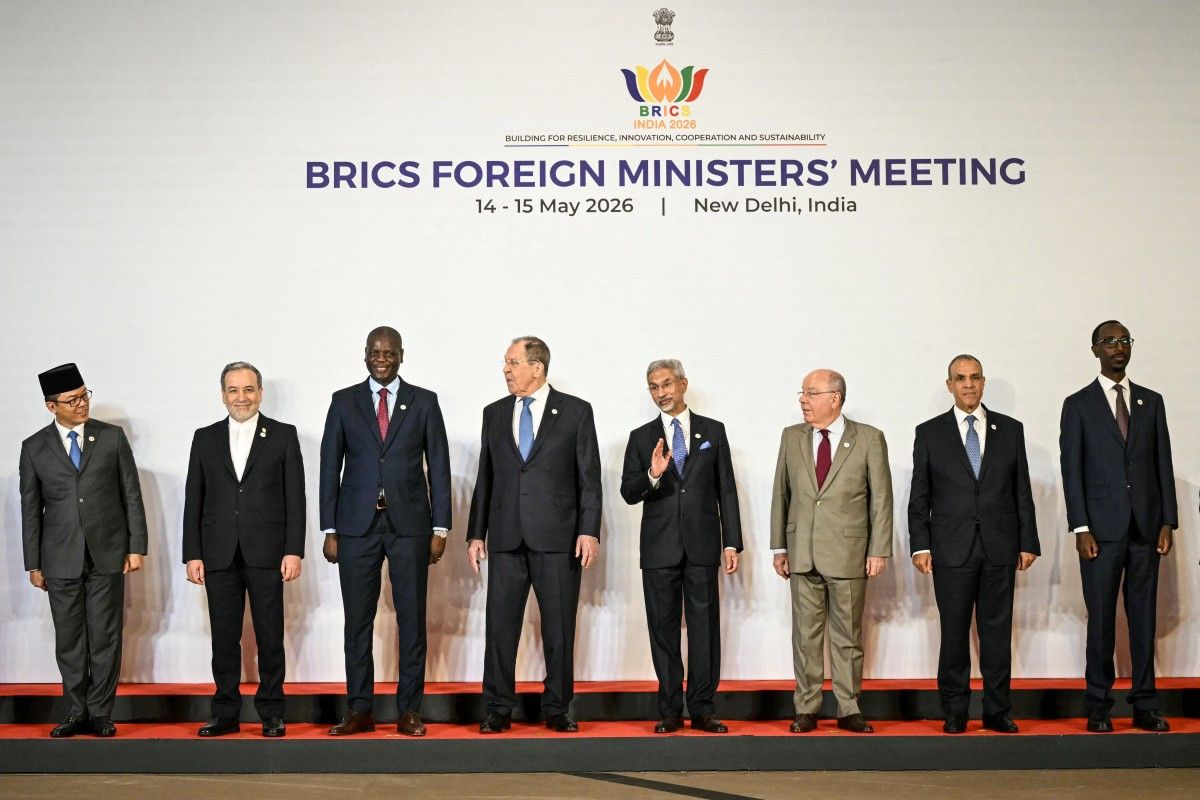
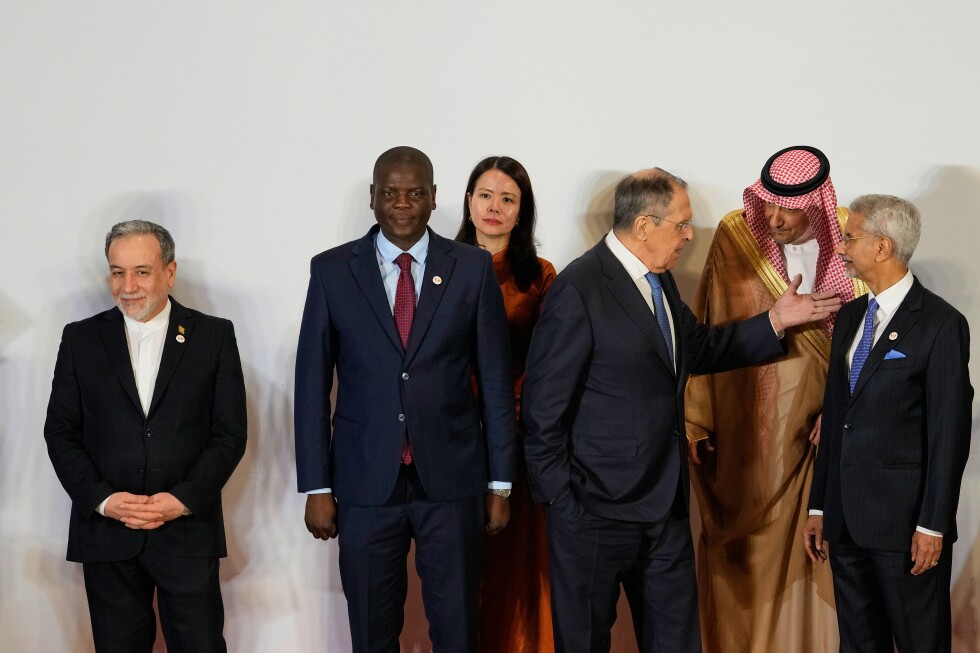
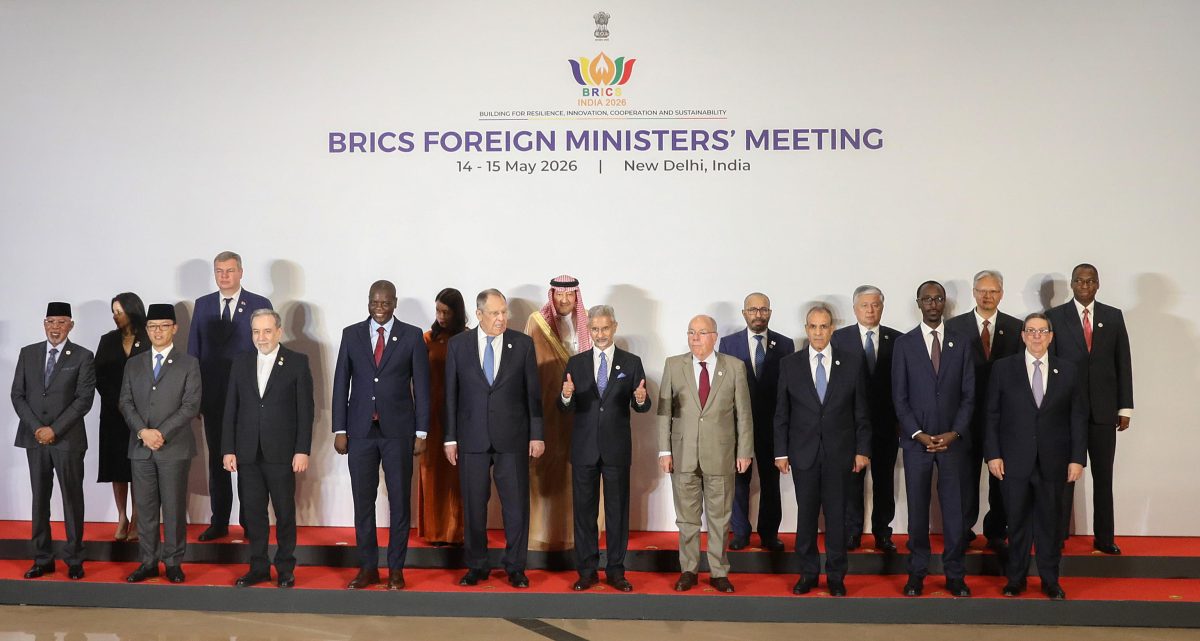
The BRICS Foreign Ministers’ meeting that concluded here on Friday (May 15, 2026), reaffirmed the grouping’s call for the creation of an ‘independent and viable State of Palestine’ within the pre-1967 borders, with East Jerusalem as its capital.While consensus emerged on the Statehood for Palestine, several other issues saw the members disagreeing among themselves, which prevented the emergence of a Joint Statement, leading instead to the release of a ‘Chair’s Statement and Outcome Document’.Sources said that there were several significant disagreements between delegations of the United Arab Emirates and Iran, whose Foreign Minister Seyed Abbas Araghchi addressed a press conference here on Friday (May 15, 2026), asserting Tehran’s position on multiple issues like the bitterness with the UAE and the control over the Strait of Hormuz, which he described as a maritime region that falls within the “territorial waters of Iran and Oman”.“They reaffirmed their support for the State of Palestine’s full membership in the UN in the context of the unwavering commitment to the two-state solution in accordance with international law, including relevant UN Security Council and General Assembly resolutions and the Arab Peace initiative, that includes the establishment of a sovereign, independent and viable State of Palestine within the internationally recognized 1967 borders, which included Gaza Strip and the West Bak, with East Jerusalem as its capital, to achieve the vision of two States living side by side in peace and security,” the Chair’s Statement said.While the segment on Palestinian statehood did not draw any objection from members, there were indications about the UAE’s objection from Mr. Araghchi, who, in response to a question on a reported objection from a BRICS member state on the paragraph on Gaza Strip, said, “Everybody knows which country blocked anything against Israel. This country provided in-depth help to the US and Israel with their military bases. As far as we are concerned, they are a direct party to this aggression and should be held responsible.”The paragraph on the Gaza Strip described the territory as an “inseparable part of the Occupied Palestinian Territory” while calling for “unifying the West Bank and Gaza Strip under the Palestinian Authority”.The focus on handing over the Gaza Strip’s control from Hamas, which is blamed for the October 7, 2023 attacks on Israel, to the Palestinian National Authority led by President Mahmoud Abbas, is understandably the issue over which exchanges took place between Iran and the UAE, with both sides raising objections to “formulations”.Sources also indicated that the paragraph in the document that highlights the importance of Bab Al-Mandab Strait and the Red Sea, where the Iran-backed Houthi militias have increased obstructive activities, also drew resistance from Iran. When asked, a source who was present inside the main conference hall in Bharat Mandapam on both days, said the exchanges between Iran and the UAE were extensive and candid and “both sides believed that they were right in dealing with the war in the way that they did.”In his press conference, Mr. Araghchi highlighted the maritime situation in the Gulf region, saying the “situation in the Strait of Hormuz is complicated” and blamed the United States for the blockade. The Chair’s Statement and Outcome Document placed it on record that “There were differing views among some members as regards the situation in West Asia’/Middle East region.”Urging continued dialogue between the U.S. and Iran that stalled after US President Donald Trump rejected Iran’s proposals earlier this week, the text reminded the “value of dialogue and diplomacy” and also called for “safe and unimpeded flow of maritime commerce through international waterways and the protection of civilian infrastructure and civilian lives.” The mention of “international waterways” was clearly aimed at the chokepoint of the Strait of Hormuz that Mr. Araghchi refused to consider as an international maritime zone.“Iran and Oman are two countries involved in the two sides of the Strait of Hormuz. The Strait is located in the territorial waters of Iran and Oman, and there are no international waters in between. So, everything should be managed between Iran and Oman,” said Mr. Araghchi, explaining that the future arrangement is being discussed between the two countries that will ensure smooth navigation once the conflict ends.The Hindu had reported that Kazem Gharibabadi, the Deputy Foreign Minister of Iran, had announced here earlier this week that Iran is working with experts to create a “protocol” that will include a financial component for Tehran since it provides services like navigation and rescue support to vessels in the Strait of Hormuz. In response to a question, Mr. Araghchi said the port of Chabahar in Iran is like a “golden gate” for India to access Central Asia and the Caucasus and then Europe”.Russian Foreign Minister Sergey Lavrov also addressed a restricted press briefing where he assured the Indian side of continued energy supplies from Russia and discussed cooperation on the North-South Transport Corridor, payment settlement in national currencies and nuclear energy cooperation. Published - May 15, 2026 11:12 pm IST