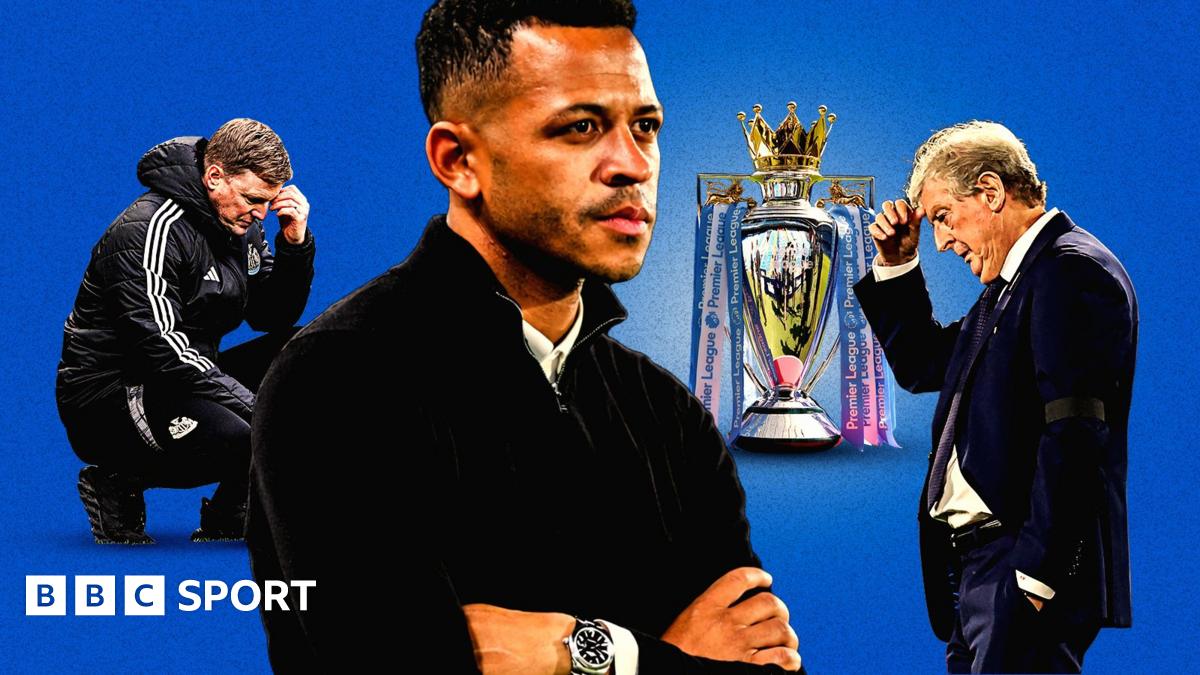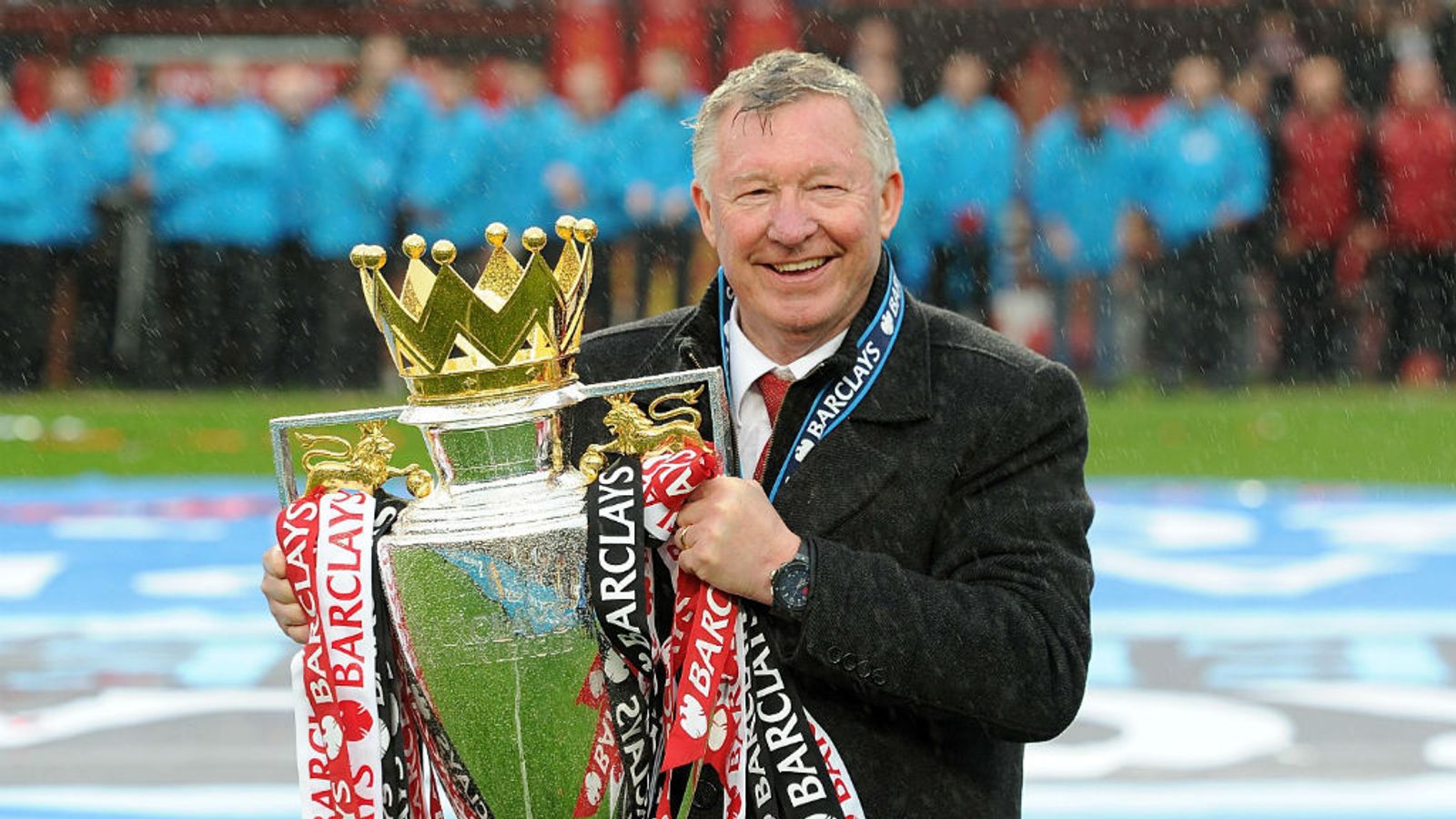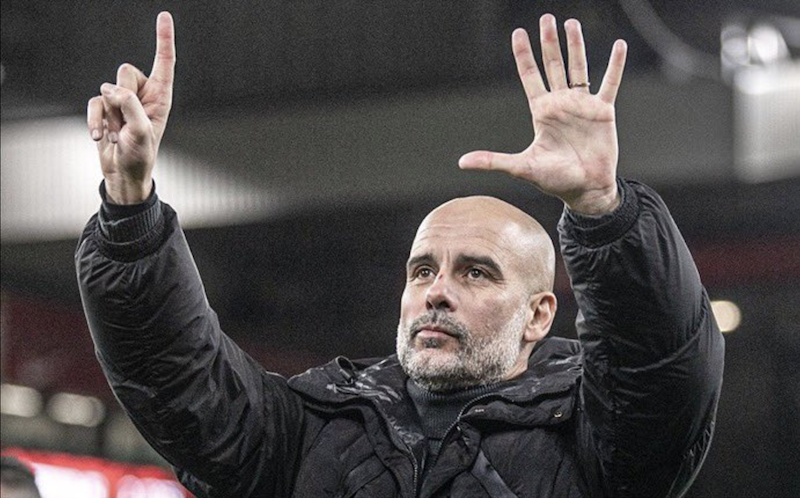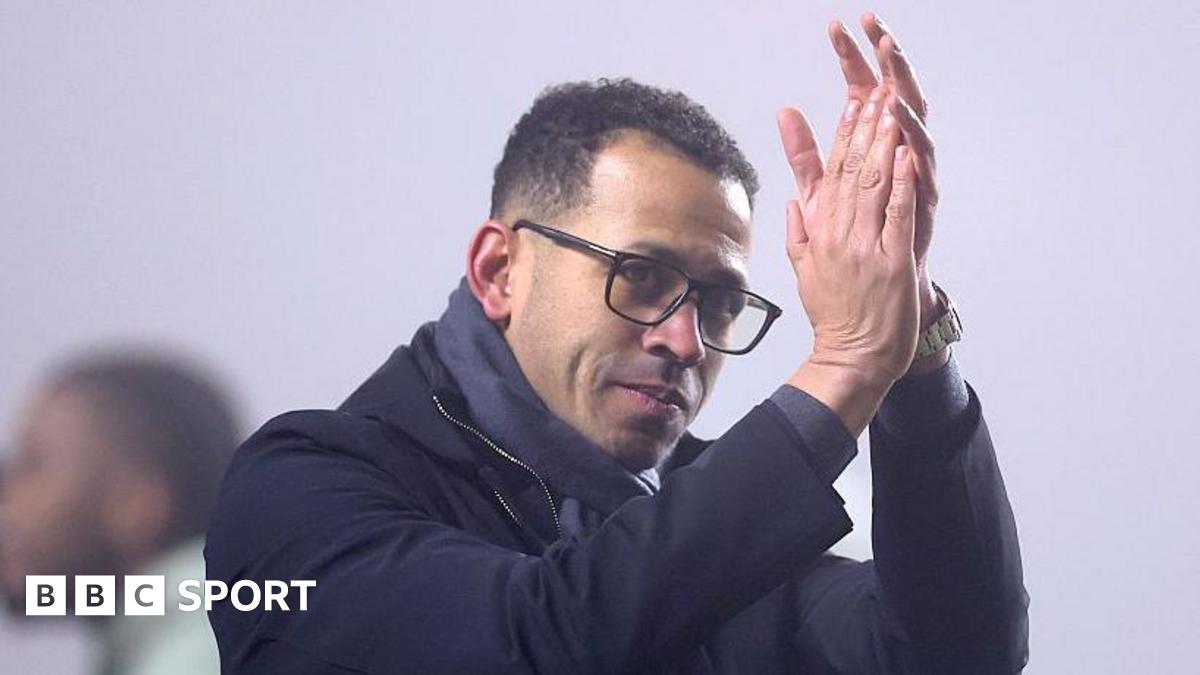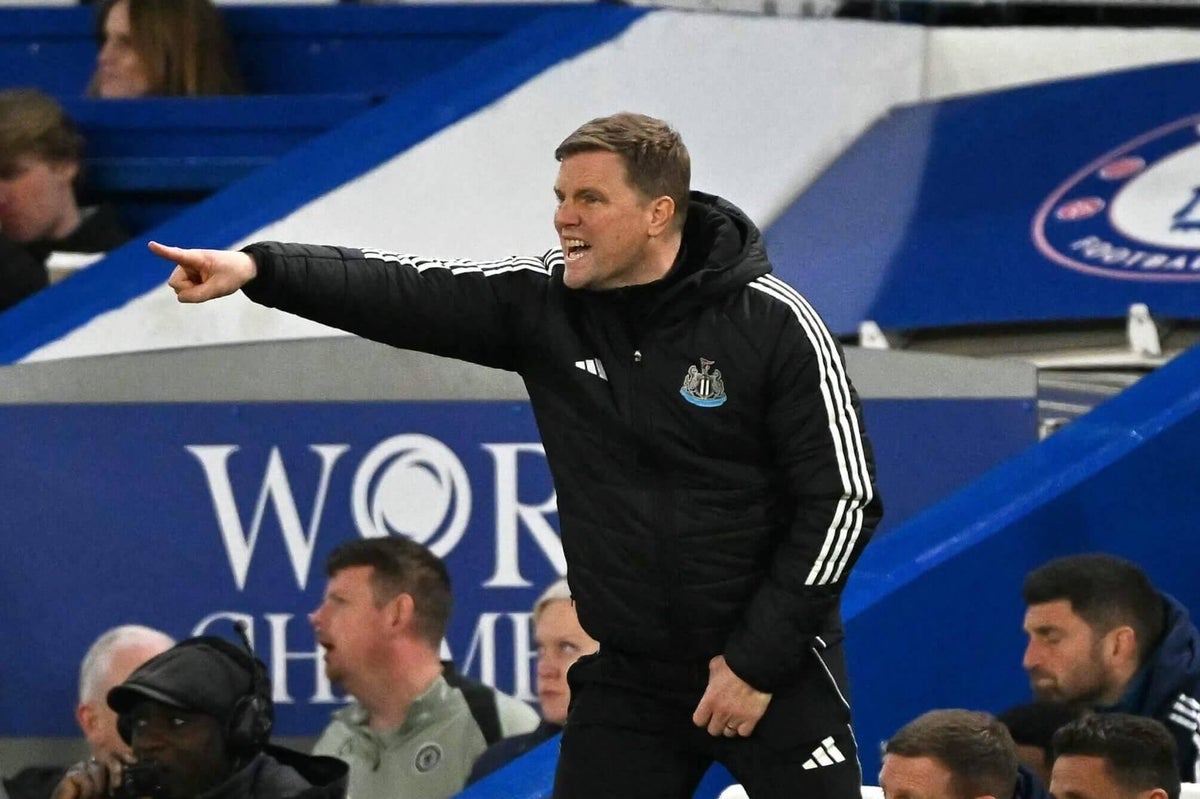
“It’s a disappointment and, from my point of view, it saddens me,” says Howard Wilkinson, now 82 and officially retired from the sport that has shaped his life. “All we can do is keep our fingers crossed and hope at some point we turn a corner in the right direction.”Wilkinson is talking to The Athletic as the last English manager to win the league championship. That was 1991-92 as manager of Leeds United and, 34 years on, it isn’t easy to see a time when that position changes.In the next week or two, it will be Mikel Arteta winning the league with Arsenal or, for the seventh occasion, Pep Guardiola at Manchester City. Last season, it was a Dutchman, Arne Slot, with Liverpool.Other winners in the Premier League era, from 1992-93 onwards, have come from France (Arsene Wenger), Portugal (Jose Mourinho), Germany (Jurgen Klopp), Chile (Manuel Pellegrini), Italy (Roberto Mancini, Carlo Ancelotti, Antonio Conte and Claudio Ranieri) and, of course, two Glaswegians by the name of Alex Ferguson and Kenny Dalglish.Leeds United with the Football League Division One trophy in the 1991-92 season, with (left front row) manager Howard Wilkinson (Getty Images/Getty Images)Yet no English manager has won it in that time and only one — Kevin Keegan with Newcastle United in 1995-96 — has managed a second-place finish. England’s national team has a German, Thomas Tuchel, as the head coach. The women’s team is coached by Sarina Wiegman, from the Netherlands, and this season’s Premier League is reaching its conclusion with only two English managers in full-time roles: Eddie Howe at 13th-placed Newcastle United and Rob Edwards with bottom club Wolverhampton Wanderers.“I’ve been in football all my life and, having learned to expect the unexpected, it’s not a surprise,” says Wilkinson, who had two stints as England caretaker manager and 33 years as chairman of the League Managers’ Association. “However, it is a disappointment. Although it is called the (English) Football League, it has changed in terms of its profile, especially in the last 10 years.”Does it matter? And, if so, who’s to blame? Or is there another question here that strikes at the heart of the matter: are English managers really that bad?OK, we can be sure that the last question is going to be provocative, insulting even, for a lot of people in the profession.Frank Lampard, for one, talks about the issue being more a lack of opportunity than a lack of talent at a time when the Premier League’s boardrooms, just like the changing rooms, have never been more multinational.But why do English managers keep being overlooked?“I wouldn’t say they’re overlooked,” says Lampard. “It’s just a bigger pool of managers, and there are different (nationality) types of owners and sporting directors. In terms of opportunity, it’s a big pool. Good jobs that come up, you know there’s a queue of managers now who are bringing in CVs from all over the world.”Lampard has just led Coventry City to the Premier League while also repairing some of the damage that had been caused to his own reputation after being sacked by Everton and having a particularly difficult spell as caretaker manager at Chelsea, when he won only one out of 11 games.His take is that there are “lots of very, very good British coaches out there who are doing great work”. Yet he also makes the point that the nature of the industry means “they have to fight even harder sometimes to be appreciated as good coaches”. And the numbers back up that argument, especially when one of the people he mentions, Scott Parker, has just lost his job at Burnley.Scott Parker lost his job as manager of Burnley (Carl Recine/Getty Images)“You can name them – the Eddie Howes of the world,” says Lampard. “Scott Parker, I think, is very current. Now everyone will go, ‘Oh they’ve got relegated’. But it is not easy staying in the Premier League.”The landscape of English football has changed so dramatically that it can feel almost like a trick of the mind that the only non-British manager in the first-ever Premier League season was Joe Kinnear at Wimbledon. And even he spoke with an English accent. Kinnear was born in Dublin, meaning he played international football for the Republic of Ireland, but he had moved to England at the age of eight.
Why are there so few English managers in the Premier League?
The number of English managers in England's top flight has been declining for years. Is it a lack of opportunity? A lack of ability?
2,008 words~9 min read