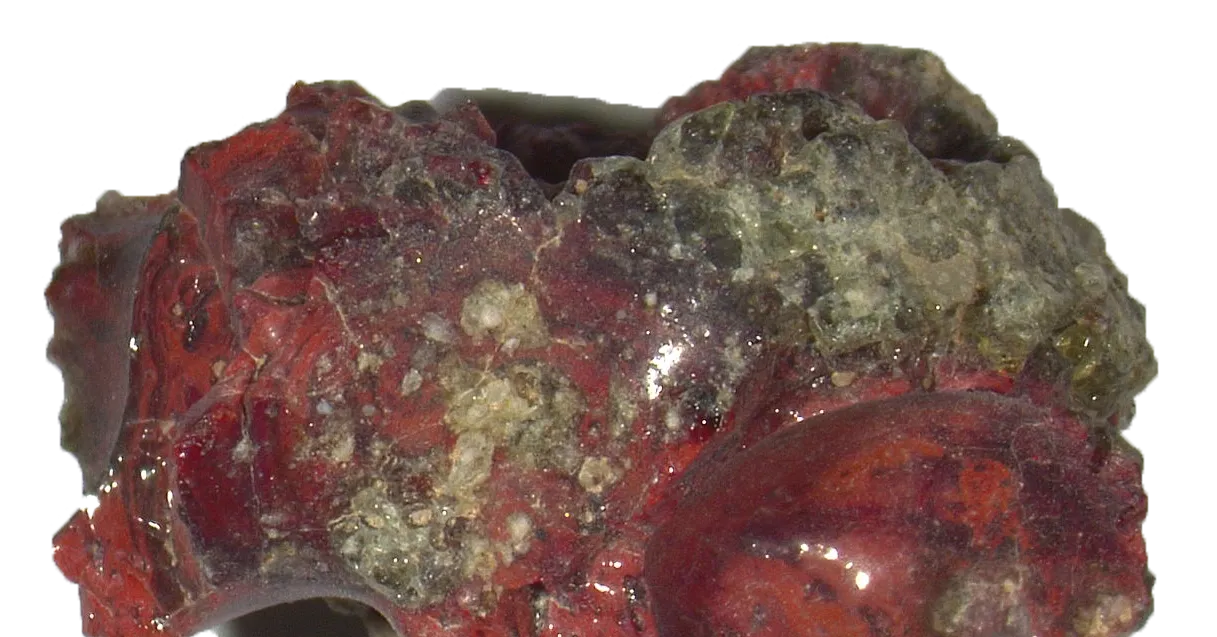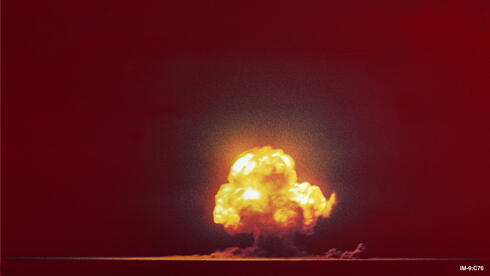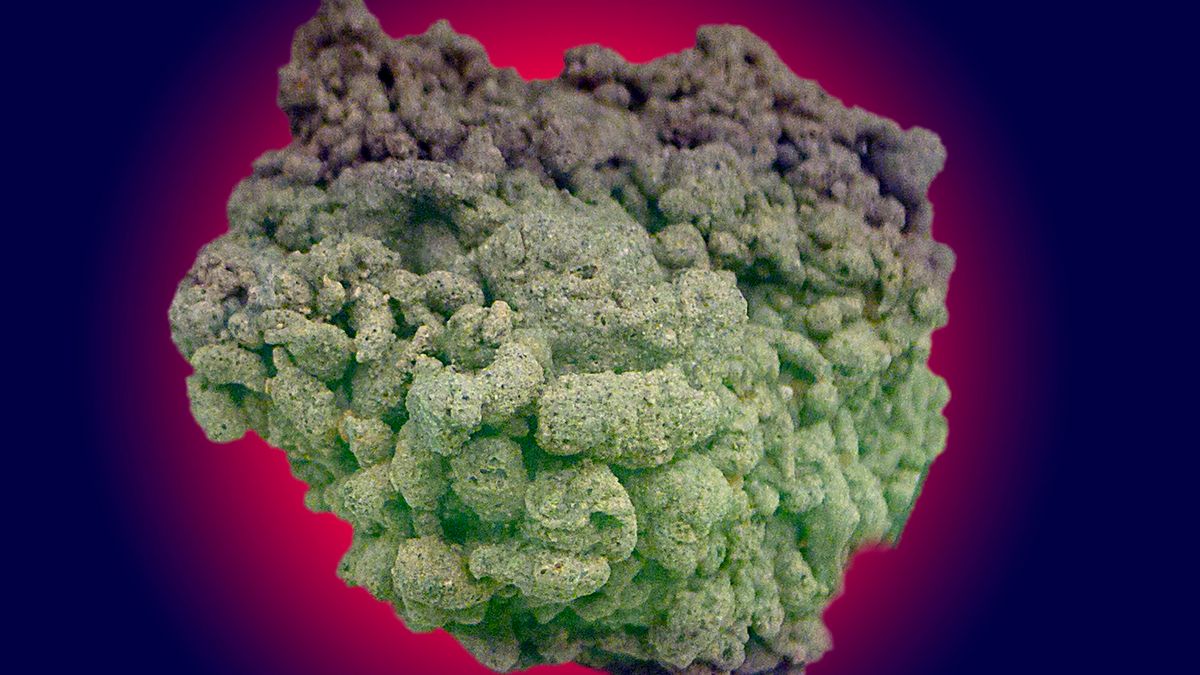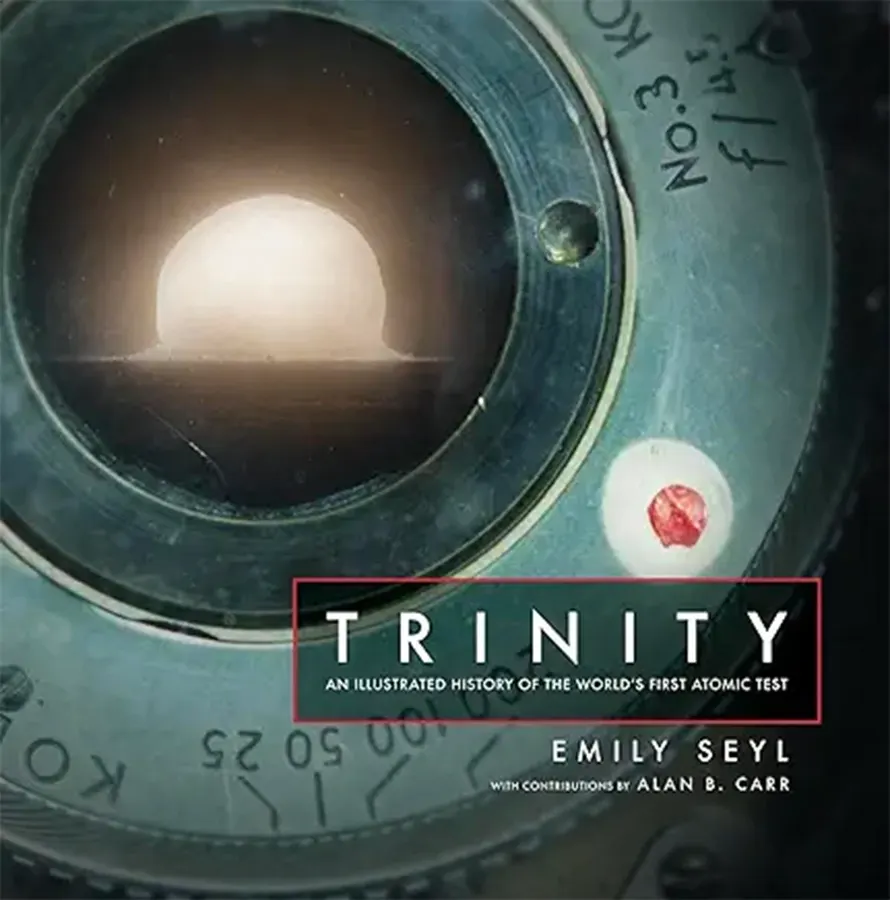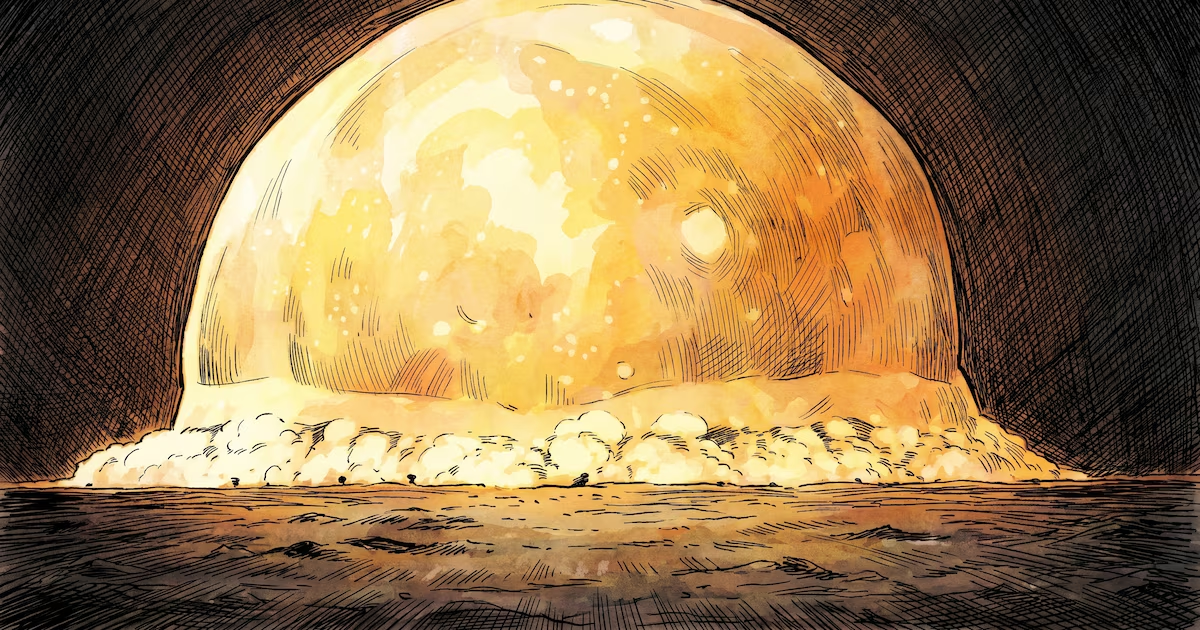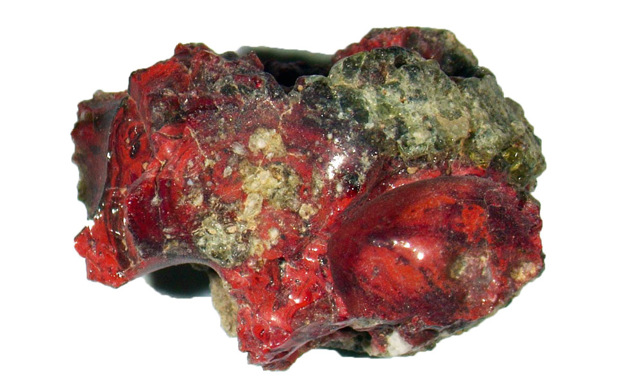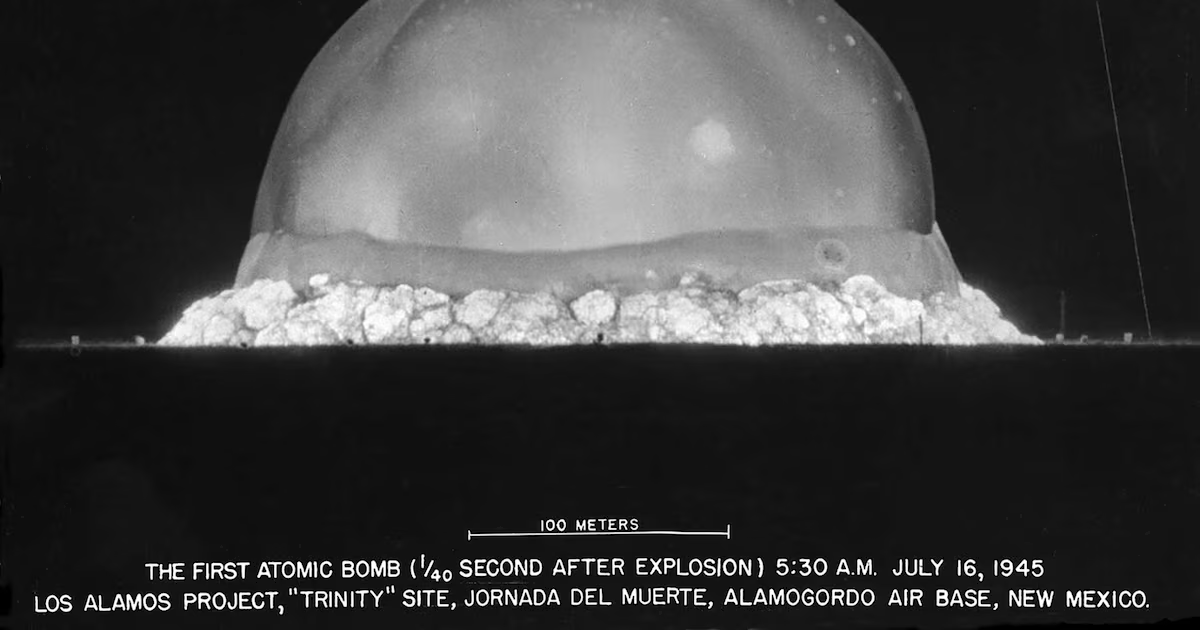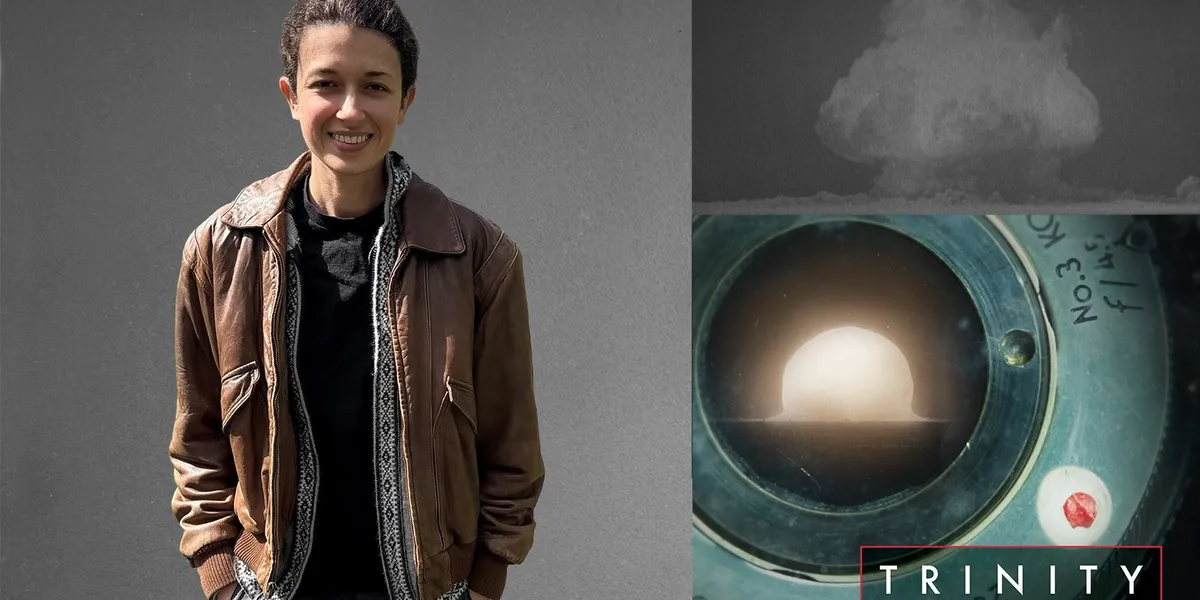
A new book about the Trinity test, the world’s first atomic explosion, presents startlingly vivid views of the event. Based on a 20-year effort to restore and release hundreds of photographs taken during the Manhattan Project, the book, simply titled Trinity, is a treasure trove of some 350 of these images, along with maps, memos, diagrams, blueprints, and pictures of lab-notebook pages. Authored by Emily Seyl, a writer and editor at Los Alamos National Laboratory’s National Security Research Center, the book begins with the early preparations for the test, in the spring of 1944. It continues to the present day, with brief descriptions of the test site, where ground zero is marked by a simple black obelisk. The University of Chicago Press, the book’s publisher, kindly granted permission to IEEE Spectrum to reprint chapter 6, which is titled “5:29 A.M.” The chapter begins seconds before ignition, in the bunker known as North 10,000, where head photographer Berlyn Brixner was standing in a turret alongside two Mitchell 35-mm movie cameras.Related: Striking New Views of the First Atomic Bomb TestAhead of the book’s release, in May 2026, Seyl sat down with IEEE Spectrum to talk about the origins of the book, the Oppenheimer movie, and the Manhattan Project photographers who made the book possible.How did this project get started for you?Emily Seyl: It started long before I was working at the [Los Alamos] laboratory. It actually started with one of my collaborators, Alan Carr, who is the senior historian at the laboratory. There was an effort about 20 years ago to digitize the whole series of photographs on which this book is based, so they could be shared with the public. We call it the TR series; TR of course standing for Trinity. Alan had a vision then for contextualizing the photos in a book, so they would not just be available but could be readily accessible and meaningful to anyone. How did that play out? Seyl: The TR series and millions of other historical records at Los Alamos are currently part of the National Security Research Center, which was founded in 2019. I am part of a team there that works to share the unclassified materials in the lab’s collections through creative, educational media. My background is in publishing, and I was an editor at an academic press before joining the laboratory in 2023. I had never written a book before. But when I was introduced to this project and saw the photos, it became my mission to build a story around them and see the Trinity book through to completion. The creative team included myself, Alan, and also the book’s designer, Paul Ziomek.Did you have an interest in national security, either through your book publishing or through any other work? Seyl: I was working with some military history topics when I was in academic publishing, and I also have a master’s degree in science and technology journalism. I’m very interested in the history of science. I’ve also always been drawn to understanding and articulating how things work. I love the whole process of challenging myself to figure out the details of something well enough to explain it correctly, and creatively. And so national security specifically was a new space, but my background and interests just coalesced with this opportunity.The Oppenheimer movie came along in July of 2023. Did that affect your project? I mean, this book project was already underway, and the biggest blockbuster movie of the year comes along, and sweeps the Academy Awards, and you’re in the middle of this project describing an event in which Robert Oppenheimer was a key figure.Seyl: It was more serendipitous than anything. And it was funny for me because I had started working at the laboratory just before the movie came out, and so many people suddenly had a concept of Los Alamos, of Oppenheimer, of Trinity, who didn’t before. But, yeah, the timing was good. It definitely created a greater sense of urgency to finish the book. The Trinity test was easily one of the most important and monumental events in American history. In documenting it, you went on this journey. Did it change you in any way? Seyl: You know, I think one of the bigger things that I took away was the importance of preserving history. I only had the opportunity to go on that journey because so many records were made, kept, organized, and protected for all these years. And now anyone has that opportunity to experience the journey—or, you know, a semblance of it through reading this book, through looking at the photos, through understanding them, through absorbing the context. I have a much stronger appreciation for archival stewardship and how it enables the process of piecing together the past. Are these photographs, in the book, from professional photographers who were assigned to the Manhattan project? Seyl: There were several groups put together to execute theTrinity test. One of them was called the Spectrographic and Photographic Measurements Group. The people in it were largely engineer types, or those with a sort of physics-photography type of background. But one of them, a guy named Ernest Wallis, did not have a technical background. He was a commercial photographer and he was the one assigned to take a lot of the photos that are in the book. He worked with the scientists in the other groups, sort of on demand, to do photo shoots of their experiments. Was there a photo in particular that you came across that kind of blew you away or for any other reason was really powerful for you? The North 1,000 instrument bunker was one of several and located closest to the shot tower, visible on the right-hand edge of the photo. The closest inhabited stations were about 9 kilometers away.Los Alamos National LaboratorySeyl: Some of the photos that stick with me the most are the ones that helped orient me to the layout of the Trinity site during my research. Most things at the site are miles apart, and it’s rare to see two landmarks at once, whether in person or in one of the images. But the image that’s coming to mind now is a mundane-looking photo of the instrument bunker 1,000 yards north of ground zero. I had passed by this photo several times when sifting through images, and then I noticed in the back upper, right corner of this photo, you can actually see the shot tower behind the bunker. It’s one of only two images I can recall in which the tower is shown in relation to any other aspect of the test site. That really created a visual web for me between the seemingly isolated bunkers and diagnostic tools and the impending detonation that would connect them all. Is it correct to assume that the area hasn’t changed a whole lot, because it’s a historic site in the desert?Seyl: Well, it has changed a lot because of being in the desert. The conditions have just worn away a lot of the artifacts. Even some of the concrete structures fell into disrepair and had to be demolished at certain points. That’s why the photographs have been so important to putting together what the site looked like, and why I’ve come to appreciate the record-making effort that was part of the test. Because by the time we get into the 1950s, so much had changed that a lot of the physical history had been lost.
Trinity Photos Bring the First Atomic Explosion Into Sharp Focus
Author Emily Seyl describes her quest to preserve atomic-age history
1,244 words~6 min read